
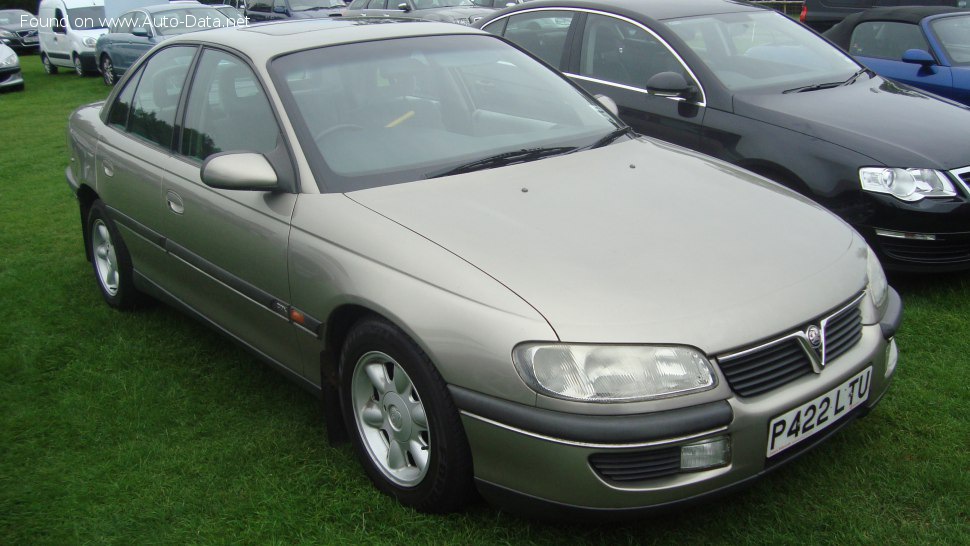
The Vauxhall Omega B 3.0i V6 24V (211 Hp) represents a significant chapter in the history of European executive sedans, particularly for the United Kingdom market where the Vauxhall brand, a subsidiary of General Motors, held sway. Launched in 1994 as the second generation of the Omega (known as the Opel Omega B in mainland Europe), this full-size, rear-wheel-drive vehicle was designed to compete with established premium offerings from manufacturers like BMW and Mercedes-Benz. The 3.0i V6 24V variant, specifically, stood out as a performance-oriented model within the Omega B lineup, offering a potent blend of power, refinement, and sophisticated engineering for its era. It aimed to deliver a comfortable and capable driving experience, embodying the ambition of Vauxhall to offer a compelling, large sedan that could serve as a flagship for the brand through the late 1990s.
The Vauxhall Omega B: A European Executive Sedan
Genesis and Market Positioning
The Vauxhall Omega B was introduced in 1994, succeeding the original Omega A (Vauxhall Carlton in the UK). It was a crucial model for Vauxhall and Opel, serving as their largest and most luxurious passenger car. In the competitive European executive segment, the Omega B was positioned to offer a more accessible yet sophisticated alternative to its German rivals, emphasizing comfort, space, and value. While it was not officially sold in the United States under the Vauxhall or Opel brand, its underpinnings and design philosophy reflected a global approach by General Motors, with some elements eventually influencing other GM platforms worldwide. The 3.0i V6 24V (211 Hp) variant was a top-tier engine option, intended for discerning drivers who sought strong performance without compromising on the executive sedan’s core attributes of refinement and long-distance comfort. Its production run from 1994 to 1999 saw it maintain a strong presence in its primary markets, cementing its reputation as a capable and reliable large family car or business cruiser.
Design Philosophy and Exterior Aesthetics
The design of the Vauxhall Omega B marked a departure from the sharper, more angular lines of its predecessor. It adopted a smoother, more aerodynamic silhouette, characterized by flowing curves and a cohesive, understated elegance that was characteristic of 1990s automotive design. The four-door sedan body style provided a classic and dignified appearance, suited to its executive market positioning. With a length of 188.46 inches (4787 mm) and a width of 70.31 inches (1786 mm), the Omega B commanded a substantial road presence. Its height of 57.28 inches (1455 mm) contributed to a spacious cabin, while the generous 107.48-inch (2730 mm) wheelbase ensured a comfortable ride and stable handling. A notable achievement in its design was the impressive drag coefficient (Cd) of 0.29, which was highly competitive for its time and contributed to both fuel efficiency and reduced wind noise at higher speeds. The aesthetic was one of mature confidence, avoiding ostentation while still conveying a sense of quality and substantiality.
Powertrain and Performance of the Vauxhall Omega B 3.0i V6 24V (211 Hp)
The Heart of the Beast: 3.0i V6 24V Engine
At the core of the Vauxhall Omega B 3.0i V6 24V (211 Hp) lies the formidable X30XE engine, a naturally aspirated 3.0-liter V6 unit designed for smooth power delivery and robust performance. This engine, with a displacement of 2962 cubic centimeters (180.75 cu. in.), utilized a sophisticated DOHC (Double Overhead Camshaft) valvetrain with four valves per cylinder, totaling 24 valves, to optimize airflow and combustion efficiency. Its V-engine configuration, with six cylinders, contributed to its inherent balance and refinement. With a bore of 3.39 inches (86 mm) and a piston stroke of 3.35 inches (85 mm), coupled with a compression ratio of 10.8:1, the engine was engineered for spirited performance. It produced a healthy 211 horsepower at 6200 rpm, translating to a power-per-liter output of 71.2 Hp/l, which was commendable for a naturally aspirated engine of its generation. Torque was equally impressive, peaking at 199.14 lb.-ft. (270 Nm) at a relatively accessible 3600 rpm, ensuring strong mid-range acceleration. Fuel was delivered via a multi-port manifold injection system, providing precise fuel metering. The engine’s robust design was supported by an oil capacity of 6.08 US quarts (5.75 liters) and a coolant capacity of 10.25 US quarts (9.7 liters), indicating its suitability for sustained high-performance driving. This powerful engine propelled the Omega B to a maximum speed of 149.13 mph (240 km/h), making it a genuinely fast executive sedan. Despite its performance, Vauxhall quoted a combined fuel consumption figure of 18.4 US mpg (12.8 l/100 km) in urban conditions, a respectable figure given the car’s size and the technology of the mid-90s.
Drivetrain and Driving Dynamics
The Vauxhall Omega B 3.0i V6 24V (211 Hp) adhered to a classic rear-wheel-drive powertrain architecture, a choice that underscored its executive and sporting aspirations. This configuration, where the internal combustion engine drives the rear wheels, is often favored for its balanced weight distribution and superior handling characteristics, especially under power. The power from the V6 engine was channeled through a precise 5-speed manual transmission, offering drivers direct control over the engine’s output and enhancing the engaging driving experience. For its suspension system, the Omega B featured an independent McPherson strut setup with coil springs and an anti-roll bar at the front, providing a good balance of ride comfort and handling precision. The rear utilized an independent multi-link suspension, a more sophisticated design that offered improved wheel control and ride quality, further contributing to the car’s composure on various road surfaces. Braking performance was handled by ventilated discs at the front and solid discs at the rear, a robust setup capable of bringing the vehicle to a halt effectively. Furthermore, an Anti-lock Braking System (ABS) was a standard assisting system, enhancing safety by preventing wheel lock-up during hard braking. The car rode on 225/55 R16 tires mounted on 7J x 16 wheel rims, providing a good contact patch and contributing to both grip and ride comfort. With a minimum turning circle of 33.46 feet (10.2 meters), the Omega B maintained a respectable level of maneuverability for a vehicle of its size.
Interior, Features, and Practicality
Cabin Comfort and Technology
Inside, the Vauxhall Omega B 3.0i V6 24V was designed to provide a comfortable and refined environment for up to five occupants. As an executive sedan, particular attention was paid to ergonomics, material quality (for its class and era), and overall passenger comfort. The spacious cabin ensured ample legroom and headroom for both front and rear passengers, making it suitable for long journeys. While specific interior features like climate control, power windows, and a quality audio system were common for a car in this segment during the mid-1990s, the Omega B aimed to integrate these seamlessly into a user-friendly dashboard layout. Safety was also a key consideration, with features like ABS being standard, and airbags becoming increasingly common across the range during its production run, reflecting the evolving safety standards of the time. The overall interior ambiance was one of understated luxury and functionality, consistent with its role as a workhorse executive vehicle.
Space, Volume, and Utility
Practicality was a strong suit for the Vauxhall Omega B. With a generous trunk (boot) space of 18.72 cubic feet (530 liters), it offered ample capacity for luggage, making it ideal for family trips or business travel. The car’s maximum load capacity was 1049.4 lbs (476 kg), underscoring its ability to carry a substantial amount of cargo or passengers. The fuel tank capacity of 19.81 US gallons (75 liters) provided an excellent cruising range, reducing the frequency of fuel stops on extended journeys. Furthermore, the Omega B was a capable hauler, with a permitted trailer load of 4078.55 lbs (1850 kg) with brakes and 1653.47 lbs (750 kg) without brakes. A maximum roof load of 220.46 lbs (100 kg) and a permitted towbar download of 165.35 lbs (75 kg) added to its versatility, allowing owners to transport additional gear or recreational equipment. These practical attributes, combined with its comfortable ride and robust powertrain, solidified the Omega B’s reputation as a highly functional and versatile executive sedan.
Technical Specifications: Vauxhall Omega B 3.0i V6 24V (211 Hp)
| Brand | Vauxhall |
| Model | Omega |
| Generation | Omega B |
| Type (Engine) | 3.0i V6 24V (211 Hp) |
| Start of production | 1994 year |
| End of production | 1999 year |
| Powertrain Architecture | Internal Combustion engine |
| Body type | Sedan |
| Seats | 5 |
| Doors | 4 |
| Fuel consumption (economy) – urban | 18.4 US mpg (12.8 l/100 km) |
| Fuel Type | Petrol (Gasoline) |
| Maximum speed | 149.13 mph (240 km/h) |
| Weight-to-power ratio | 7.8 kg/Hp, 128 Hp/tonne |
| Weight-to-torque ratio | 6.1 kg/Nm, 163.7 Nm/tonne |
| Power | 211 Hp @ 6200 rpm. |
| Power per liter | 71.2 Hp/l |
| Torque | 199.14 lb.-ft. (270 Nm @ 3600 rpm) |
| Engine layout | Front, Longitudinal |
| Engine Model/Code | X30XE |
| Engine displacement | 180.75 cu. in. (2962 cm3) |
| Number of cylinders | 6 |
| Engine configuration | V-engine |
| Cylinder Bore | 3.39 in. (86 mm) |
| Piston Stroke | 3.35 in. (85 mm) |
| Compression ratio | 10.8:1 |
| Number of valves per cylinder | 4 |
| Fuel injection system | Multi-port manifold injection |
| Engine aspiration | Naturally aspirated engine |
| Valvetrain | DOHC |
| Engine oil capacity | 6.08 US qt (5.75 l) |
| Coolant | 10.25 US qt (9.7 l) |
| Kerb Weight | 3635.42 lbs. (1649 kg) |
| Max. weight | 4684.82 lbs. (2125 kg) |
| Max load | 1049.4 lbs. (476 kg) |
| Trunk (boot) space – maximum | 18.72 cu. ft. (530 l) |
| Fuel tank capacity | 19.81 US gal (75 l) |
| Max. roof load | 220.46 lbs. (100 kg) |
| Permitted trailer load with brakes (12%) | 4078.55 lbs. (1850 kg) |
| Permitted trailer load without brakes | 1653.47 lbs. (750 kg) |
| Permitted towbar download | 165.35 lbs. (75 kg) |
| Length | 188.46 in. (4787 mm) |
| Width | 70.31 in. (1786 mm) |
| Width including mirrors | 77.17 in. (1960 mm) |
| Height | 57.28 in. (1455 mm) |
| Wheelbase | 107.48 in. (2730 mm) |
| Rear overhang | 44.88 in. (1140 mm) |
| Drag coefficient (Cd) | 0.29 |
| Minimum turning circle (turning diameter) | 33.46 ft. (10.2 m) |
| Drivetrain Architecture | The Internal combustion engine (ICE) drives the rear wheels of the vehicle. |
| Drive wheel | Rear wheel drive |
| Number of gears and type of gearbox | 5 gears, manual transmission |
| Front suspension | Independent, type McPherson with coil spring and anti-roll bar |
| Rear suspension | Independent multi-link suspension |
| Front brakes | Ventilated discs |
| Rear brakes | Disc |
| Assisting systems | ABS (Anti-lock braking system) |
| Tires size | 225/55 R16 |
| Wheel rims size | 7J x 16 |
