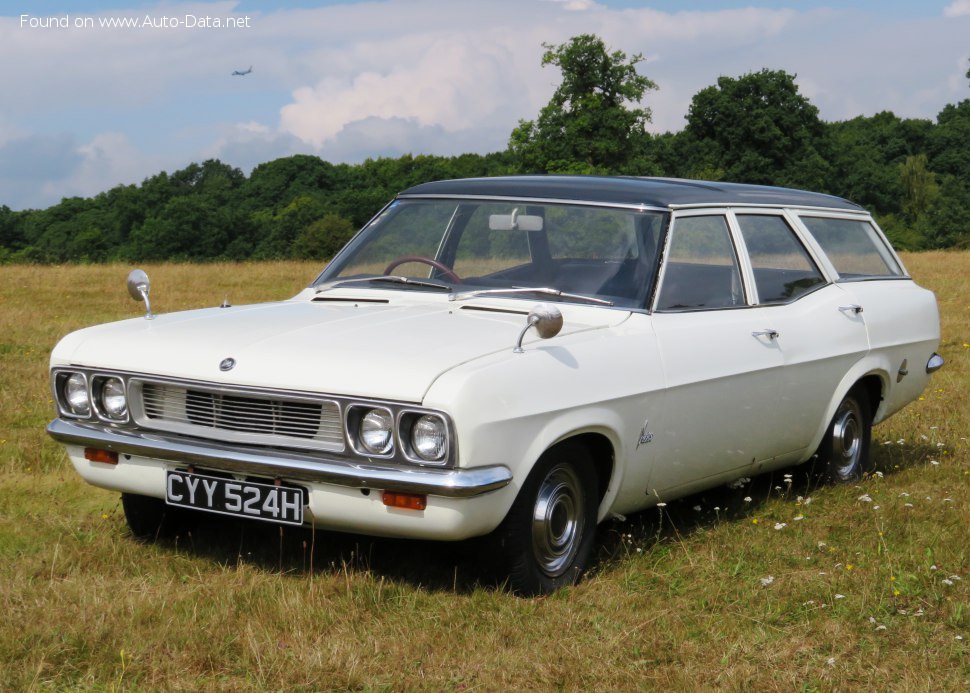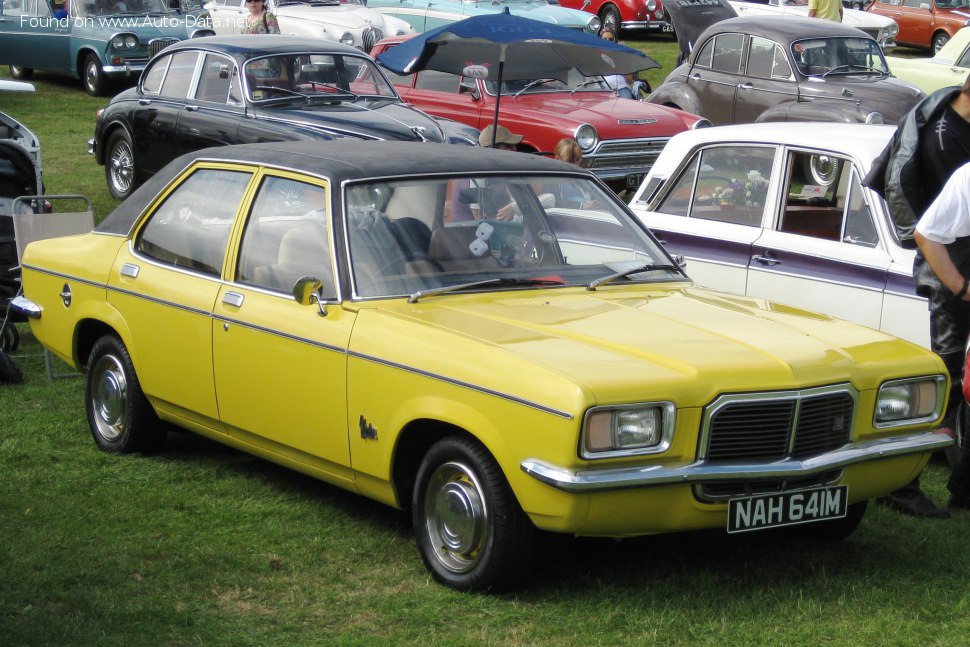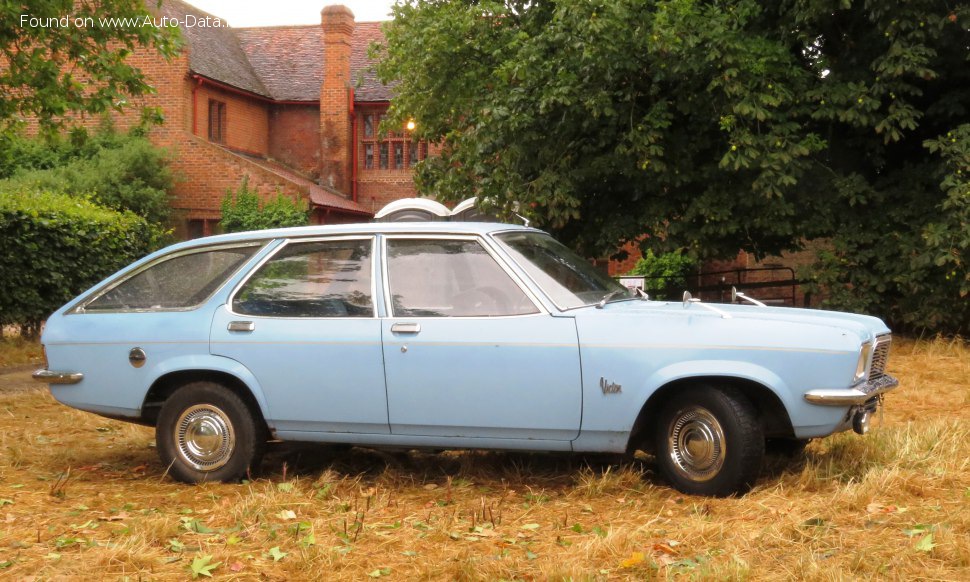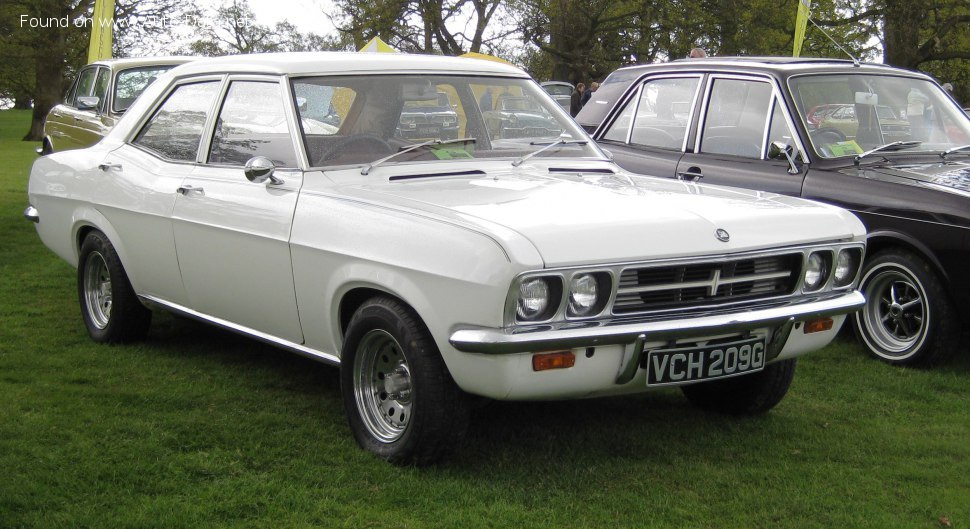
The Vauxhall Victor FD 2000, produced between 1967 and 1972, represents a significant evolution in the Victor lineage, a mainstay of British family motoring. This generation, the FD, offered a blend of practicality, affordability, and a degree of style that appealed to a broad market. While not officially sold in the United States, understanding the Victor FD provides insight into the automotive landscape of post-war Britain and the development of mainstream family cars during that era. The FD series aimed to modernize the Victor, offering increased space, improved comfort, and a more powerful engine option in the form of the 2000 model, boasting 88 horsepower.
Vauxhall Victor FD 2000: A British Family Sedan
The Victor FD was positioned as a competitor to other mid-size family saloons like the Ford Cortina and Morris Oxford. It was designed to provide comfortable transportation for a family, with a focus on reliability and ease of maintenance. The “FD” designation signified a comprehensive redesign over the previous FC model, incorporating a more modern aesthetic and mechanical improvements. The 2000 variant, with its larger engine, was aimed at buyers who desired a bit more performance and were willing to pay a premium.
Engine & Performance
The heart of the Victor FD 2000 is a 1,975 cc (120.52 cubic inches) inline-four cylinder petrol engine. This engine produced 88 horsepower, providing a reasonable level of performance for the time. The engine featured a single overhead camshaft (SOHC) valvetrain and a compression ratio of 8.5:1. It was a naturally aspirated engine, meaning it did not utilize forced induction like a turbocharger or supercharger. The power output translates to approximately 44.6 horsepower per liter, a respectable figure for a naturally aspirated engine of that era. The engine’s power was delivered to the rear wheels via a four-speed manual transmission. The weight-to-power ratio of 12 kg/Hp, or 83.6 Hp/tonne, indicates a vehicle that wasn’t particularly quick by modern standards, but was adequate for comfortable cruising and overtaking on British roads. Engine oil capacity was 4.6 liters (4.86 US quarts or 4.05 UK quarts), and the cooling system required 7 liters (7.4 US quarts or 6.16 UK quarts) of coolant.
Design & Features
The Vauxhall Victor FD 2000 was a four-door sedan, offering seating for four occupants. Its styling reflected the design trends of the late 1960s, with a relatively boxy silhouette, a prominent grille, and rounded headlights. The interior was designed with practicality in mind, featuring durable materials and a straightforward layout. While not luxurious, the cabin offered a comfortable and functional space for passengers. Safety features were relatively basic by today’s standards, consisting primarily of seatbelts. The FD series introduced improvements in ride quality and handling compared to its predecessor, thanks to an independent coil spring front suspension. Braking was accomplished via disc brakes on the front wheels and drum brakes on the rear. The steering system employed a rack and pinion setup, providing reasonably precise steering feel. The fuel tank capacity was a generous 54.5 liters (14.4 US gallons or 11.99 UK gallons), offering a good driving range.
Technical Specifications
| Brand | Vauxhall |
| Model | Victor |
| Generation | Victor FD |
| Type (Engine) | 2000 (88 Hp) |
| Start of production | 1967 |
| End of production | 1972 |
| Powertrain Architecture | Internal Combustion engine |
| Body type | Sedan |
| Seats | 4 |
| Doors | 4 |
| Fuel Type | Petrol (Gasoline) |
| Weight-to-power ratio | 12 kg/Hp |
| Power | 88 Hp |
| Power per litre | 44.6 Hp/l |
| Engine displacement | 1975 cm3 |
| Engine displacement (cu. in.) | 120.52 cu. in. |
| Number of cylinders | 4 |
| Engine configuration | Inline |
| Cylinder Bore | 95.25 mm |
| Cylinder Bore (in.) | 3.75 in. |
| Piston Stroke | 69.24 mm |
| Piston Stroke (in.) | 2.73 in. |
| Compression ratio | 8.5:1 |
| Engine aspiration | Naturally aspirated engine |
| Valvetrain | SOHC |
| Engine oil capacity | 4.6 l |
| Engine oil capacity (US qt) | 4.86 US qt |
| Engine oil capacity (UK qt) | 4.05 UK qt |
| Coolant | 7 l |
| Coolant (US qt) | 7.4 US qt |
| Coolant (UK qt) | 6.16 UK qt |
| Kerb Weight | 1053 kg |
| Kerb Weight (lbs) | 2321.47 lbs. |
| Fuel tank capacity | 54.5 l |
| Fuel tank capacity (US gal) | 14.4 US gal |
| Fuel tank capacity (UK gal) | 11.99 UK gal |
| Length | 4488 mm |
| Length (in.) | 176.69 in. |
| Width | 1699 mm |
| Width (in.) | 66.89 in. |
| Height | 1333 mm |
| Height (in.) | 52.48 in. |
| Wheelbase | 2591 mm |
| Wheelbase (in.) | 102.01 in. |
| Front track | 1387 mm |
| Front track (in.) | 54.61 in. |
| Rear track | 1372 mm |
| Rear track (in.) | 54.02 in. |
| Minimum turning circle | 10.1 m |
| Minimum turning circle (ft) | 33.14 ft. |
| Drivetrain Architecture | Rear wheel drive |
| Drive wheel | Rear wheel drive |
| Number of gears | 4 |
| Gearbox type | Manual transmission |
| Front suspension | Independent coil spring |
| Front brakes | Disc |
| Rear brakes | Drum |
| Steering type | Steering rack and pinion |
The Vauxhall Victor FD 2000, while a product of its time, played a role in providing affordable and reliable transportation for British families. Its design and engineering reflected the priorities of the era, focusing on practicality and durability. Though largely unknown in the United States, the Victor FD represents a significant chapter in the history of British automotive manufacturing.