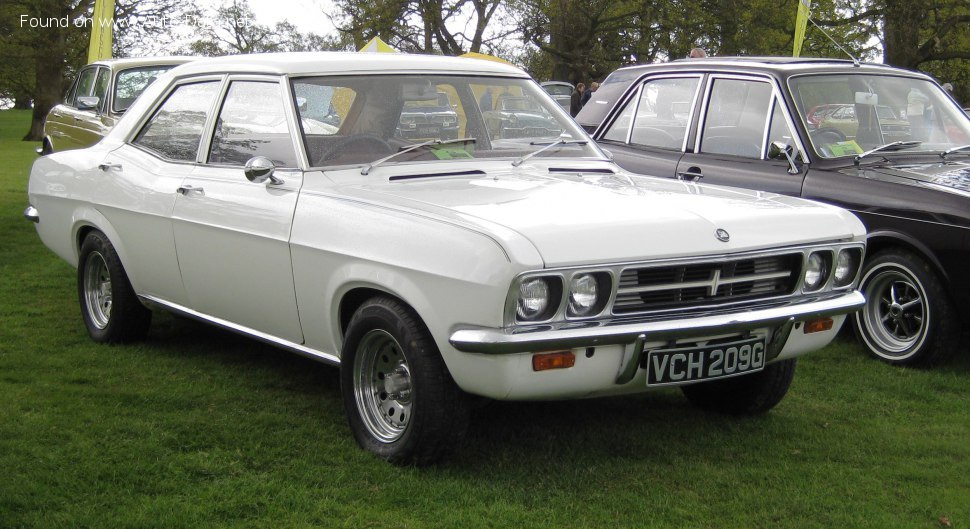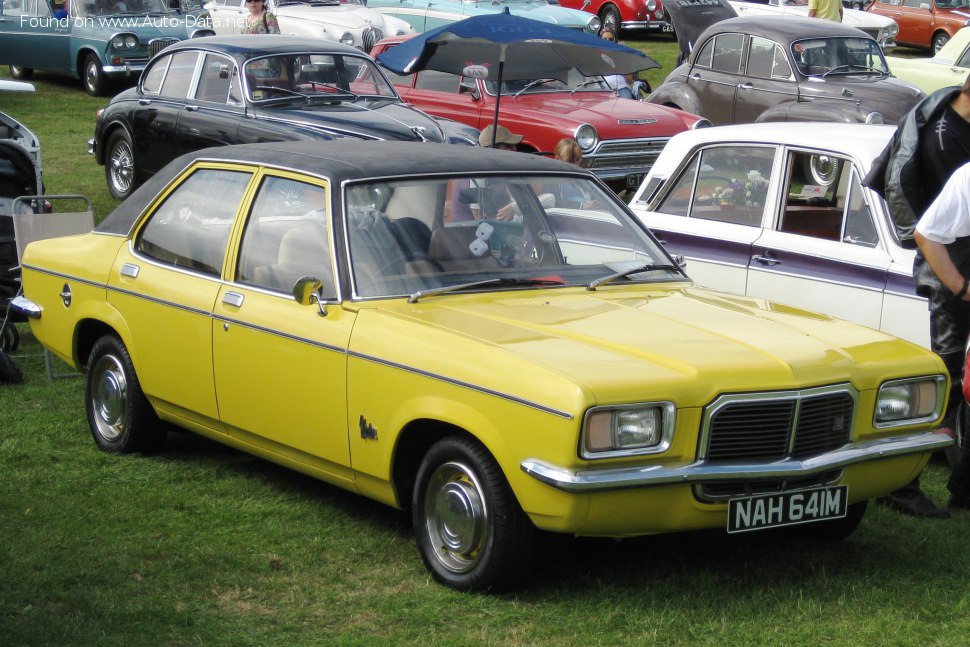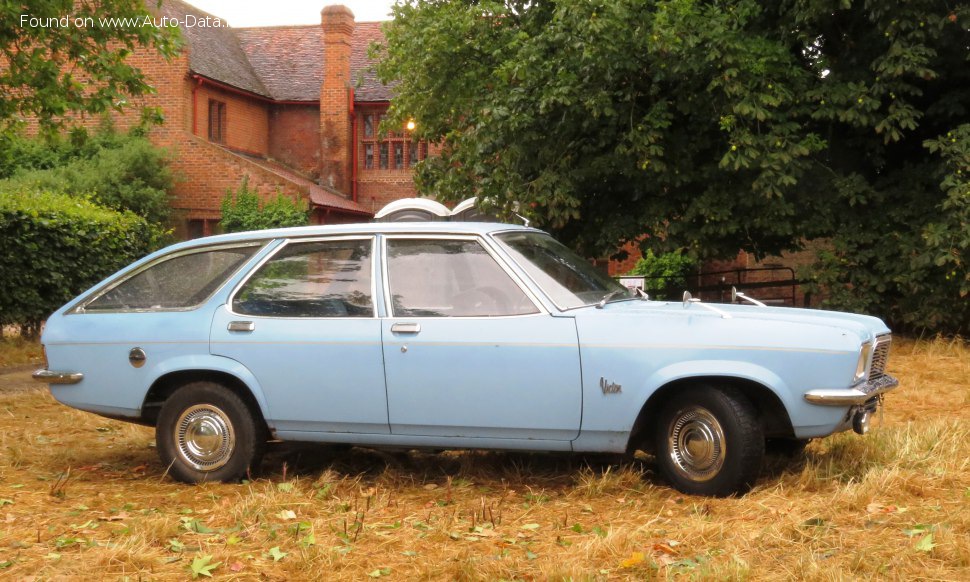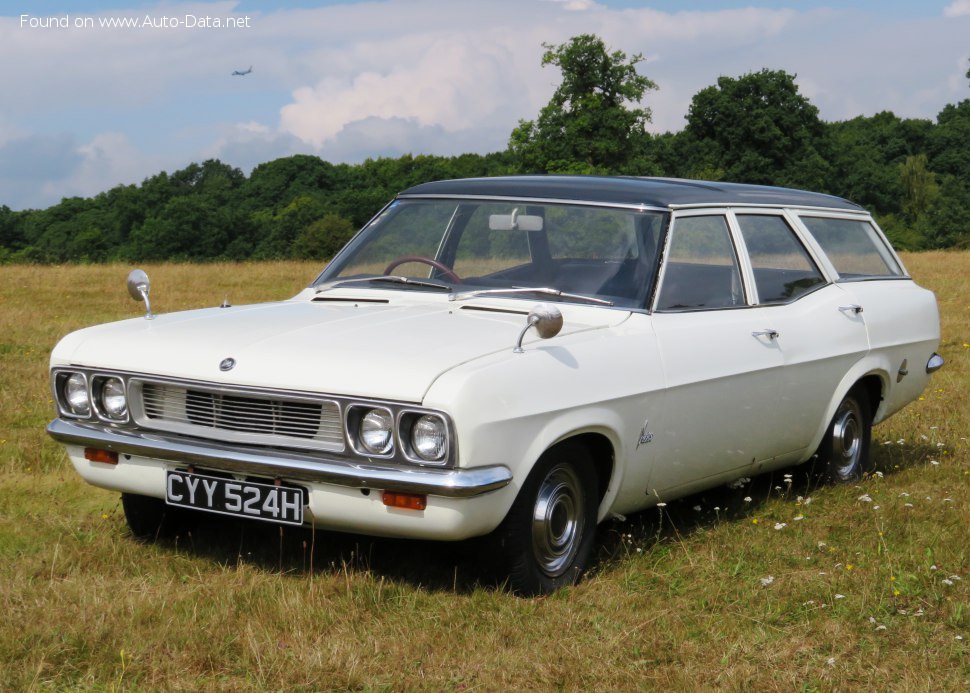
The Vauxhall Victor FD Estate 3300, produced between 1968 and 1972, represents a significant iteration of Vauxhall’s popular family car. Part of the FD series, the Estate (station wagon) variant offered increased practicality without sacrificing the comfortable ride and respectable performance that characterized the Victor line. While not officially sold in the United States, the Victor was a mainstay of the British automotive landscape, competing with models like the Ford Cortina and Morris Oxford. The FD series, and particularly the 3300 Estate, aimed to provide a spacious and reliable vehicle for the growing post-war British family, offering a blend of affordability and functionality. This model is notable for its larger engine option within the FD range, providing a noticeable performance upgrade over the smaller displacement variants.
Vauxhall Victor FD Estate 3300: A Detailed Overview
The Victor FD Estate 3300 occupied a crucial space in the British market as a family-oriented vehicle. Station wagons, known as ‘Estates’ in the UK, were highly valued for their versatility, catering to families needing ample space for luggage, leisure equipment, or work-related items. The FD series represented a substantial redesign from previous Victor models, featuring a more modern aesthetic and improved mechanical components. The 3300 variant, distinguished by its larger engine, was positioned as a premium offering within the range, appealing to buyers who desired a bit more power and refinement. The Victor’s appeal lay in its ability to provide a comfortable and practical motoring experience at a reasonable price point, making it a popular choice for middle-class families.
Engine & Performance
The heart of the Vauxhall Victor FD Estate 3300 is its 3.3-liter (3294 cm3 or 201.01 cu. in.) inline-six cylinder engine. This naturally aspirated engine produced 124 horsepower, a respectable figure for the late 1960s and early 1970s. The engine’s overhead valve (OHV) valvetrain was a common configuration for the period, offering a balance between simplicity and performance. The power output translates to a power-to-weight ratio of 8.5 kg/Hp or 117.8 Hp/tonne, providing adequate acceleration for typical driving conditions. The engine’s 37.6 Hp/l specific output indicates a reasonably efficient design for its time. Power is delivered to the rear wheels via a four-speed manual transmission, offering the driver a degree of control over the vehicle’s performance. While not a sports car, the 3300 Estate provided sufficient power for comfortable cruising and overtaking maneuvers on British roads. The engine required 5 liters (5.28 US qt / 4.4 UK qt) of engine oil and 9 liters (9.51 US qt / 7.92 UK qt) of coolant for optimal operation.
Design & Features
The Vauxhall Victor FD Estate 3300 is a five-door station wagon with a spacious interior capable of accommodating five passengers. The body style was designed to maximize cargo capacity, making it ideal for families and those requiring a versatile vehicle. The exterior styling of the FD series was characterized by clean lines and a relatively understated aesthetic, typical of British car design of the era. Chrome accents were used sparingly, adding a touch of elegance without being overly ostentatious. Inside, the cabin was functional and comfortable, with durable materials and a focus on practicality. Safety features, while limited by the standards of the time, included disc brakes on the front wheels and drum brakes on the rear, providing reasonable stopping power. The steering employed a rack and pinion system, offering precise and responsive handling. The vehicle’s dimensions – a length of 4488 mm (176.69 in.), a width of 1699 mm (66.89 in.), and a height of 1333 mm (52.48 in.) – provided a good balance between interior space and maneuverability. The wheelbase measured 2591 mm (102.01 in.), contributing to a stable ride. The front and rear track widths were 1387 mm (54.61 in.) and 1372 mm (54.02 in.) respectively, further enhancing stability. The minimum turning circle was 10.1 m (33.14 ft).
Technical Specifications
| Brand | Vauxhall |
| Model | Victor |
| Generation | Victor FD Estate |
| Type (Engine) | 3300 (124 Hp) |
| Start of production | 1968 |
| End of production | 1972 |
| Powertrain Architecture | Internal Combustion engine |
| Body type | Station wagon (estate) |
| Seats | 5 |
| Doors | 5 |
| Fuel Type | Petrol (Gasoline) |
| Weight-to-power ratio | 8.5 kg/Hp |
| Hp/tonne | 117.8 Hp/tonne |
| Power | 124 Hp |
| Power per litre | 37.6 Hp/l |
| Engine displacement | 3294 cm3 |
| Engine displacement (cu. in.) | 201.01 cu. in. |
| Number of cylinders | 6 |
| Engine configuration | Inline |
| Engine aspiration | Naturally aspirated engine |
| Valvetrain | OHV |
| Engine oil capacity | 5 l |
| Engine oil capacity (US qt) | 5.28 US qt |
| Engine oil capacity (UK qt) | 4.4 UK qt |
| Coolant | 9 l |
| Coolant (US qt) | 9.51 US qt |
| Coolant (UK qt) | 7.92 UK qt |
| Kerb Weight | 1053 kg |
| Kerb Weight (lbs) | 2321.47 lbs. |
| Length | 4488 mm |
| Length (in) | 176.69 in. |
| Width | 1699 mm |
| Width (in) | 66.89 in. |
| Height | 1333 mm |
| Height (in) | 52.48 in. |
| Wheelbase | 2591 mm |
| Wheelbase (in) | 102.01 in. |
| Front track | 1387 mm |
| Front track (in) | 54.61 in. |
| Rear track | 1372 mm |
| Rear track (in) | 54.02 in. |
| Minimum turning circle | 10.1 m |
| Minimum turning circle (ft) | 33.14 ft. |
| Drivetrain Architecture | Rear wheel drive |
| Drive wheel | Rear wheel drive |
| Number of gears | 4 |
| Gearbox type | Manual transmission |
| Front suspension | Independent coil spring |
| Front brakes | Disc |
| Rear brakes | Drum |
| Steering type | Steering rack and pinion |
The Vauxhall Victor FD Estate 3300, while a product of its time, offered a compelling package for British families. Its spacious interior, respectable performance, and relatively affordable price point made it a popular choice in a competitive market. Though largely unknown in the United States, the Victor represents a significant chapter in British automotive history, embodying the design and engineering principles of the late 1960s and early 1970s.