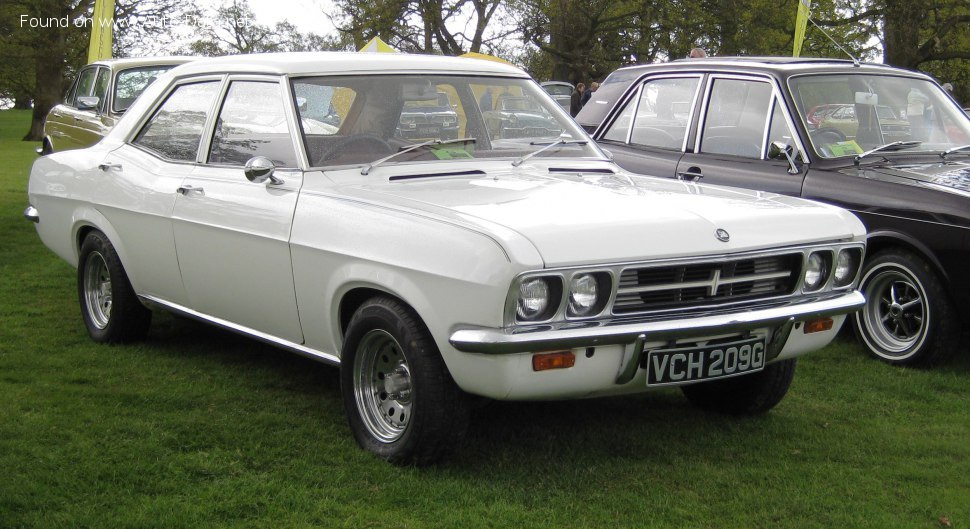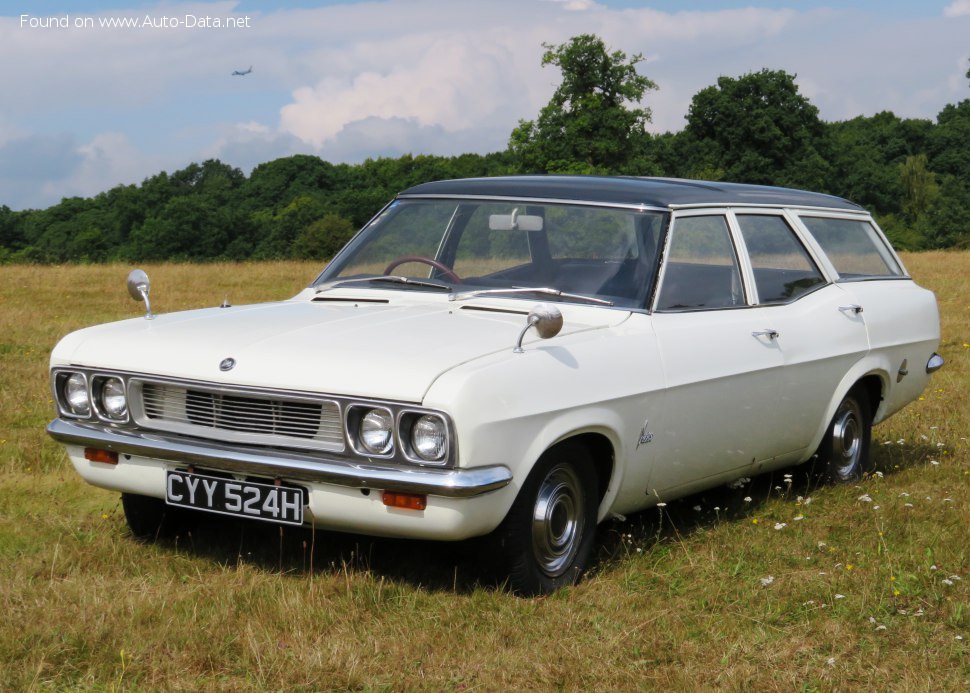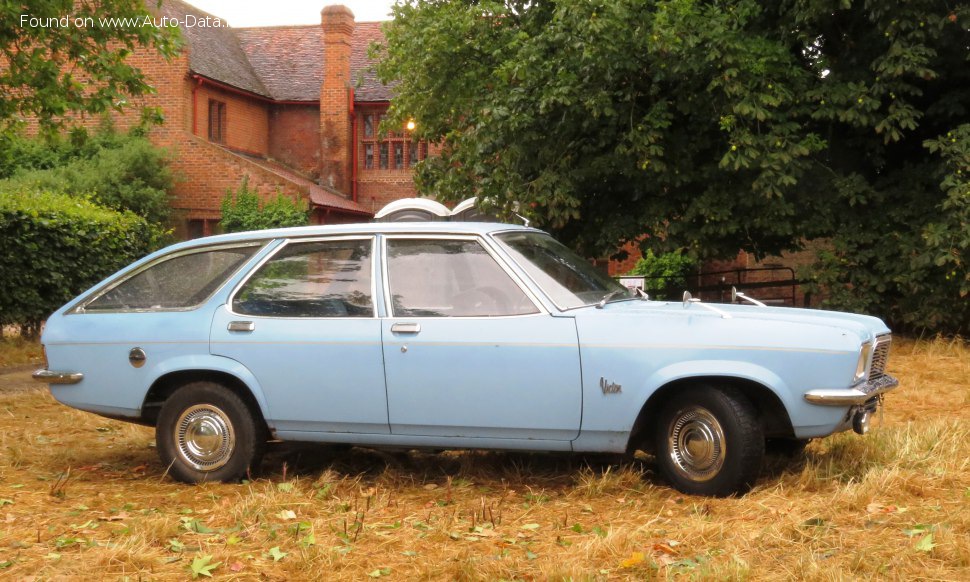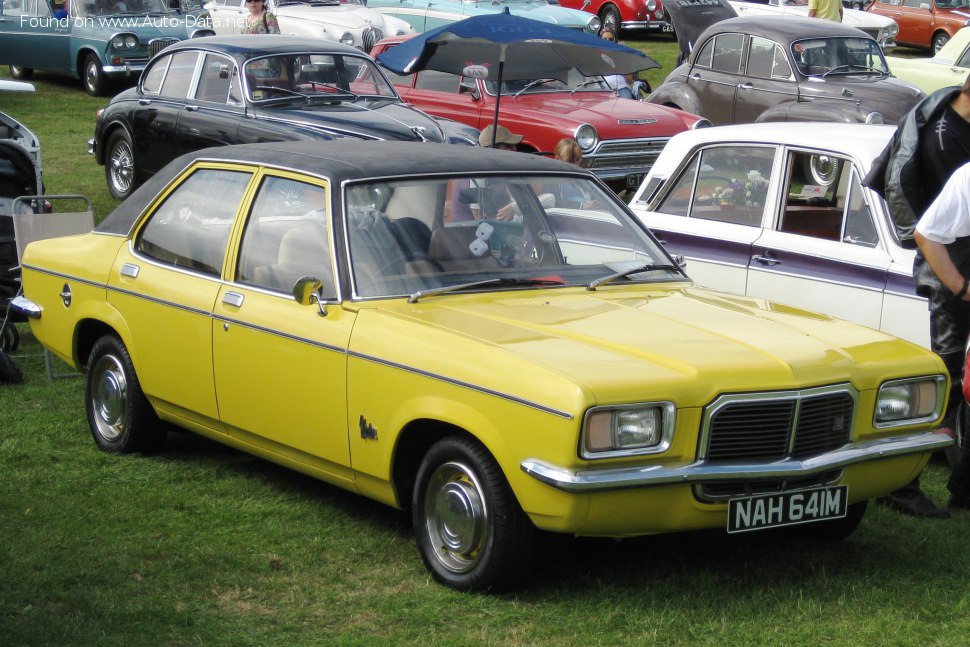
The Vauxhall Victor FE 2300, produced between 1972 and 1976, represents a significant evolution in the Victor lineage, a mainstay of British family motoring for over a decade. Positioned as a large family sedan, the FE series aimed to offer a blend of practicality, comfort, and performance at a competitive price point. While the Vauxhall brand isn’t widely recognized in the United States, it was a major player in the UK automotive market, eventually becoming part of General Motors. The Victor FE, specifically the 2300 variant, was a popular choice for those seeking a spacious and reliable vehicle for both daily commuting and longer journeys. This model occupied a similar market segment to American sedans like the Ford Fairlane or Chevrolet Chevelle, though with a distinctly British character.
Vauxhall Victor FE 2300: A Detailed Overview
The Victor FE (for Fifth Evolution) built upon the success of its predecessors, offering updated styling, improved interior appointments, and a more refined driving experience. It was a crucial model for Vauxhall, helping to maintain their position in a competitive market. The 2300 model, distinguished by its larger engine, provided a noticeable performance upgrade over the smaller-engined variants, making it a desirable option for drivers who valued a bit more power. The car’s design reflected the styling trends of the early 1970s, with a focus on clean lines and a relatively understated aesthetic.
Engine & Performance
The heart of the Victor FE 2300 is its 2.3-liter (2279 cm3 or 139.07 cu. in.) inline-four cylinder engine. This naturally aspirated powerplant produced 124 horsepower at 5500 rpm and 203 Newton-meters (149.73 lb.-ft.) of torque at 3200 rpm. While these figures might seem modest by modern standards, they provided adequate performance for the time, resulting in a power-to-weight ratio of 105.4 horsepower per tonne and a torque-to-weight ratio of 172.5 Nm per tonne. The engine featured an overhead camshaft (OHC) valvetrain and a compression ratio of 8.5:1. The 4-speed manual transmission was standard, delivering power to the rear wheels. The weight-to-power ratio of 9.5 kg/Hp indicated a reasonably efficient powertrain for its era. The engine’s relatively low-revving torque peak made it well-suited for everyday driving, providing good responsiveness without the need for constant gear changes.
Design & Features
The Vauxhall Victor FE 2300 was a four-door sedan, offering comfortable seating for four occupants. Its body style was typical of the period, characterized by a long hood, a relatively short rear deck, and a generally boxy silhouette. The car’s dimensions – 4544 mm (178.9 in.) in length, 1699 mm (66.89 in.) in width, and 1370 mm (53.94 in.) in height – provided ample interior space. The wheelbase measured 2667 mm (105 in.), contributing to a stable and comfortable ride.
Inside, the Victor FE 2300 offered a functional and reasonably well-appointed interior. While not luxurious, it provided a comfortable environment for passengers. Features included basic instrumentation, cloth upholstery, and a decent-sized trunk with a capacity of 595 liters (21.01 cu. ft.). Safety features were relatively rudimentary by today’s standards, consisting primarily of basic seatbelts. The car’s steering utilized a rack and pinion system, providing reasonably precise handling. Disc brakes were fitted to the front wheels, while drum brakes were used at the rear. The 185/70 R14 tires mounted on 14-inch wheels provided adequate grip for the car’s performance capabilities.
Technical Specifications
| General Information | |
| Brand | Vauxhall |
| Model | Victor |
| Generation | Victor FE |
| Type (Engine) | 2300 (124 Hp) |
| Start of production | 1972 |
| End of production | 1976 |
| Powertrain Architecture | Internal Combustion engine |
| Body type | Sedan |
| Seats | 4 |
| Doors | 4 |
| Performance Specs | |
| Fuel Type | Petrol (Gasoline) |
| Weight-to-power ratio | 9.5 kg/Hp |
| Hp/tonne | 105.4 Hp/tonne |
| Weight-to-torque ratio | 5.8 kg/Nm |
| Nm/tonne | 172.5 Nm/tonne |
| Engine Specs | |
| Power | 124 Hp @ 5500 rpm |
| Power per litre | 54.4 Hp/l |
| Torque | 203 Nm @ 3200 rpm / 149.73 lb.-ft. @ 3200 rpm |
| Engine displacement | 2279 cm3 / 139.07 cu. in. |
| Number of cylinders | 4 |
| Engine configuration | Inline |
| Cylinder Bore | 97.54 mm / 3.84 in. |
| Piston Stroke | 76.2 mm / 3 in. |
| Compression ratio | 8.5:1 |
| Engine aspiration | Naturally aspirated engine |
| Valvetrain | OHC |
| Engine oil capacity | 4.8 l / 5.07 US qt | 4.22 UK qt |
| Coolant | 8 l / 8.45 US qt | 7.04 UK qt |
| Space, Volume and Weights | |
| Kerb Weight | 1177 kg / 2594.84 lbs. |
| Trunk (boot) space – maximum | 595 l / 21.01 cu. ft. |
| Fuel tank capacity | 65 l / 17.17 US gal | 14.3 UK gal |
| Dimensions | |
| Length | 4544 mm / 178.9 in. |
| Width | 1699 mm / 66.89 in. |
| Height | 1370 mm / 53.94 in. |
| Wheelbase | 2667 mm / 105 in. |
| Front track | 1427 mm / 56.18 in. |
| Rear (Back) track | 1407 mm / 55.39 in. |
| Minimum turning circle (turning diameter) | 10.7 m / 35.1 ft. |
| Drivetrain, Brakes and Suspension Specs | |
| Drivetrain Architecture | ICE, RWD |
| Drive wheel | Rear wheel drive |
| Number of gears and type of gearbox | 4 gears, manual transmission |
| Front brakes | Disc |
| Rear brakes | Drum |
| Steering type | Steering rack and pinion |
| Tires size | 185/70 R14 |
| Wheel rims size | 14 |
The Vauxhall Victor FE 2300, while not a performance icon, represented a solid and dependable family car of its time. Its blend of practicality, affordability, and reasonable performance made it a popular choice in the UK and other European markets. Though largely forgotten outside of its home market, the Victor FE remains a significant example of British automotive engineering from the 1970s.