The Vauxhall Viva HB 1600 represents a significant evolution of the original Viva, a compact car first introduced by Vauxhall in 1963. Produced between 1968 and 1970, the HB series, and specifically the 1600 variant, aimed to address criticisms of the initial Viva’s performance and practicality. While Vauxhall is a British marque, the Viva HB was never officially sold in the United States. However, understanding its place in the British automotive landscape of the late 1960s provides insight into the era’s focus on affordable, reliable transportation. The Viva HB 1600 occupied the small family car segment, competing with vehicles like the Ford Cortina and Hillman Imp, offering a step up in engine size and refinement compared to the earlier, smaller-engined Vivas.
Vauxhall Viva HB 1600: A British Compact
The Viva HB marked a substantial redesign of the original Viva, moving away from the styling influenced by American cars of the early 1960s towards a more contemporary, European aesthetic. The “HB” designation signifies the second generation of the Viva line. The 1600 model, distinguished by its larger engine, was introduced to provide buyers with a more powerful and capable option. This engine upgrade was a direct response to consumer demand for improved performance, particularly when carrying passengers or navigating hilly terrain. The Viva HB, in all its variants, was a popular choice for British families seeking an economical and dependable vehicle.
Engine & Performance
The heart of the Viva HB 1600 is its 1.6-liter, naturally aspirated inline-four cylinder engine. This engine produced 72 horsepower, a notable increase over the smaller engines available in earlier Viva models. While not a high-performance vehicle by modern standards, the 1600 engine provided a significant improvement in acceleration and cruising ability. The engine utilized a single carburetor and a relatively low compression ratio, typical for the era, prioritizing reliability and fuel economy over outright power. The powertrain was coupled with a four-speed manual transmission, delivering power to the rear wheels. The rear-wheel-drive configuration was standard for British cars of this period, offering predictable handling characteristics. Performance figures, while not extensively documented, suggest a 0-60 mph time of around 16-18 seconds and a top speed of approximately 85-90 mph. The engine’s design focused on durability and ease of maintenance, reflecting the practical needs of its target market.
Design & Features
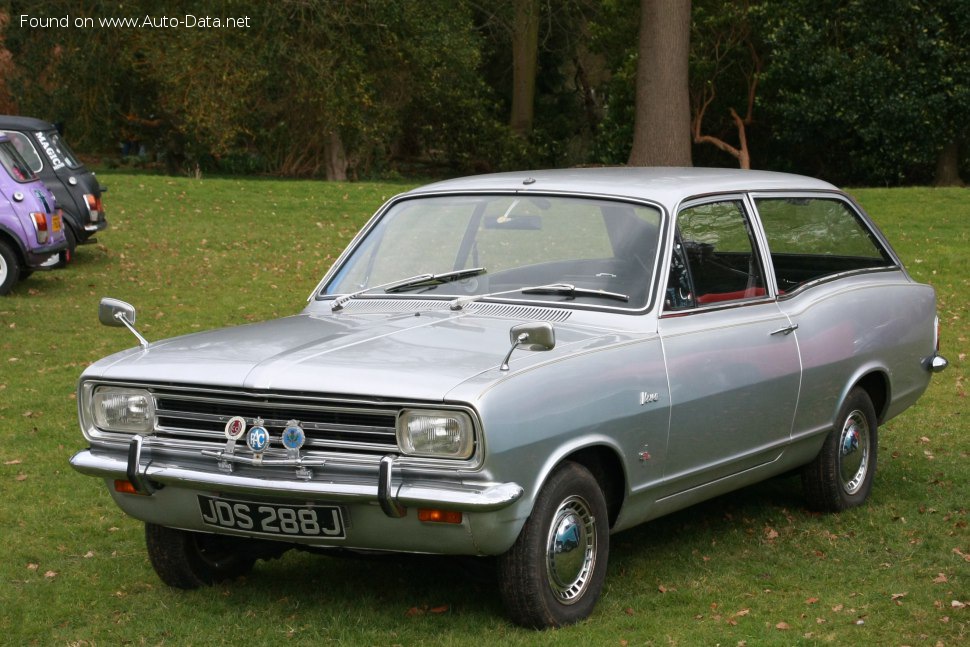
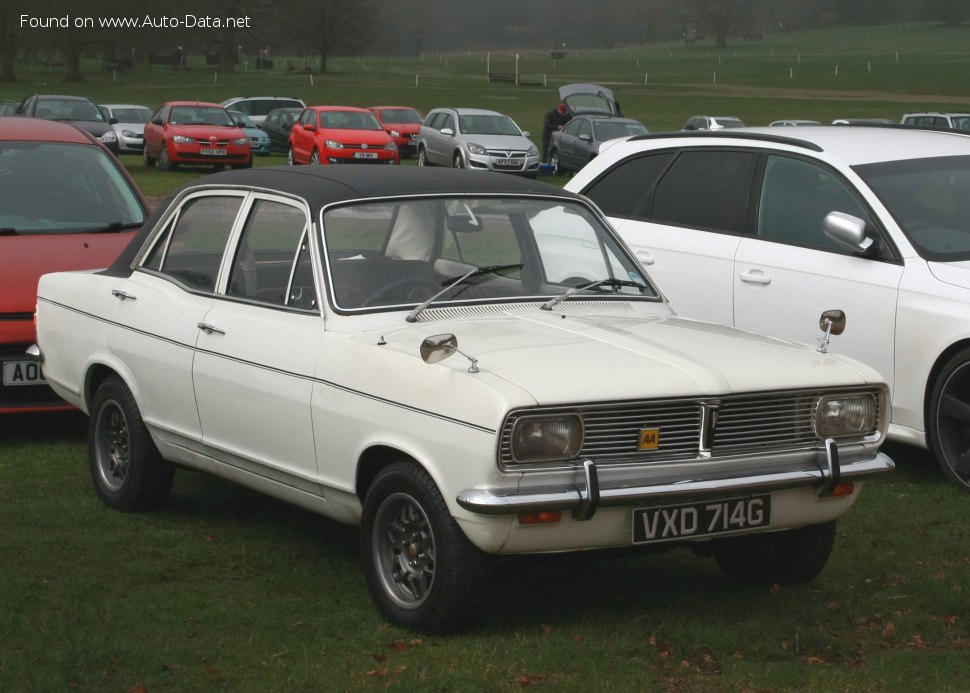
The Vauxhall Viva HB 1600 was available in both two-door and four-door sedan body styles, offering buyers a choice based on their needs and preferences. The car’s styling was characterized by clean lines, a relatively boxy silhouette, and a prominent front grille. The interior was functional and straightforward, prioritizing practicality over luxury. Seating for four passengers was standard, with a relatively spacious cabin for a car of its size. Features were modest by today’s standards, but included features common for the late 1960s, such as a heater, windscreen wipers, and basic instrumentation. Safety features were limited, reflecting the prevailing standards of the time; seatbelts were not standard equipment on all models. The suspension system consisted of independent front suspension with coil springs and a live axle with leaf springs at the rear. This setup provided a comfortable ride, although handling was not particularly sporty. The Viva HB’s design represented a pragmatic approach to automotive engineering, focusing on affordability, reliability, and ease of use.
Legacy and Impact
The Vauxhall Viva HB, while not a groundbreaking vehicle, played an important role in the British automotive market. It provided affordable transportation for a large segment of the population and helped establish Vauxhall as a major player in the compact car segment. The 1600 variant, in particular, addressed criticisms of the earlier Viva’s performance, making it a more appealing option for buyers who needed a bit more power. The Viva HB paved the way for subsequent generations of the Viva, which continued to evolve and adapt to changing market demands. Although never sold in the US, the Viva HB represents a significant chapter in British automotive history, reflecting the design trends and engineering priorities of the late 1960s.
Technical Specifications
| Brand | Vauxhall |
| Model | Viva |
| Generation | Viva HB |
| Type (Engine) | 1600 (72 Hp) |
| Start of production | 1968 |
| End of production | 1970 |
| Powertrain Architecture | Internal Combustion engine |
| Body type | Sedan |
| Seats | 4 |
| Doors | 2-4 |
| Fuel Type | Petrol (Gasoline) |
| Power | 72 Hp |
| Engine aspiration | Naturally aspirated engine |
| Engine oil capacity | 4.7 l / 4.97 US qt / 4.14 UK qt |
| Coolant capacity | 7.4 l / 7.82 US qt / 6.51 UK qt |
| Drivetrain Architecture | Rear wheel drive |