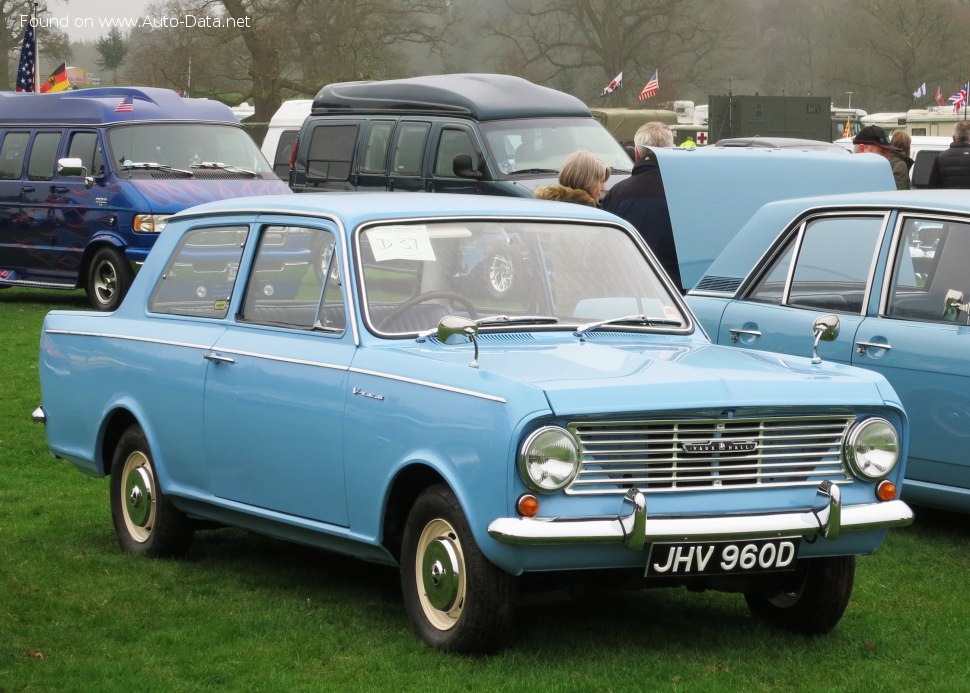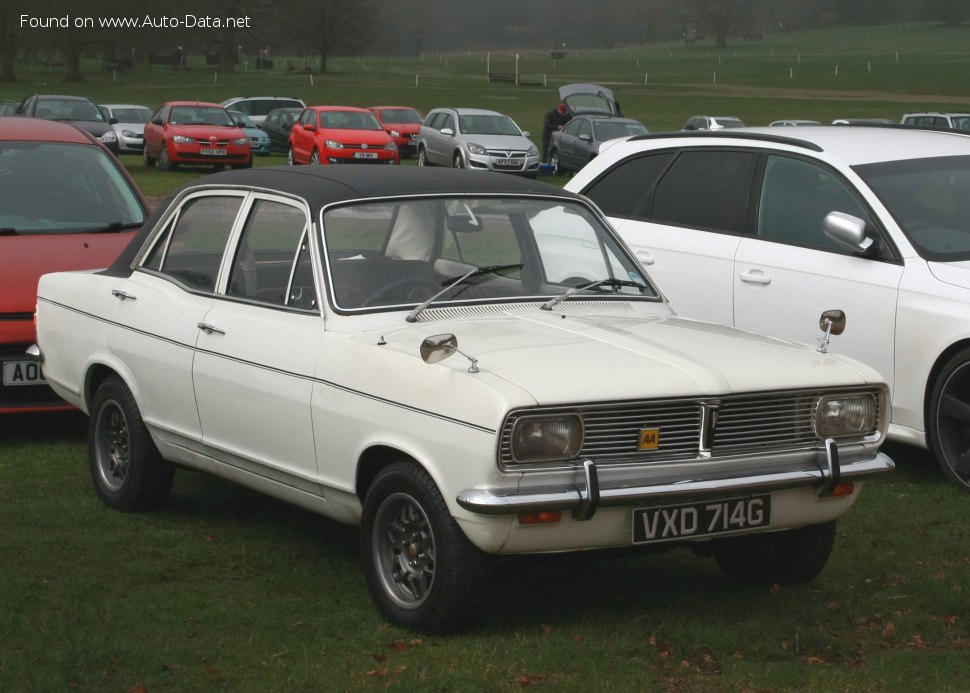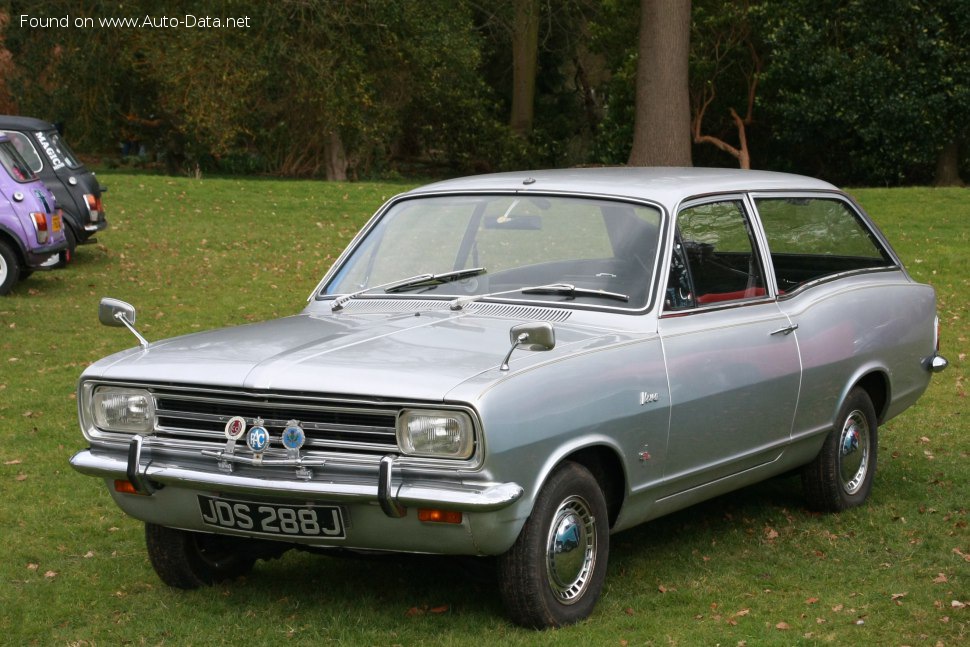
The Vauxhall Viva HB Estate 1100 SL90, produced between 1966 and 1970, represents a significant iteration of Vauxhall’s popular supermini. Part of the broader Viva HB range, the Estate (station wagon) variant offered increased practicality for families and those requiring additional cargo space. Positioned as an affordable and economical vehicle, the Viva HB competed with other small family cars in the United Kingdom and select export markets. While not officially sold in the United States, understanding the Viva HB provides insight into the British automotive landscape of the 1960s and the evolution of compact car design.
Vauxhall Viva HB Estate: A Detailed Overview
The Viva HB Estate built upon the success of the original Viva, launched in 1963. The HB series, introduced in 1966, featured a more refined design and improved mechanical components. The Estate body style, characterized by its extended roofline and larger rear opening, was a direct response to consumer demand for a more versatile version of the Viva. It offered a practical alternative to larger, more expensive family cars, appealing to a broad demographic seeking affordable transportation.
Engine & Performance
The 1100 SL90 variant of the Viva HB Estate was powered by a 1.2-liter (1159 cc) inline-four cylinder engine. This naturally aspirated engine produced 60 horsepower at its peak, delivering a modest but adequate level of performance for its intended purpose. The engine featured an overhead valve (OHV) valvetrain and a compression ratio of 8.5:1. Torque output was rated at 84 Nm (61.96 lb.-ft.) at 2800 rpm, providing sufficient pulling power for everyday driving. The engine’s power-to-weight ratio was 14.2 kg/Hp, and 70.5 Hp/tonne, reflecting the car’s lightweight construction. Power per litre was 51.8 Hp/l. Power was delivered to the rear wheels via a four-speed manual transmission. While not a performance car, the Viva HB Estate 1100 SL90 offered reasonable acceleration and cruising ability for its time. The weight-to-torque ratio of 10.1 kg/Nm and 98.7 Nm/tonne further illustrates the engine’s usability in real-world conditions.
Design & Features
The Vauxhall Viva HB Estate was a three-door station wagon with seating for five passengers. Its body style was defined by its extended roofline, providing ample headroom and cargo capacity. The design was relatively simple and functional, reflecting the car’s focus on affordability and practicality. Exterior features included a chrome grille, round headlights, and modest trim. Inside, the Viva HB Estate offered a basic but comfortable interior. The dashboard was straightforward, with simple gauges and controls. The seats were upholstered in durable fabric. Safety features were limited by the standards of the 1960s, typically consisting of seatbelts and a steering column-mounted gear lever to reduce injury in a collision. The car’s relatively small size and light weight contributed to its maneuverability and ease of parking. The Estate’s large rear opening and folding rear seats provided excellent access to the cargo area, making it a practical choice for families and those needing to transport bulky items.
Heritage and Mechanical Impact
The Viva HB, and particularly the Estate variant, played a crucial role in democratizing car ownership in Britain. It provided affordable and reliable transportation to a wider segment of the population. The car’s simple mechanical design made it relatively easy to maintain and repair, contributing to its popularity. The Viva HB also served as a platform for Vauxhall to refine its manufacturing processes and introduce new technologies. While not groundbreaking in terms of innovation, the Viva HB represented a significant step forward in terms of affordability, practicality, and reliability for British motorists. It helped establish Vauxhall as a major player in the British automotive industry and paved the way for future models.
Technical Specifications
| Brand | Vauxhall |
| Model | Viva |
| Generation | Viva HB Estate |
| Type (Engine) | 1100 SL90 (60 Hp) |
| Start of production | 1966 |
| End of production | 1970 |
| Powertrain Architecture | Internal Combustion engine |
| Body type | Station wagon (estate) |
| Seats | 5 |
| Doors | 3 |
| Fuel Type | Petrol (Gasoline) |
| Weight-to-power ratio | 14.2 kg/Hp |
| Hp/tonne | 70.5 Hp/tonne |
| Weight-to-torque ratio | 10.1 kg/Nm |
| Nm/tonne | 98.7 Nm/tonne |
| Power | 60 Hp |
| Power per litre | 51.8 Hp/l |
| Torque | 84 Nm @ 2800 rpm / 61.96 lb.-ft. @ 2800 rpm |
| Engine displacement | 1159 cm3 / 70.73 cu. in. |
| Number of cylinders | 4 |
| Engine configuration | Inline |
| Cylinder Bore | 77.7 mm / 3.06 in. |
| Piston Stroke | 61 mm / 2.4 in. |
| Compression ratio | 8.5:1 |
| Engine aspiration | Naturally aspirated engine |
| Valvetrain | OHV |
| Kerb Weight | 851 kg / 1876.13 lbs. |
| Max. weight | 1279 kg / 2819.71 lbs. |
| Max load | 428 kg / 943.58 lbs. |
| Fuel tank capacity | 36.37 l / 9.61 US gal | 8 UK gal |
| Length | 4104 mm / 161.57 in. |
| Width | 1600 mm / 62.99 in. |
| Height | 1349 mm / 53.11 in. |
| Wheelbase | 2433 mm / 95.79 in. |
| Front track | 1295 mm / 50.98 in. |
| Rear (Back) track | 1295 mm / 50.98 in. |
| Drivetrain Architecture | The Internal combustion engine (ICE) drives the rear wheels of the vehicle. |
| Drive wheel | Rear wheel drive |
| Number of gears and type of gearbox | 4 gears, manual transmission |