The Vauxhall Viva HB 2000 GT, produced between 1968 and 1970, represents a significant evolution of the original Viva, launched in 1963. Positioned as a small family car, the Viva HB aimed to provide affordable transportation within the United Kingdom. The 2000 GT variant, distinguished by its more powerful engine, was intended to appeal to drivers seeking a slightly sportier experience within the constraints of the compact car segment. While Vauxhall, as a brand, wasn’t directly sold in the United States, understanding the Viva HB provides insight into the British automotive landscape of the late 1960s and the development of small, economical vehicles during that era. The HB series was a crucial step in Vauxhall’s attempt to modernize its lineup and compete with increasingly popular foreign imports.
Vauxhall Viva HB 2000 GT: A Detailed Overview
The Viva HB represented a substantial redesign of the original Viva. While retaining the basic layout – a rear-wheel-drive, compact sedan – the HB featured a more modern appearance, improved interior space, and, crucially, a wider range of engine options. The 2000 GT, the focus of this article, was the performance-oriented version, utilizing a larger engine than the standard models. This model aimed to offer a balance between practicality and driving enjoyment, a common goal for manufacturers in the late 1960s. The car’s relatively low price point made it accessible to a broad segment of the British population, contributing to its commercial success.
Engine & Performance
The heart of the Viva HB 2000 GT is its 2.0-liter, naturally aspirated inline-four engine. This engine produced 106 horsepower, a considerable figure for a car of this size and weight in the late 1960s. While not a high-performance machine by modern standards, the 2000 GT offered a noticeable improvement in acceleration and cruising ability compared to the lower-powered Viva variants. The engine was paired with a four-speed manual transmission, delivering power to the rear wheels. The rear-wheel-drive configuration, while common at the time, contributed to the car’s handling characteristics, offering a more engaging driving experience than front-wheel-drive alternatives. Performance figures, while not extensively documented, suggest a 0-60 mph time in the region of 12-14 seconds and a top speed of around 90 mph. The engine’s relatively simple design ensured reliability and ease of maintenance, important considerations for owners in the 1960s.
Design & Features
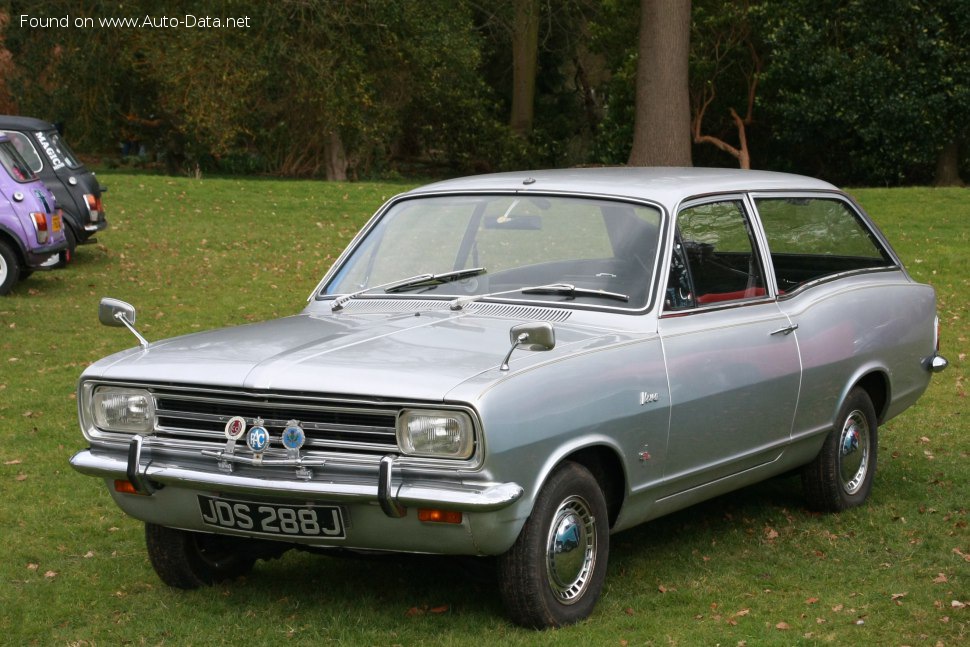
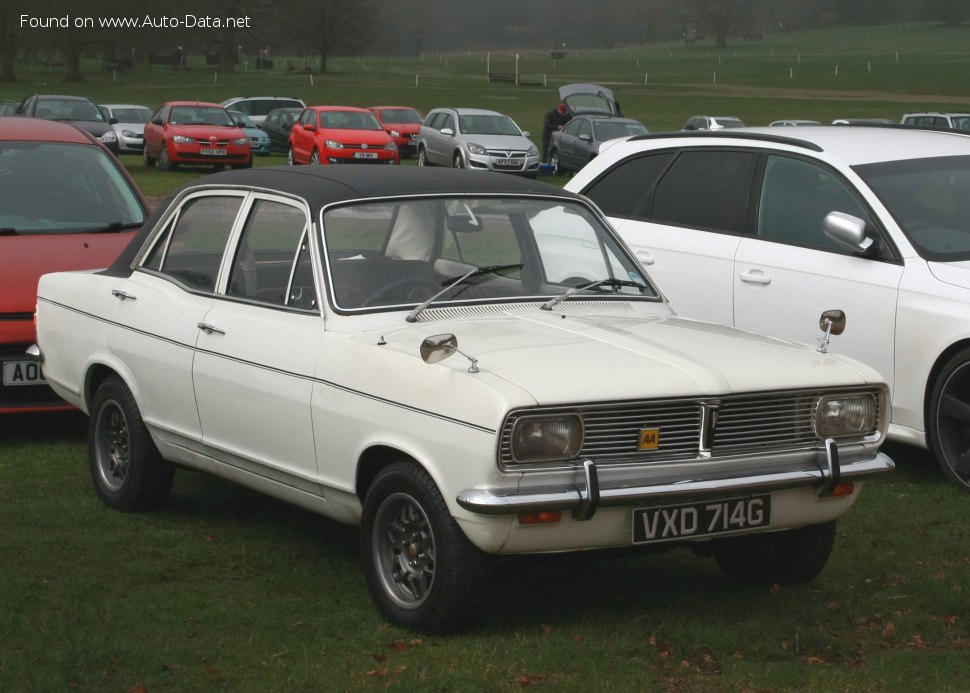
The Viva HB 2000 GT was a two-door sedan with seating for four passengers. Its styling reflected the design trends of the late 1960s, featuring a relatively boxy silhouette with rounded edges. The front end was characterized by a simple grille and headlights, while the rear featured prominent tail lights. The 2000 GT variant often included cosmetic enhancements, such as chrome trim and distinctive badging, to differentiate it from the standard models. Inside, the Viva HB offered a functional and relatively comfortable cabin. The interior was typically trimmed with cloth upholstery, and the dashboard featured basic instrumentation, including a speedometer, fuel gauge, and temperature gauge. Safety features were limited by the standards of the time, with seat belts being the primary safety equipment. The car’s compact dimensions made it easy to maneuver in urban environments, while its rear-wheel-drive layout provided reasonable handling characteristics. The Viva HB was designed to be a practical and affordable family car, prioritizing functionality and reliability over luxury or performance.
Legacy and Impact
The Vauxhall Viva HB, and particularly the 2000 GT variant, played a significant role in the British automotive market during its production run. It offered a compelling combination of affordability, practicality, and a degree of sporting appeal. While not a groundbreaking vehicle in terms of technology or design, the Viva HB represented a solid and reliable option for British motorists. It helped to establish Vauxhall as a major player in the small car segment and paved the way for future models. The car’s enduring popularity among classic car enthusiasts is a testament to its simple design, ease of maintenance, and nostalgic appeal. The Viva HB also reflects the broader trends in the automotive industry of the late 1960s, including the growing demand for smaller, more fuel-efficient vehicles and the increasing emphasis on practicality and affordability.
Technical Specifications
| Brand | Vauxhall |
| Model | Viva |
| Generation | Viva HB |
| Type (Engine) | 2000 GT (106 Hp) |
| Start of production | 1968 |
| End of production | 1970 |
| Powertrain Architecture | Internal Combustion engine |
| Body type | Sedan |
| Seats | 4 |
| Doors | 2 |
| Fuel Type | Petrol (Gasoline) |
| Power | 106 Hp |
| Engine aspiration | Naturally aspirated engine |
| Engine oil capacity | 4.6 l / 4.86 US qt / 4.05 UK qt |
| Coolant capacity | 5.2 l / 5.49 US qt / 4.58 UK qt |
| Length | 4094 mm / 161.18 in. |
| Width | 1600 mm / 62.99 in. |
| Height | 1338 mm / 52.68 in. |
| Wheelbase | 2433 mm / 95.79 in. |
| Drivetrain Architecture | Rear wheel drive. Internal Combustion engine (ICE) drives the rear wheels. |