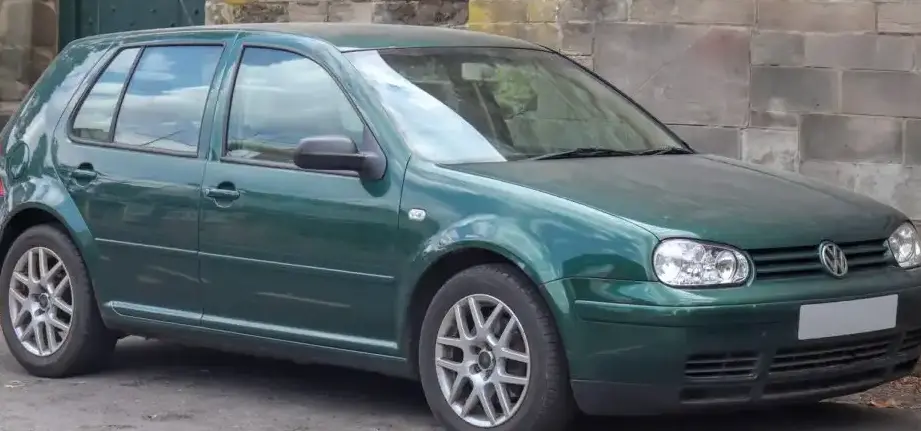
The Volkswagen Golf IV 1.9 TDI 4motion, produced from 1999 to 2000, represents a significant iteration within the fourth generation (Mk IV) Golf lineup. Built on the 1J platform, this variant combined Volkswagen’s renowned diesel engine technology with their 4motion all-wheel-drive system, offering a practical and capable hatchback primarily aimed at the European market. While the Golf IV was sold in North America, the 1.9 TDI 4motion was not officially offered, making it a relatively rare import and a sought-after vehicle among enthusiasts. This model occupied a mid-to-upper position within the Golf IV range, appealing to drivers seeking enhanced traction and fuel efficiency without sacrificing everyday usability.
Technical Specifications
| Brand | Volkswagen |
| Model | Golf |
| Generation | Golf IV |
| Type (Engine) | 1.9 TDI (115 Hp) 4motion |
| Start of production | 1999 |
| End of production | 2000 |
| Powertrain Architecture | Internal Combustion engine |
| Body type | Hatchback |
| Fuel Type | Diesel |
| Power | 115 Hp |
| Engine Model/Code | AJM, AUY |
| Fuel injection system | Pump-nozzle (Unit Injector) |
| Engine aspiration | Turbocharger, Intercooler |
| Engine oil capacity | 4 l (4.23 US qt | 3.52 UK qt) |
| Coolant capacity | 6 l (6.34 US qt | 5.28 UK qt) |
Powertrain & Engine Architecture
The heart of the Golf IV 1.9 TDI 4motion is the 1.9-liter inline-four cylinder diesel engine, designated with engine codes AJM and AUY. These engines belong to the Volkswagen Group’s series of direct-injection diesel engines, utilizing a pump-nozzle (unit injector) fuel injection system developed by Bosch. This system, a step up from earlier indirect injection diesels, allowed for higher injection pressures and more precise fuel delivery, resulting in improved combustion efficiency, reduced emissions, and increased power output. The engine features a single overhead camshaft (SOHC) operating two valves per cylinder. A turbocharger with an intercooler is employed to further boost power and torque. The intercooler cools the compressed air from the turbocharger, increasing its density and improving engine performance. The 4motion system is a viscous coupling-based all-wheel-drive system, providing full-time all-wheel drive without driver intervention. It directs power to the rear wheels when slip is detected at the front, enhancing traction in adverse conditions.
Driving Characteristics
The 115 horsepower and approximately 236 lb-ft of torque produced by the 1.9 TDI engine provided a good balance of performance and fuel economy. While not a sports car, the Golf IV 1.9 TDI 4motion offered brisk acceleration and ample power for everyday driving, even when fully loaded. The 4motion system significantly improved grip, particularly on slippery surfaces like snow or wet roads. Compared to front-wheel-drive Golf IV models, the 4motion version exhibited reduced understeer and more neutral handling. The engine’s torque curve was relatively flat, providing strong pulling power across a wide range of engine speeds. The gear ratios were geared towards fuel efficiency and usability, rather than outright performance. While a manual transmission was available on other Golf IV TDI models, the 4motion variant was typically paired with a four-speed automatic transmission. This automatic, while smooth in operation, did slightly diminish performance compared to a manual gearbox, and some drivers found it less responsive.
Equipment & Trim Levels
The Golf IV 1.9 TDI 4motion was generally offered in well-equipped trim levels, often corresponding to the “Highline” or “Comfortline” specifications in European markets. Standard features typically included central locking, electric windows, power steering, ABS brakes, and an air conditioning system. Interior upholstery was usually cloth, with options for leather available. The dashboard featured a straightforward layout with clear instrumentation. Optional extras included a sunroof, alloy wheels, a CD stereo system, and heated front seats. The 4motion badge was prominently displayed on the rear of the vehicle, signifying its all-wheel-drive capability. Safety features included dual front airbags and side airbags, depending on the specific market and trim level.
Chassis & Braking
The Golf IV’s chassis comprised independent suspension at the front (MacPherson struts) and a semi-independent torsion beam suspension at the rear. The 4motion models often featured slightly stiffer suspension components to accommodate the added weight of the all-wheel-drive system and to improve handling. Braking systems varied depending on the trim level and market. Lower-spec models typically had disc brakes at the front and drum brakes at the rear, while higher-spec models featured disc brakes all around. ABS (Anti-lock Braking System) was standard on all 4motion models. Stabilizer bars were fitted to both the front and rear axles to reduce body roll during cornering. The steering was power-assisted, providing light and precise control.
Market Reception & Comparison
The Golf IV 1.9 TDI 4motion was generally well-received by automotive critics for its combination of fuel efficiency, practicality, and all-weather capability. It was praised for its comfortable ride, spacious interior, and robust build quality. Compared to other Golf IV variants, the 1.9 TDI 4motion offered superior traction and stability, making it a popular choice for drivers in regions with harsh winters or challenging road conditions. Fuel economy was a significant selling point, with the 1.9 TDI engine consistently achieving impressive mileage figures. Compared to the more powerful VR6 models, the 1.9 TDI 4motion was more affordable to run and maintain, although it lacked the VR6’s outright performance. Compared to the 1.9 TDI front-wheel-drive models, the 4motion version commanded a premium price due to the added complexity and cost of the all-wheel-drive system.
Legacy
The Golf IV 1.9 TDI 4motion has proven to be a durable and reliable vehicle, with many examples still on the road today. The 1.9 TDI engine is known for its longevity and relatively simple mechanical design, making it easier and less expensive to maintain than more complex engines. However, like all diesel engines, it is susceptible to issues related to the fuel injection system and turbocharger. The 4motion system is generally reliable, but the viscous coupling may require replacement after a certain mileage. In the used car market, the Golf IV 1.9 TDI 4motion holds a relatively high value, particularly among enthusiasts who appreciate its unique combination of features and its reputation for reliability. Its rarity in North America further contributes to its desirability. The Golf IV 1.9 TDI 4motion remains a testament to Volkswagen’s engineering prowess and its commitment to producing practical, efficient, and capable vehicles.