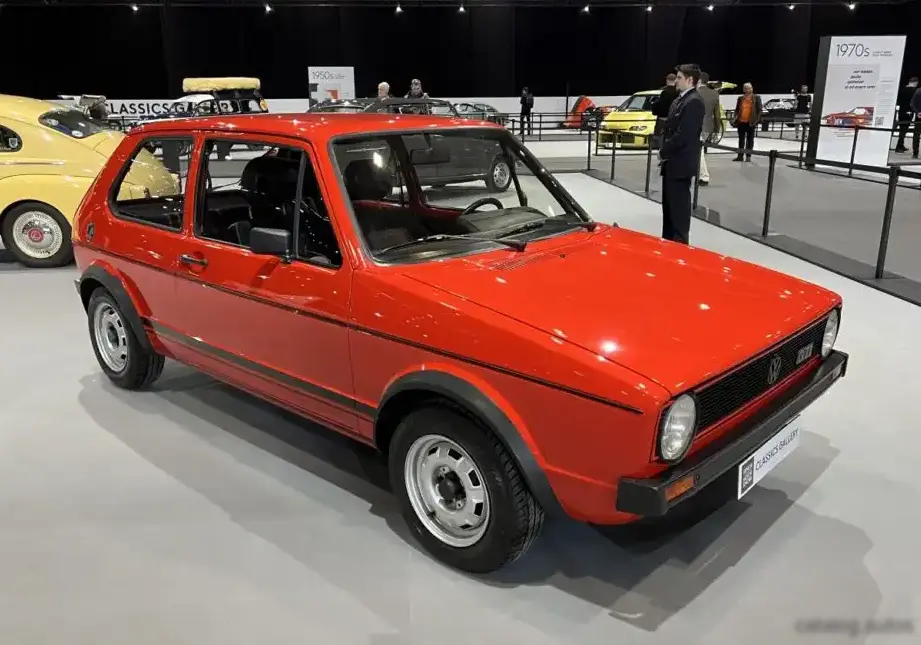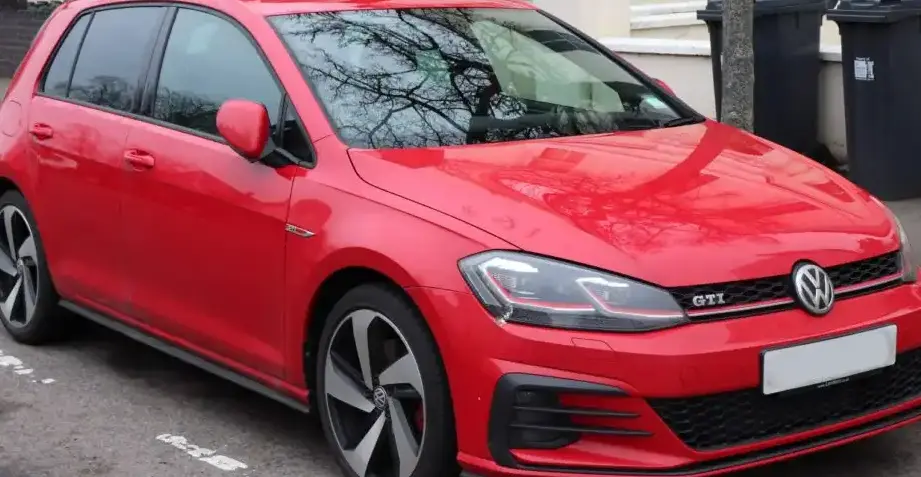
The Volkswagen Golf VII, produced from 2012 to 2014, represented a significant evolution of Volkswagen’s iconic hatchback. Among the various engine and transmission combinations offered, the 1.4 TSI (140 hp) with Active Cylinder Technology (ACT) and a 7-speed Dual Clutch Gearbox (DSG) occupied a key position in the lineup. This variant aimed to balance performance, fuel efficiency, and modern technology, appealing to a broad range of buyers seeking a refined and practical compact car. It was built on the Volkswagen Group’s MQB (Modular Transverse Matrix) platform, also known as the A3 platform, shared with models like the Audi A3 and SEAT Leon.
Technical Specifications
| Brand | Volkswagen |
| Model | Golf |
| Generation | Golf VII (5-door) |
| Type (Engine) | 1.4 TSI (140 Hp) ACT DSG |
| Start of production | 2012 |
| End of production | 2014 |
| Powertrain Architecture | Internal Combustion engine |
| Body type | Hatchback |
| Seats | 5 |
| Doors | 5 |
| Fuel consumption (urban) | 5.8 l/100 km (40.6 US mpg, 48.7 UK mpg, 17.2 km/l) |
| Fuel consumption (extra urban) | 4.1 l/100 km (57.4 US mpg, 68.9 UK mpg, 24.4 km/l) |
| Fuel consumption (combined) | 4.7 l/100 km (50 US mpg, 60.1 UK mpg, 21.3 km/l) |
| Fuel Type | Petrol (Gasoline) |
| Acceleration 0 – 100 km/h | 8.4 sec |
| Acceleration 0 – 62 mph | 8.4 sec |
| Acceleration 0 – 60 mph | 8 sec |
| Maximum speed | 212 km/h (131.73 mph) |
| Weight-to-power ratio | 9.2 kg/Hp, 108.5 Hp/tonne |
| Weight-to-torque ratio | 5.2 kg/Nm, 193.8 Nm/tonne |
| Power | 140 Hp @ 4500-6000 rpm |
| Power per litre | 100.4 Hp/l |
| Torque | 250 Nm @ 1500-3500 rpm (184.39 lb.-ft. @ 1500-3500 rpm) |
| Engine layout | Front, Transverse |
| Engine Model/Code | CHPA |
| Engine displacement | 1395 cm3 (85.13 cu. in.) |
| Number of cylinders | 4 |
| Engine configuration | Inline |
| Fuel injection system | Direct injection |
| Engine aspiration | Turbocharger, Intercooler |
| Engine oil capacity | 4 l (4.23 US qt | 3.52 UK qt) |
| Kerb Weight | 1290 kg (2843.96 lbs.) |
| Max. weight | 1800 kg (3968.32 lbs.) |
| Max load | 510 kg (1124.36 lbs.) |
| Trunk (boot) space – minimum | 380 l (13.42 cu. ft.) |
| Trunk (boot) space – maximum | 1270 l (44.85 cu. ft.) |
| Fuel tank capacity | 50 l (13.21 US gal | 11 UK gal) |
| Length | 4255 mm (167.52 in.) |
| Width | 1799 mm (70.83 in.) |
| Height | 1452 mm (57.17 in.) |
| Wheelbase | 2637 mm (103.82 in.) |
| Front track | 1549 mm (60.98 in.) |
| Rear (Back) track | 1520 mm (59.84 in.) |
| Minimum turning circle | 10.9 m (35.76 ft.) |
| Drivetrain Architecture | The Internal combustion engine (ICE) drives the front wheels of the vehicle. |
| Drive wheel | Front wheel drive |
| Number of gears and type of gearbox | 7 gears, automatic transmission DSG |
| Front brakes | Ventilated discs |
| Assisting systems | ABS (Anti-lock braking system) |
| Steering type | Steering rack and pinion |
| Power steering | Electric Steering |
INTRODUCTION
The Golf VII 1.4 TSI ACT DSG was positioned as a mid-range offering within the seventh-generation Golf lineup. It slotted between the entry-level 1.2 TSI models and the more powerful 1.8 TSI and diesel variants. This configuration aimed to provide a compelling blend of efficiency and performance, making it a popular choice for drivers prioritizing everyday usability and reasonable running costs. Production of this specific variant spanned from 2012 to 2014, coinciding with the initial launch phase of the Golf VII.
Powertrain & Engine Architecture
At the heart of this Golf variant lies the CHPA engine code, a 1.4-liter turbocharged inline-four cylinder petrol engine. This engine utilizes direct fuel injection, delivering fuel directly into the combustion chamber for improved efficiency and power. The turbocharger, coupled with an intercooler, provides a boost in power output, overcoming the limitations of its relatively small displacement. A key feature of this engine is its Active Cylinder Technology (ACT). ACT allows the engine to deactivate two cylinders under light load conditions, effectively turning the engine into a two-cylinder unit to reduce fuel consumption. The 7-speed DSG (Direct-Shift Gearbox) is a dual-clutch transmission known for its quick and smooth gear changes. It operates similarly to two manual gearboxes in one, allowing for seamless upshifts and downshifts without the torque interruption of a traditional automatic transmission. The DSG’s programming is tuned for both fuel efficiency and responsive performance.
Driving Characteristics
The 140 hp output and 250 Nm (184 lb-ft) of torque provide adequate performance for everyday driving. Acceleration from 0 to 62 mph takes approximately 8.4 seconds, and the top speed is rated at 212 km/h (131.73 mph). While not a sports car, the 1.4 TSI offers sufficient power for overtaking maneuvers and maintaining comfortable cruising speeds on the highway. The DSG transmission contributes to a smooth and refined driving experience, with quick gear changes enhancing responsiveness. Compared to the more powerful 1.8 TSI, the 1.4 TSI feels less eager to rev and has a slightly slower response. However, it offers significantly better fuel economy. The gear ratios in the DSG are optimized for both acceleration and fuel efficiency, with taller gears for highway cruising and shorter gears for quicker acceleration in urban environments. The ACT system is largely imperceptible to the driver during normal operation, seamlessly switching between four and two cylinders.
Equipment & Trim Levels
The Golf VII 1.4 TSI ACT DSG typically came equipped with a respectable level of standard features. These included air conditioning, power windows, power mirrors, a multi-function steering wheel, and an infotainment system with a touchscreen display. Safety features such as ABS, ESP (Electronic Stability Program), and multiple airbags were also standard. Higher trim levels offered additional features such as alloy wheels, upgraded upholstery, a sunroof, and advanced driver-assistance systems like automatic emergency braking and adaptive cruise control. Interior upholstery was typically cloth, with optional leather upgrades available. Dashboard configuration was consistent across the range, featuring a clean and modern design.
Chassis & Braking
The Golf VII utilized a MacPherson strut front suspension and a multi-link rear suspension, providing a comfortable and controlled ride. The suspension was tuned to balance handling and comfort, making it suitable for a variety of road conditions. Braking systems varied slightly depending on the trim level, but the 1.4 TSI typically featured ventilated front discs and drum brakes on the rear. ABS (Anti-lock Braking System) was standard, enhancing braking performance and stability. Stabilizer bars were fitted to both the front and rear axles to reduce body roll during cornering.
Market Reception & Comparison
The Golf VII 1.4 TSI ACT DSG was generally well-received by automotive critics. It was praised for its fuel efficiency, refined driving experience, and comfortable interior. However, some critics noted that the engine could feel a bit strained when pushed hard, and the ACT system occasionally exhibited a slight hesitation during transitions. Compared to the 1.8 TSI, the 1.4 TSI offered better fuel economy but less outright performance. The 1.8 TSI was favored by drivers prioritizing a more engaging driving experience. Compared to the diesel variants, the 1.4 TSI offered a quieter and smoother driving experience, but diesel models typically delivered even better fuel economy.
Legacy
The 1.4 TSI engine, in various iterations, proved to be a reliable and durable powertrain. The DSG transmission, while more complex than a traditional automatic, also demonstrated good long-term reliability when properly maintained. In the used car market, the Golf VII 1.4 TSI ACT DSG remains a popular choice due to its balance of practicality, efficiency, and affordability. Regular maintenance, including oil changes and DSG fluid changes, is crucial to ensure the longevity of this powertrain. The combination of turbocharging, direct injection, and cylinder deactivation technology showcased Volkswagen’s commitment to innovation and fuel efficiency, setting a benchmark for compact cars in its class.