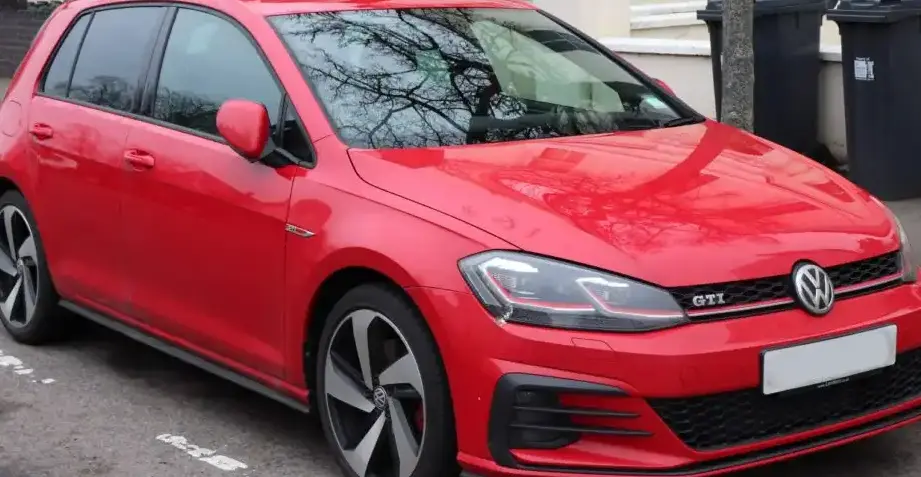
The Volkswagen Golf VII, produced from 2012 to 2020, represented a significant evolution of Volkswagen’s iconic hatchback. Within the seventh generation, the 1.6 TDI (105 hp) variant with a 7-speed Dual Clutch Gearbox (DSG) occupied an important position as an entry-level diesel option, particularly in European markets. Production of this specific configuration ran from August 2012 to April 2014. It was designed to offer a balance of fuel efficiency, practicality, and modern technology, appealing to buyers seeking a cost-effective and refined daily driver. This model was built on the Volkswagen Group’s MQB (Modular Transverse Matrix) platform, also known as the A7 platform, which underpinned a wide range of vehicles across several brands.
Technical Specifications
| Brand | Volkswagen |
| Model | Golf |
| Generation | Golf VII (5-door) |
| Type (Engine) | 1.6 TDI (105 Hp) DSG |
| Start of production | August, 2012 |
| End of production | April, 2014 |
| Powertrain Architecture | Internal Combustion engine |
| Body type | Hatchback |
| Seats | 5 |
| Doors | 5 |
| Fuel consumption (urban) | 4.6 l/100 km (51.1 US mpg, 61.4 UK mpg, 21.7 km/l) |
| Fuel consumption (extra urban) | 3.5 l/100 km (67.2 US mpg, 80.7 UK mpg, 28.6 km/l) |
| Fuel consumption (combined) | 3.9 l/100 km (60.3 US mpg, 72.4 UK mpg, 25.6 km/l) |
| Fuel Type | Diesel |
| Acceleration 0 – 100 km/h | 10.7 sec |
| Acceleration 0 – 62 mph | 10.7 sec |
| Acceleration 0 – 60 mph | 10.2 sec |
| Maximum speed | 192 km/h (119.3 mph) |
| Weight-to-power ratio | 12.5 kg/Hp, 80 Hp/tonne |
| Weight-to-torque ratio | 5.3 kg/Nm, 190.4 Nm/tonne |
| Power | 105 Hp @ 3000-4000 rpm |
| Power per litre | 65.7 Hp/l |
| Torque | 250 Nm @ 1500-2750 rpm (184.39 lb.-ft. @ 1500-2750 rpm) |
| Engine layout | Front, Transverse |
| Engine Model/Code | CLHA |
| Engine displacement | 1598 cm3 (97.52 cu. in.) |
| Number of cylinders | 4 |
| Engine configuration | Inline |
| Fuel injection system | Diesel Commonrail |
| Engine aspiration | Turbocharger, Intercooler |
| Engine oil capacity | 4.7 l (4.97 US qt | 4.14 UK qt) |
| Kerb Weight | 1313 kg (2894.67 lbs.) |
| Max. weight | 1810 kg (3990.37 lbs.) |
| Max load | 497 kg (1095.7 lbs.) |
| Trunk (boot) space – minimum | 380 l (13.42 cu. ft.) |
| Trunk (boot) space – maximum | 1270 l (44.85 cu. ft.) |
| Fuel tank capacity | 50 l (13.21 US gal | 11 UK gal) |
| Length | 4255 mm (167.52 in.) |
| Width | 1799 mm (70.83 in.) |
| Height | 1452 mm (57.17 in.) |
| Wheelbase | 2637 mm (103.82 in.) |
| Front track | 1549 mm (60.98 in.) |
| Rear (Back) track | 1520 mm (59.84 in.) |
| Minimum turning circle | 10.9 m (35.76 ft.) |
| Drivetrain Architecture | Front wheel drive |
| Number of gears and type of gearbox | 7 gears, automatic transmission |
| Front brakes | Ventilated discs |
| Assisting systems | ABS (Anti-lock braking system) |
| Steering type | Steering rack and pinion |
| Power steering | Electric Steering |
INTRODUCTION
The Golf VII 1.6 TDI DSG, launched in 2012, was a key component of Volkswagen’s strategy to offer a broad range of efficient and accessible vehicles. Positioned as a mid-range trim, it sat below the more powerful 2.0 TDI models and the petrol-powered variants. It aimed to provide a compelling package for buyers prioritizing fuel economy and ease of driving, particularly in Europe where diesel engines were dominant. The Golf VII represented a complete redesign of the model, moving to the MQB platform which allowed for increased interior space, reduced weight, and improved driving dynamics compared to the previous generation (Golf VI). This variant was particularly popular in countries with high diesel fuel taxes and incentives.
Powertrain & Engine Architecture
At the heart of the Golf VII 1.6 TDI DSG lies the CLHA engine code, a 1.6-liter inline-four cylinder diesel engine. This engine utilized a common rail direct injection system, delivering fuel directly into the combustion chamber at extremely high pressure. This technology, combined with a turbocharger and intercooler, allowed for a good balance of power and efficiency. The engine produced 105 horsepower at 3000-4000 rpm and 250 Nm (184 lb-ft) of torque between 1500-2750 rpm. The 7-speed DSG (Direct-Shift Gearbox) is a dual-clutch transmission that offers both the efficiency of a manual gearbox and the convenience of an automatic. It features two separate clutches, allowing for seamless and rapid gear changes. The DSG’s programming was tuned to prioritize fuel economy and smooth operation, rather than outright performance.
Driving Characteristics
The 1.6 TDI DSG offered a comfortable and refined driving experience. While not particularly sporty, it provided adequate performance for everyday driving situations. Acceleration from 0-60 mph took around 10.2 seconds, and the top speed was 119.3 mph. The DSG transmission contributed to smooth gear changes, and the engine’s torque delivery made it easy to navigate city traffic and maintain highway speeds. Compared to the more powerful 2.0 TDI variants, the 1.6 TDI felt noticeably slower, especially during overtaking maneuvers. However, the difference in fuel economy was significant, making the 1.6 TDI a more attractive option for drivers prioritizing efficiency. The gear ratios were optimized for fuel economy, with taller gearing in higher gears to reduce engine speed at cruising speeds.
Equipment & Trim Levels
The Golf VII 1.6 TDI DSG typically came equipped with a reasonable level of standard features. These included air conditioning, power windows, central locking, a basic audio system with USB connectivity, and alloy wheels. Safety features such as ABS, ESP (Electronic Stability Program), and multiple airbags were also standard. Higher trim levels offered additional features such as a touchscreen infotainment system, automatic climate control, parking sensors, and upgraded upholstery. Optional extras included a panoramic sunroof, navigation system, and adaptive cruise control. Interior upholstery was typically cloth, with the option of leather upgrades on higher trims.
Chassis & Braking
The Golf VII’s chassis was designed to provide a comfortable and balanced ride. The front suspension utilized MacPherson struts, while the rear suspension employed a multi-link setup. This configuration provided good handling and ride quality. The 1.6 TDI models typically featured ventilated disc brakes on the front wheels and drum brakes on the rear wheels. The braking system was assisted by ABS and ESP, providing good stopping power and stability. Stabilizer bars were fitted to both the front and rear axles to reduce body roll during cornering. The suspension tuning was geared towards comfort rather than outright sportiness.
Market Reception & Comparison
The Golf VII 1.6 TDI DSG was generally well-received by automotive critics. It was praised for its fuel efficiency, comfortable ride, and refined interior. However, some critics noted that the engine lacked outright power, particularly when fully loaded or driving uphill. Compared to the 2.0 TDI models, the 1.6 TDI offered significantly better fuel economy but at the expense of performance. The 1.6 TDI also offered a more affordable entry point into the Golf VII range, making it an attractive option for budget-conscious buyers. Its fuel economy figures of around 60 mpg combined were a major selling point.
Legacy
The 1.6 TDI engine, while generally reliable, has been subject to some scrutiny regarding emissions and potential issues with the diesel particulate filter (DPF). Proper maintenance, including regular oil changes and the use of high-quality diesel fuel, is crucial for ensuring the longevity of this powertrain. On the used car market, the Golf VII 1.6 TDI DSG remains a popular choice due to its affordability and fuel efficiency. However, potential buyers should be aware of the potential DPF issues and ensure that the vehicle has been properly maintained. The combination of the efficient diesel engine and the smooth-shifting DSG transmission continues to appeal to buyers seeking a practical and economical hatchback.