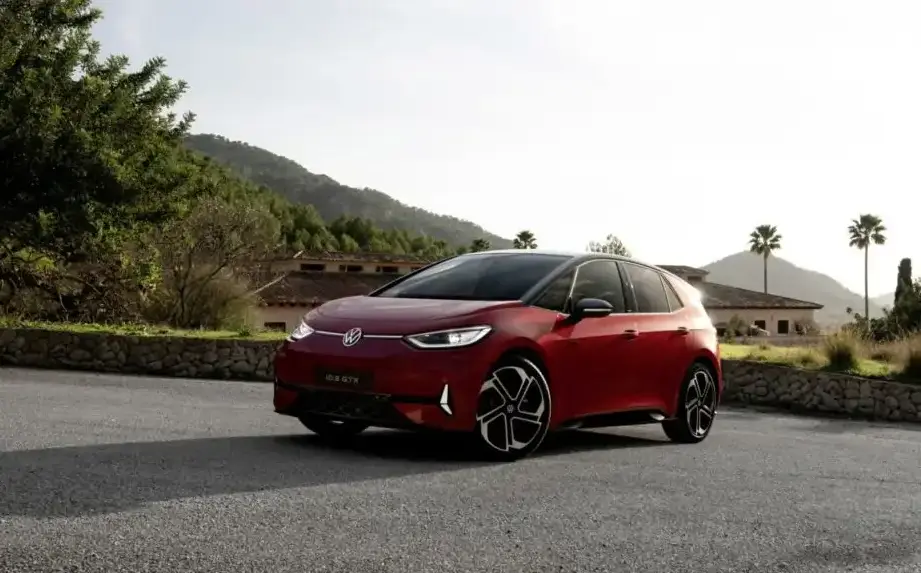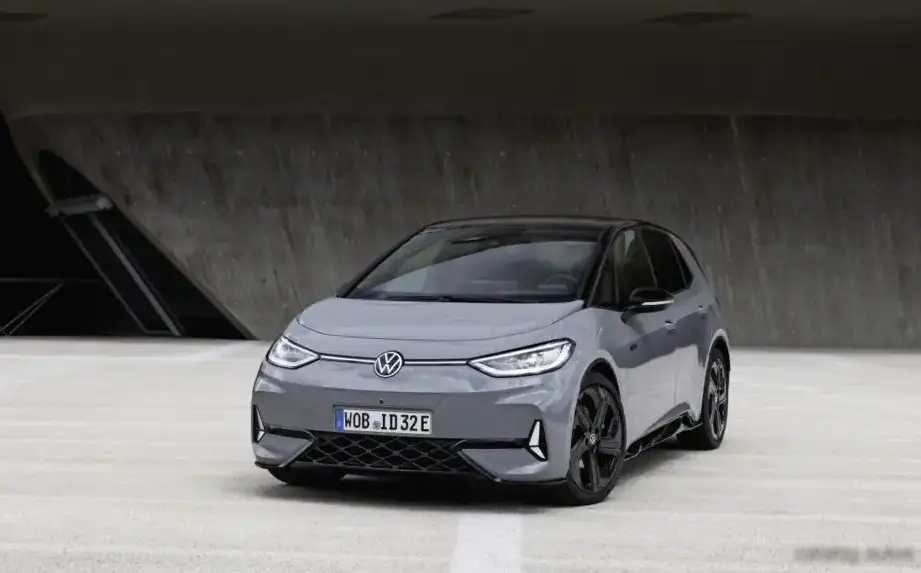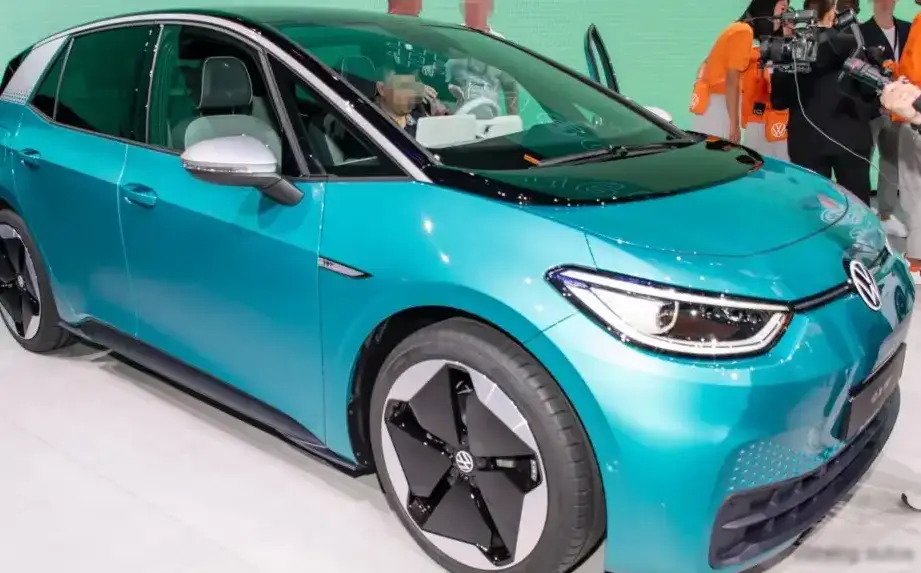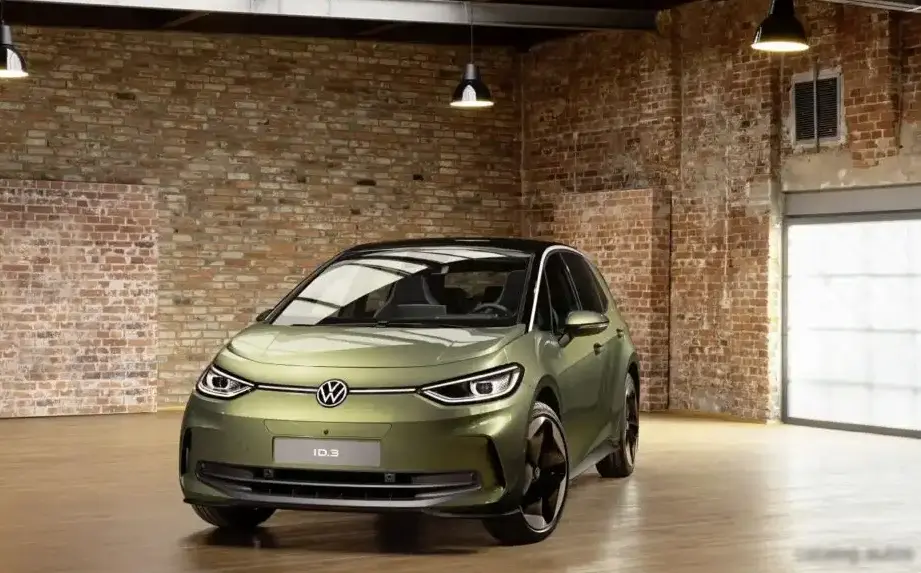
The Volkswagen ID.3 Pro 62 kWh (204 hp) represents a significant iteration of Volkswagen’s all-electric hatchback, launched with the 2023 facelift. Positioned as a mid-range offering within the ID.3 lineup, this variant balances performance, range, and affordability, aiming to broaden the appeal of electric vehicles to a wider audience. Production commenced in March 2023, building upon the foundation of the original ID.3, which debuted as Volkswagen’s first model built on the modular electric drive matrix (MEB) platform. The ID.3 is primarily marketed in Europe, serving as a key component in Volkswagen’s strategy to become a leading manufacturer of electric vehicles.
Technical Specifications
| Brand | Volkswagen |
| Model | ID.3 |
| Generation | ID.3 (facelift 2023) |
| Type (Engine) | Pro 62 kWh (204 Hp) |
| Start of production | March, 2023 |
| Powertrain Architecture | BEV (Electric Vehicle) |
| Body type | Hatchback |
| Seats | 5 |
| Doors | 5 |
| Fuel Type | Electricity |
| Acceleration 0 – 100 km/h | 7.3 sec |
| Acceleration 0 – 62 mph | 7.3 sec |
| Acceleration 0 – 60 mph | 6.9 sec |
| Maximum speed | 160 km/h (99.42 mph) |
| Gross battery capacity | 62 kWh |
| Net (usable) battery capacity | 58 kWh |
| Battery technology | Lithium-ion (Li-Ion) |
| Battery location | Below the floor |
| All-electric range (WLTP) | 426 km (264.7 mi) |
| Average Energy consumption (WLTP) | 15.3-16.0 kWh/100 km (24.62 – 25.75 kWh/100 mi) |
| Average Energy consumption (MPGe) | 137 – 131 |
| Average Energy consumption (km/kWh) | 6.5 – 6.3 |
| Average Energy consumption (mi/kWh) | 4.1 – 3.9 |
| Electric motor power | 204 Hp |
| Electric motor Torque | 310 Nm (228.64 lb.-ft.) |
| Electric motor model/code | EBJ |
| Electric motor location | Rear axle, Transverse |
| Electric motor type | Synchronous |
| System power | 204 Hp |
| System torque | 310 Nm (228.64 lb.-ft.) |
| Trunk (boot) space – minimum | 385 l (13.6 cu. ft.) |
| Length | 4261 mm (167.76 in.) |
| Width | 1809 mm (71.22 in.) |
| Width including mirrors | 2070 mm (81.5 in.) |
| Height | 1562 mm (61.5 in.) |
| Wheelbase | 2770 mm (109.06 in.) |
| Drag coefficient (Cd) | 0.263 |
| Drivetrain Architecture | One electric motor drives the rear wheels. |
| Drive wheel | Rear wheel drive |
| Number of gears and type of gearbox | 1 gears, automatic transmission |
| Front suspension | Independent type McPherson, Transverse stabilizer |
| Rear suspension | Independent multi-link suspension, Transverse stabilizer |
| Front brakes | Disc |
| Rear brakes | Drum |
| Assisting systems | ABS (Anti-lock braking system) |
| Steering type | Steering rack and pinion |
| Power steering | Electric Steering |
| Tires size | 215/55 R18 |
| Wheel rims size | 18 |
Powertrain & Engine Architecture
The ID.3 Pro 62 kWh is built around Volkswagen’s MEB platform, a dedicated electric vehicle architecture. The powertrain consists of a single, permanently excited synchronous motor located on the rear axle. This motor produces 204 horsepower and 310 Nm (228.64 lb.-ft.) of torque. The motor is powered by a 62 kWh gross (58 kWh net) lithium-ion battery pack positioned under the vehicle floor, contributing to a low center of gravity and improved handling. The battery utilizes a sophisticated thermal management system to maintain optimal operating temperatures. The single-speed automatic transmission is a direct-drive system, typical of electric vehicles, providing seamless acceleration. The EBJ motor code designates this specific motor variant, known for its efficiency and reliability.
Driving Characteristics
The ID.3 Pro 62 kWh delivers brisk acceleration, achieving 0-60 mph in approximately 6.9 seconds. While not as quick as some higher-performance EV variants, it offers ample power for everyday driving and highway merging. The rear-wheel-drive configuration contributes to a balanced feel, although traction can be limited in slippery conditions. The single-speed transmission provides instant torque delivery, characteristic of electric motors. Compared to the base ID.3 models with smaller batteries and lower power outputs, the Pro 62 kWh offers a noticeable improvement in both acceleration and range. It differs from the ID.3 Pro S, which boasts a larger battery and even greater range, but at a higher price point. The regenerative braking system allows for one-pedal driving in certain modes, enhancing efficiency and driver convenience.
Equipment & Trim Levels
The ID.3 Pro 62 kWh typically comes standard with a comprehensive suite of features, including a 10-inch touchscreen infotainment system with Apple CarPlay and Android Auto compatibility, a digital instrument cluster, and climate control. Interior upholstery is generally cloth, with optional upgrades to leatherette available. Standard safety features include automatic emergency braking, lane-keeping assist, and adaptive cruise control. Optional extras often include a panoramic sunroof, upgraded sound system, and park assist. The trim level generally falls in the mid-range of the ID.3 lineup, offering a good balance of features and value.
Chassis & Braking
The ID.3 Pro 62 kWh utilizes an independent McPherson strut suspension at the front and an independent multi-link suspension at the rear, providing a comfortable and controlled ride. A transverse stabilizer bar is included on both axles to reduce body roll during cornering. The braking system features disc brakes at the front and drum brakes at the rear, a cost-saving measure common in this vehicle class. Anti-lock braking system (ABS) is standard. The vehicle’s relatively low center of gravity, thanks to the underfloor battery pack, contributes to stable handling.
Market Reception & Comparison
The ID.3 Pro 62 kWh has been generally well-received by automotive critics, praised for its spacious interior, comfortable ride, and respectable range. However, some criticisms have been leveled at the infotainment system, which some find less intuitive than those offered by competitors. Compared to other EVs in its class, such as the Nissan Leaf and Renault Zoe, the ID.3 offers a more modern design and a more engaging driving experience. Its fuel economy, expressed as energy consumption, ranges from 15.3 to 16.0 kWh per 100 kilometers, translating to approximately 137-131 MPGe. Reliability has been generally good, although some early production models experienced software glitches that have been addressed through over-the-air updates.
Legacy
The ID.3 Pro 62 kWh represents a pivotal model in Volkswagen’s transition to electric mobility. Its powertrain, while not the most powerful in the EV market, has proven to be reliable and efficient. As a used vehicle, the ID.3 Pro 62 kWh is becoming increasingly attractive to buyers seeking an affordable and practical electric hatchback. The longevity of the battery pack remains a key consideration for potential buyers, but Volkswagen offers an eight-year/100,000-mile warranty on the battery, providing peace of mind. The ID.3’s impact extends beyond its technical specifications; it has helped to normalize electric vehicle ownership and accelerate the adoption of sustainable transportation.