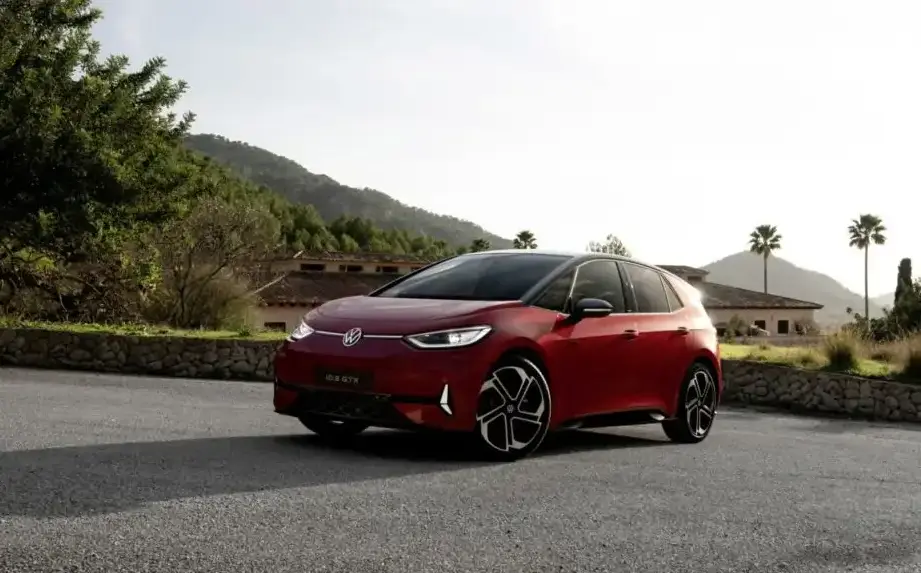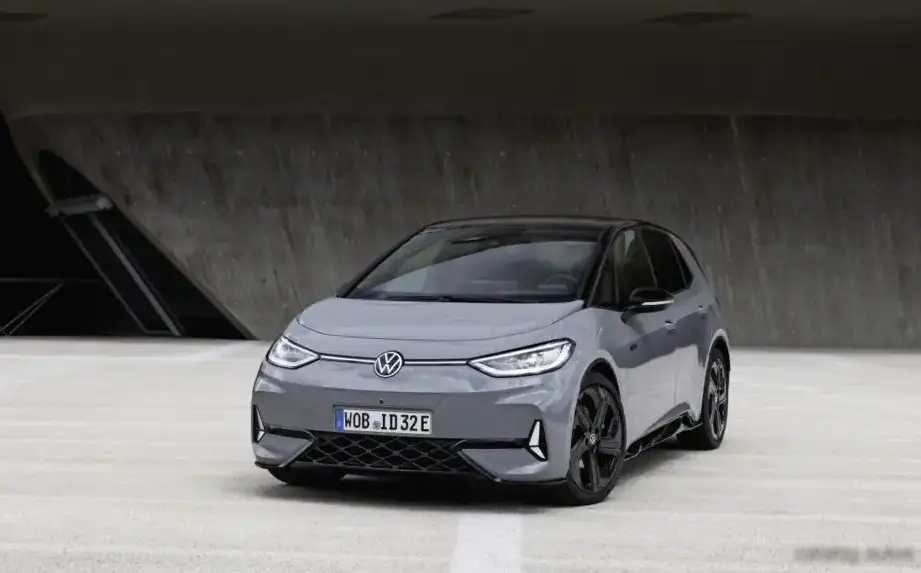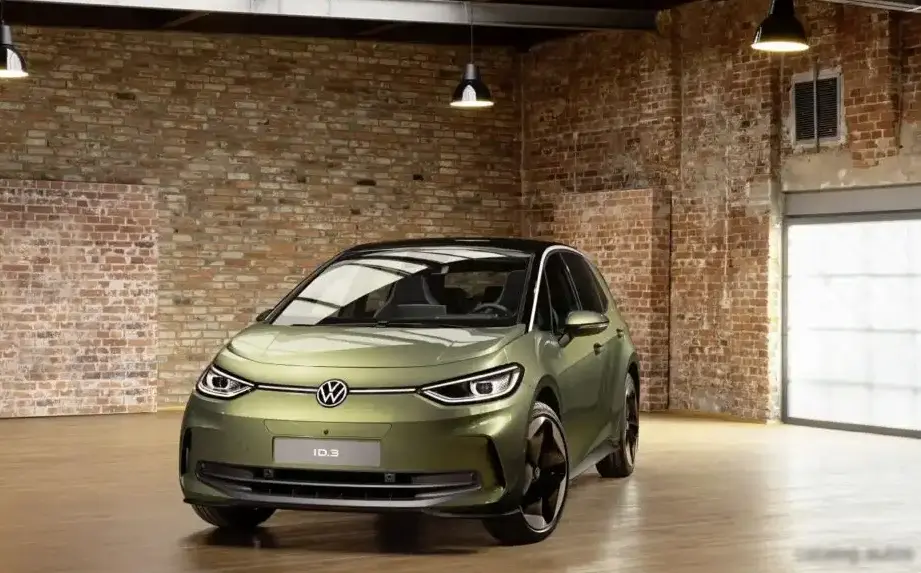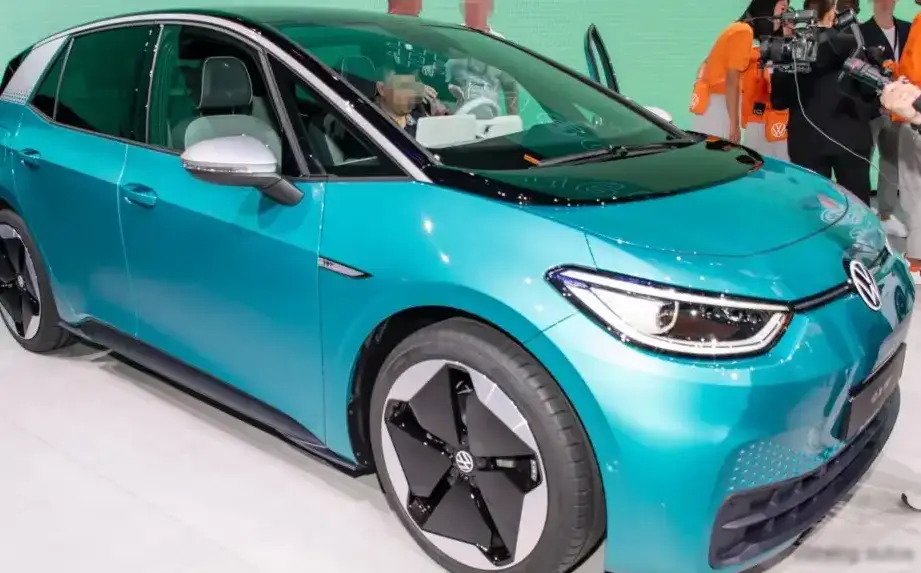
The Volkswagen ID.3 Pure Performance 48 kWh represents Volkswagen’s initial foray into a dedicated all-electric vehicle platform, the MEB. Produced from January to August 2021, this variant served as the entry point into the ID.3 lineup, aimed at providing an accessible and practical electric hatchback for the European market. It was a key model in Volkswagen’s ambitious plan to become a leader in electric vehicle production and sales, positioned as a direct competitor to vehicles like the Nissan Leaf and Renault Zoe. The ID.3, and specifically this Pure Performance trim, aimed to deliver a modern, technologically advanced EV experience at a relatively affordable price point.
Technical Specifications
| Brand | Volkswagen |
| Model | ID.3 |
| Generation | ID.3 |
| Type (Engine) | Pure Performance 48 kWh (150 Hp) |
| Start of production | January, 2021 |
| End of production | August, 2021 |
| Powertrain Architecture | BEV (Electric Vehicle) |
| Body type | Hatchback |
| Seats | 5 |
| Doors | 5 |
| Fuel Type | Electricity |
| Acceleration 0 – 100 km/h | 8.9 sec |
| Acceleration 0 – 62 mph | 8.9 sec |
| Acceleration 0 – 60 mph | 8.5 sec |
| Maximum speed | 160 km/h (99.42 mph) |
| Weight-to-power ratio | 11.4 kg/Hp, 87.9 Hp/tonne |
| Weight-to-torque ratio | 5.5 kg/Nm, 181.7 Nm/tonne |
| Gross battery capacity | 48 kWh |
| Net (usable) battery capacity | 45 kWh |
| Battery voltage | 408 V |
| Battery technology | Lithium-ion (Li-Ion) |
| Battery location | Below the floor |
| All-electric range (WLTP) | 348 km (216.24 mi) |
| Average Energy consumption (WLTP) | 14.9-15.1 kWh/100 km (23.98 – 24.3 kWh/100 mi) |
| MPGe | 141 – 139 |
| km/kWh | 6.7 – 6.6 |
| mi/kWh | 4.2 – 4.1 |
| Electric motor power | 150 Hp |
| Electric motor Torque | 310 Nm (228.64 lb.-ft.) |
| Electric motor location | Rear axle, Transverse |
| Electric motor type | Synchronous |
| System power | 150 Hp |
| System torque | 310 Nm (228.64 lb.-ft.) |
| Kerb Weight | 1706 kg (3761.09 lbs.) |
| Max. weight | 2250 kg (4960.4 lbs.) |
| Max load | 544 kg (1199.31 lbs.) |
| Trunk (boot) space – minimum | 385 l (13.6 cu. ft.) |
| Trunk (boot) space – maximum | 1267 l (44.74 cu. ft.) |
| Length | 4261 mm (167.76 in.) |
| Width | 1809 mm (71.22 in.) |
| Width including mirrors | 2070 mm (81.5 in.) |
| Height | 1568 mm (61.73 in.) |
| Wheelbase | 2770 mm (109.06 in.) |
| Front track | 1536 mm (60.47 in.) |
| Rear (Back) track | 1513 mm (59.57 in.) |
| Ride height (ground clearance) | 150 mm (5.91 in.) |
| Drag coefficient (Cd) | 0.27 |
| Minimum turning circle | 10.18 m (33.4 ft.) |
| Drivetrain Architecture | One electric motor drives the rear wheels. |
| Drive wheel | Rear wheel drive |
| Number of gears | 1 |
| Gearbox type | automatic transmission |
| Front suspension | Independent type McPherson, Transverse stabilizer |
| Rear suspension | Independent multi-link suspension, Transverse stabilizer |
| Front brakes | Disc |
| Rear brakes | Drum |
| Assisting systems | ABS (Anti-lock braking system) |
| Steering type | Steering rack and pinion |
| Power steering | Electric Steering |
| Tires size | 215/55 R18 |
| Wheel rims size | 7.5J x 18 |
Powertrain & Engine Architecture
The ID.3 Pure Performance 48 kWh is powered by a single, permanently magnetized synchronous electric motor located on the rear axle. This motor produces 150 horsepower and 310 Nm (228.64 lb.-ft.) of torque. The motor is fed by a 48 kWh (gross) / 45 kWh (net) lithium-ion battery pack positioned under the vehicle floor. This placement contributes to a low center of gravity, enhancing handling. The battery pack utilizes a modular design, allowing for potential upgrades in future iterations of the ID.3. The car employs a single-speed automatic transmission, typical of most electric vehicles, delivering seamless acceleration. The power electronics and inverter are integrated into the motor unit, optimizing efficiency and reducing weight. The charging port is located on the rear quarter panel, supporting both AC and DC fast charging.
Driving Characteristics
The 150 hp and 310 Nm of torque provide adequate, though not exhilarating, performance. Acceleration from 0 to 100 km/h (0-62 mph) takes approximately 8.9 seconds. The rear-wheel-drive configuration contributes to a balanced feel, although traction can be limited in slippery conditions. The single-speed transmission offers linear power delivery, making it easy to modulate acceleration. Compared to higher-output ID.3 variants (like those with 204 hp), the Pure Performance model feels less urgent in its response. However, it excels in urban driving, offering sufficient power for everyday commutes and errands. The regenerative braking system allows for one-pedal driving in certain modes, enhancing efficiency and driver convenience.
Equipment & Trim Levels
The Pure Performance trim level was the base model of the ID.3. Standard equipment included features like a 10-inch touchscreen infotainment system with Apple CarPlay and Android Auto compatibility, a digital instrument cluster, automatic climate control, and a suite of safety features including lane assist and front assist. Interior upholstery was typically cloth, with a focus on sustainable materials. Optional extras included larger alloy wheels, a panoramic sunroof, and an upgraded sound system. The ID.Light, a light strip integrated into the dashboard, provided visual cues to the driver regarding navigation, charging status, and system alerts.
Chassis & Braking
The ID.3 utilizes an independent McPherson strut suspension at the front and a multi-link suspension at the rear. This setup provides a comfortable ride quality, absorbing bumps and imperfections in the road surface effectively. The rear suspension is tuned to manage the added weight of the battery pack and motor. The braking system features disc brakes at the front and drum brakes at the rear, a cost-saving measure for the entry-level trim. ABS (Anti-lock Braking System) is standard. The steering is electrically assisted, providing a light and precise feel.
Market Reception & Comparison
The ID.3 Pure Performance 48 kWh was generally well-received by critics, praised for its spacious interior, comfortable ride, and user-friendly technology. However, some reviewers noted the relatively modest performance compared to other EVs in its class. Fuel economy, expressed as energy consumption, ranged from 14.9 to 15.1 kWh per 100 km (23.98 – 24.3 kWh per 100 miles), translating to a WLTP range of 348 km (216.24 miles). Compared to the ID.3 1st Plus, which offered a larger battery and more power, the Pure Performance model represented a more affordable entry point, sacrificing some range and performance for a lower price tag. The ID.3 also competed with other EVs like the Nissan Leaf and Renault Zoe, offering a more modern and technologically advanced package.
Legacy
The ID.3 Pure Performance 48 kWh played a crucial role in establishing Volkswagen as a serious contender in the electric vehicle market. While the 48 kWh battery pack has since been superseded by larger capacity options, the powertrain remains relatively reliable. On the used car market, these early ID.3 models offer an affordable way to experience electric vehicle ownership. Battery health is a key consideration for potential buyers, as degradation can affect range over time. However, with proper maintenance and care, the ID.3 Pure Performance 48 kWh continues to provide a practical and efficient electric driving experience.