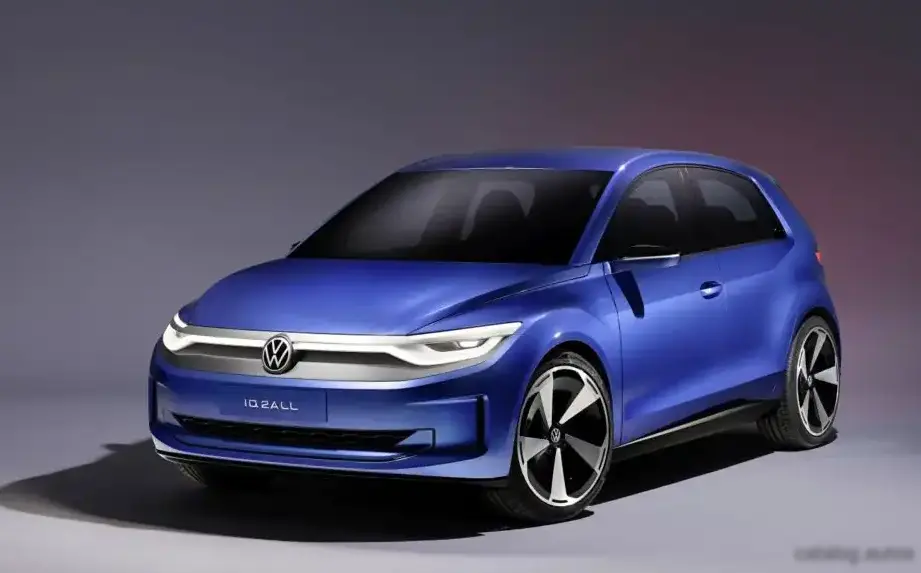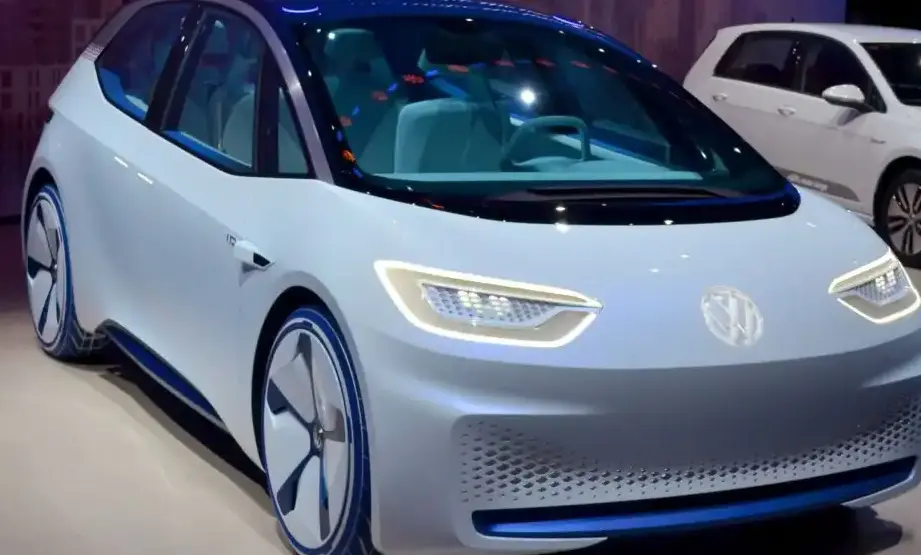
The Volkswagen ID. Concept, specifically the 60 kWh (170 hp) variant, represents a pivotal moment in Volkswagen’s transition towards electric vehicles. Unveiled in 2016, this hatchback served as a near-production preview of the eventual ID.3, showcasing Volkswagen’s vision for a mass-market electric car. The ID. Concept 60 kWh was a key component of Volkswagen’s strategy to move beyond the diesel emissions scandal and establish itself as a leader in the burgeoning EV market. Production of the concept model was limited to 2016, acting primarily as a demonstrator and testbed for the technologies that would define the ID.3 range.
Technical Specifications
| Brand | Volkswagen |
| Model | ID.3 |
| Generation | ID. Concept |
| Type (Engine) | 60 kWh (170 Hp) |
| Start of production | 2016 |
| End of production | 2016 |
| Powertrain Architecture | BEV (Electric Vehicle) |
| Body type | Hatchback |
| Seats | 4 |
| Doors | 5 |
| Fuel Type | Electricity |
| Acceleration 0 – 100 km/h | 8 sec |
| Acceleration 0 – 62 mph | 8 sec |
| Acceleration 0 – 60 mph | 7.6 sec |
| Maximum speed | 159 km/h (98.8 mph) |
| Weight-to-power ratio | 8.8 kg/Hp, 113.3 Hp/tonne |
| Gross battery capacity | 60 kWh |
| All-electric range | 370 km (229.91 mi) |
| Electric motor power | 170 Hp |
| Electric motor Torque | 300 Nm (221.27 lb.-ft.) |
| System power | 170 Hp |
| Kerb Weight | 1500 kg (3306.93 lbs.) |
| Trunk (boot) space – maximum | 1000 l (35.31 cu. ft.) |
| Length | 4100 mm (161.42 in.) |
| Width | 1801 mm (70.91 in.) |
| Height | 1529 mm (60.2 in.) |
| Wheelbase | 2751 mm (108.31 in.) |
| Drive wheel | Rear wheel drive |
| Number of gears and type of gearbox | 1 gears, automatic transmission |
Powertrain & Engine Architecture
The ID. Concept 60 kWh is built around Volkswagen’s Modular Electric Drive Matrix (MEB) platform, a dedicated EV architecture designed to underpin a wide range of electric vehicles. The powertrain consists of a single electric motor driving the rear wheels, producing 170 horsepower and 300 Nm (221 lb-ft) of torque. The 60 kWh battery pack is located in the vehicle floor, contributing to a low center of gravity and improved handling. The battery utilizes lithium-ion technology, offering a usable capacity designed for a real-world range of approximately 370 kilometers (229.9 miles) under the New European Driving Cycle (NEDC) standard. The single-speed automatic transmission is a direct-drive system, typical of electric vehicles, maximizing efficiency and providing instant torque delivery. The vehicle utilizes a sophisticated battery management system to optimize charging, discharging, and thermal control, ensuring longevity and performance.
Driving Characteristics
The ID. Concept 60 kWh offered a surprisingly engaging driving experience for an early electric vehicle. The rear-wheel-drive configuration, combined with the instant torque of the electric motor, provided brisk acceleration – 0 to 60 mph in approximately 7.6 seconds. While not a performance vehicle, the ID. Concept felt nimble and responsive in city driving. The low center of gravity, thanks to the underfloor battery pack, minimized body roll during cornering. Compared to future, higher-performance ID.3 variants, the 60 kWh model prioritized range and efficiency over outright speed. The single-speed transmission meant there was no gear shifting, resulting in a smooth and linear power delivery. Regenerative braking was implemented, allowing drivers to recover energy during deceleration and extend the vehicle’s range.
Equipment & Trim Levels
As a concept vehicle, the ID. Concept 60 kWh was well-equipped, showcasing Volkswagen’s future interior design language. The interior featured a minimalist dashboard dominated by a large touchscreen display controlling most vehicle functions. Traditional physical buttons were largely absent, replaced by touch-sensitive controls and voice commands. The seats were upholstered in sustainable materials, reflecting Volkswagen’s commitment to environmental responsibility. Standard features included climate control, a premium audio system, and advanced driver-assistance systems such as adaptive cruise control and lane-keeping assist. Optional extras included a panoramic sunroof and upgraded interior trim options. The overall aesthetic was clean, modern, and focused on creating a spacious and airy cabin.
Chassis & Braking
The ID. Concept utilized a MacPherson strut front suspension and a multi-link rear suspension, tuned for comfort and handling. The low-mounted battery pack contributed to a lower center of gravity, enhancing stability. The vehicle featured disc brakes on all four wheels, providing ample stopping power. While the concept didn’t prioritize track performance, the braking system was designed to handle the demands of everyday driving and regenerative braking. The steering system was electrically assisted, offering a light and precise feel. The chassis was engineered to maximize rigidity, minimizing noise, vibration, and harshness.
Market Reception & Comparison
The ID. Concept received generally positive reviews from automotive critics. It was praised for its futuristic design, spacious interior, and promising range. Critics noted that the 60 kWh variant offered a good balance between performance and efficiency, making it a practical choice for everyday commuting. Compared to other electric vehicles of the time, the ID. Concept stood out for its affordability and its potential to become a mainstream EV. The 60 kWh version was positioned as the entry-level model in the ID.3 lineup, offering a more accessible price point than the higher-capacity battery options. Fuel economy, naturally, was a key selling point, with the ID. Concept offering significantly lower running costs than comparable gasoline-powered vehicles.
Legacy
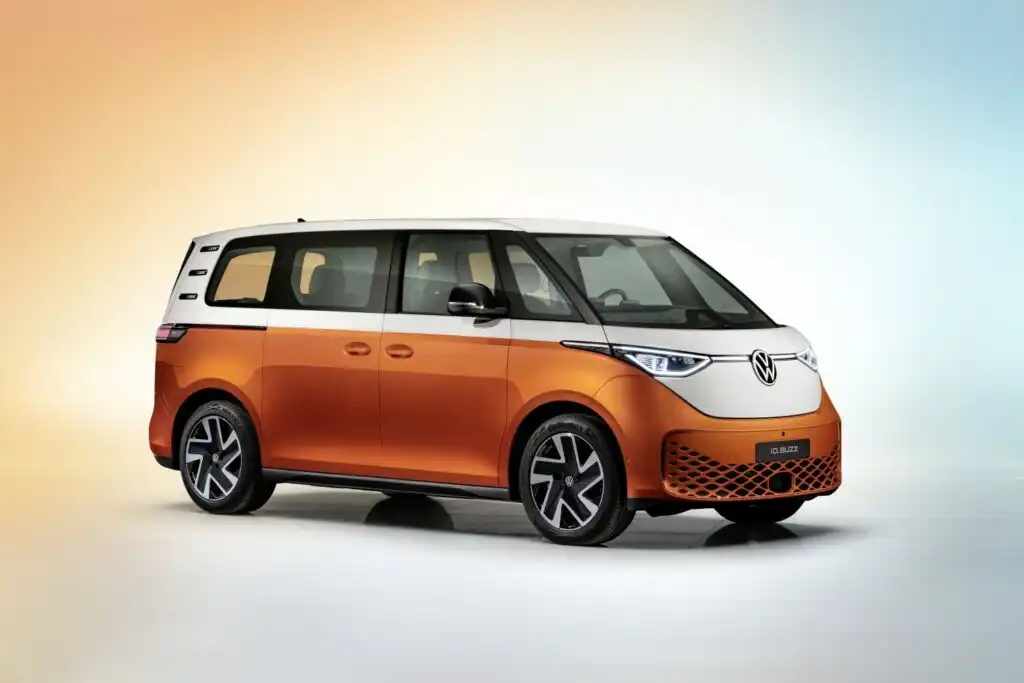
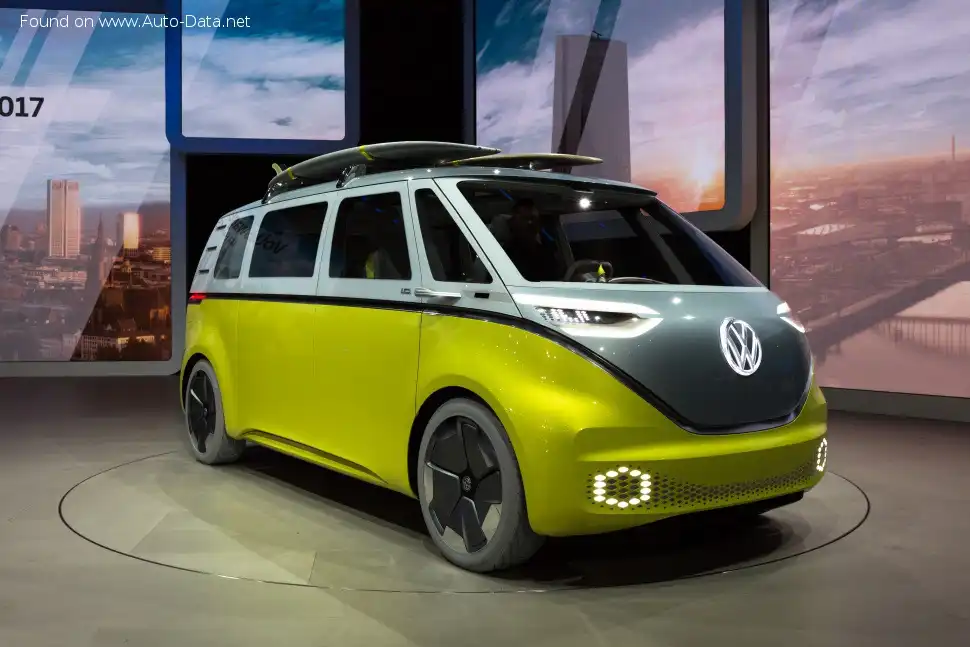
The Volkswagen ID. Concept 60 kWh played a crucial role in paving the way for the ID.3, which launched in 2019. The technologies and design elements showcased in the concept vehicle were largely carried over to the production model. The MEB platform proved to be a successful foundation for a range of electric vehicles, including the ID.4 and ID. Buzz. While the original concept vehicles themselves are rare, the powertrain technology has proven to be relatively reliable in the ID.3 and subsequent models. The 60 kWh battery pack remains a popular choice for ID.3 buyers, offering a good balance of range and affordability. The ID. Concept 60 kWh is now viewed as a significant milestone in Volkswagen’s electric revolution, demonstrating the company’s commitment to a sustainable future.