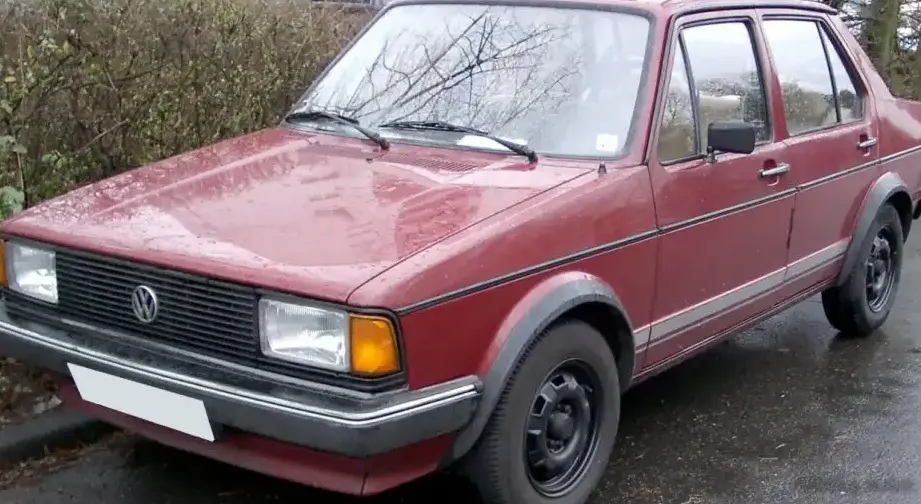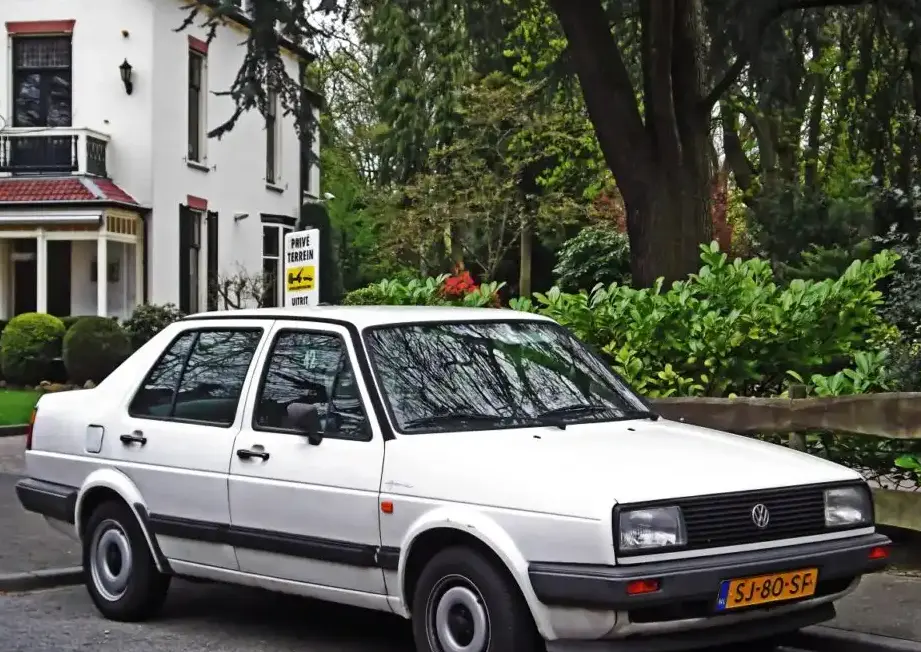
The Volkswagen Jetta II 1.6 D, produced between 1983 and 1987, represented Volkswagen’s entry-level diesel offering within the second generation Jetta (Jetta II) lineup, internally designated as the 19E series. Positioned as an economical and practical sedan, it catered to buyers prioritizing fuel efficiency and affordability over outright performance. This variant played a significant role in establishing the Jetta as a popular choice in European and North American markets, offering a diesel alternative to the gasoline-powered models. The 1.6 D was a key component of VW’s strategy to provide a range of options to suit diverse consumer needs, and it served as a stepping stone for those considering larger or more powerful Jetta models.
Technical Specifications
| Brand | Volkswagen |
| Model | Jetta |
| Generation | Jetta II |
| Type (Engine) | 1.6 D (54 Hp) |
| Start of production | 1983 |
| End of production | 1987 |
| Powertrain Architecture | Internal Combustion engine |
| Body type | Sedan |
| Seats | 5 |
| Doors | 4 |
| Fuel Type | Diesel |
| Acceleration 0 – 100 km/h | 19.3 sec |
| Acceleration 0 – 62 mph | 19.3 sec |
| Acceleration 0 – 60 mph | 18.3 sec |
| Maximum speed | 146 km/h (90.72 mph) |
| Weight-to-power ratio | 17.6 kg/Hp, 56.8 Hp/tonne |
| Weight-to-torque ratio | 9.5 kg/Nm, 105.3 Nm/tonne |
| Power | 54 Hp @ 4800 rpm |
| Power per litre | 34 Hp/l |
| Torque | 100 Nm @ 2300 rpm (73.76 lb.-ft. @ 2300 rpm) |
| Engine layout | Front, Transverse |
| Engine Model/Code | JP, ME |
| Engine displacement | 1588 cm3 (96.91 cu. in.) |
| Number of cylinders | 4 |
| Engine configuration | Inline |
| Cylinder Bore | 76.5 mm (3.01 in.) |
| Piston Stroke | 86.4 mm (3.4 in.) |
| Compression ratio | 23:1 |
| Number of valves per cylinder | 2 |
| Fuel injection system | Precombustion chamber injection |
| Engine aspiration | Naturally aspirated engine |
| Valvetrain | OHC |
| Engine oil capacity | 4.5 l (4.76 US qt | 3.96 UK qt) |
| Coolant | 6.3 l (6.66 US qt | 5.54 UK qt) |
| Kerb Weight | 950 kg (2094.39 lbs) |
| Max. weight | 1470 kg (3240.8 lbs) |
| Max load | 520 kg (1146.4 lbs) |
| Trunk (boot) space – minimum | 575 l (20.31 cu. ft.) |
| Fuel tank capacity | 55 l (14.53 US gal | 12.1 UK gal) |
| Length | 4385 mm (172.64 in.) |
| Width | 1675 mm (65.94 in.) |
| Height | 1415 mm (55.71 in.) |
| Wheelbase | 2475 mm (97.44 in.) |
| Front track | 1427 mm (56.18 in.) |
| Rear (Back) track | 1422 mm (55.98 in.) |
| Drag coefficient (Cd) | 0.36 |
| Drivetrain Architecture | The Internal combustion engine (ICE) drives the front wheels of the vehicle. |
| Drive wheel | Front wheel drive |
| Front suspension | Independent type McPherson |
| Rear suspension | Coil spring |
| Front brakes | Disc |
| Rear brakes | Drum |
| Steering type | Steering rack and pinion |
| Tires size | 175/70 R13 |
| Wheel rims size | 13 |
Powertrain & Engine Architecture
The Jetta II 1.6 D was powered by the Volkswagen JP or ME engine, a naturally aspirated, inline-four cylinder diesel engine displacing 1588cc (96.91 cubic inches). This engine utilized a precombustion chamber injection system, a common design for diesel engines of the era. This system involved injecting fuel into a small precombustion chamber connected to the main cylinder, promoting more complete combustion and reducing engine noise. The engine featured an overhead camshaft (OHC) valvetrain with two valves per cylinder. The 1.6 D produced 54 horsepower at 4800 rpm and 100 Nm (73.76 lb-ft) of torque at 2300 rpm. The engine was transversely mounted, driving the front wheels. While not a technologically advanced engine by modern standards, it was known for its durability and relatively simple maintenance requirements.
Driving Characteristics
The 1.6 D Jetta offered modest performance. Acceleration was slow, with a 0-60 mph time of around 18.3 seconds and a top speed of approximately 90.72 mph. The engine’s torque delivery was relatively flat, providing adequate pulling power for everyday driving, but lacking the responsiveness of higher-output gasoline engines or even later diesel iterations. The automatic transmission, typically a three-speed unit, further dampened performance. Compared to the manual transmission versions, the automatic resulted in noticeable power loss. It was also slower than the 1.8L gasoline variants. The focus was clearly on fuel economy and relaxed cruising rather than spirited driving.
Equipment & Trim Levels
The 1.6 D Jetta typically came with a fairly basic level of equipment. Standard features generally included cloth upholstery, a basic AM/FM radio, and manual windows and door locks. Air conditioning and power steering were often optional extras. Interior trim was functional and durable, prioritizing practicality over luxury. The dashboard layout was straightforward, with clearly marked gauges and controls. Higher trim levels, if selected, might have included upgraded upholstery, a more sophisticated radio, and additional convenience features.
Chassis & Braking
The Jetta II utilized an independent McPherson strut front suspension and a coil spring rear suspension. This setup provided a reasonable balance between ride comfort and handling. The front brakes were disc brakes, while the rear brakes were drum brakes – a common configuration for economy-focused vehicles of the time. The steering was rack and pinion, offering precise control. The 1.6 D, being one of the lighter Jetta variants, generally had a slightly softer suspension setup compared to the more powerful models. Stabilizer bars were often optional, and their presence could improve handling characteristics.
Market Reception & Comparison
The Jetta II 1.6 D was generally well-received as an economical and reliable family sedan. Critics praised its fuel efficiency and durability, but noted its lack of performance. Compared to the gasoline-powered Jetta models, the 1.6 D offered significantly better fuel economy but considerably slower acceleration. Against competitors like the Ford Escort Diesel or the Fiat JTD, the Jetta 1.6 D offered a similar blend of practicality and economy. The automatic transmission was often criticized for diminishing the already limited performance.
Legacy
The Volkswagen Jetta II 1.6 D powertrain, while not known for its speed, proved to be remarkably durable. Many examples remain on the road today, a testament to the engine’s robust construction and relatively simple design. In the used car market, these models are often sought after by those looking for an affordable and reliable classic car. Maintenance is generally straightforward, and parts availability remains reasonable. However, potential buyers should be aware of the age-related issues common to older diesel engines, such as injector wear and potential for rust. The 1.6 D Jetta represents a significant chapter in Volkswagen’s history, demonstrating the company’s commitment to providing fuel-efficient and practical transportation options.