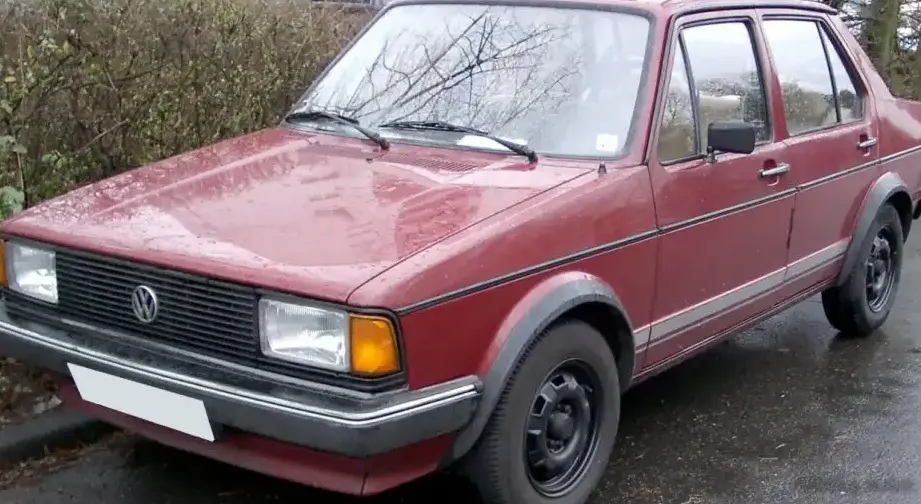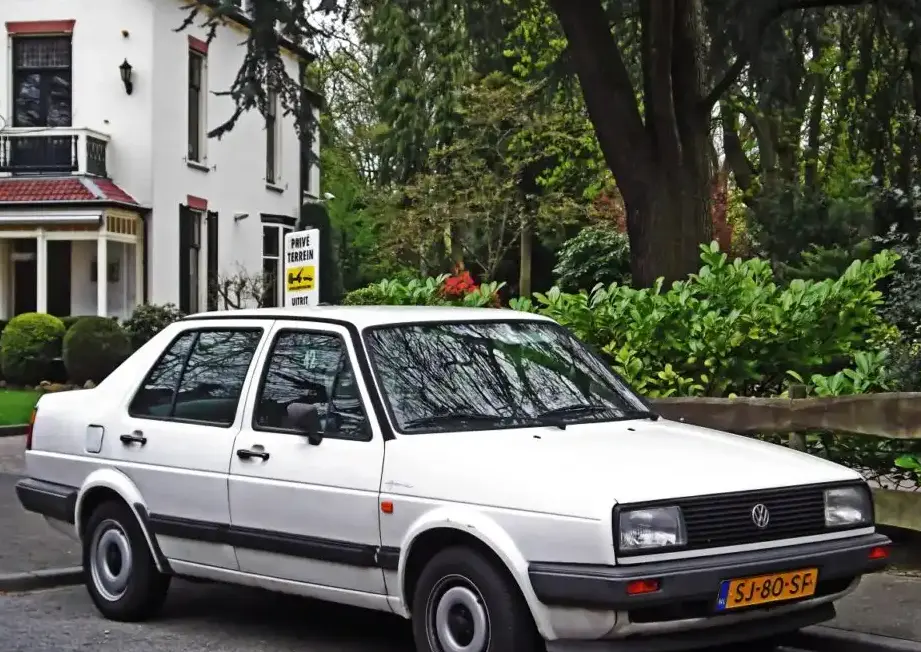
The Volkswagen Jetta II 1.8 (84 hp) represents a significant entry point into the second generation of Volkswagen’s popular compact sedan. Produced between 1986 and 1987, this variant occupied the lower end of the Jetta II lineup, offering a more affordable and fuel-efficient option compared to the higher-performance trims. It was built on the A2 platform, shared with the Golf Mk2, Scirocco Mk2, and Jetta I, and aimed to provide practical transportation for a broad customer base. This model was primarily sold in Europe and North America, serving as a key volume seller for Volkswagen during this period.
Technical Specifications
| Brand | Volkswagen |
| Model | Jetta |
| Generation | Jetta II |
| Type (Engine) | 1.8 (84 Hp) |
| Start of production | 1986 |
| End of production | 1987 |
| Powertrain Architecture | Internal Combustion engine |
| Body type | Sedan |
| Seats | 5 |
| Doors | 4 |
| Fuel Type | Petrol (Gasoline) |
| Power | 84 Hp |
| Engine Model/Code | RH |
| Engine aspiration | Naturally aspirated engine |
| Engine oil capacity | 4 l (4.23 US qt | 3.52 UK qt) |
| Coolant capacity | 6.5 l (6.87 US qt | 5.72 UK qt) |
| Trunk (boot) space – minimum | 575 l (20.31 cu. ft.) |
| Fuel tank capacity | 55 l (14.53 US gal | 12.1 UK gal) |
| Length | 4385 mm (172.64 in.) |
| Width | 1675 mm (65.94 in.) |
| Height | 1415 mm (55.71 in.) |
| Wheelbase | 2475 mm (97.44 in.) |
| Drag coefficient (Cd) | 0.36 |
| Drive wheel | Rear wheel drive |
Powertrain & Engine Architecture
The Jetta II 1.8 (84 hp) was powered by the Volkswagen RH engine, a 1.8-liter inline-four cylinder gasoline engine. This engine was a naturally aspirated unit, utilizing a single overhead camshaft (SOHC) valvetrain with two valves per cylinder. The RH engine was a relatively simple design, prioritizing reliability and fuel economy over outright performance. Fuel delivery was managed by Bosch mechanical fuel injection, a system common for the era. This system, while not as sophisticated as later electronic fuel injection systems, provided adequate fuel atomization and control for the engine’s modest power output. The engine’s compression ratio was typically around 8.5:1. The transmission paired with this engine was a three-speed automatic, contributing to its ease of use and appeal to drivers seeking a comfortable driving experience. This automatic transmission was a conventional hydraulic unit, known for its durability but not for particularly quick shifts.
Driving Characteristics
The 1.8-liter, 84 hp engine coupled with the three-speed automatic transmission resulted in a driving experience focused on practicality rather than sportiness. Acceleration was modest, with 0-60 mph times estimated around 13-15 seconds. The automatic transmission’s gear ratios were optimized for fuel efficiency and smooth cruising, rather than aggressive acceleration. In real-world driving, the Jetta II 1.8 Automatic felt adequate for everyday commuting and highway driving, but struggled when faced with steep inclines or the need for quick overtaking maneuvers. Compared to the manual transmission versions of the same engine, the automatic suffered a noticeable performance penalty. Higher-spec Jetta II models, equipped with larger engines like the 1.8L 16V or the VR6, offered significantly more power and a more engaging driving experience. However, those models came at a higher price point.
Equipment & Trim Levels
The Jetta II 1.8 (84 hp) typically represented the base trim level. Standard equipment generally included cloth upholstery, basic instrumentation, and manual windows and locks. Air conditioning was often an optional extra, as were power windows and central locking. The interior design was functional and straightforward, reflecting the car’s focus on affordability. The dashboard layout was typical of Volkswagen designs of the period, with a clear and easy-to-read instrument cluster. Optional extras could include a sunroof, upgraded stereo systems, and alloy wheels, allowing buyers to personalize their vehicles to some extent. The base trim level prioritized essential features, making it an attractive option for budget-conscious buyers.
Chassis & Braking
The Jetta II utilized a MacPherson strut front suspension and a semi-independent torsion beam rear suspension. This suspension setup provided a comfortable ride quality, although it wasn’t particularly sporty. The front brakes were typically disc brakes, while the rear brakes were drum brakes. This configuration was common for vehicles in this price range during the 1980s. Stabilizer bars were often included as standard equipment, helping to reduce body roll during cornering. The steering was a rack-and-pinion system, providing reasonably precise steering feel. The chassis was designed to balance comfort and handling, prioritizing a smooth ride over sharp cornering performance.
Market Reception & Comparison
The Jetta II 1.8 (84 hp) Automatic was generally well-received as a practical and affordable family sedan. Critics praised its fuel efficiency and comfortable ride, but noted its lack of performance. Compared to other trims in the Jetta II lineup, such as the 1.8L 16V or the VR6, the 1.8 Automatic offered significantly less power and a less engaging driving experience. However, it was also considerably more affordable. In terms of fuel economy, the 1.8 Automatic typically achieved around 25-30 mpg in combined driving, making it a relatively economical option for the time. Reliability was generally good, although the mechanical fuel injection system required periodic maintenance. Compared to competitors like the Ford Escort or the Toyota Corolla, the Jetta II offered a more refined driving experience and a reputation for build quality.
Legacy
The Volkswagen Jetta II 1.8 (84 hp) powertrain, while not known for its blistering performance, proved to be remarkably durable. Many examples are still on the road today, a testament to the engine’s robust design and the overall build quality of the Jetta II. In the used car market, these models are often sought after by enthusiasts looking for a classic Volkswagen that is relatively affordable to maintain. The RH engine is generally considered reliable, although age-related issues such as oil leaks and worn fuel injection components are common. Parts availability is generally good, thanks to the Jetta II’s popularity and the continued support from Volkswagen and aftermarket suppliers. This variant represents a significant piece of Volkswagen history, embodying the brand’s commitment to providing practical and reliable transportation to a wide range of customers.