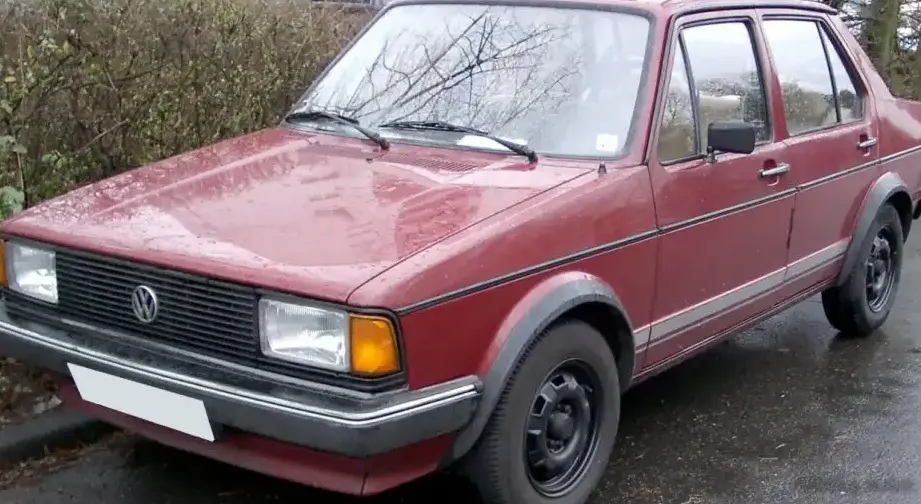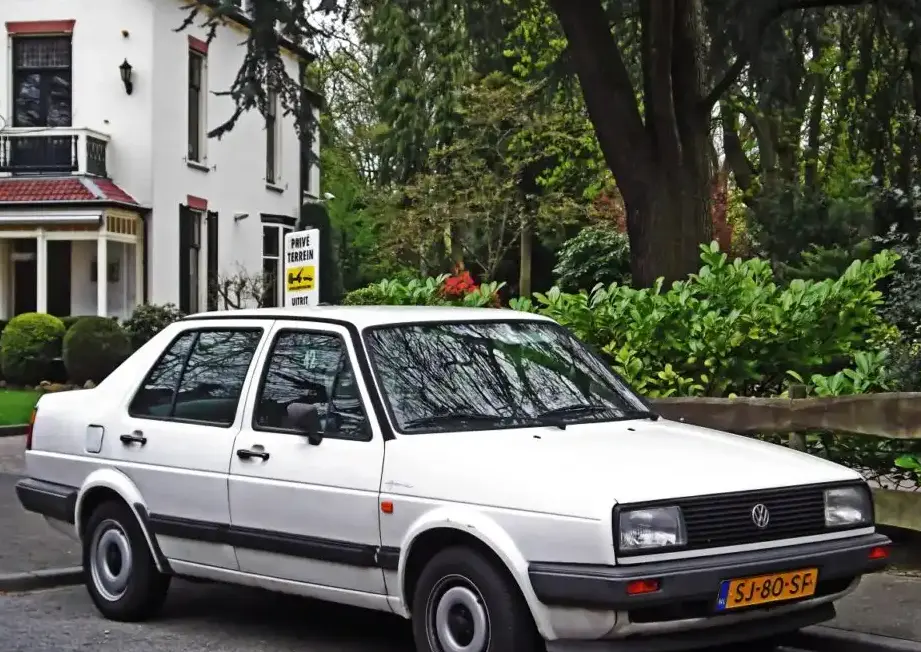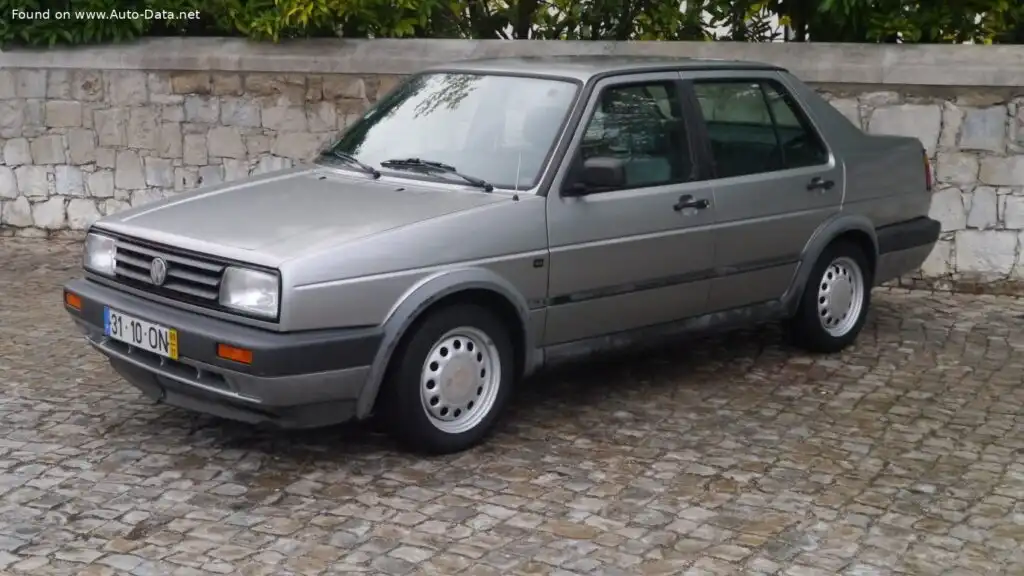
The Volkswagen Jetta II (facelift 1987) 1.6 TD, producing 80 horsepower, was a diesel-powered variant of the popular Jetta II, manufactured between 1989 and 1991. Positioned as an economy-focused option within the Jetta II range, it offered a balance of fuel efficiency and practicality for buyers seeking a no-frills, reliable sedan. This model sat below the gasoline-powered versions in terms of outright performance, but appealed to those prioritizing low running costs. It was part of the A2 generation of the Jetta, a significant model for Volkswagen in both European and North American markets.
Technical Specifications
| Brand | Volkswagen |
| Model | Jetta |
| Generation | Jetta II (facelift 1987) |
| Type (Engine) | 1.6 TD (80 Hp) |
| Start of production | 1989 |
| End of production | 1991 |
| Powertrain Architecture | Internal Combustion engine |
| Body type | Sedan |
| Seats | 5 |
| Doors | 4 |
| Fuel Type | Diesel |
| Acceleration 0 – 100 km/h | 13.2 sec |
| Acceleration 0 – 62 mph | 13.2 sec |
| Acceleration 0 – 60 mph | 12.5 sec |
| Maximum speed | 169 km/h (105.01 mph) |
| Power | 80 Hp @ 4500 rpm |
| Power per litre | 50.4 Hp/l |
| Torque | 155 Nm @ 2500-3000 rpm (114.32 lb.-ft. @ 2500-3000 rpm) |
| Engine layout | Front, Transverse |
| Engine Model/Code | RA, SB |
| Engine displacement | 1588 cm3 (96.91 cu. in.) |
| Number of cylinders | 4 |
| Engine configuration | Inline |
| Cylinder Bore | 76.5 mm (3.01 in.) |
| Piston Stroke | 86.4 mm (3.4 in.) |
| Compression ratio | 23:1 |
| Number of valves per cylinder | 2 |
| Fuel injection system | Precombustion chamber injection |
| Engine aspiration | Turbocharger, Intercooler |
| Valvetrain | SOHC |
| Engine oil capacity | 4.5 l (4.76 US qt | 3.96 UK qt) |
| Coolant | 6.3 l (6.66 US qt | 5.54 UK qt) |
| Trunk (boot) space – minimum | 575 l (20.31 cu. ft.) |
| Fuel tank capacity | 55 l (14.53 US gal | 12.1 UK gal) |
| Length | 4385 mm (172.64 in.) |
| Width | 1675 mm (65.94 in.) |
| Height | 1415 mm (55.71 in.) |
| Wheelbase | 2475 mm (97.44 in.) |
| Front track | 1427 mm (56.18 in.) |
| Rear (Back) track | 1422 mm (55.98 in.) |
| Drag coefficient (Cd) | 0.36 |
| Drivetrain Architecture | The Internal combustion engine (ICE) drives the front wheels of the vehicle. |
| Drive wheel | Front wheel drive |
| Number of gears and type of gearbox | 5 gears, manual transmission |
| Front suspension | Independent type McPherson |
| Rear suspension | Coil spring |
| Front brakes | Disc |
| Rear brakes | Drum |
| Steering type | Steering rack and pinion |
| Tires size | 175/70 R13 |
| Wheel rims size | 13 |
Powertrain & Engine Architecture
The heart of the Jetta II 1.6 TD was the 1.6-liter inline-four cylinder diesel engine, designated with engine codes RA or SB. This engine utilized precombustion chamber injection, a common diesel technology of the era. A turbocharger with an intercooler was employed to boost power output to 80 horsepower at 4500 rpm and 155 Nm (114.32 lb-ft) of torque between 2500 and 3000 rpm. The engine featured a single overhead camshaft (SOHC) valvetrain with two valves per cylinder. The relatively high compression ratio of 23:1 was typical for indirect injection diesel engines. The engine was transversely mounted in the front of the vehicle, driving the front wheels.
Driving Characteristics
The 1.6 TD offered modest performance. Acceleration from 0 to 60 mph took approximately 12.5 seconds, and top speed was around 105 mph. Compared to the gasoline-powered Jetta II variants, the diesel was noticeably slower, particularly in acceleration. However, the turbocharger helped to mitigate some of the typical diesel lag, providing a usable amount of torque at lower engine speeds. The five-speed manual transmission was geared to maximize fuel economy, and the gear ratios were spaced to keep the engine within its optimal torque band. The driving experience was characterized by its economy and practicality rather than sporty handling or rapid acceleration.
Equipment & Trim Levels
The 1.6 TD trim level was generally considered the entry-level offering in the Jetta II range. Standard equipment typically included basic cloth upholstery, a simple dashboard layout, and manual windows and door locks. Air conditioning, power windows, and upgraded audio systems were often available as optional extras. The interior was functional and durable, prioritizing practicality over luxury. Exterior features were also relatively basic, with steel wheels and limited chrome trim being common.
Chassis & Braking
The Jetta II 1.6 TD utilized an independent McPherson strut front suspension and a coil spring rear suspension. This setup provided a reasonable balance of ride comfort and handling. The front brakes were discs, while the rear brakes were drums – a cost-saving measure common in this class of vehicle. Steering was via a rack and pinion system. The tires were typically 175/70 R13 size, mounted on 13-inch steel wheels. The suspension was tuned for comfort and stability, rather than aggressive cornering.
Market Reception & Comparison
The Jetta II 1.6 TD was well-received by buyers seeking an economical and reliable compact sedan. Critics praised its fuel efficiency and durability, but noted its lack of performance compared to gasoline-powered alternatives. Compared to the more powerful Jetta II variants, such as those equipped with larger gasoline engines, the 1.6 TD offered significantly lower running costs but a less engaging driving experience. It was often compared to other European diesel sedans of the time, such as the Peugeot 305 and the Fiat Regata Diesel, generally holding its own in terms of fuel economy and reliability.
Legacy
The Volkswagen Jetta II 1.6 TD, while not a performance icon, has proven to be a remarkably durable and reliable vehicle. Many examples are still on the road today, a testament to the robust engineering of the engine and chassis. The 1.6 TD engine, in particular, is known for its longevity and relatively simple maintenance requirements. In the used car market, these Jettas are often sought after by enthusiasts and those looking for a classic, fuel-efficient vehicle. Parts availability remains reasonably good, contributing to their continued viability. The Jetta II 1.6 TD represents a practical and economical choice for buyers in the late 1980s and early 1990s, and its enduring reliability has cemented its place as a respected classic.