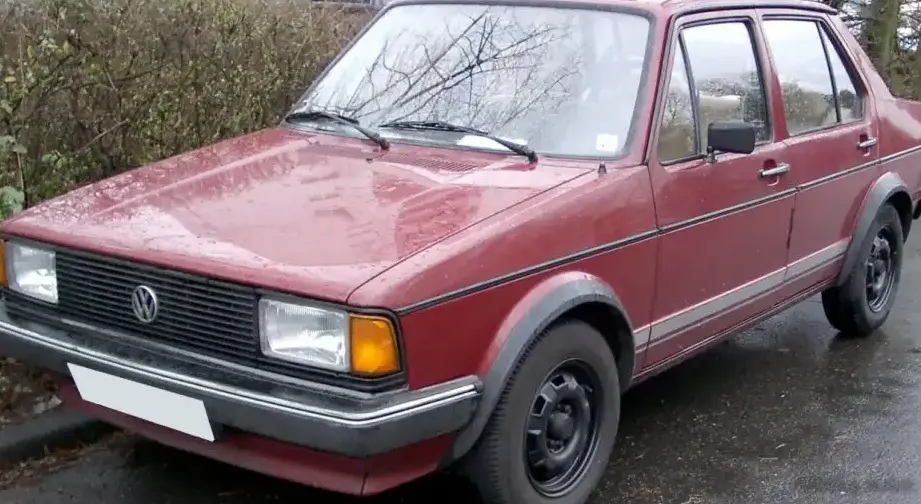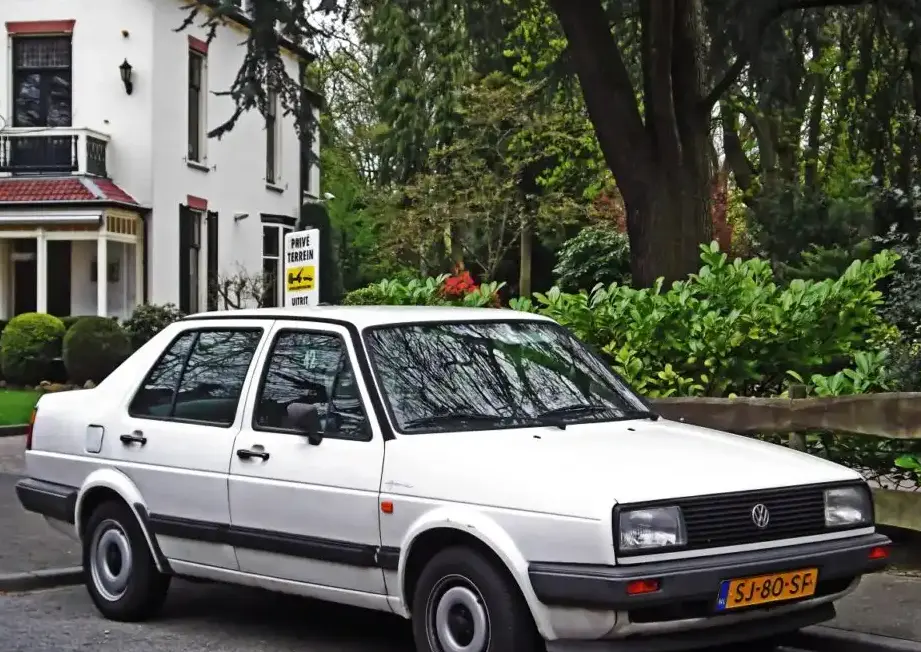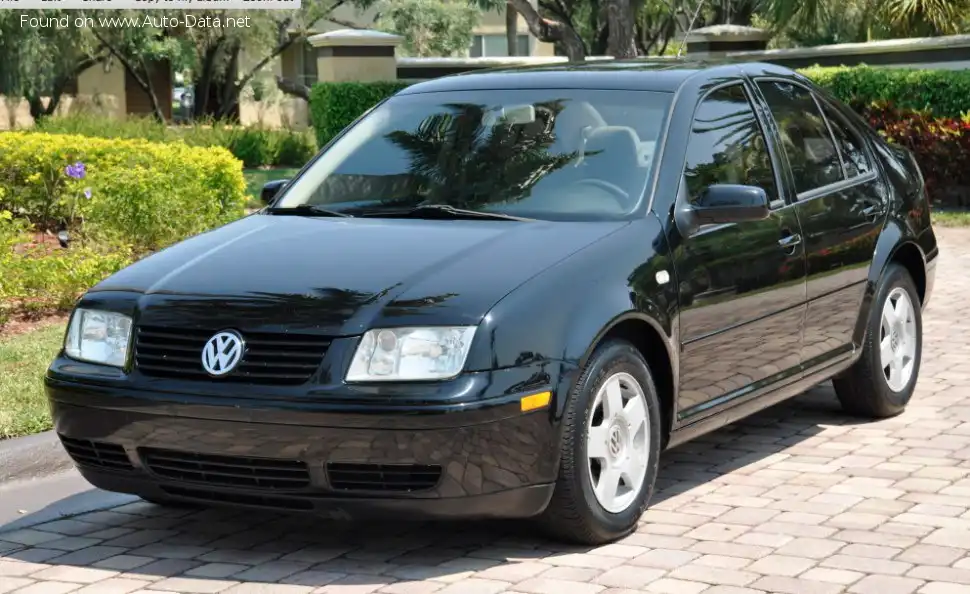
The Volkswagen Jetta IV 1.9 TDI, produced between 1999 and 2005, represents a significant iteration of Volkswagen’s popular compact sedan. Built on the 1HX0/A3 platform, this variant was a mainstay in the European market, offering a blend of fuel efficiency, practicality, and relatively accessible performance. In the United States, the Jetta IV was sold during this period, but the TDI engine was not initially available due to emissions regulations, becoming more common in later years. The 1.9 TDI (110 hp) model occupied a middle ground in the Jetta IV lineup, positioned between the base gasoline engines and the more powerful, often higher-trim, options.
Technical Specifications
| Brand | Volkswagen |
| Model | Jetta |
| Generation | Jetta IV |
| Type (Engine) | 1.9 TDI (110 Hp) |
| Start of production | 1999 |
| End of production | 2005 |
| Powertrain Architecture | Internal Combustion engine |
| Body type | Sedan |
| Seats | 5 |
| Doors | 4 |
| Fuel consumption (urban) | 6.6 l/100 km (35.6 US mpg) |
| Fuel consumption (extra urban) | 4.1 l/100 km (57.4 US mpg) |
| Fuel Type | Diesel |
| Acceleration 0 – 100 km/h | 10.9 sec |
| Acceleration 0 – 62 mph | 10.9 sec |
| Acceleration 0 – 60 mph | 10.4 sec |
| Maximum speed | 193 km/h (119.92 mph) |
| Weight-to-power ratio | 11.5 kg/Hp |
| Weight-to-torque ratio | 5.4 kg/Nm |
| Power | 110 Hp @ 4150 rpm |
| Power per litre | 58 Hp/l |
| Torque | 235 Nm @ 1900 rpm (173.33 lb.-ft. @ 1900 rpm) |
| Engine layout | Front, Longitudinal |
| Engine Model/Code | AHU |
| Engine displacement | 1896 cm3 (115.7 cu. in.) |
| Number of cylinders | 4 |
| Engine configuration | Inline |
| Cylinder Bore | 79.5 mm (3.13 in.) |
| Piston Stroke | 95.5 mm (3.76 in.) |
| Compression ratio | 19.5:1 |
| Number of valves per cylinder | 2 |
| Fuel injection system | Direct injection |
| Engine aspiration | Turbocharger, Intercooler |
| Valvetrain | OHC |
| Engine oil capacity | 4.5 l (4.76 US qt | 3.96 UK qt) |
| Coolant | 5.7 l (6.02 US qt | 5.02 UK qt) |
| Kerb Weight | 1265 kg (2788.85 lbs.) |
| Max. weight | 1820 kg (4012.41 lbs.) |
| Max load | 555 kg (1223.57 lbs.) |
| Trunk (boot) space – minimum | 455 l (16.07 cu. ft.) |
| Trunk (boot) space – maximum | 785 l (27.72 cu. ft.) |
| Fuel tank capacity | 55 l (14.53 US gal | 12.1 UK gal) |
| Length | 4376 mm (172.28 in.) |
| Width | 1740 mm (68.5 in.) |
| Height | 1450 mm (57.09 in.) |
| Wheelbase | 2513 mm (98.94 in.) |
| Front track | 1513 mm (59.57 in.) |
| Rear (Back) track | 1494 mm (58.82 in.) |
| Drivetrain Architecture | Front wheel drive |
| Number of gears | 5 |
| Gearbox type | Manual transmission |
| Front suspension | Coil spring |
| Rear suspension | Coil spring |
| Front brakes | Ventilated discs |
| Rear brakes | Disc |
| Assisting systems | ABS (Anti-lock braking system) |
| Steering type | Steering rack and pinion |
| Power steering | Hydraulic Steering |
| Tires size | 195/65 R15 |
| Wheel rims size | 6J x 15 |
Powertrain & Engine Architecture
The heart of the Jetta IV 1.9 TDI is the AHU engine code, a 1.9-liter inline-four cylinder diesel engine. This engine utilizes a direct injection system, a key technology for maximizing fuel efficiency and reducing emissions. Direct injection, in this case, means fuel is sprayed directly into the combustion chamber rather than the intake manifold. The AHU engine also features a turbocharger with an intercooler, which forces more air into the cylinders, boosting power output. The valvetrain is a simple Overhead Cam (OHC) design, contributing to the engine’s robustness and ease of maintenance. The 110 horsepower and 235 Nm (173 lb-ft) of torque were delivered at relatively low RPMs, making it a flexible and usable engine for everyday driving. The engine is longitudinally mounted, driving the front wheels.
Driving Characteristics
The 1.9 TDI with a manual transmission offered a good balance between fuel economy and performance. While not a sports car, the 110 hp engine provided adequate acceleration for highway merging and passing maneuvers. The torque curve was relatively flat, meaning that most of the engine’s pulling power was available across a wide range of RPMs. This made it easy to drive in various conditions without constantly shifting gears. Compared to the higher-output TDI variants (like the 150 hp versions found in later Jettas), the 110 hp model felt less urgent, but it also offered superior fuel economy. The five-speed manual transmission was well-matched to the engine’s characteristics, providing smooth and precise shifts.
Equipment & Trim Levels
The Jetta IV 1.9 TDI typically came with a reasonable level of standard equipment. This included power windows and locks, central locking, and an AM/FM radio. Higher trim levels, such as the GL or GLS, added features like alloy wheels, upgraded interior trim, a sunroof, and climate control. Interior upholstery was typically cloth, with options for leather available on higher trims. Safety features included dual front airbags and ABS brakes. Optional extras could include a CD player, heated seats, and a trip computer.
Chassis & Braking
The Jetta IV utilized a relatively simple suspension setup, with coil springs and shock absorbers at all four corners. The front suspension featured a MacPherson strut design, while the rear used a multi-link setup. This provided a comfortable ride quality, although it wasn’t particularly sporty. Braking duties were handled by ventilated discs at the front and solid discs at the rear. ABS (Anti-lock Braking System) was standard, enhancing safety during emergency braking situations. The steering was rack and pinion, providing precise and responsive handling.
Market Reception & Comparison
The Jetta IV 1.9 TDI was generally well-received by automotive critics for its fuel efficiency, practicality, and reliability. It was often praised as a sensible and economical choice for those seeking a compact sedan. Compared to the gasoline-powered Jettas, the TDI offered significantly better fuel economy, making it a popular choice for drivers who covered long distances. However, some critics noted that the TDI engine was somewhat noisy and lacked the refinement of some of its competitors. Compared to the more powerful Jetta variants, the 1.9 TDI offered a more affordable entry point into the Jetta lineup, but at the expense of outright performance.
Legacy
The 1.9 TDI engine, particularly the AHU code, has earned a reputation for being exceptionally durable and reliable. With proper maintenance, these engines can easily exceed 200,000 miles. Today, the Jetta IV 1.9 TDI remains a popular choice among enthusiasts and budget-conscious buyers. Parts availability is generally good, and the relatively simple mechanical design makes it relatively easy to maintain and repair. While finding a well-maintained example can be challenging, the Jetta IV 1.9 TDI continues to offer a compelling combination of fuel efficiency, practicality, and affordability.