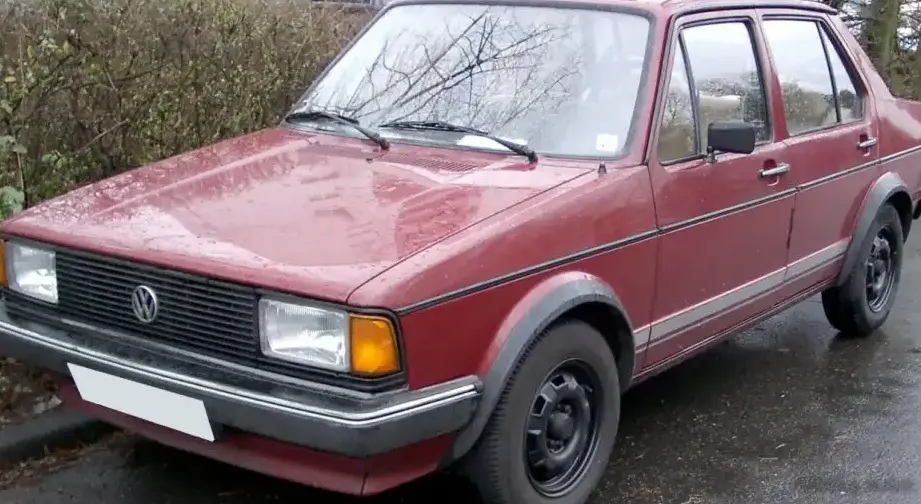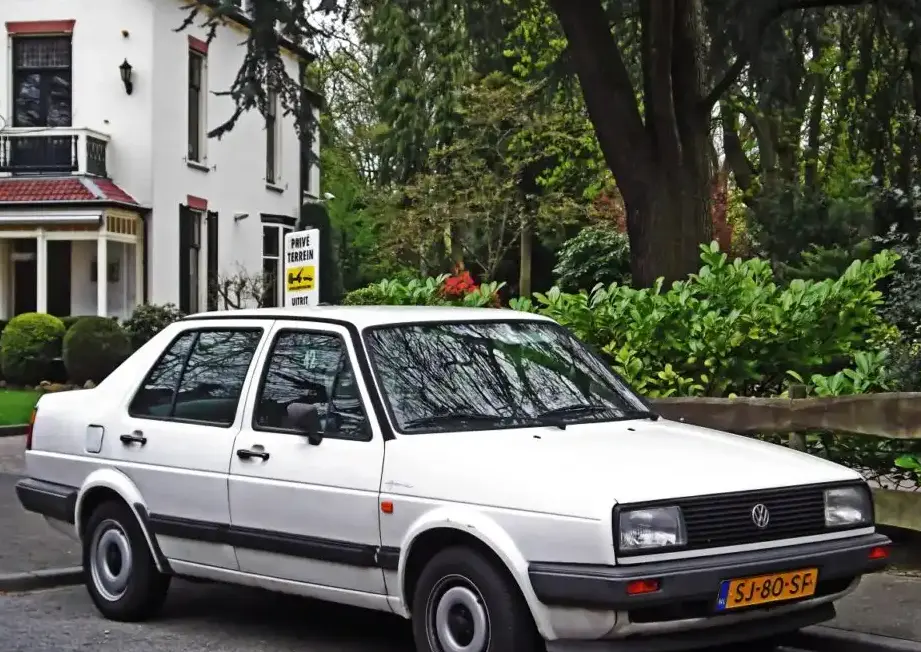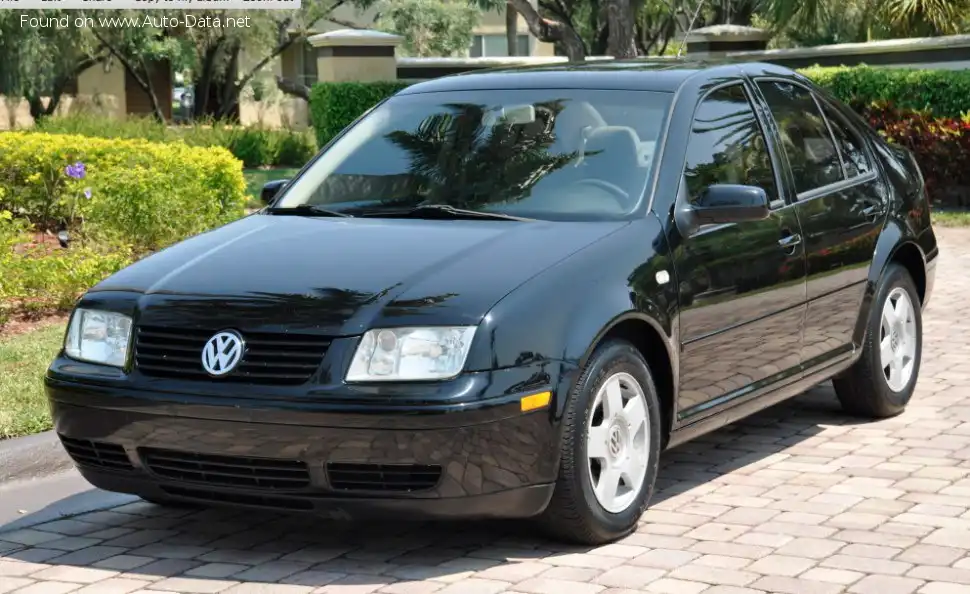
The Volkswagen Jetta IV 1.9 TDI Automatic, produced between 1999 and 2005, represented a popular entry point into the fourth-generation Jetta (Mk4) lineup, primarily in European markets. Built on the Volkswagen Group’s A4 (1HX0/A3) platform – shared with models like the Golf, Bora, and Audi A3 – this variant offered a blend of fuel efficiency and practicality, appealing to drivers seeking economical transportation. Positioned as a more affordable alternative to the gasoline-powered Jettas and the higher-performance TDI models, the 90 horsepower automatic version catered to a broad audience prioritizing comfort and low running costs over outright speed. It was a common sight on European roads, offering a diesel alternative in a segment increasingly dominated by petrol engines.
Technical Specifications
| Brand | Volkswagen |
| Model | Jetta |
| Generation | Jetta IV |
| Type (Engine) | 1.9 TDI (90 Hp) Automatic |
| Start of production | 1999 |
| End of production | 2005 |
| Powertrain Architecture | Internal Combustion engine |
| Body type | Sedan |
| Seats | 5 |
| Doors | 4 |
| Fuel consumption (urban) | 8.9 l/100 km (26.4 US mpg) |
| Fuel consumption (extra urban) | 4.8 l/100 km (49 US mpg) |
| Fuel Type | Diesel |
| Acceleration 0 – 100 km/h | 14.7 sec |
| Acceleration 0 – 62 mph | 14.7 sec |
| Acceleration 0 – 60 mph | 14 sec |
| Maximum speed | 180 km/h (111.85 mph) |
| Weight-to-power ratio | 19.2 kg/Hp |
| Weight-to-torque ratio | 8.5 kg/Nm |
| Power | 90 Hp @ 4000 rpm |
| Power per litre | 47.5 Hp/l |
| Torque | 202 Nm @ 1900 rpm (148.99 lb.-ft. @ 1900 rpm) |
| Engine layout | Front, Longitudinal |
| Engine Model/Code | ALH |
| Engine displacement | 1896 cm3 (115.7 cu. in.) |
| Number of cylinders | 4 |
| Engine configuration | Inline |
| Cylinder Bore | 79.5 mm (3.13 in.) |
| Piston Stroke | 95.5 mm (3.76 in.) |
| Compression ratio | 19.5:1 |
| Number of valves per cylinder | 2 |
| Fuel injection system | Direct injection |
| Engine aspiration | Turbocharger, Intercooler |
| Valvetrain | OHC |
| Engine oil capacity | 4.5 l (4.76 US qt | 3.96 UK qt) |
| Coolant capacity | 6 l (6.34 US qt | 5.28 UK qt) |
| Kerb Weight | 1725 kg (3802.97 lbs.) |
| Max. weight | 1820 kg (4012.41 lbs.) |
| Max load | 95 kg (209.44 lbs.) |
| Trunk (boot) space – minimum | 455 l (16.07 cu. ft.) |
| Trunk (boot) space – maximum | 785 l (27.72 cu. ft.) |
| Fuel tank capacity | 55 l (14.53 US gal | 12.1 UK gal) |
| Length | 4376 mm (172.28 in.) |
| Width | 1735 mm (68.31 in.) |
| Height | 1446 mm (56.93 in.) |
| Wheelbase | 2513 mm (98.94 in.) |
| Front track | 1513 mm (59.57 in.) |
| Rear track | 1494 mm (58.82 in.) |
| Drivetrain Architecture | Front wheel drive |
| Number of gears | 4 |
| Gearbox type | Automatic transmission |
| Front suspension | Coil spring |
| Rear suspension | Coil spring |
| Front brakes | Ventilated discs |
| Rear brakes | Disc |
| Assisting systems | ABS (Anti-lock braking system) |
| Steering type | Steering rack and pinion |
| Power steering | Hydraulic |
| Tires size | 195/65R15 |
| Wheel rims size | 6J x 15 |
Powertrain & Engine Architecture
The heart of the Jetta IV 1.9 TDI Automatic is the ALH engine, a 1.9-liter inline-four cylinder diesel. This engine is a direct-injection diesel, utilizing Volkswagen’s then-advanced TDI (Turbocharged Direct Injection) technology. The ALH engine is known for its robustness and relatively simple design. It features a single overhead camshaft (OHC) operating two valves per cylinder. The turbocharger, coupled with an intercooler, provides a modest boost, contributing to the 90 horsepower output. Fuel is delivered via a Bosch EDC (Electronic Diesel Control) system, precisely metering fuel injection for optimal combustion. The four-speed automatic transmission, typically the 09A unit, was chosen for its ease of use and comfort, although it wasn’t known for its sportiness or efficiency compared to the available manual transmissions.
Driving Characteristics
The 1.9 TDI Automatic Jetta offered a decidedly relaxed driving experience. With 90 horsepower and 202 Nm (148 lb-ft) of torque, acceleration was adequate for everyday driving, but not particularly brisk. The 0-60 mph time of around 14 seconds reflects this. The automatic transmission, while smooth, had relatively long gear ratios, prioritizing fuel economy over quick acceleration. Compared to the 1.8-liter gasoline versions, the TDI Automatic offered significantly better fuel economy and more low-end torque, making it easier to navigate city traffic and handle moderate inclines. However, it lacked the responsiveness of the manual transmission or the higher-output TDI variants (like the 110 hp or 130 hp versions). The engine was relatively quiet for a diesel, but the automatic transmission could sometimes feel hesitant during downshifts.
Equipment & Trim Levels
The Jetta IV 1.9 TDI Automatic typically came with a reasonable level of standard equipment. This included power windows, central locking, power steering, and an anti-lock braking system (ABS). Interior upholstery was usually cloth, with a fairly basic dashboard layout. Optional extras included air conditioning, alloy wheels, a sunroof, and an upgraded audio system. Trim levels varied slightly depending on the market, but generally, the 1.9 TDI Automatic sat in the mid-range of the Jetta lineup, offering a good balance of features and affordability. It was often positioned above the base gasoline models but below the more luxurious or performance-oriented trims.
Chassis & Braking
The Jetta IV utilized a MacPherson strut front suspension and a multi-link rear suspension, providing a comfortable ride quality. The front brakes were ventilated discs, while the rear brakes were typically solid discs, although some earlier models may have featured drum brakes. Stabilizer bars were fitted to both the front and rear axles to reduce body roll. The suspension was tuned for comfort rather than sporty handling, and the steering was hydraulic power-assisted, offering light and easy steering feel. The chassis was robust and well-built, contributing to the Jetta’s reputation for reliability.
Market Reception & Comparison
The Jetta IV 1.9 TDI Automatic was generally well-received by automotive critics as a practical and economical choice. Its fuel efficiency was a major selling point, particularly in Europe where diesel fuel was often cheaper than gasoline. However, some critics noted the lack of performance and the somewhat dated feel of the automatic transmission. Compared to the higher-output TDI models, the 90 hp version offered less excitement but significantly lower running costs. Against gasoline-powered competitors, the TDI Automatic provided superior fuel economy and torque, but often at a slightly higher purchase price.
Legacy
The ALH engine, found in the Jetta IV 1.9 TDI Automatic, has earned a reputation for exceptional durability and longevity. Properly maintained examples can easily exceed 200,000 miles (320,000 kilometers). On the used car market, these Jettas are often sought after by buyers looking for a reliable and fuel-efficient vehicle. While the automatic transmission isn’t as highly regarded as the manual, it remains a viable option for those prioritizing convenience. The Jetta IV 1.9 TDI Automatic represents a significant chapter in Volkswagen’s history, showcasing the brand’s commitment to diesel technology and its ability to produce practical and affordable vehicles.