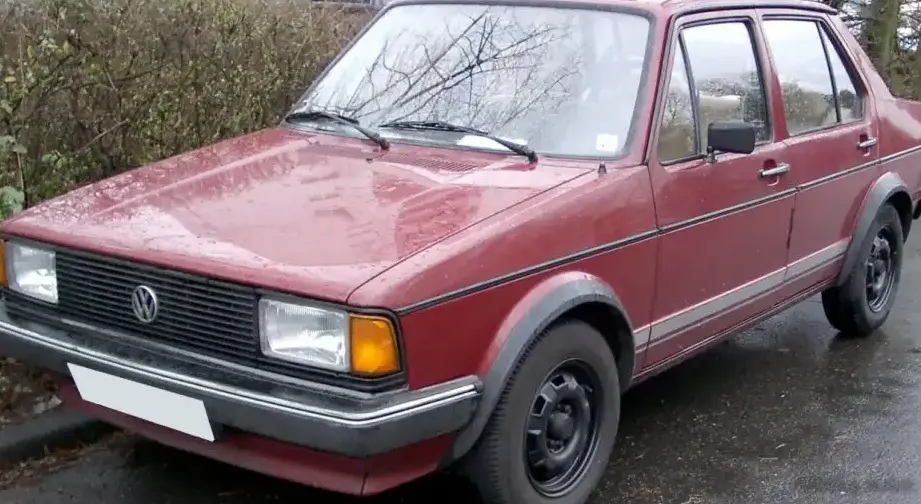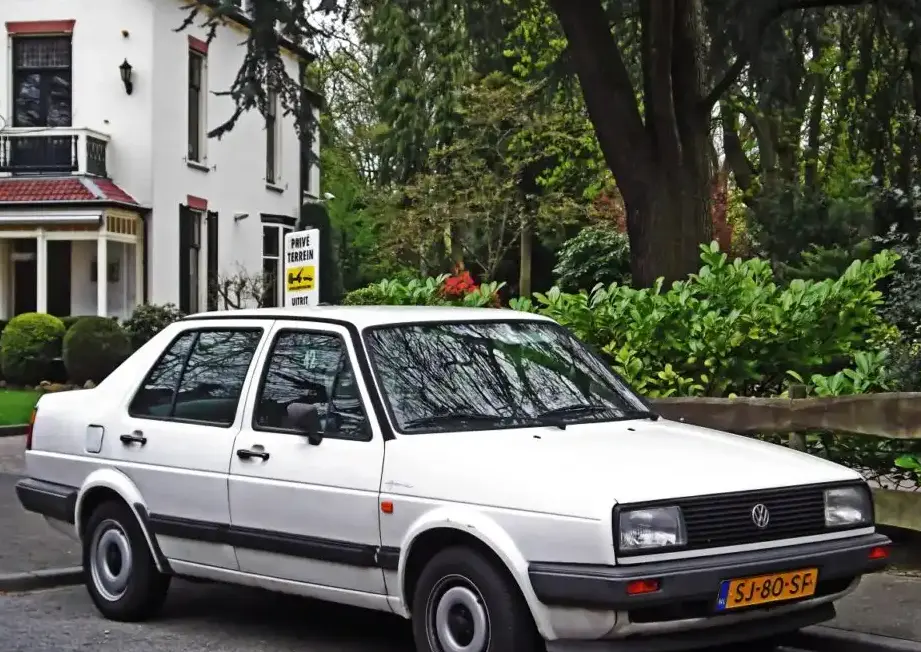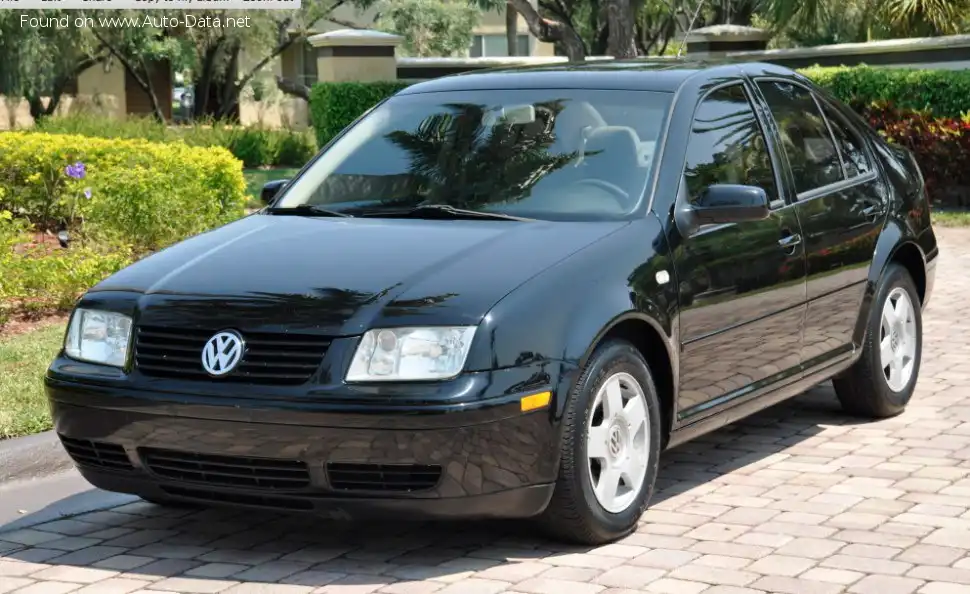
The Volkswagen Jetta IV 2.3 VR5, produced between 1998 and 2005, represented a unique offering within the fourth generation (Mk4) Jetta lineup. Positioned as a mid-range performance option, it bridged the gap between the more economical 1.8L four-cylinder models and the sportier, but more expensive, GTI. Built on the Volkswagen Group’s A4 platform (also known as the 1HX0), the Jetta IV was a significant model for Volkswagen in North America, offering a European-engineered sedan with a focus on practicality and a touch of refinement. The 2.3 VR5 variant aimed to provide a more engaging driving experience without sacrificing the Jetta’s reputation for comfort and reliability.
Technical Specifications
| Brand | Volkswagen |
| Model | Jetta |
| Generation | Jetta IV |
| Type (Engine) | 2.3 VR5 (150 Hp) |
| Start of production | 1998 |
| End of production | 2005 |
| Powertrain Architecture | Internal Combustion engine |
| Body type | Sedan |
| Seats | 5 |
| Doors | 4 |
| Fuel consumption (urban) | 13.2 l/100 km (17.8 US mpg) |
| Fuel consumption (extra urban) | 7.2 l/100 km (32.7 US mpg) |
| Fuel Type | Petrol (Gasoline) |
| Acceleration 0 – 100 km/h | 9.1 sec |
| Acceleration 0 – 62 mph | 9.1 sec |
| Acceleration 0 – 60 mph | 8.6 sec |
| Maximum speed | 216 km/h (134.22 mph) |
| Weight-to-power ratio | 8.7 kg/Hp |
| Weight-to-torque ratio | 6.3 kg/Nm |
| Power | 150 Hp @ 6000 rpm |
| Power per litre | 64.5 Hp/l |
| Torque | 205 Nm @ 3200 rpm (151.2 lb.-ft. @ 3200 rpm) |
| Engine layout | Front, Transverse |
| Engine Model/Code | AGZ |
| Engine displacement | 2324 cm3 (141.82 cu. in.) |
| Number of cylinders | 5 |
| Engine configuration | VR-engine |
| Cylinder Bore | 81 mm (3.19 in.) |
| Piston Stroke | 90.2 mm (3.55 in.) |
| Compression ratio | 10:1 |
| Number of valves per cylinder | 2 |
| Fuel injection system | Multi-port manifold injection |
| Engine aspiration | Naturally aspirated engine |
| Valvetrain | DOHC |
| Engine oil capacity | 3.9 l (4.12 US qt | 3.43 UK qt) |
| Coolant | 9 l (9.51 US qt | 7.92 UK qt) |
| Kerb Weight | 1300 kg (2866.01 lbs.) |
| Max. weight | 1825 kg (4023.44 lbs.) |
| Max load | 525 kg (1157.43 lbs.) |
| Trunk (boot) space – minimum | 455 l (16.07 cu. ft.) |
| Trunk (boot) space – maximum | 785 l (27.72 cu. ft.) |
| Fuel tank capacity | 55 l (14.53 US gal | 12.1 UK gal) |
| Length | 4376 mm (172.28 in.) |
| Width | 1740 mm (68.5 in.) |
| Height | 1450 mm (57.09 in.) |
| Wheelbase | 2513 mm (98.94 in.) |
| Front track | 1513 mm (59.57 in.) |
| Rear (Back) track | 1494 mm (58.82 in.) |
| Drivetrain Architecture | The Internal combustion engine (ICE) drives the front wheels of the vehicle. |
| Drive wheel | Front wheel drive |
| Number of gears and type of gearbox | 5 gears, manual transmission |
| Front suspension | Coil spring |
| Rear suspension | Coil spring |
| Front brakes | Ventilated discs |
| Rear brakes | Disc |
| Assisting systems | ABS (Anti-lock braking system) |
| Steering type | Steering rack and pinion |
| Power steering | Hydraulic Steering |
| Tires size | 195/65R15 |
| Wheel rims size | 6J x 15 |
Powertrain & Engine Architecture
The heart of the Jetta IV 2.3 VR5 is the AGZ engine code, a 2.3-liter naturally aspirated VR5 engine. This engine is notable for its unique configuration – a narrow-angle V5, essentially half of a V10. This design allowed for a shorter engine block compared to a traditional inline-five, facilitating its fitment into the Jetta’s engine bay. The engine utilizes multi-port fuel injection and a double overhead camshaft (DOHC) valvetrain, contributing to its relatively smooth power delivery. The VR5’s 150 horsepower at 6000 rpm and 151.2 lb-ft of torque at 3200 rpm provided a noticeable step up in performance compared to the base 1.8L four-cylinder engines. The engine’s inherent balance, due to its firing order and configuration, resulted in reduced vibrations compared to some inline-five designs.
Driving Characteristics
The 2.3 VR5 Jetta IV offered a more refined and capable driving experience than its four-cylinder counterparts. While not a sports car, the VR5 provided ample power for everyday driving and confident highway passing. The five-speed manual transmission, standard on this model, allowed drivers to fully utilize the engine’s torque curve. The gear ratios were well-matched, providing brisk acceleration without feeling overly stressed. Compared to the automatic transmission options available on other Jetta trims, the manual version of the VR5 offered a more engaging and responsive feel. The suspension, tuned for comfort, provided a reasonably compliant ride, although it wasn’t as sporty as the GTI’s setup.
Equipment & Trim Levels
The Jetta IV 2.3 VR5 typically came equipped with a respectable level of standard features. These included air conditioning, power windows and locks, and an upgraded audio system compared to the base models. Interior upholstery was typically cloth, with optional leather available. Common optional extras included a sunroof, alloy wheels, and a premium sound system. The VR5 trim often served as a base for adding these options, allowing buyers to customize their Jetta to their preferences. The dashboard layout was typical of the Mk4 Jetta, featuring a straightforward design with easy-to-read gauges.
Chassis & Braking
The Jetta IV 2.3 VR5 utilized a MacPherson strut front suspension and a multi-link rear suspension, providing a good balance of ride comfort and handling. The braking system consisted of ventilated discs at the front and solid discs at the rear, offering adequate stopping power for the vehicle’s weight and performance. Anti-lock braking system (ABS) was standard, enhancing safety. The steering was rack-and-pinion with hydraulic power assistance, providing a responsive and precise feel. The VR5 model typically featured slightly thicker stabilizer bars compared to the base models, contributing to reduced body roll during cornering.
Market Reception & Comparison
The Jetta IV 2.3 VR5 received generally positive reviews from automotive critics. It was praised for its unique engine, refined driving experience, and comfortable interior. However, some critics noted that the VR5 engine wasn’t as fuel-efficient as the four-cylinder options. Compared to the 1.8T models, the VR5 offered a different character – less turbo lag but also less peak power. Against the 1.8L models, the VR5 provided a significant performance upgrade, justifying its higher price point for drivers seeking a more engaging driving experience. Reliability was generally good, although the VR5 engine’s more complex design could potentially lead to higher maintenance costs over the long term.
Legacy
The Volkswagen Jetta IV 2.3 VR5 has developed a loyal following among enthusiasts. The VR5 engine is appreciated for its unique sound and smooth power delivery. While not as common as the 1.8T or TDI models, the VR5 Jettas hold their value reasonably well in the used car market. The AGZ engine, while generally reliable, requires regular maintenance, including oil changes and timing belt replacements. Parts availability is generally good, but some VR5-specific components can be more difficult to source. Today, the Jetta IV 2.3 VR5 represents a distinctive and enjoyable driving experience, offering a blend of German engineering, practicality, and a touch of individuality.