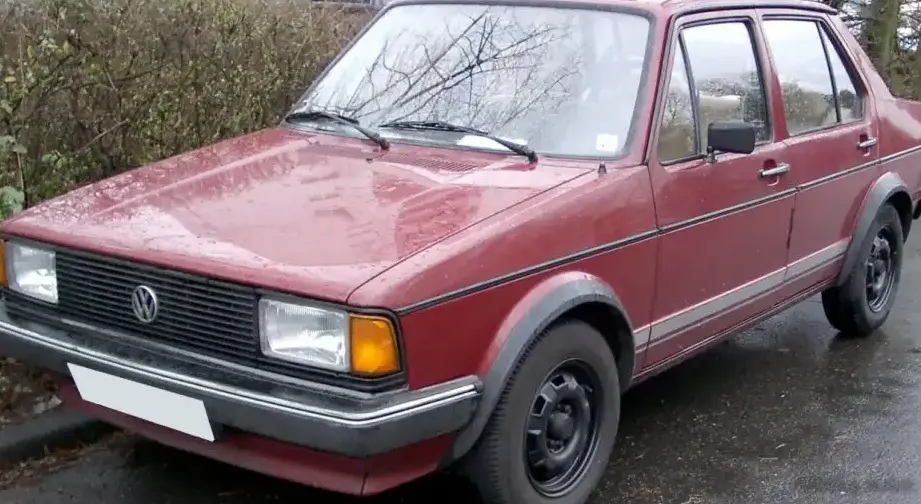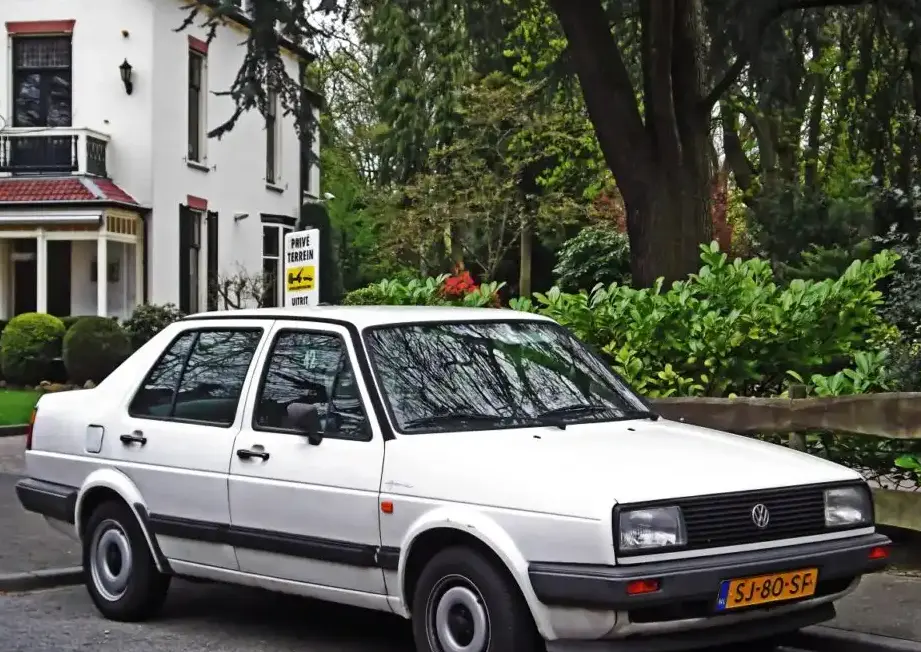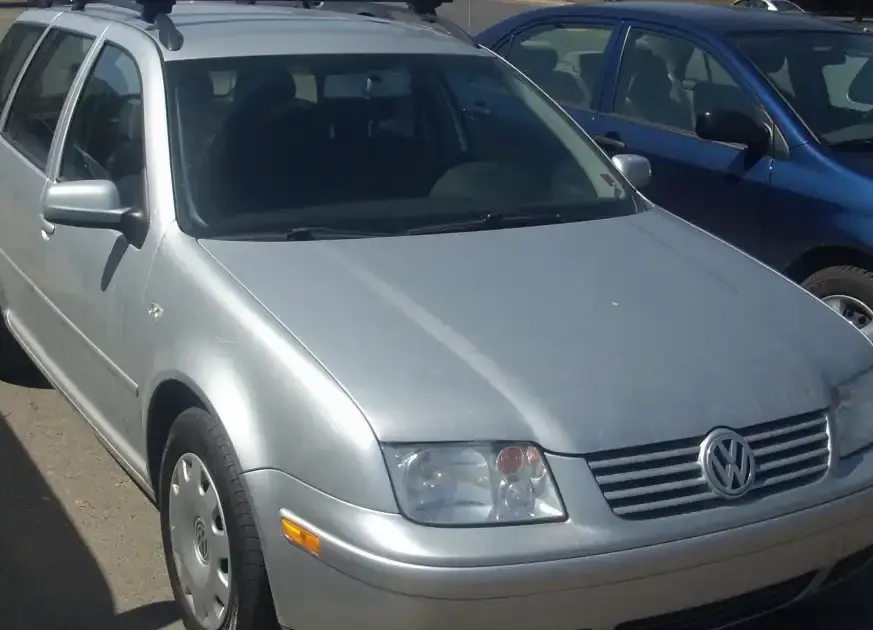
The Volkswagen Jetta IV Wagon 1.8T 20V Automatic, produced between 1998 and 2005, represents a compelling blend of practicality and performance within the fourth generation (Mk4) Jetta lineup. Positioned as a mid-range offering, it catered to buyers seeking the versatility of a wagon body style combined with a turbocharged engine and the convenience of an automatic transmission. This variant was a significant part of Volkswagen’s strategy to offer a diverse range of options within the popular A4 platform, shared with models like the Golf, Bora, and New Beetle. The Jetta IV Wagon, in general, aimed to provide a more refined and spacious alternative to traditional compact sedans, particularly appealing to families and those with active lifestyles.
Technical Specifications
| Brand | Volkswagen |
| Model | Jetta |
| Generation | Jetta IV Wagon |
| Type (Engine) | 1.8 T 20V (150 Hp) Automatic |
| Start of production | 1998 |
| End of production | 2005 |
| Powertrain Architecture | Internal Combustion engine |
| Body type | Station wagon (estate) |
| Seats | 5 |
| Doors | 5 |
| Fuel consumption (urban) | 10.8 l/100 km (21.8 US mpg) |
| Fuel consumption (extra urban) | 6.3 l/100 km (37.3 US mpg) |
| Fuel Type | Petrol (Gasoline) |
| Acceleration 0 – 100 km/h | 10.1 sec |
| Acceleration 0 – 62 mph | 10.1 sec |
| Acceleration 0 – 60 mph | 9.6 sec |
| Maximum speed | 216 km/h (134.22 mph) |
| Weight-to-power ratio | 9.1 kg/Hp |
| Weight-to-torque ratio | 6.5 kg/Nm |
| Power | 150 Hp @ 5700 rpm |
| Torque | 210 Nm @ 1750 rpm (154.89 lb.-ft. @ 1750 rpm) |
| Engine layout | Front, Longitudinal |
| Engine displacement | 1781 cm3 (108.68 cu. in.) |
| Number of cylinders | 4 |
| Engine configuration | Inline |
| Cylinder Bore | 81 mm (3.19 in.) |
| Piston Stroke | 86.4 mm (3.4 in.) |
| Compression ratio | 9.5:1 |
| Number of valves per cylinder | 5 |
| Fuel injection system | Multi-port manifold injection |
| Engine aspiration | Turbocharger |
| Valvetrain | DOHC |
| Engine oil capacity | 4.35 l (4.6 US qt | 3.83 UK qt) |
| Coolant capacity | 5 l (5.28 US qt | 4.4 UK qt) |
| Kerb Weight | 1360 kg (2998.29 lbs.) |
| Max. weight | 1870 kg (4122.64 lbs.) |
| Max load | 510 kg (1124.36 lbs.) |
| Trunk (boot) space – minimum | 460 l (16.24 cu. ft.) |
| Trunk (boot) space – maximum | 1470 l (51.91 cu. ft.) |
| Fuel tank capacity | 55 l (14.53 US gal | 12.1 UK gal) |
| Length | 4409 mm (173.58 in.) |
| Width | 1735 mm (68.31 in.) |
| Height | 1485 mm (58.46 in.) |
| Wheelbase | 2515 mm (99.02 in.) |
| Front track | 1513 mm (59.57 in.) |
| Rear track | 1494 mm (58.82 in.) |
| Drivetrain Architecture | Front wheel drive |
| Number of gears | 5 |
| Gearbox type | Automatic transmission |
| Front suspension | Coil spring |
| Rear suspension | Coil spring |
| Front brakes | Ventilated discs |
| Rear brakes | Disc |
| Assisting systems | ABS (Anti-lock braking system) |
| Steering type | Steering rack and pinion |
| Power steering | Hydraulic |
| Tires size | 195/65 R15 |
| Wheel rims size | 15 |
Introduction
The Jetta IV Wagon 1.8T 20V Automatic, built between 1998 and 2005, was a key variant within the Mk4 Jetta range. Based on the Volkswagen Group’s A4 platform, it shared its underpinnings with the Golf, Bora (the European sedan equivalent of the Jetta), and New Beetle. The wagon body style offered increased cargo capacity and versatility compared to the sedan, making it a popular choice for families and those needing to transport larger items. The 1.8-liter turbocharged engine, paired with a five-speed automatic transmission, provided a balance of performance and convenience, though it wasn’t the sportiest configuration available. This trim level aimed for a broader audience than the high-performance GTI or the more economical TDI diesel models.
Powertrain & Engine Architecture
At the heart of the Jetta IV Wagon 1.8T was the 1781cc (1.8L) inline-four cylinder engine, designated with engine codes like AWD (though variations existed depending on the market). This engine featured a cast iron block and an aluminum cylinder head, incorporating 20 valves (five per cylinder) operated by a dual overhead camshaft (DOHC) valvetrain. The key feature was its turbocharger, which significantly boosted power output compared to naturally aspirated engines of similar displacement. Fuel delivery was handled by a multi-port fuel injection system. The 1.8T engine was known for its relatively smooth power delivery and responsiveness. The five-speed automatic transmission, typically the 5HP19, was a conventional hydraulic automatic, offering smooth shifts but lacking the efficiency and responsiveness of modern transmissions. Gear ratios were tuned for comfortable cruising and adequate acceleration, prioritizing usability over outright performance.
Driving Characteristics
The 150 horsepower and 155 lb-ft of torque produced by the 1.8T engine, when coupled with the automatic transmission, resulted in a driving experience that prioritized comfort and ease of use. Acceleration from 0-60 mph took around 9.6 seconds, which was respectable for the era but noticeably slower than the manual transmission or higher-output versions of the 1.8T. The automatic transmission, while convenient, did sap some of the engine’s responsiveness. Upshifts were generally smooth, but downshifts could sometimes feel hesitant, particularly during more spirited driving. The wagon’s suspension, typically a coil spring setup, provided a comfortable ride, absorbing bumps and imperfections in the road well. However, it wasn’t particularly sporty, with noticeable body roll during cornering. The steering, utilizing a hydraulic rack and pinion system, offered adequate feedback but lacked the precision of more modern systems.
Equipment & Trim Levels
The Jetta IV Wagon 1.8T Automatic typically came with a reasonable level of standard equipment. This included power windows, power locks, air conditioning, and an AM/FM radio with a CD player. Interior upholstery was usually cloth, with options for leather available as an upgrade. Dashboard configuration was fairly standard for the Mk4 platform, with a straightforward layout and easy-to-read gauges. Optional extras included a sunroof, alloy wheels, upgraded audio systems, and side airbags. Higher trim levels, often denoted by designations like “GLX,” added features such as automatic climate control, heated seats, and more premium interior materials.
Chassis & Braking
The Jetta IV Wagon’s chassis was a typical unibody construction, providing a good balance of strength and rigidity. The front suspension utilized coil springs and independent control arms, while the rear suspension employed a semi-independent torsion beam setup. Braking duties were handled by ventilated discs at the front and solid discs at the rear. Anti-lock braking system (ABS) was standard, enhancing safety by preventing wheel lockup during hard braking. Stabilizer bars were fitted to both the front and rear axles to reduce body roll. The suspension tuning was geared towards comfort, prioritizing ride quality over sporty handling.
Market Reception & Comparison
The Jetta IV Wagon 1.8T Automatic received generally positive reviews from automotive critics. It was praised for its spacious interior, versatile cargo area, and comfortable ride. However, the automatic transmission was often criticized for its lack of responsiveness compared to the manual gearbox. Compared to the 1.9 TDI diesel variant, the 1.8T offered more power and a smoother driving experience but suffered from lower fuel economy. Against the higher-output 1.8T models (typically around 200 hp), the 150 hp version felt noticeably less powerful. The 1.8T Automatic appealed to buyers who prioritized convenience and comfort over outright performance, making it a popular choice for families and commuters.
Legacy
The Jetta IV Wagon 1.8T Automatic has proven to be a relatively reliable vehicle, with many examples still on the road today. The 1.8T engine, while prone to occasional issues like coil pack failures and oil leaks, is generally considered durable and long-lasting. The automatic transmission, if properly maintained, can also provide years of reliable service. In the used car market, these wagons are often sought after for their practicality and affordability. They represent a good value for buyers looking for a spacious and comfortable vehicle with a turbocharged engine. However, potential buyers should be aware of the potential for age-related issues and ensure that the vehicle has been well-maintained.