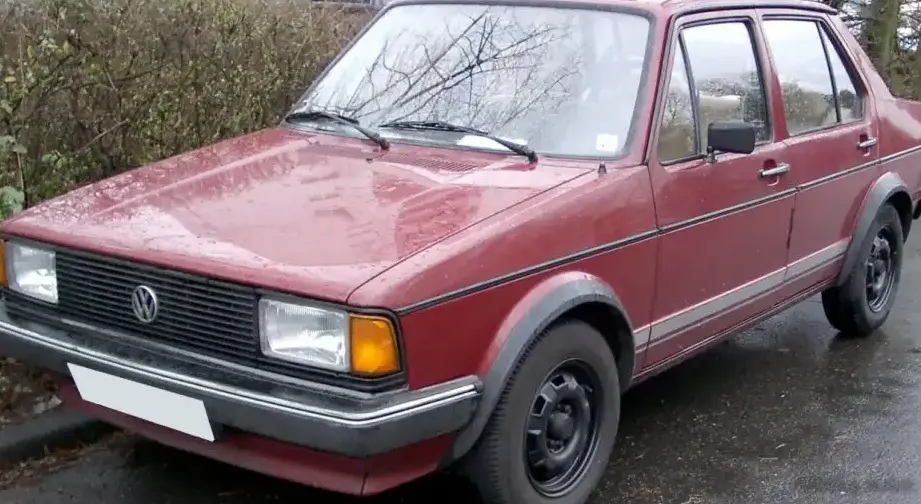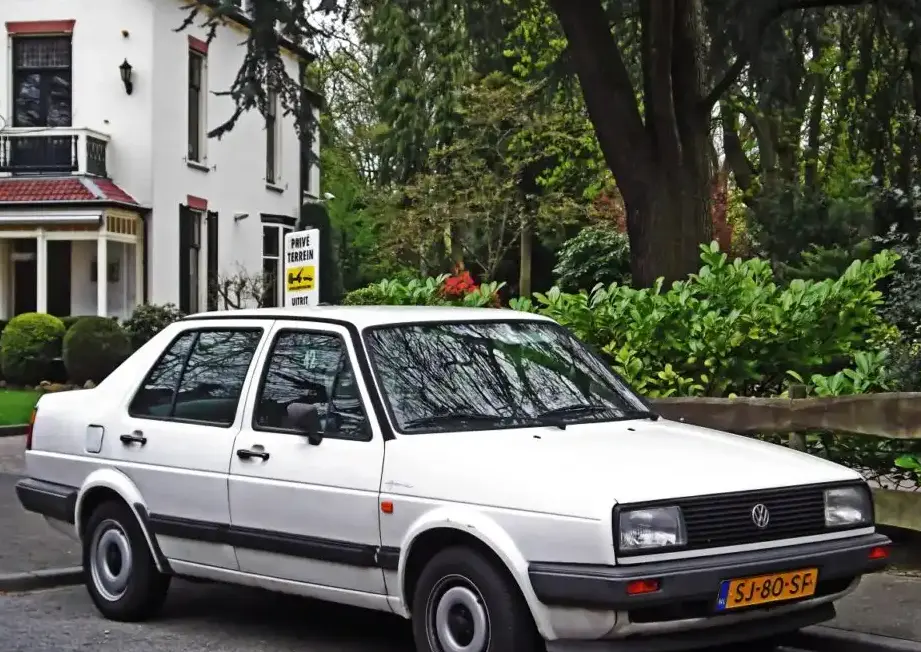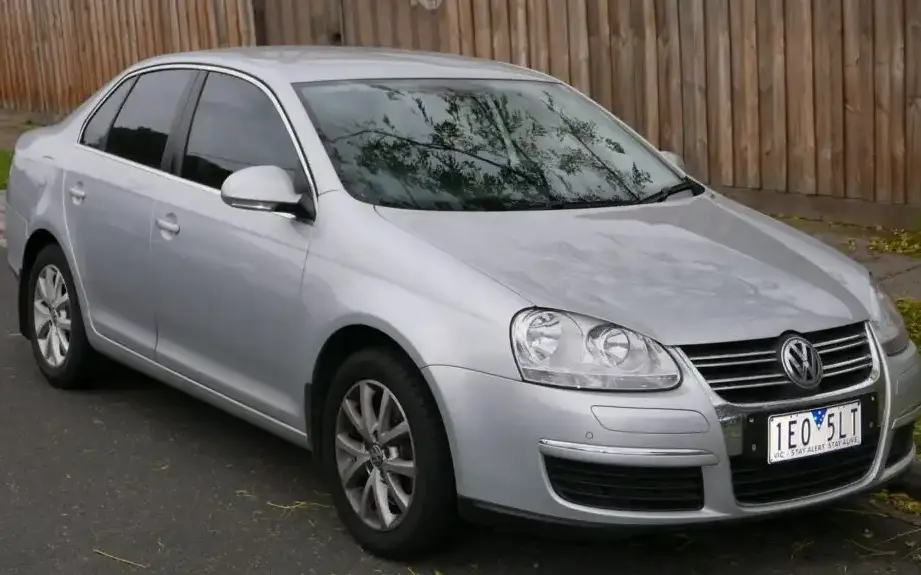
The Volkswagen Jetta V 2.0 TDI CR (140 hp) represents a significant iteration of Volkswagen’s popular compact sedan, produced between 2008 and 2010. Positioned as a fuel-efficient and practical option within the Jetta V range (the fifth generation, internally designated the 1K chassis), this variant aimed to balance performance with economy, appealing to drivers seeking a diesel-powered vehicle for daily commuting and long-distance travel. It was a key model in Europe, where diesel engines held a substantial market share, and saw increasing, though more limited, sales in North America as diesel technology gained traction. This specific configuration utilized a common rail diesel injection system and a six-speed manual transmission, offering a blend of refinement and driver control.
Technical Specifications
| Brand | Volkswagen |
| Model | Jetta |
| Generation | Jetta V |
| Type (Engine) | 2.0 TDI CR (140 Hp) |
| Start of production | 2008 |
| End of production | 2010 |
| Powertrain Architecture | Internal Combustion engine |
| Body type | Sedan |
| Seats | 5 |
| Doors | 4 |
| Fuel consumption (economy) – urban (NEDC) | 7.1 l/100 km (33.1 US mpg, 39.8 UK mpg, 14.1 km/l) |
| Fuel consumption (economy) – extra urban (NEDC) | 4.5 l/100 km (52.3 US mpg, 62.8 UK mpg, 22.2 km/l) |
| Fuel consumption (economy) – combined (NEDC) | 5.5 l/100 km (42.8 US mpg, 51.4 UK mpg, 18.2 km/l) |
| CO2 emissions (NEDC) | 143 g/km |
| Fuel Type | Diesel |
| Acceleration 0 – 100 km/h | 9.7 sec |
| Acceleration 0 – 62 mph | 9.7 sec |
| Acceleration 0 – 60 mph | 9.2 sec |
| Maximum speed | 207 km/h (128.62 mph) |
| Emission standard | Euro 4 |
| Weight-to-power ratio | 10.1 kg/Hp, 99.2 Hp/tonne |
| Weight-to-torque ratio | 4.4 kg/Nm, 226.8 Nm/tonne |
| Power | 140 Hp @ 4200 rpm |
| Power per litre | 71.1 Hp/l |
| Torque | 320 Nm @ 1750-2500 rpm (236.02 lb.-ft. @ 1750-2500 rpm) |
| Engine layout | Front, Transverse |
| Engine Model/Code | CBDB |
| Engine displacement | 1968 cm3 (120.09 cu. in.) |
| Number of cylinders | 4 |
| Engine configuration | Inline |
| Cylinder Bore | 81 mm (3.19 in.) |
| Piston Stroke | 95.5 mm (3.76 in.) |
| Compression ratio | 18:1 |
| Number of valves per cylinder | 4 |
| Fuel injection system | Diesel Commonrail |
| Engine aspiration | Turbocharger, Intercooler |
| Valvetrain | DOHC |
| Engine oil capacity | 4.3 l (4.54 US qt | 3.78 UK qt) |
| Coolant | 5.6 l (5.92 US qt | 4.93 UK qt) |
| Kerb Weight | 1411 kg (3110.72 lbs.) |
| Max. weight | 2000 kg (4409.25 lbs.) |
| Max load | 589 kg (1298.52 lbs.) |
| Trunk (boot) space – minimum | 527 l (18.61 cu. ft.) |
| Fuel tank capacity | 55 l (14.53 US gal | 12.1 UK gal) |
| Max. roof load | 75 kg (165.35 lbs.) |
| Permitted trailer load with brakes (8%) | 1700 kg (3747.86 lbs.) |
| Permitted trailer load with brakes (12%) | 1500 kg (3306.93 lbs.) |
| Permitted trailer load without brakes | 730 kg (1609.37 lbs.) |
| Permitted towbar download | 75 kg (165.35 lbs.) |
| Length | 4554 mm (179.29 in.) |
| Width | 1781 mm (70.12 in.) |
| Width including mirrors | 2010 mm (79.13 in.) |
| Height | 1459 mm (57.44 in.) |
| Wheelbase | 2578 mm (101.5 in.) |
| Front track | 1534 mm (60.39 in.) |
| Rear (Back) track | 1512 mm (59.53 in.) |
| Minimum turning circle | 10.9 m (35.76 ft.) |
| Drivetrain Architecture | Front wheel drive |
| Number of gears and type of gearbox | 6 gears, manual transmission |
| Front suspension | Coil spring, Wishbone, Transverse stabilizer |
| Rear suspension | Independent multi-link suspension, Transverse stabilizer |
| Front brakes | Ventilated discs |
| Rear brakes | Disc |
| Assisting systems | ABS (Anti-lock braking system) |
| Steering type | Steering rack and pinion |
| Power steering | Electric Steering |
| Tires size | 205/55 R16 |
| Wheel rims size | 6.5J x 16 |
INTRODUCTION
The Jetta V 2.0 TDI CR, produced from 2008 to 2010, was a key component of Volkswagen’s fifth-generation Jetta lineup. Built on the versatile 1K platform shared with the Golf Mk5, Audi A3, and other models, the Jetta V aimed to offer a more spacious and practical alternative to the Golf hatchback, particularly appealing to North American consumers. The “CR” designation signifies the use of Common Rail direct injection, a technology that significantly improved fuel efficiency, reduced emissions, and enhanced engine refinement compared to earlier TDI systems. This 140 horsepower variant occupied a middle ground in the Jetta V range, offering a balance between performance and economy, positioned above the lower-powered TDI models and below the more potent petrol (gasoline) engines.
Powertrain & Engine Architecture
At the heart of the Jetta V 2.0 TDI CR lies the CBDB engine code, a 1968cc inline-four cylinder diesel engine. This engine utilizes a sophisticated Common Rail direct injection system, delivering fuel directly into the combustion chamber at extremely high pressure. This system, coupled with a turbocharger and intercooler, allows for efficient combustion and increased power output. The engine features a Double Overhead Camshaft (DOHC) valvetrain with four valves per cylinder, optimizing airflow for improved performance. The 2.0 TDI CR produces 140 horsepower at 4200 rpm and a substantial 320 Nm (236 lb-ft) of torque between 1750 and 2500 rpm. This broad torque curve provides strong acceleration and effortless cruising. The engine is transversely mounted, driving the front wheels through a robust six-speed manual transmission. This transmission was chosen for its efficiency and driver engagement, offering precise gear changes and contributing to the car’s overall fuel economy.
Driving Characteristics
The Jetta V 2.0 TDI CR with the six-speed manual transmission delivers a surprisingly engaging driving experience. The abundant low-end torque makes it easy to navigate city streets and provides ample power for overtaking maneuvers on the highway. While not a sports car, the 140 hp engine provides adequate acceleration, reaching 0-60 mph in approximately 9.2 seconds. The six-speed gearbox is well-matched to the engine’s characteristics, allowing drivers to keep the engine in its optimal power band. Compared to the lower-powered TDI variants, the 2.0 TDI CR offers noticeably more punch, while remaining more economical than the petrol engines. The manual transmission provides more driver control than the available automatic option, allowing for precise gear selection and maximizing fuel efficiency. The suspension, tuned for comfort, provides a reasonably compliant ride, although it can feel slightly firm over rough surfaces.
Equipment & Trim Levels
The Jetta V 2.0 TDI CR typically came equipped with a respectable level of standard features. Base models included air conditioning, power windows and locks, a basic audio system, and alloy wheels. Higher trim levels, such as Trendline and Comfortline, added features like a multi-function steering wheel, cruise control, upgraded audio systems, and automatic climate control. Optional extras included a sunroof, leather upholstery, and a navigation system. Interior upholstery was typically cloth, with higher trims offering leather options. The dashboard layout was functional and straightforward, with clear instrumentation and logically placed controls. Safety features included ABS brakes, front and side airbags, and a stability control system.
Chassis & Braking
The Jetta V utilizes a MacPherson strut front suspension and an independent multi-link rear suspension. This setup provides a good balance between ride comfort and handling. The front suspension incorporates a transverse stabilizer bar to reduce body roll during cornering. Braking duties are handled by ventilated discs at the front and solid discs at the rear. ABS (Anti-lock Braking System) is standard, enhancing braking performance and stability, particularly in adverse conditions. The steering is rack and pinion with electric power assistance, providing precise and responsive steering feel.
Market Reception & Comparison
The Jetta V 2.0 TDI CR was generally well-received by automotive critics. It was praised for its fuel efficiency, strong torque, and comfortable ride. However, some reviewers noted that the engine could be somewhat noisy compared to petrol engines. Compared to the lower-powered 1.9 TDI models, the 2.0 TDI CR offered a significant performance upgrade, making it a more appealing option for drivers who frequently travel on the highway. Against the petrol-powered Jetta variants, the 2.0 TDI CR offered superior fuel economy, although it came at a higher initial cost. Reliability was generally good, although like all diesel engines, it required regular maintenance, including oil changes and filter replacements.
Legacy
The Jetta V 2.0 TDI CR remains a popular choice in the used car market, particularly for those seeking a fuel-efficient and reliable vehicle. The CBDB engine, while requiring diligent maintenance, is known for its durability. Common issues include potential problems with the fuel injectors and the diesel particulate filter (DPF), particularly on vehicles that have primarily been used for short trips. However, with proper care, these engines can provide many years of reliable service. The Jetta V 2.0 TDI CR represents a significant step forward in diesel technology, offering a compelling combination of performance, economy, and refinement.