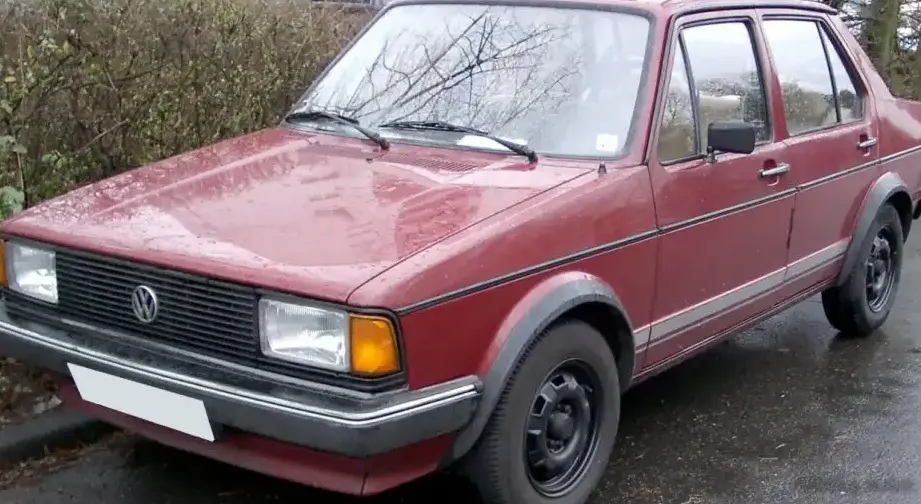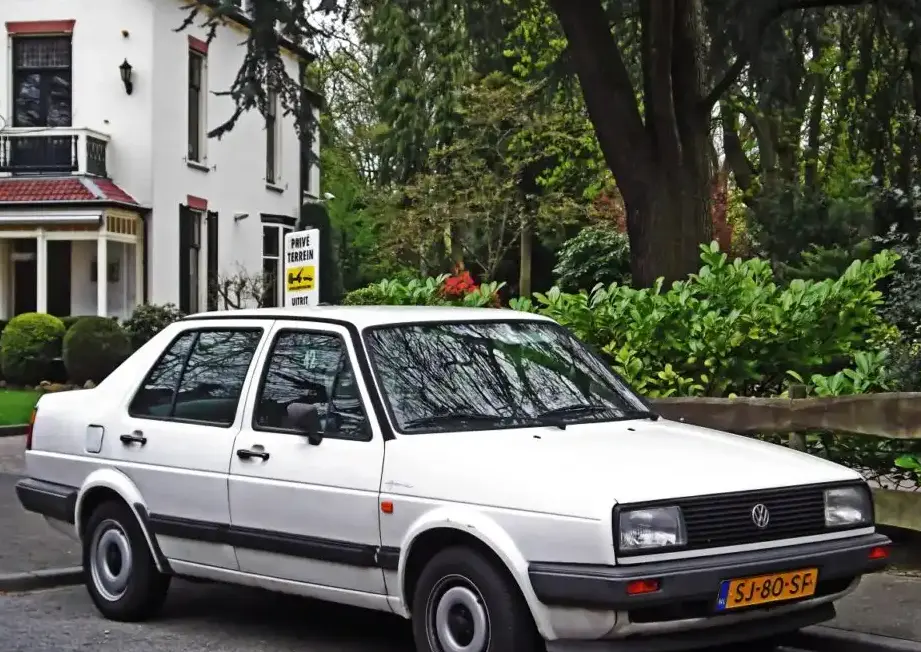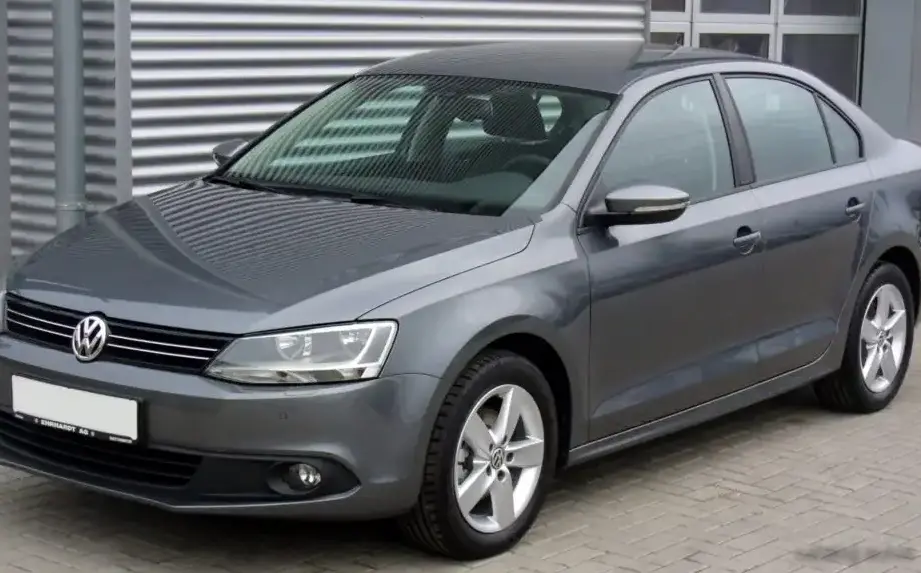
The Volkswagen Jetta VI 2.0 TDI, produced between 2010 and 2014, represented a significant iteration of Volkswagen’s popular compact sedan. Positioned as a diesel-powered option within the sixth generation Jetta (model code 1HX0/A3), it aimed to deliver a blend of fuel efficiency and respectable performance to the European and global markets. This variant, boasting 140 horsepower, served as a mid-range offering, slotting between the lower-powered TDI models and the more performance-oriented petrol (gasoline) versions. It was a key player in Volkswagen’s strategy to offer a diverse range of powertrains to cater to varying consumer preferences, particularly in regions where diesel fuel was prevalent and economically advantageous.
Technical Specifications
| Brand | Volkswagen |
| Model | Jetta |
| Generation | Jetta VI |
| Type (Engine) | 2.0 TDI (140 Hp) |
| Start of production | 2010 |
| End of production | 2014 |
| Powertrain Architecture | Internal Combustion engine |
| Body type | Sedan |
| Seats | 5 |
| Doors | 4 |
| Fuel consumption (urban) | 6.1 l/100 km (38.6 US mpg, 46.3 UK mpg, 16.4 km/l) |
| Fuel consumption (extra urban) | 4.1 l/100 km (57.4 US mpg, 68.9 UK mpg, 24.4 km/l) |
| Fuel consumption (combined) | 4.8 l/100 km (49 US mpg, 58.9 UK mpg, 20.8 km/l) |
| Fuel Type | Diesel |
| Acceleration 0 – 100 km/h | 9.5 sec |
| Acceleration 0 – 62 mph | 9.5 sec |
| Acceleration 0 – 60 mph | 9 sec |
| Maximum speed | 210 km/h (130.49 mph) |
| Weight-to-power ratio | 10.1 kg/Hp, 99.2 Hp/tonne |
| Weight-to-torque ratio | 4.4 kg/Nm, 226.8 Nm/tonne |
| Power | 140 Hp @ 4200 rpm |
| Power per litre | 71.1 Hp/l |
| Torque | 320 Nm @ 1750-2500 rpm (236.02 lb.-ft. @ 1750-2500 rpm) |
| Engine layout | Front, Transverse |
| Engine Model/Code | CFFB, CFHC, CLCB |
| Engine displacement | 1968 cm3 (120.09 cu. in.) |
| Number of cylinders | 4 |
| Engine configuration | Inline |
| Fuel injection system | Diesel Commonrail |
| Engine aspiration | Turbocharger, Intercooler |
| Engine oil capacity | 4.3 l (4.54 US qt | 3.78 UK qt) |
| Coolant capacity | 8 l (8.45 US qt | 7.04 UK qt) |
| Kerb Weight | 1411 kg (3110.72 lbs) |
| Max. weight | 1940 kg (4276.97 lbs) |
| Max load | 529 kg (1166.25 lbs) |
| Trunk (boot) space – minimum | 510 l (18.01 cu. ft) |
| Fuel tank capacity | 55 l (14.53 US gal | 12.1 UK gal) |
| Length | 4644 mm (182.83 in) |
| Width | 1778 mm (70 in) |
| Height | 1482 mm (58.35 in) |
| Wheelbase | 2651 mm (104.37 in) |
| Front track | 1535 mm (60.43 in) |
| Rear (Back) track | 1538 mm (60.55 in) |
| Minimum turning circle | 11.1 m (36.42 ft) |
| Drivetrain Architecture | Front wheel drive |
| Number of gears | 6 |
| Gearbox type | Manual transmission |
| Assisting systems | ABS (Anti-lock braking system) |
| Steering type | Steering rack and pinion |
INTRODUCTION
The Jetta VI 2.0 TDI, launched in 2010, was a crucial component of Volkswagen’s strategy to maintain its presence in the competitive compact sedan segment. Building upon the foundation of the Mk5 Jetta, the Mk6 brought refinements in interior quality, technology, and powertrain options. The 2.0 TDI variant, producing 140 horsepower, was specifically designed to appeal to buyers seeking a balance between fuel economy and performance. It was a popular choice in Europe, where diesel engines enjoyed significant market share due to favorable taxation and fuel costs, and also found a niche audience in North America and other regions.
Powertrain & Engine Architecture
At the heart of the Jetta VI 2.0 TDI lies the Volkswagen Group’s common rail diesel engine, typically identified by engine codes CFFB, CFHC, or CLCB. This 1968cc (120.09 cubic inch) inline-four cylinder engine utilizes a turbocharger with an intercooler to boost power and efficiency. The common rail direct injection system, a significant advancement over older diesel technologies, allows for precise fuel delivery and optimized combustion. The engine features four valves per cylinder (DOHC) and is known for its relatively quiet operation compared to earlier diesel engines. The 140 hp output was achieved through careful calibration of the engine management system, balancing power with fuel economy and emissions. The engine’s durability was a key selling point, benefiting from Volkswagen’s long-standing expertise in diesel engine technology.
Driving Characteristics
The Jetta VI 2.0 TDI with a manual transmission offered a respectable driving experience. While not a sports car, the 320 Nm (236 lb-ft) of torque available from 1750-2500 rpm provided ample pulling power for everyday driving and overtaking maneuvers. Acceleration from 0-60 mph took around 9 seconds, which was competitive for its class. The six-speed manual gearbox was well-matched to the engine’s characteristics, offering smooth shifts and allowing the driver to keep the engine in its optimal power band. Compared to the lower-powered TDI variants, the 140 hp version felt noticeably more responsive, particularly when fully loaded or driving uphill. However, it didn’t possess the outright performance of the petrol (gasoline) powered Jetta models, such as the 2.5L or the GLI with its turbocharged engine.
Equipment & Trim Levels
The Jetta VI 2.0 TDI was typically offered in several trim levels, varying by market. Base models generally included standard features such as air conditioning, power windows and locks, a basic audio system, and alloy wheels. Higher trim levels added features like a sunroof, upgraded audio systems with touchscreen displays, automatic climate control, and leather upholstery. Optional extras included navigation systems, parking sensors, and advanced safety features. Interior upholstery was typically cloth on base models, with leather available as an upgrade. The dashboard layout was functional and well-designed, with a focus on ergonomics and ease of use.
Chassis & Braking
The Jetta VI utilized a MacPherson strut front suspension and a multi-link rear suspension, providing a comfortable and controlled ride. The suspension was tuned to balance handling with ride comfort, making it suitable for both city driving and longer highway journeys. Braking systems varied depending on trim level, with lower trims often featuring disc brakes at the front and drum brakes at the rear. Higher trims typically had disc brakes on all four wheels, providing improved stopping power. Anti-lock Braking System (ABS) was standard across all models. Stabilizer bars were fitted to both the front and rear axles to reduce body roll during cornering.
Market Reception & Comparison
The Jetta VI 2.0 TDI received generally positive reviews from automotive critics. It was praised for its fuel efficiency, comfortable ride, and refined diesel engine. However, some critics noted that the interior, while improved over the Mk5, still lacked the premium feel of some competitors. Compared to the lower-powered TDI variants, the 140 hp version offered a noticeable performance upgrade, making it a more appealing option for drivers who frequently traveled on highways or carried passengers. In terms of fuel economy, the 2.0 TDI consistently outperformed the petrol (gasoline) powered Jetta models, making it a cost-effective choice for high-mileage drivers. Reliability was generally good, although some owners reported issues with the diesel particulate filter (DPF) and turbocharger over the long term.
Legacy
The Jetta VI 2.0 TDI remains a popular choice in the used car market today, particularly for buyers seeking a fuel-efficient and reliable compact sedan. The 2.0 TDI engine, when properly maintained, is known for its longevity. However, potential buyers should be aware of the potential for DPF issues and the importance of using high-quality diesel fuel. The Jetta VI 2.0 TDI represents a significant step forward in diesel technology, offering a compelling combination of performance, efficiency, and practicality. It solidified Volkswagen’s reputation as a leader in diesel engine development and continues to be a respected and sought-after vehicle in the used car market.