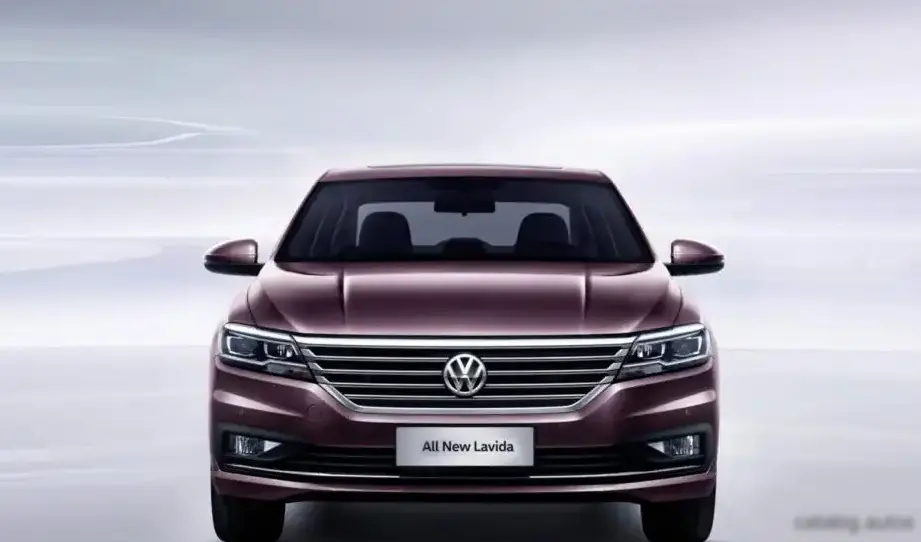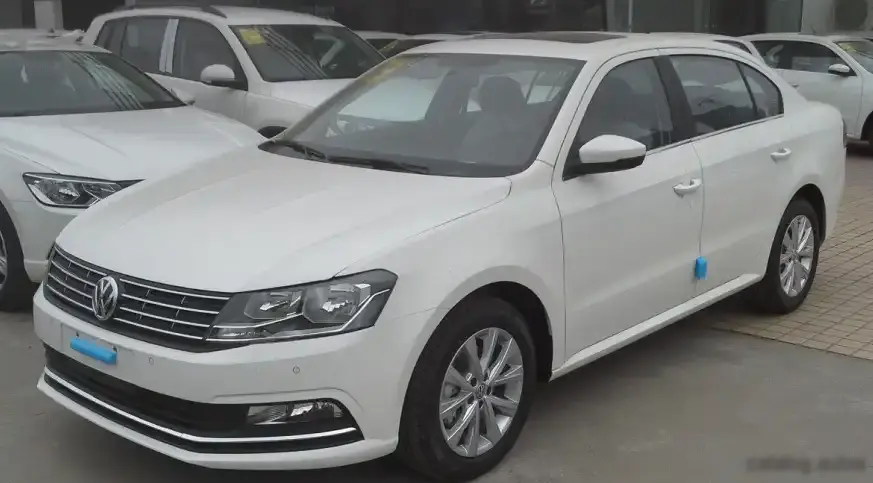
The Volkswagen Lavida II, specifically the 1.6-liter (110 horsepower) variant produced from 2015 to 2018, represents a significant iteration of Volkswagen’s commitment to the Chinese market. Positioned as a mainstream compact sedan, the Lavida was designed and manufactured specifically for Chinese consumers, becoming one of Volkswagen’s best-selling models in the region. This facelifted version, introduced in 2015, brought updated styling and refinements to the original Lavida, aiming to enhance its appeal in a highly competitive segment. The 1.6L engine option served as a core offering within the Lavida II lineup, providing a balance of affordability and acceptable performance for everyday driving.
Technical Specifications
| Brand | Volkswagen |
| Model | Lavida |
| Generation | Lavida II (facelift 2015) |
| Type (Engine) | 1.6 (110 Hp) |
| Start of production | 2015 |
| End of production | 2018 |
| Powertrain Architecture | Internal Combustion engine |
| Body type | Sedan |
| Seats | 5 |
| Doors | 4 |
| Fuel consumption (combined) | 4.9 l/100 km (48 US mpg, 57.6 UK mpg, 20.4 km/l) |
| Fuel Type | Petrol (Gasoline) |
| Acceleration 0 – 100 km/h | 11.3 sec |
| Acceleration 0 – 62 mph | 11.3 sec |
| Acceleration 0 – 60 mph | 10.7 sec |
| Maximum speed | 188 km/h (116.82 mph) |
| Emission standard | China IV |
| Weight-to-power ratio | 11 kg/Hp, 90.9 Hp/tonne |
| Weight-to-torque ratio | 7.8 kg/Nm, 128.1 Nm/tonne |
| Power | 110 Hp @ 5800 rpm |
| Power per litre | 68.8 Hp/l |
| Torque | 155 Nm @ 3800 rpm (114.32 lb.-ft. @ 3800 rpm) |
| Engine layout | Front, Transverse |
| Engine Model/Code | CSRA |
| Engine displacement | 1598 cm3 (97.52 cu. in.) |
| Number of cylinders | 4 |
| Engine configuration | Inline |
| Number of valves per cylinder | 4 |
| Fuel injection system | Multi-port manifold injection |
| Engine aspiration | Naturally aspirated engine |
| Kerb Weight | 1210 kg (2667.59 lbs) |
| Trunk (boot) space – minimum | 478 l (16.88 cu. ft.) |
| Fuel tank capacity | 55 l (14.53 US gal | 12.1 UK gal) |
| Length | 4605 mm (181.3 in) |
| Width | 1765 mm (69.49 in) |
| Height | 1460 mm (57.48 in) |
| Wheelbase | 2610 mm (102.76 in) |
| Drivetrain Architecture | The Internal combustion engine (ICE) drives the front wheels of the vehicle. |
| Drive wheel | Front wheel drive |
| Number of gears and type of gearbox | 5 gears, manual transmission |
| Front suspension | Independent type McPherson |
| Rear suspension | Semi-independent, coil spring |
| Front brakes | Ventilated discs |
| Rear brakes | Disc |
| Assisting systems | ABS (Anti-lock braking system) |
| Steering type | Steering rack and pinion |
| Tires size | 195/65 R15 |
| Wheel rims size | 15 |
Powertrain & Engine Architecture
The heart of the Lavida II 1.6 is the CSRA engine, a 1.6-liter inline-four cylinder gasoline engine. This engine utilizes a naturally aspirated configuration and a multi-port fuel injection system. The engine’s design prioritizes fuel efficiency and reliability, characteristics highly valued by Chinese consumers. The 16-valve (four valves per cylinder) configuration, while not particularly advanced, contributes to reasonable power output for its displacement. The engine produces 110 horsepower at 5800 rpm and 155 Nm (114.32 lb-ft) of torque at 3800 rpm. The engine is transversely mounted at the front of the vehicle, driving the front wheels. The 5-speed manual transmission was the standard offering for this variant, providing a direct connection between the engine and the wheels. While an automatic transmission was available on other Lavida trims, it wasn’t offered with the base 1.6L engine.
Driving Characteristics
The Lavida II 1.6 with the 5-speed manual transmission delivers a driving experience geared towards practicality and economy. Acceleration is adequate for urban and highway driving, with a 0-60 mph time of around 10.7 seconds. The engine feels somewhat strained at higher RPMs, and the power delivery is linear rather than exciting. The 5-speed gearbox is well-matched to the engine’s characteristics, offering reasonable gear spacing. Compared to the more powerful 1.4 TSI turbocharged engine available on higher trims, the 1.6L feels noticeably less responsive. However, the manual transmission provides a more engaging driving experience than the automatic options found on other Lavida models. The relatively low weight of the vehicle (1210 kg) helps to mitigate the effects of the modest power output.
Equipment & Trim Levels
The 1.6-liter Lavida II typically served as the entry-level trim, offering a solid set of standard features. Interior appointments included cloth upholstery, basic air conditioning, power windows, and a standard audio system. Safety features such as ABS and dual front airbags were standard. Optional extras included alloy wheels, upgraded audio systems, and a sunroof. The dashboard layout was functional and straightforward, prioritizing ease of use over stylistic flair. The interior space was competitive within the compact sedan segment, offering comfortable seating for five adults. The trim level was designed to appeal to budget-conscious buyers who prioritized value and reliability.
Chassis & Braking
The Lavida II utilizes a McPherson strut independent suspension at the front and a semi-independent coil spring suspension at the rear. This suspension setup provides a comfortable ride quality, absorbing bumps and imperfections in the road surface effectively. The front brakes are ventilated discs, providing adequate stopping power, while the rear brakes are solid discs. The steering is rack and pinion, offering precise and responsive handling. The 195/65 R15 tires provide a good balance of grip and ride comfort. The chassis is designed to prioritize stability and predictability, rather than sporty handling characteristics.
Market Reception & Comparison
The Lavida II 1.6 was well-received in the Chinese market as an affordable and reliable compact sedan. Critics praised its fuel efficiency and comfortable ride. However, some reviewers noted the engine’s lack of power, particularly when compared to turbocharged alternatives. Compared to other trims in the Lavida lineup, the 1.6L offered the most affordable entry point, but at the expense of performance and some features. The 1.4 TSI engine, while more expensive, provided a significant boost in power and a more refined driving experience. The Lavida II 1.6 competed directly with other popular compact sedans in China, such as the Hyundai Elantra and the Toyota Corolla.
Legacy
The Lavida II 1.6, while not the most powerful or technologically advanced variant, has proven to be a reliable and durable vehicle. The CSRA engine is known for its longevity and relatively low maintenance costs. In the used car market, these Lavidas are often sought after by buyers looking for an affordable and dependable transportation option. The Lavida’s success in China cemented Volkswagen’s position as a leading automotive brand in the country, and the 1.6L variant played a crucial role in achieving that success by providing an accessible entry point to the Volkswagen brand for a wide range of consumers.