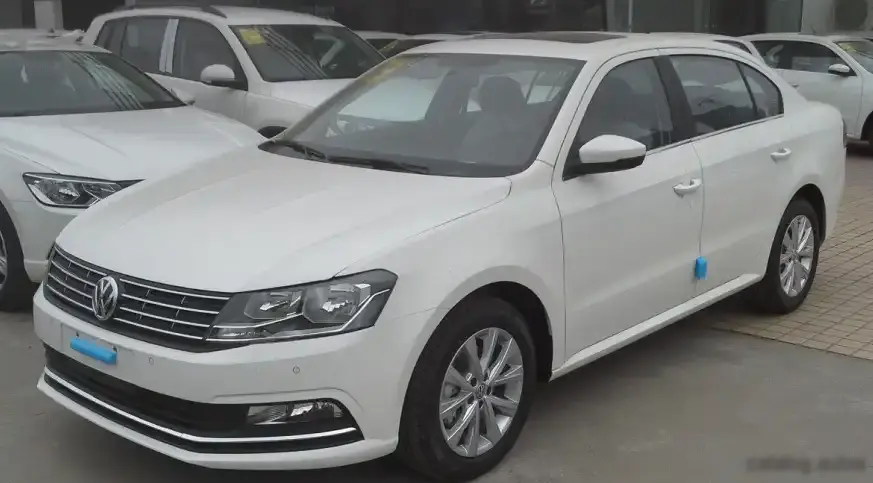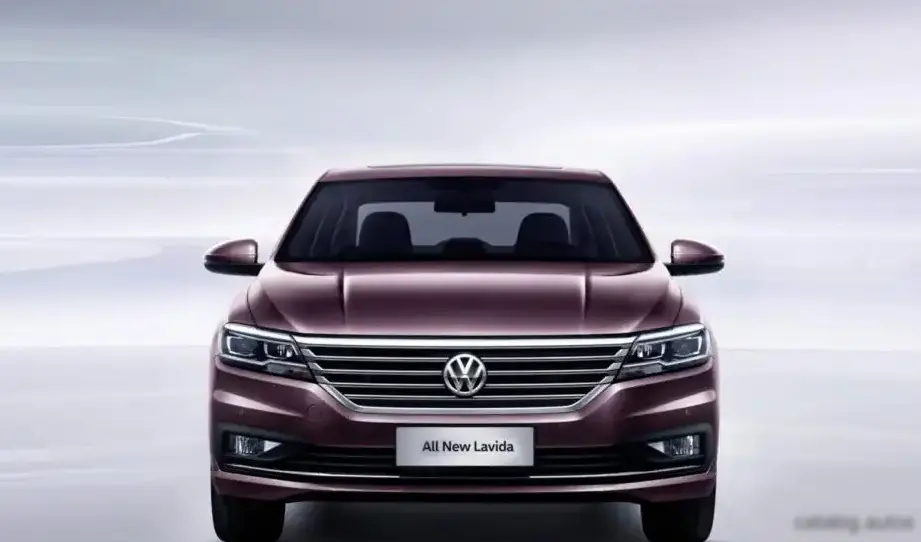
The Volkswagen Lavida III 280TSI, equipped with a 1.4-liter turbocharged engine producing 150 horsepower and a 7-speed dual-clutch transmission (DSG), was a significant variant within the Lavida III range. Produced from May 2018 to 2019, this model occupied a mid-range position in the lineup, offering a balance between performance, fuel efficiency, and features. The Lavida, specifically designed for the Chinese market, represented Volkswagen’s commitment to localized production and catering to the preferences of Chinese consumers. It was built on the A3 platform, shared with other Volkswagen Group vehicles, and aimed to provide a comfortable and technologically advanced sedan experience.
Technical Specifications
| Brand | Volkswagen |
| Model | Lavida |
| Generation | Lavida III |
| Type (Engine) | 280TSI (150 Hp) DSG |
| Start of production | May, 2018 |
| End of production | 2019 |
| Powertrain Architecture | Internal Combustion engine |
| Body type | Sedan |
| Seats | 5 |
| Doors | 4 |
| Fuel consumption (combined) | 5.4 l/100 km |
| Fuel consumption (US mpg) | 43.6 US mpg |
| Fuel consumption (UK mpg) | 52.3 UK mpg |
| Fuel consumption (km/l) | 18.5 km/l |
| Fuel Type | Petrol (Gasoline) |
| Acceleration 0 – 100 km/h | 8.3 sec |
| Acceleration 0 – 62 mph | 8.3 sec |
| Acceleration 0 – 60 mph | 7.9 sec |
| Maximum speed | 210 km/h (130.49 mph) |
| Emission standard | China V |
| Power | 150 Hp @ 5000 rpm |
| Power per litre | 107.5 Hp/l |
| Torque | 250 Nm @ 1750-3000 rpm (184.39 lb.-ft. @ 1750-3000 rpm) |
| Engine displacement | 1395 cm3 (85.13 cu. in.) |
| Number of cylinders | 4 |
| Engine configuration | Inline |
| Fuel injection system | Direct injection |
| Engine aspiration | Turbocharger, Intercooler |
| Trunk (boot) space – minimum | 510 l (18.01 cu. ft.) |
| Fuel tank capacity | 51 l (13.47 US gal | 11.22 UK gal) |
| Length | 4670 mm (183.86 in.) |
| Width | 1806 mm (71.1 in.) |
| Height | 1474 mm (58.03 in.) |
| Wheelbase | 2688 mm (105.83 in.) |
| Drivetrain Architecture | Front wheel drive |
| Number of gears and type of gearbox | 7 gears, automatic transmission DSG |
| Front suspension | Independent type McPherson |
| Rear suspension | Torsion |
| Front brakes | Ventilated discs |
| Rear brakes | Disc |
| Assisting systems | ABS (Anti-lock braking system) |
| Tires size | 205/55 R16; 225/45 R17 |
| Wheel rims size | 16; 17 |
Powertrain & Engine Architecture
The heart of the Lavida III 280TSI is the EA211 family 1.4-liter inline-four cylinder engine. This engine utilizes direct fuel injection and a turbocharger with an intercooler to deliver a respectable 150 horsepower at 5000 rpm and 250 Nm (184 lb-ft) of torque between 1750 and 3000 rpm. The direct injection system allows for precise fuel delivery, improving both efficiency and performance. The turbocharger provides a boost in power, mitigating the effects of the relatively small displacement. The engine is paired with a 7-speed dual-clutch transmission (DSG), known for its quick and smooth gear changes. This combination provides a responsive driving experience and contributes to the car’s relatively quick acceleration times.
Driving Characteristics
The 280TSI variant offered a noticeable step up in performance compared to the base engine options available in the Lavida III range. The DSG transmission played a crucial role in maximizing the engine’s output, providing rapid shifts and keeping the engine within its optimal power band. While not a sports sedan, the 280TSI delivered adequate acceleration for everyday driving and highway merging. The 0-100 km/h time of 8.3 seconds was competitive within its segment. The DSG’s programming prioritized fuel efficiency in normal driving modes, but Sport mode offered more aggressive shift points and a more engaging driving experience. Compared to a manual transmission equipped Lavida, the DSG offered convenience and ease of use, though some enthusiasts might have preferred the greater control of a manual gearbox.
Equipment & Trim Levels
The Lavida III 280TSI typically came equipped with a range of standard features, including air conditioning, power windows, power mirrors, a multi-function steering wheel, and a basic audio system. Higher trim levels offered upgrades such as leather upholstery, a sunroof, automatic climate control, a touchscreen infotainment system with navigation, and parking sensors. Safety features included ABS, airbags, and electronic stability control. The specific equipment levels varied depending on the optional packages selected by the buyer. The interior design was generally functional and modern, with a focus on providing a comfortable and user-friendly environment.
Chassis & Braking
The Lavida III utilized a front-wheel-drive layout with an independent McPherson strut suspension in the front and a torsion beam suspension in the rear. This suspension setup provided a comfortable ride quality, suitable for the often-challenging road conditions in China. The front brakes were ventilated discs, offering good stopping power, while the rear brakes were solid discs. The steering was typically power-assisted, providing light and easy maneuverability. Tire sizes varied depending on the trim level, with 205/55 R16 and 225/45 R17 being common options.
Market Reception & Comparison
The Lavida III 280TSI was well-received in the Chinese market, where it competed with other popular compact sedans such as the Honda Civic, Toyota Corolla, and Hyundai Elantra. Critics praised the Lavida’s comfortable ride, spacious interior, and modern features. The 1.4-liter turbocharged engine and DSG transmission were seen as a good compromise between performance and fuel efficiency. Compared to the lower-powered engine options in the Lavida range, the 280TSI offered a more refined and enjoyable driving experience. However, some reviewers noted that the interior materials were not as premium as those found in some of its competitors.
Legacy
The Volkswagen Lavida, in all its iterations, became a hugely successful model for Volkswagen in China, consistently ranking among the best-selling cars in the country. The 280TSI variant, with its combination of performance and efficiency, played a significant role in this success. While the Lavida has been updated and replaced with newer generations, the III generation, and specifically the 280TSI model, remains a popular choice in the used car market. The EA211 engine and DSG transmission have proven to be relatively reliable, although regular maintenance is essential to ensure long-term durability. The Lavida III 280TSI represents a key chapter in Volkswagen’s strategy of adapting to the specific needs and preferences of the Chinese automotive market.