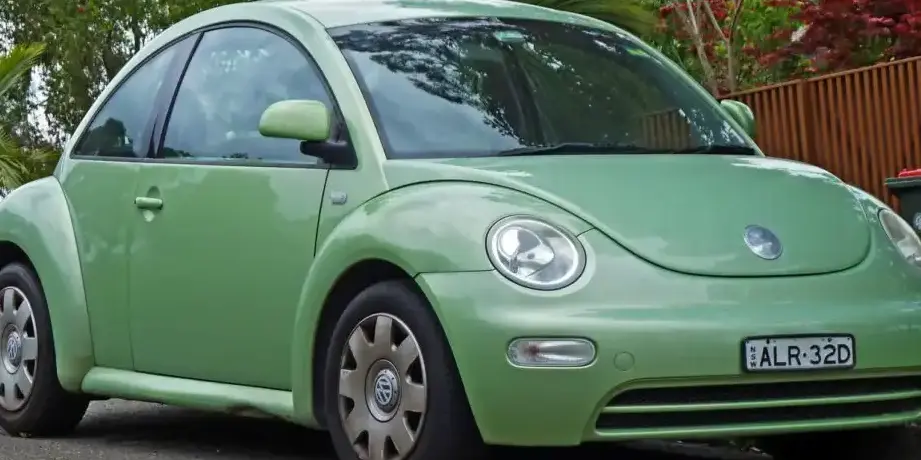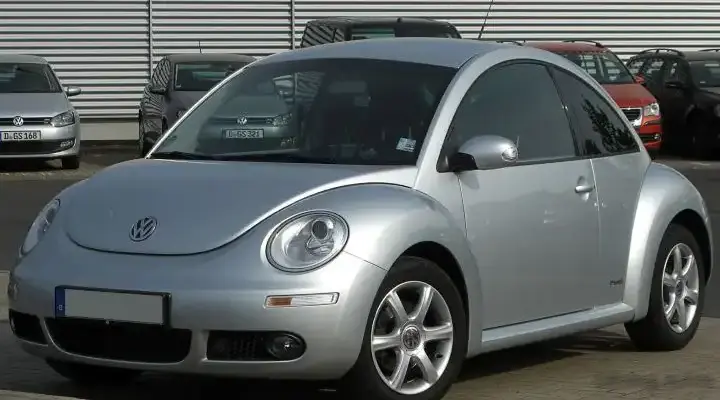
The Volkswagen New Beetle (9C) facelift, produced from 2005 to 2009, represented a significant refresh of the retro-inspired hatchback first introduced in 1998. The 1.6-liter (102 hp) variant occupied the entry-level position in the New Beetle lineup during this period, offering a more affordable and fuel-efficient option compared to the more powerful 1.9 TDI diesel and 2.0-liter gasoline engines. This model aimed to capture buyers seeking the iconic Beetle styling with a focus on everyday usability and lower running costs. It was primarily marketed in Europe and other regions where smaller displacement engines were favored, though limited numbers were available in other markets.
Technical Specifications
| Brand | Volkswagen |
| Model | Beetle |
| Generation | NEW Beetle (9C, facelift 2005) |
| Type (Engine) | 1.6 (102 Hp) |
| Start of production | 2005 |
| End of production | 2009 |
| Powertrain Architecture | Internal Combustion engine |
| Body type | Hatchback |
| Seats | 4 |
| Doors | 3 |
| Fuel consumption (urban) | 10.3 l/100 km (22.8 US mpg, 27.4 UK mpg, 9.7 km/l) |
| Fuel consumption (extra urban) | 5.9 l/100 km (39.9 US mpg, 47.9 UK mpg, 16.9 km/l) |
| Fuel consumption (combined) | 7.5 l/100 km (31.4 US mpg, 37.7 UK mpg, 13.3 km/l) |
| CO2 emissions | 180 g/km |
| Fuel Type | Petrol (Gasoline) |
| Acceleration 0 – 100 km/h | 11.6 sec |
| Acceleration 0 – 62 mph | 11.6 sec |
| Acceleration 0 – 60 mph | 11 sec |
| Maximum speed | 179 km/h (111.23 mph) |
| Emission standard | Euro 4 |
| Weight-to-power ratio | 11.8 kg/Hp, 84.9 Hp/tonne |
| Weight-to-torque ratio | 8.1 kg/Nm, 123.1 Nm/tonne |
| Power | 102 Hp @ 5600 rpm |
| Power per litre | 63.9 Hp/l |
| Torque | 148 Nm @ 3800 rpm (109.16 lb.-ft. @ 3800 rpm) |
| Engine layout | Front, Transverse |
| Engine Model/Code | BFS |
| Engine displacement | 1595 cm3 (97.33 cu. in.) |
| Number of cylinders | 4 |
| Engine configuration | Inline |
| Cylinder Bore | 81 mm (3.19 in.) |
| Piston Stroke | 77.4 mm (3.05 in.) |
| Compression ratio | 10.5:1 |
| Number of valves per cylinder | 4 |
| Fuel injection system | Multi-port manifold injection |
| Engine aspiration | Naturally aspirated engine |
| Valvetrain | SOHC |
| Engine oil capacity | 4.5 l (4.76 US qt | 3.96 UK qt) |
| Coolant | 5 l (5.28 US qt | 4.4 UK qt) |
| Kerb Weight | 1202 kg (2649.96 lbs.) |
| Max. weight | 1680 kg (3703.77 lbs.) |
| Max load | 478 kg (1053.81 lbs.) |
| Trunk (boot) space – minimum | 209 l (7.38 cu. ft.) |
| Trunk (boot) space – maximum | 769 l (27.16 cu. ft.) |
| Fuel tank capacity | 55 l (14.53 US gal | 12.1 UK gal) |
| Max. roof load | 50 kg (110.23 lbs.) |
| Permitted trailer load with brakes (12%) | 1000 kg (2204.62 lbs.) |
| Permitted trailer load without brakes | 600 kg (1322.77 lbs.) |
| Permitted towbar download | 75 kg (165.35 lbs.) |
| Length | 4129 mm (162.56 in.) |
| Width | 1721 mm (67.76 in.) |
| Height | 1498 mm (58.98 in.) |
| Wheelbase | 2515 mm (99.02 in.) |
| Front track | 1507 mm (59.33 in.) |
| Rear (Back) track | 1487 mm (58.54 in.) |
| Ride height (ground clearance) | 130 mm (5.12 in.) |
| Drag coefficient (Cd) | 0.38 |
| Drivetrain Architecture | The Internal combustion engine (ICE) drives the front wheels of the vehicle. |
| Drive wheel | Front wheel drive |
| Number of gears and type of gearbox | 5 gears, manual transmission |
| Front suspension | Independent type McPherson |
| Rear suspension | Semi-independent, coil spring |
| Front brakes | Ventilated discs |
| Rear brakes | Disc |
| Assisting systems | ABS (Anti-lock braking system) |
| Tires size | 195/65 R15 |
| Wheel rims size | 15 |
Powertrain & Engine Architecture
The 1.6-liter engine, designated BFS, is a naturally aspirated, inline-four cylinder gasoline engine. It features a single overhead camshaft (SOHC) valvetrain operating four valves per cylinder. Fuel delivery is managed by a multi-port fuel injection system. This engine is known for its relative simplicity and durability, though it doesn’t offer the performance of larger displacement or turbocharged engines. The engine’s 102 horsepower at 5600 rpm and 148 Nm (109 lb-ft) of torque at 3800 rpm are modest, but sufficient for typical urban and highway driving. The engine was paired with a five-speed manual transmission as standard, offering a relatively direct driving experience. An optional four-speed automatic transmission was also available, though it impacted acceleration and fuel economy.
Driving Characteristics
The 1.6-liter New Beetle with the manual transmission provided adequate, if not exhilarating, performance. Acceleration from 0-60 mph took around 11 seconds, and top speed was approximately 111 mph. The automatic transmission version was noticeably slower. The engine felt strained when pushed hard, particularly when overtaking or climbing hills. The gear ratios in the manual transmission were well-spaced, allowing for reasonable flexibility, but the engine lacked significant low-end torque. The automatic transmission, while offering convenience, further diminished the car’s responsiveness. Handling was generally safe and predictable, but not particularly sporty. The New Beetle prioritized comfort over outright performance.
Equipment & Trim Levels
The 1.6-liter New Beetle typically came with a base level of equipment. Standard features included power windows, central locking, and an audio system. Air conditioning was often an optional extra. Interior upholstery was typically cloth, with a simple dashboard layout. Higher trim levels, available at extra cost, added features such as alloy wheels, upgraded audio systems, and more luxurious interior trim. The overall interior design retained the retro theme of the original Beetle, with a rounded dashboard and distinctive door handles.
Chassis & Braking
The New Beetle utilized a front-wheel-drive layout with an independent McPherson strut suspension at the front and a semi-independent coil spring suspension at the rear. This setup provided a comfortable ride, but didn’t offer the same level of handling precision as more sophisticated suspension designs. The braking system consisted of ventilated discs at the front and solid discs at the rear. Anti-lock Braking System (ABS) was standard, enhancing safety. The car’s weight of around 1202 kg (2650 lbs) contributed to its moderate handling characteristics.
Market Reception & Comparison
The 1.6-liter New Beetle was generally well-received as an affordable and stylish entry point into the New Beetle range. Critics praised its retro design and comfortable ride, but noted its lack of performance. Compared to the 1.9 TDI diesel, the 1.6-liter offered less torque and lower fuel economy. The 2.0-liter gasoline engine provided significantly more power, but at a higher price point. The 1.6-liter appealed to buyers who prioritized style and affordability over performance and efficiency.
Legacy
The 1.6-liter New Beetle, while not the most powerful or dynamic version of the car, remains a popular choice in the used car market. The BFS engine is known for its reliability, provided it has been properly maintained. Common issues include oil leaks and occasional sensor failures. The New Beetle’s distinctive styling and relatively low running costs make it an attractive option for those seeking a unique and affordable vehicle. Its enduring appeal lies in its successful blend of retro design and modern convenience.