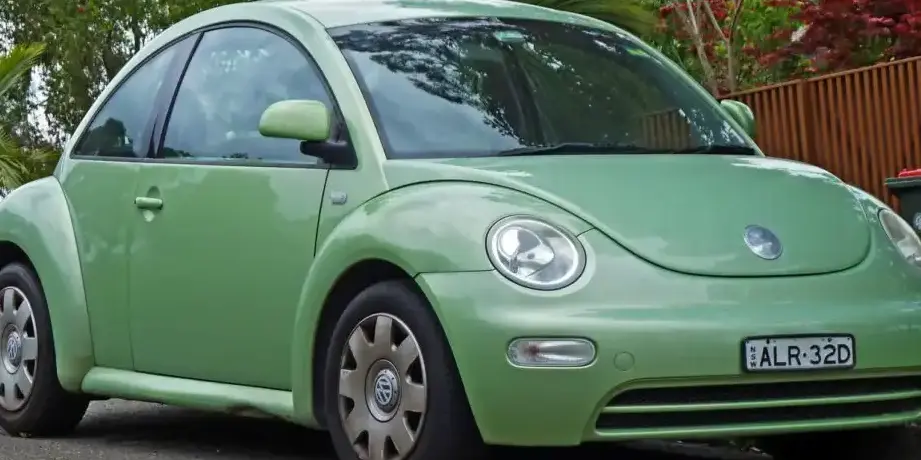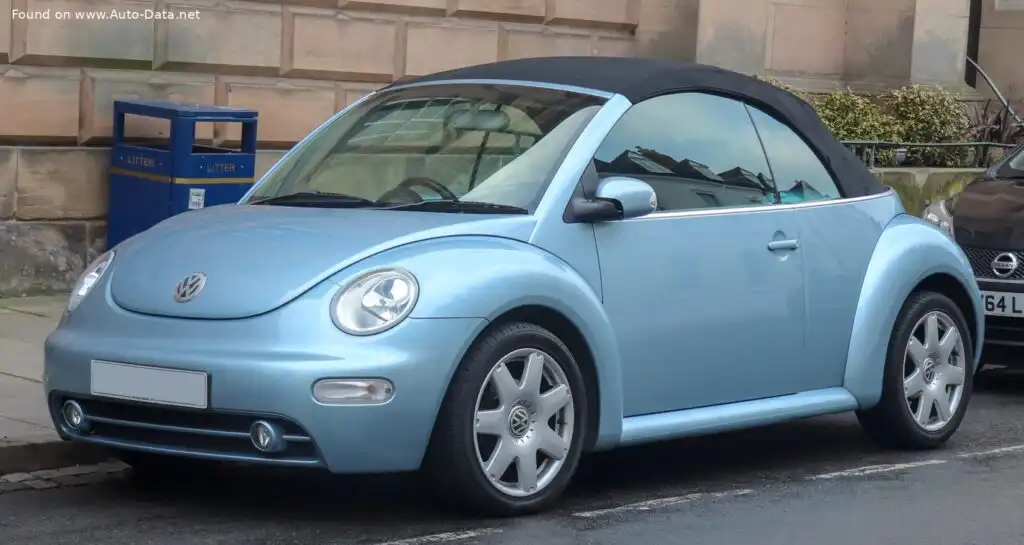
The Volkswagen New Beetle Convertible 2.0 i (115 hp) Automatic, produced between 2002 and 2005, represented a key offering within the New Beetle Cabriolet range. Positioned as a mid-range option, it aimed to provide a balance between affordability, reasonable performance, and the open-air experience the convertible body style offered. This variant was built on the Volkswagen Group’s A4 (1HX0/A3) platform, shared with models like the Golf, Bora, and Audi A3, and was primarily marketed towards buyers seeking a stylish and nostalgic vehicle with the convenience of an automatic transmission. It was a significant model for Volkswagen, capitalizing on the retro design trend and appealing to a broader demographic than the original Beetle.
Technical Specifications
| Brand | Volkswagen |
| Model | Beetle |
| Generation | NEW Beetle Convertible |
| Type (Engine) | 2.0 i (115 Hp) Automatic |
| Start of production | 2002 |
| End of production | 2005 |
| Powertrain Architecture | Internal Combustion engine |
| Body type | Cabriolet |
| Seats | 4 |
| Doors | 2 |
| Fuel consumption (urban) | 13.3 l/100 km (17.7 US mpg, 21.2 UK mpg, 7.5 km/l) |
| Fuel consumption (extra urban) | 6.9 l/100 km (34.1 US mpg, 40.9 UK mpg, 14.5 km/l) |
| Fuel consumption (combined) | 9.2 l/100 km (25.6 US mpg, 30.7 UK mpg, 10.9 km/l) |
| Fuel Type | Petrol (Gasoline) |
| Acceleration 0 – 100 km/h | 12.9 sec |
| Acceleration 0 – 62 mph | 12.9 sec |
| Acceleration 0 – 60 mph | 12.3 sec |
| Maximum speed | 181 km/h (112.47 mph) |
| Weight-to-power ratio | 11.5 kg/Hp, 86.9 Hp/tonne |
| Weight-to-torque ratio | 7.7 kg/Nm, 129.9 Nm/tonne |
| Power | 115 Hp @ 5400 rpm |
| Power per litre | 58 Hp/l |
| Torque | 172 Nm @ 3200 rpm (126.86 lb.-ft. @ 3200 rpm) |
| Engine layout | Front, Longitudinal |
| Engine Model/Code | AZJ, BEV |
| Engine displacement | 1984 cm3 (121.07 cu. in.) |
| Number of cylinders | 4 |
| Engine configuration | Inline |
| Cylinder Bore | 82.5 mm (3.25 in.) |
| Piston Stroke | 92.8 mm (3.65 in.) |
| Compression ratio | 10.3:1 |
| Number of valves per cylinder | 2 |
| Fuel injection system | Multi-port manifold injection |
| Engine aspiration | Naturally aspirated engine |
| Engine oil capacity | 4 l (4.23 US qt | 3.52 UK qt) |
| Coolant capacity | 5 l (5.28 US qt | 4.4 UK qt) |
| Kerb Weight | 1324 kg (2918.92 lbs.) |
| Max. weight | 1770 kg (3902.18 lbs.) |
| Max load | 446 kg (983.26 lbs.) |
| Trunk (boot) space – minimum | 270 l (9.53 cu. ft.) |
| Fuel tank capacity | 55 l (14.53 US gal | 12.1 UK gal) |
| Length | 4081 mm (160.67 in.) |
| Width | 1724 mm (67.87 in.) |
| Height | 1502 mm (59.13 in.) |
| Wheelbase | 2509 mm (98.78 in.) |
| Front track | 1506 mm (59.29 in.) |
| Rear (Back) track | 1487 mm (58.54 in.) |
| Ride height (ground clearance) | 130 mm (5.12 in.) |
| Drag coefficient (Cd) | 0.37 |
| Drivetrain Architecture | Front wheel drive |
| Number of gears and type of gearbox | 4 gears, automatic transmission |
| Front suspension | Spring Strut |
| Rear suspension | Torsion |
| Front brakes | Ventilated discs |
| Rear brakes | Disc |
| Assisting systems | ABS (Anti-lock braking system) |
| Steering type | Steering rack and pinion |
| Power steering | Hydraulic Steering |
| Tires size | 205/55 R16 |
| Wheel rims size | 6.5J x 16 |
Powertrain & Engine Architecture
The 2.0-liter inline-four engine, designated with engine codes AZJ or BEV depending on specific production year and market, formed the heart of this New Beetle Convertible variant. This engine was a naturally aspirated unit employing multi-port fuel injection. The engine featured a single overhead camshaft (SOHC) valvetrain with two valves per cylinder. The 115 horsepower output at 5400 rpm and 172 Nm (126.86 lb-ft) of torque at 3200 rpm were respectable for the time, but not particularly high-performance figures. The engine’s longitudinal mounting within the front-wheel-drive chassis was a characteristic of the A4 platform. Paired with this engine was a four-speed automatic transmission, designed for smooth operation and ease of use. This transmission wasn’t known for its sportiness, prioritizing comfort over rapid gear changes.
Driving Characteristics
The 2.0 i Automatic New Beetle Convertible offered a comfortable, rather than exhilarating, driving experience. Acceleration from 0-60 mph took around 12.3 seconds, and top speed was limited to 112.47 mph. The four-speed automatic transmission, while providing convenience, resulted in noticeable gear hunting under hard acceleration and didn’t allow the engine to remain in its optimal power band for extended periods. Compared to the available five-speed manual transmission, the automatic version felt noticeably slower. The relatively low horsepower and torque figures meant that overtaking maneuvers required careful planning. However, the suspension provided a reasonably compliant ride, making it well-suited for everyday driving and cruising with the top down.
Equipment & Trim Levels
The 2.0 i Automatic trim typically included standard features such as power windows, power door locks, air conditioning, and an AM/FM radio with a CD player. Interior upholstery was generally cloth, with options for leather upgrades. Dashboard trim was typically plastic, with a color scheme matching the exterior paint. Optional extras included a sunroof (in addition to the convertible top), alloy wheels, upgraded audio systems, and heated front seats. The New Beetle Convertible, in general, was marketed with a strong emphasis on personalization, allowing buyers to choose from a wide range of colors and interior options.
Chassis & Braking
The New Beetle Convertible utilized a front independent suspension with spring struts and a rear torsion beam suspension. This setup provided a good balance between ride comfort and handling. Braking duties were handled by ventilated discs at the front and solid discs at the rear. Anti-lock Braking System (ABS) was standard, enhancing safety. The steering was rack and pinion with hydraulic power assistance, providing reasonably precise steering feel. The curb weight of 1324 kg (2918.92 lbs) contributed to the car’s somewhat ponderous handling characteristics.
Market Reception & Comparison
The 2.0 i Automatic New Beetle Convertible was generally well-received by critics as an accessible and stylish entry point into the New Beetle range. However, the automatic transmission was often criticized for its lack of responsiveness and its impact on fuel economy. Compared to the more powerful 1.8T turbocharged models, the 2.0 i offered significantly less performance. The 1.9 TDI diesel variant provided superior fuel economy but lacked the gasoline engine’s refinement. The 2.0 i Automatic appealed to buyers prioritizing comfort and ease of use over outright performance.
Legacy
The 2.0 i Automatic New Beetle Convertible, while not the most sought-after variant today, remains a relatively affordable and charming classic. The engine, while not known for exceptional longevity, is generally reliable with regular maintenance. Common issues include oil leaks and occasional sensor failures. The automatic transmission, if properly maintained, can provide years of service. In the used car market, these models are often sought after by enthusiasts looking for a nostalgic and stylish convertible at a reasonable price. The New Beetle Convertible, in all its variants, helped to revive the Beetle nameplate and establish a unique niche in the automotive landscape.