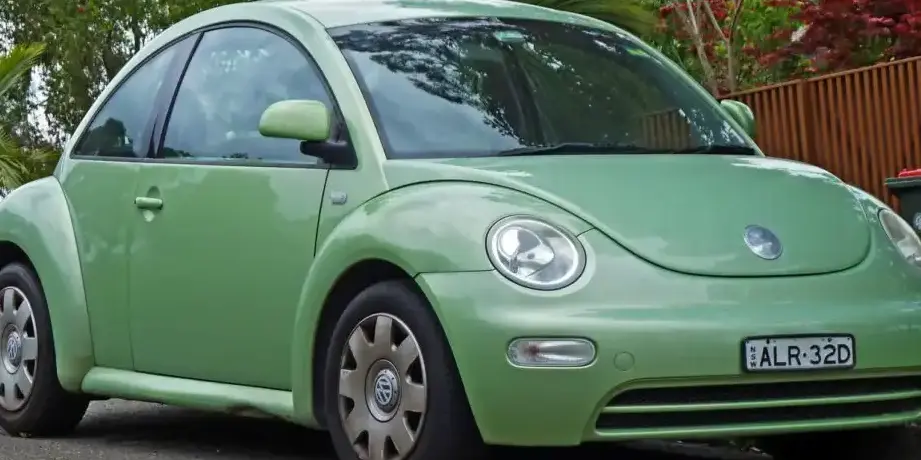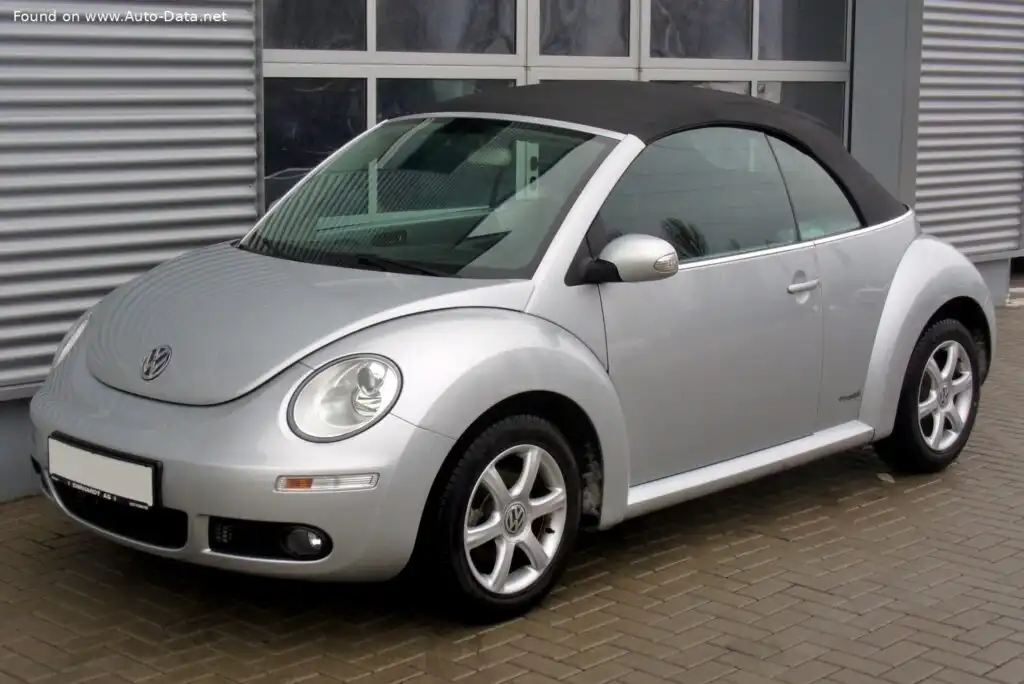
The Volkswagen New Beetle Convertible, specifically the 1.4-liter (75 horsepower) variant produced from 2005 to 2010, represented the entry point into the New Beetle Cabriolet range following the mid-cycle facelift. Built on the A5 platform – a derivative of the Golf Mk4 – this model aimed to capture the nostalgic appeal of the original Beetle while offering modern convenience and safety features in a stylish, open-top package. Positioned as the most affordable convertible in Volkswagen’s lineup, it targeted buyers seeking a fashionable and fun-to-drive vehicle for urban environments and leisure activities. While not focused on outright performance, the 1.4L model provided a balance of fuel efficiency and usability, making it a popular choice for those prioritizing style and affordability over speed.
Technical Specifications
| Brand | Volkswagen |
| Model | Beetle |
| Generation | NEW Beetle Convertible (facelift 2005) |
| Type (Engine) | 1.4 (75 Hp) |
| Start of production | 2005 year |
| End of production | 2010 year |
| Powertrain Architecture | Internal Combustion engine |
| Body type | Cabriolet |
| Seats | 4 |
| Doors | 2 |
| Fuel consumption (economy) – urban | 9.5 l/100 km (24.8 US mpg, 29.7 UK mpg, 10.5 km/l) |
| Fuel consumption (economy) – extra urban | 5.8 l/100 km (40.6 US mpg, 48.7 UK mpg, 17.2 km/l) |
| Fuel consumption (economy) – combined | 7.1 l/100 km (33.1 US mpg, 39.8 UK mpg, 14.1 km/l) |
| CO2 emissions | 171 g/km |
| Fuel Type | Petrol (Gasoline) |
| Acceleration 0 – 100 km/h | 14.6 sec |
| Acceleration 0 – 62 mph | 14.6 sec |
| Acceleration 0 – 60 mph | 13.9 sec |
| Maximum speed | 161 km/h (100.04 mph) |
| Emission standard | Euro 4 |
| Weight-to-power ratio | 17 kg/Hp, 58.8 Hp/tonne |
| Weight-to-torque ratio | 10.1 kg/Nm, 98.7 Nm/tonne |
| Power | 75 Hp @ 5000 rpm |
| Power per litre | 54 Hp/l |
| Torque | 126 Nm @ 3800 rpm (92.93 lb.-ft. @ 3800 rpm) |
| Engine layout | Front, Transverse |
| Engine Model/Code | BCA |
| Engine displacement | 1390 cm3 (84.82 cu. in.) |
| Number of cylinders | 4 |
| Engine configuration | Inline |
| Cylinder Bore | 76.5 mm (3.01 in.) |
| Piston Stroke | 75.6 mm (2.98 in.) |
| Compression ratio | 10.5:1 |
| Number of valves per cylinder | 4 |
| Fuel injection system | Multi-port manifold injection |
| Engine aspiration | Naturally aspirated engine |
| Valvetrain | DOHC |
| Engine oil capacity | 3.5 l (3.7 US qt | 3.08 UK qt) |
| Coolant | 6 l (6.34 US qt | 5.28 UK qt) |
| Kerb Weight | 1276 kg (2813.1 lbs.) |
| Max. weight | 1750 kg (3858.09 lbs.) |
| Max load | 474 kg (1044.99 lbs.) |
| Trunk (boot) space – minimum | 201 l (7.1 cu. ft.) |
| Fuel tank capacity | 55 l (14.53 US gal | 12.1 UK gal) |
| Permitted trailer load with brakes (12%) | 1000 kg (2204.62 lbs.) |
| Permitted trailer load without brakes | 600 kg (1322.77 lbs.) |
| Permitted towbar download | 75 kg (165.35 lbs.) |
| Length | 4129 mm (162.56 in.) |
| Width | 1721 mm (67.76 in.) |
| Height | 1502 mm (59.13 in.) |
| Wheelbase | 2516 mm (99.06 in.) |
| Front track | 1507 mm (59.33 in.) |
| Rear (Back) track | 1487 mm (58.54 in.) |
| Ride height (ground clearance) | 130 mm (5.12 in.) |
| Drag coefficient (Cd) | 0.38 |
| Drivetrain Architecture | The Internal combustion engine (ICE) drives the front wheels of the vehicle. |
| Drive wheel | Front wheel drive |
| Number of gears and type of gearbox | 5 gears, manual transmission |
| Front suspension | Independent type McPherson |
| Rear suspension | Semi-independent, coil spring |
| Front brakes | Ventilated discs |
| Rear brakes | Disc |
| Assisting systems | ABS (Anti-lock braking system) |
| Tires size | 195/65 R15 |
| Wheel rims size | 15 |
Powertrain & Engine Architecture
The 1.4-liter engine, designated BCA, is a naturally aspirated, inline-four cylinder petrol engine. It features a multi-port fuel injection system and a double overhead camshaft (DOHC) valvetrain. This engine produced 75 horsepower at 5000 rpm and 126 Nm (93 lb-ft) of torque at 3800 rpm. The engine’s relatively modest output was a result of its smaller displacement and conservative tuning, prioritizing fuel economy over performance. The engine’s compression ratio was 10.5:1. The 1.4L engine was typically paired with a five-speed manual transmission, although a four-speed automatic transmission was also available, albeit less common. The automatic transmission was designed for smooth operation and ease of use, but it did impact acceleration and fuel economy compared to the manual version.
Driving Characteristics
The 1.4-liter New Beetle Convertible with the automatic transmission offered a relaxed and comfortable driving experience. Acceleration was leisurely, taking approximately 14.6 seconds to reach 62 mph (100 km/h). The automatic gearbox, while providing convenience, resulted in noticeable power loss and slower response times compared to the manual transmission. The gear ratios were optimized for fuel efficiency rather than spirited driving. In real-world conditions, the 1.4L automatic was best suited for city driving and cruising on highways, where its modest power output was sufficient for maintaining speed. Compared to the more powerful 1.8L and 2.0L variants, the 1.4L felt noticeably slower and less responsive, particularly when fully loaded or climbing hills.
Equipment & Trim Levels
The base 1.4-liter New Beetle Convertible typically came equipped with features such as power windows, central locking, a basic audio system, and ABS brakes. Interior upholstery was usually cloth, with options for upgraded materials. Standard safety features included driver and passenger airbags. Optional extras included alloy wheels, a sunroof, air conditioning, and a more advanced audio system. The trim level was generally considered entry-level, offering a basic but functional package. The focus was on providing an affordable and stylish convertible experience, with less emphasis on luxury features.
Chassis & Braking
The New Beetle Convertible utilized an independent McPherson strut suspension in the front and a semi-independent coil spring suspension in the rear. This setup provided a comfortable ride quality, although it wasn’t particularly sporty. The front brakes were ventilated discs, while the rear brakes were solid discs. The braking system was adequate for the vehicle’s weight and power output, but it lacked the stopping power of the larger-engined models. The chassis was reinforced to compensate for the lack of a fixed roof, ensuring structural rigidity and safety.
Market Reception & Comparison
The 1.4-liter New Beetle Convertible was generally well-received as an affordable and stylish entry into the convertible market. Critics praised its retro design and comfortable ride, but noted its lack of performance. Compared to the 1.8L and 2.0L variants, the 1.4L offered better fuel economy but significantly less power. The 1.8L provided a noticeable performance upgrade without a substantial increase in price, making it a more popular choice for those seeking a balance of performance and affordability. The 1.4L’s fuel economy was around 33.1 US mpg combined, making it a relatively economical option for a convertible.
Legacy
The 1.4-liter New Beetle Convertible, while not the most powerful or sought-after variant, remains a popular choice in the used car market due to its affordability and distinctive styling. The BCA engine is generally considered reliable, although regular maintenance is essential. Common issues include oil leaks and occasional sensor failures. The automatic transmission, while durable, can be prone to wear and tear with high mileage. Overall, the 1.4L New Beetle Convertible offers a charming and accessible way to experience the open-air fun of a classic-inspired convertible.