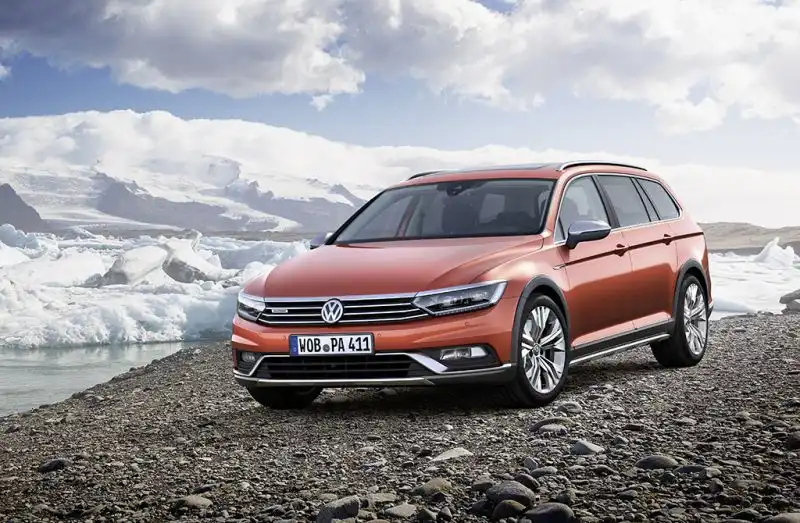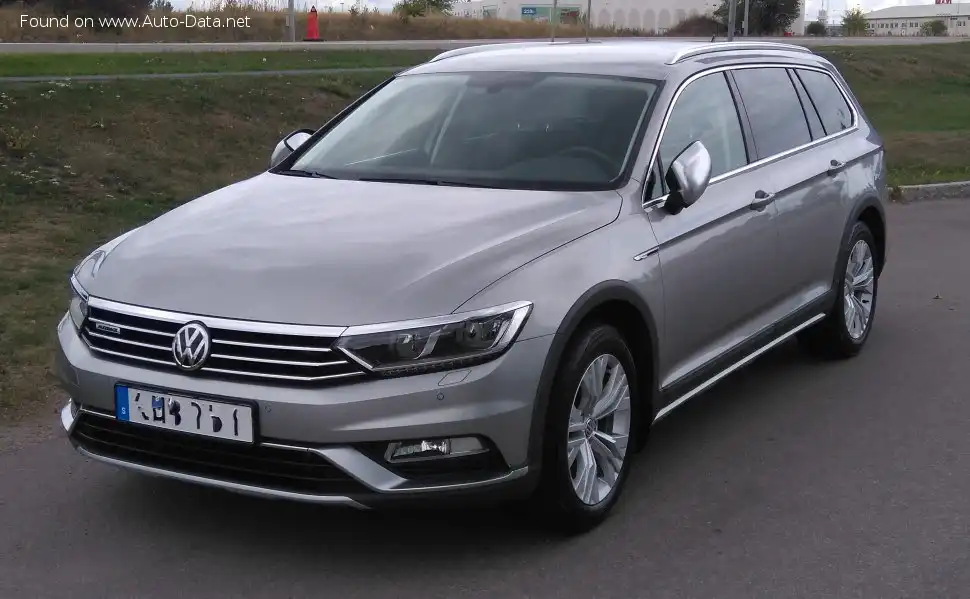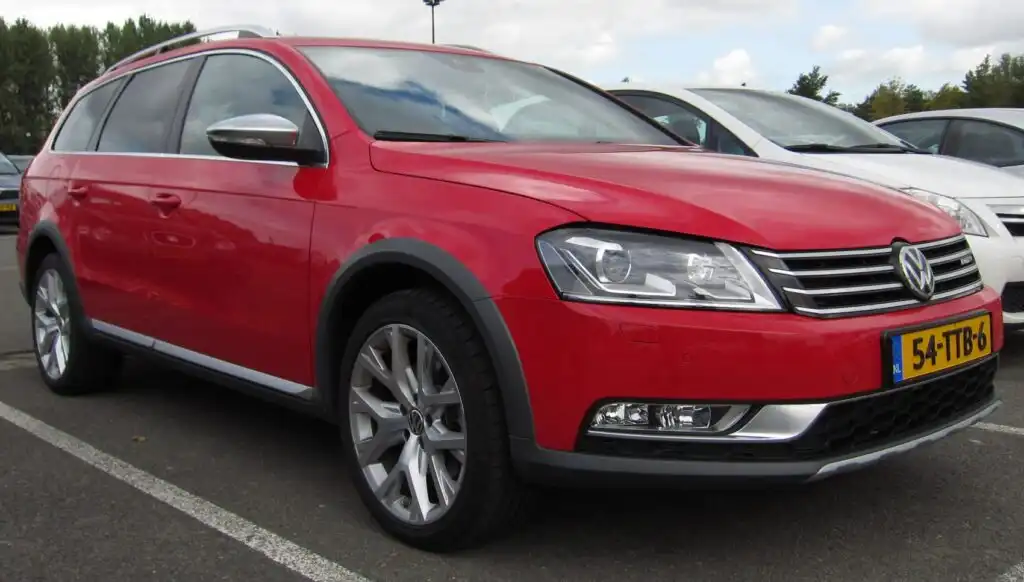
The Volkswagen Passat Alltrack (B7) 2.0 TDI 140 hp, produced from October 2010 to 2014, represents Volkswagen’s foray into the burgeoning crossover estate market. Based on the B7 generation Passat, the Alltrack aimed to blend the practicality of a station wagon with the rugged appeal – and slightly raised ride height – of an all-road vehicle. Positioned as a more adventurous alternative to the standard Passat Variant, it offered standard all-wheel drive (not reflected in the provided data, but a key feature) and distinctive styling cues. This particular 2.0 TDI variant, generating 140 horsepower, served as a mid-range offering within the Alltrack lineup, balancing fuel efficiency with acceptable performance for everyday driving. It was primarily sold in the European market, where the demand for such vehicles was strong.
Technical Specifications
| Brand | Volkswagen |
| Model | Passat |
| Generation | Passat Alltrack (B7) |
| Type (Engine) | 2.0 TDI (140 Hp) |
| Start of production | October, 2010 |
| End of production | 2014 |
| Powertrain Architecture | Internal Combustion engine |
| Body type | Station wagon (estate), Crossover |
| Seats | 5 |
| Doors | 5 |
| Fuel consumption (urban) | 6.5 l/100 km (36.2 US mpg, 43.5 UK mpg, 15.4 km/l) |
| Fuel consumption (extra urban) | 4.4 l/100 km (53.5 US mpg, 64.2 UK mpg, 22.7 km/l) |
| Fuel consumption (combined) | 5.2 l/100 km (45.2 US mpg, 54.3 UK mpg, 19.2 km/l) |
| Fuel Type | Diesel |
| Acceleration 0 – 100 km/h | 10.2 sec |
| Acceleration 0 – 62 mph | 10.2 sec |
| Acceleration 0 – 60 mph | 9.7 sec |
| Maximum speed | 201 km/h (124.9 mph) |
| Weight-to-power ratio | 11.5 kg/Hp, 87 Hp/tonne |
| Weight-to-torque ratio | 5 kg/Nm, 198.9 Nm/tonne |
| Power | 140 Hp @ 4200 rpm |
| Power per litre | 71.1 Hp/l |
| Torque | 320 Nm @ 1750-2500 rpm (236.02 lb.-ft. @ 1750-2500 rpm) |
| Engine layout | Front, Transverse |
| Engine Model/Code | CFFB |
| Engine displacement | 1968 cm3 (120.09 cu. in.) |
| Number of cylinders | 4 |
| Engine configuration | Inline |
| Fuel injection system | Diesel Commonrail |
| Engine aspiration | Turbocharger, Intercooler |
| Engine oil capacity | 4.3 l (4.54 US qt | 3.78 UK qt) |
| Kerb Weight | 1609 kg (3547.24 lbs.) |
| Max. weight | 2190 kg (4828.12 lbs.) |
| Max load | 581 kg (1280.89 lbs.) |
| Trunk (boot) space – minimum | 603 l (21.29 cu. ft.) |
| Trunk (boot) space – maximum | 1731 l (61.13 cu. ft.) |
| Fuel tank capacity | 70 l (18.49 US gal | 15.4 UK gal) |
| Length | 4771 mm (187.83 in.) |
| Width | 1820 mm (71.65 in.) |
| Height | 1550 mm (61.02 in.) |
| Wheelbase | 2710 mm (106.69 in.) |
| Front track | 1549 mm (60.98 in.) |
| Rear (Back) track | 1531 mm (60.28 in.) |
| Minimum turning circle | 11.4 m (37.4 ft.) |
| Drivetrain Architecture | The Internal combustion engine (ICE) drives the front wheels of the vehicle. |
| Drive wheel | Front wheel drive |
| Number of gears | 6 gears, manual transmission |
| Assisting systems | ABS (Anti-lock braking system) |
| Steering type | Steering rack and pinion |
INTRODUCTION
The Volkswagen Passat Alltrack (B7) 2.0 TDI 140 hp, launched in late 2010, was a key component of Volkswagen’s strategy to broaden the appeal of the Passat range. Built on the B7 platform – a significant refresh of the B6 generation – the Alltrack distinguished itself through its standard all-wheel drive system (4MOTION), increased ground clearance, and ruggedized exterior styling. This variant, powered by the 2.0-liter TDI engine producing 140 horsepower, occupied a middle ground in the Alltrack lineup, offering a balance between performance, fuel economy, and price. It was aimed at buyers seeking a versatile vehicle capable of handling both daily commutes and occasional off-pavement excursions.
Powertrain & Engine Architecture
At the heart of the Passat Alltrack (B7) 2.0 TDI 140 hp lies the CFFB engine code, a 1968cc inline-four cylinder diesel engine. This engine utilizes a common rail direct injection system, delivering fuel at extremely high pressure for optimized combustion. A turbocharger with an intercooler further enhances performance by forcing more air into the cylinders. The engine produces 140 hp at 4200 rpm and a substantial 320 Nm (236 lb-ft) of torque between 1750 and 2500 rpm. This broad torque curve is characteristic of modern turbo-diesel engines and contributes to the Alltrack’s usability in various driving conditions. The provided data indicates a 6-speed manual transmission was standard for this configuration. This gearbox was chosen for its balance of fuel efficiency and driver engagement, although a dual-clutch transmission (DSG) was available as an option in some markets.
Driving Characteristics
The 140 hp 2.0 TDI engine, coupled with the manual transmission, provided adequate, though not exhilarating, performance in the Passat Alltrack. Acceleration from 0-60 mph took approximately 9.7 seconds, and top speed was rated at 124.9 mph. The strength of this powertrain lay in its mid-range torque, making it well-suited for overtaking maneuvers and maintaining comfortable cruising speeds on the highway. Compared to the more powerful 170 hp or 177 hp TDI variants, the 140 hp version felt less responsive, particularly when fully loaded. However, it offered superior fuel economy. The manual transmission allowed for greater driver control, but the gear ratios were tuned for efficiency rather than outright performance. The Alltrack’s all-wheel drive system provided enhanced traction in slippery conditions, making it a confident performer in inclement weather.
Equipment & Trim Levels
The Passat Alltrack (B7) 2.0 TDI 140 hp typically came well-equipped, reflecting its positioning as a premium variant. Standard features often included alloy wheels, roof rails, fog lights, and a multi-function steering wheel. The interior featured comfortable seating, often upholstered in fabric or optional leather. Air conditioning was standard, with climate control available as an upgrade. Infotainment systems varied depending on the market and year, but generally included a radio/CD player with auxiliary input. Optional extras included navigation systems, parking sensors, and a panoramic sunroof. The Alltrack also featured unique interior trim elements, such as brushed aluminum accents, to differentiate it from the standard Passat.
Chassis & Braking
The Alltrack’s chassis was specifically tuned to provide a comfortable ride while maintaining good handling characteristics. It featured a MacPherson strut front suspension and a multi-link rear suspension. The increased ride height, compared to the standard Passat, provided greater ground clearance for navigating rougher terrain. Braking systems typically consisted of ventilated front discs and solid rear discs, with ABS (Anti-lock Braking System) standard. Stabilizer bars were fitted to both the front and rear axles to reduce body roll during cornering. The Alltrack’s suspension was generally softer than that of the standard Passat, prioritizing comfort over sporty handling.
Market Reception & Comparison
The Passat Alltrack (B7) 2.0 TDI 140 hp was generally well-received by automotive critics. It was praised for its versatility, comfortable ride, and fuel efficiency. However, some reviewers noted that the 140 hp engine could feel underpowered when the vehicle was fully loaded or driving uphill. Compared to the higher-output TDI variants, the 140 hp version offered a more affordable entry point into the Alltrack range. It also provided better fuel economy than the more powerful engines. Competitors included other crossover estates, such as the Audi A4 Allroad and the Volvo XC70.
Legacy
The Volkswagen Passat Alltrack (B7) 2.0 TDI 140 hp has proven to be a relatively reliable vehicle in the used car market. The 2.0 TDI engine is known for its durability, although regular maintenance is essential. Common issues include diesel particulate filter (DPF) clogging and injector problems. The Alltrack’s all-wheel drive system is generally robust, but it’s important to check for signs of wear and tear. Today, these vehicles represent a good value for buyers seeking a practical and versatile estate car with all-weather capability. They continue to be popular choices for those who appreciate the blend of comfort, fuel efficiency, and ruggedness that the Alltrack offers.