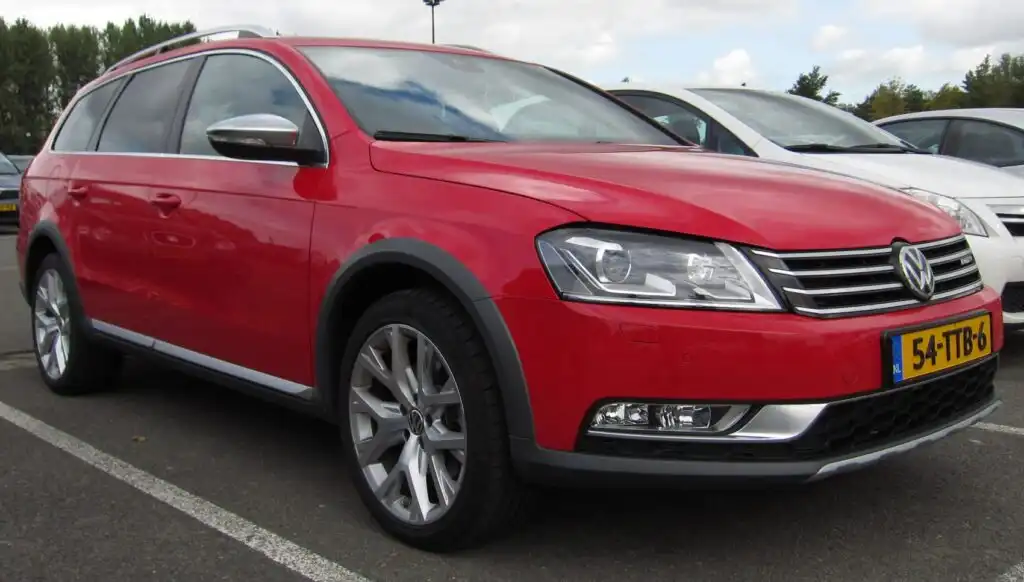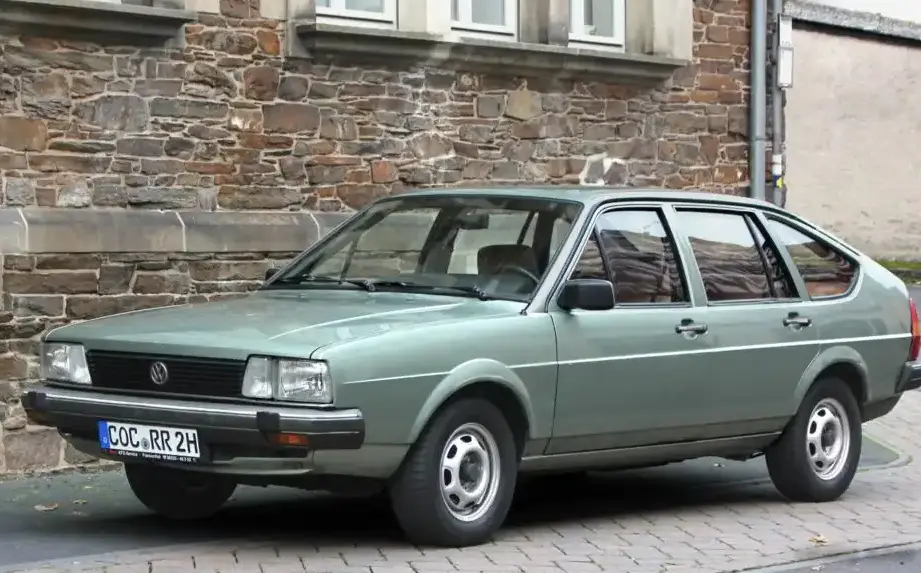
The Volkswagen Passat B2, produced from 1980 to 1988, represented a significant evolution in Volkswagen’s mid-size offerings. The 1.6-liter (70 hp) variant, available from 1987 to 1988, occupied the entry-level position within the B2 Passat lineup, primarily aimed at buyers seeking economical transportation. This model, typically a hatchback, offered a practical and relatively affordable option in a market increasingly demanding fuel efficiency and everyday usability. It served as a stepping stone into the Passat range, offering a less expensive alternative to the more powerful and better-equipped versions.
Technical Specifications
| Brand | Volkswagen |
| Model | Passat |
| Generation | Passat (B2) |
| Type (Engine) | 1.6 (70 Hp) |
| Start of production | 1987 |
| End of production | 1988 |
| Powertrain Architecture | Internal Combustion engine |
| Body type | Hatchback |
| Seats | 5 |
| Doors | 5 |
| Fuel Type | Petrol (Gasoline) |
| Power | 70 Hp |
| Engine Model/Code | PP |
| Engine aspiration | Naturally aspirated engine |
| Engine oil capacity | 3.5 l / 3.7 US qt / 3.08 UK qt |
| Trunk (boot) space – minimum | 480 l / 16.95 cu. ft. |
| Trunk (boot) space – maximum | 1542 l / 54.46 cu. ft. |
| Fuel tank capacity | 70 l / 18.49 US gal / 15.4 UK gal |
| Length | 4435 mm / 174.61 in. |
| Width | 1685 mm / 66.34 in. |
| Height | 1385 mm / 54.53 in. |
| Wheelbase | 2550 mm / 100.39 in. |
Powertrain & Engine Architecture
The 1.6-liter PP engine powering this Passat variant was a naturally aspirated, inline-four cylinder unit. It represented a relatively simple and robust design, prioritizing reliability and fuel economy over outright performance. The engine utilized a single overhead camshaft (SOHC) valvetrain, operating two valves per cylinder. Fuel delivery was managed by a Bosch mechanical fuel injection system, a common setup for the era. This system, while not as sophisticated as later electronic fuel injection, provided adequate control over the air-fuel mixture for efficient combustion. The engine’s 70 horsepower output at approximately 5,800 rpm and 98 lb-ft of torque at 3,200 rpm were modest, but sufficient for typical commuting and highway driving. The engine was paired with a three-speed automatic transmission, a popular choice for drivers prioritizing ease of use over driver engagement. This transmission was known for its durability, but its limited number of gears meant that the engine often operated at higher RPMs during cruising, impacting fuel economy and noise levels.
Driving Characteristics
The 1.6-liter automatic Passat B2 offered a comfortable, if uninspiring, driving experience. Acceleration was leisurely, with 0-60 mph times estimated around 14-16 seconds. The three-speed automatic transmission, while smooth in operation, lacked the responsiveness of a manual gearbox or a more modern automatic with additional gears. The gear ratios were optimized for fuel economy rather than performance, resulting in a noticeable delay during kickdown for overtaking maneuvers. Handling was typical of front-wheel-drive cars of the period – safe and predictable, but not particularly sporty. The suspension, consisting of MacPherson struts at the front and a twist-beam rear axle, provided a reasonably comfortable ride, absorbing bumps and imperfections in the road surface effectively. Compared to the more powerful 1.8-liter or GTI versions of the B2 Passat, the 1.6 automatic felt significantly slower and less engaging to drive. However, it offered a more relaxed and user-friendly experience, particularly in urban environments.
Equipment & Trim Levels
The 1.6-liter Passat B2 typically came with a fairly basic level of equipment, reflecting its position as the entry-level model. Standard features generally included cloth upholstery, a basic AM/FM radio, and manual windows and door locks. Air conditioning was often an optional extra, as were power windows and central locking. The interior design was functional and straightforward, with a focus on practicality rather than luxury. The dashboard featured a simple instrument cluster with a speedometer, fuel gauge, and temperature gauge. The seats provided adequate support for everyday driving, but lacked the bolstering and adjustability found in higher-trim models. Optional extras could include a sunroof, upgraded stereo systems, and alloy wheels. The trim level was often simply designated as “base” or “L”, with limited opportunities for customization.
Chassis & Braking
The Passat B2’s chassis was a conventional front-wheel-drive layout, utilizing a monocoque construction for rigidity and weight reduction. The front suspension employed MacPherson struts with a stabilizer bar, while the rear suspension featured a torsion beam axle. Braking was typically accomplished with disc brakes at the front and drum brakes at the rear. The braking system was adequate for the car’s weight and performance, but lacked the stopping power of more modern systems. Power steering was not always standard, and many examples were equipped with manual steering, requiring more effort at low speeds. The tires were typically narrow, prioritizing fuel economy over grip. The overall chassis setup was geared towards providing a comfortable and predictable ride, rather than sporty handling.
Market Reception & Comparison
The 1.6-liter automatic Passat B2 was generally well-received as an affordable and practical family car. Critics praised its fuel efficiency and spacious interior, but noted its lack of performance. Compared to the 1.8-liter versions, the 1.6 offered significantly less power and acceleration, but at a lower price point. The 1.8-liter models were considered a better choice for drivers who frequently traveled on highways or needed more power for overtaking. The 1.6-liter automatic also lagged behind the diesel-powered Passats in terms of fuel economy, although the diesel models were often more expensive to purchase and maintain. In terms of reliability, the 1.6-liter engine was generally considered to be very durable, with few major issues reported. However, the automatic transmission could be prone to wear and tear if not properly maintained.
Legacy
The 1.6-liter automatic Passat B2 remains a relatively common sight on European roads today, often cherished by enthusiasts for its simplicity and affordability. The PP engine is known for its robustness and relatively low maintenance costs. While not a particularly collectible model, well-maintained examples are gaining appreciation among classic car enthusiasts. The three-speed automatic transmission, while not the most sophisticated, is generally reliable if serviced regularly. In the used car market, these Passats represent a budget-friendly option for those seeking a classic Volkswagen with a practical hatchback body style. Parts availability is generally good, although some trim-specific components may be difficult to find. Overall, the 1.6-liter automatic Passat B2 represents a solid and dependable example of 1980s German engineering.