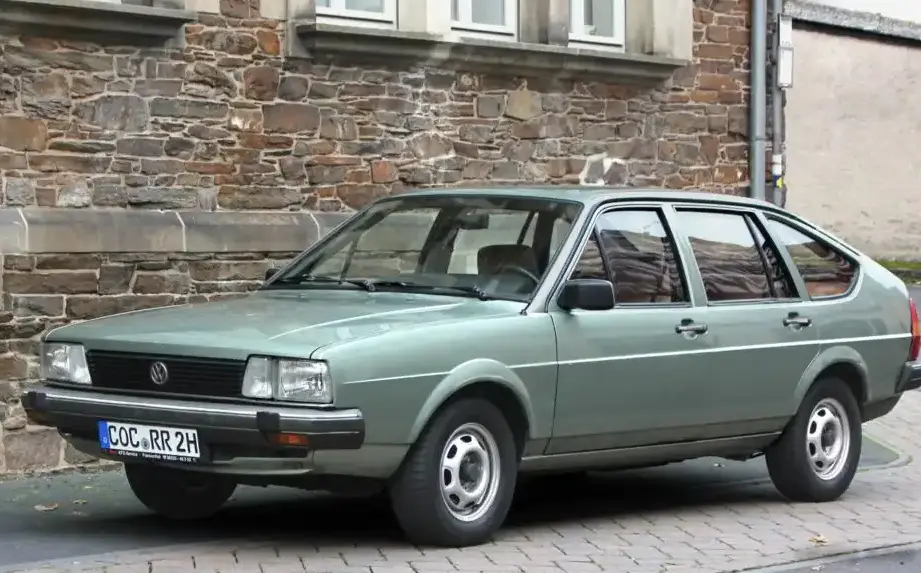
The Volkswagen Passat B2, produced between 1980 and 1988, represented a significant evolution for Volkswagen’s mid-size offering. The 2.2-liter (115 hp) variant, available from 1985 to 1988, occupied a middle ground in the B2 Passat lineup, offering a balance between performance and affordability. This model, designated with engine code KX, was primarily aimed at buyers seeking a comfortable and practical family car with adequate power for highway cruising. It was a popular choice in European markets, where fuel economy and practicality were highly valued, and saw limited import into the United States during this period.
Technical Specifications
| Brand | Volkswagen |
| Model | Passat |
| Generation | Passat (B2) |
| Type (Engine) | 2.2 (115 Hp) |
| Start of production | 1985 |
| End of production | 1988 |
| Powertrain Architecture | Internal Combustion engine |
| Body type | Hatchback |
| Seats | 5 |
| Doors | 5 |
| Fuel Type | Petrol (Gasoline) |
| Power | 115 Hp |
| Engine Model/Code | KX |
| Engine aspiration | Naturally aspirated engine |
| Engine oil capacity | 3 l (3.17 US qt | 2.64 UK qt) |
| Coolant capacity | 4 l (4.23 US qt | 3.52 UK qt) |
| Trunk (boot) space – minimum | 480 l (16.95 cu. ft.) |
| Trunk (boot) space – maximum | 1542 l (54.46 cu. ft.) |
| Fuel tank capacity | 70 l (18.49 US gal | 15.4 UK gal) |
| Length | 4435 mm (174.61 in.) |
| Width | 1685 mm (66.34 in.) |
| Height | 1385 mm (54.53 in.) |
| Wheelbase | 2550 mm (100.39 in.) |
Powertrain & Engine Architecture
The heart of the 1985-1988 Passat 2.2 was the KX engine, a 2.182-liter, inline-four cylinder gasoline engine. This engine featured a cast iron block and an aluminum cylinder head, a common configuration for Volkswagen engines of the era. It utilized a Bosch LE-Jetronic fuel injection system, a relatively sophisticated system for its time, providing improved fuel efficiency and reduced emissions compared to carbureted engines. The engine employed a single overhead camshaft (SOHC) valvetrain with two valves per cylinder. The 115 horsepower output was achieved at 5500 rpm, with peak torque of 138 lb-ft (187 Nm) arriving at 3300 rpm. The engine was typically paired with a three-speed automatic transmission, although a five-speed manual was also available. The automatic transmission, while providing convenience, was known for its relatively conservative gear ratios, prioritizing fuel economy over outright acceleration.
Driving Characteristics
The 2.2-liter automatic Passat B2 offered a comfortable, if not particularly sporty, driving experience. Acceleration was adequate for everyday driving, with a 0-60 mph time estimated around 11-12 seconds. The automatic transmission’s gear changes were smooth but not particularly quick, and the lack of overdrive contributed to higher engine speeds at highway cruising speeds. Compared to the more powerful 1.8-liter GTI variants or the later 16V models, the 2.2 automatic felt noticeably slower. However, it offered a more relaxed driving experience, particularly in city traffic. The steering was light and precise, and the suspension provided a comfortable ride, absorbing bumps and imperfections in the road well. The relatively modest power output meant that the standard brakes were generally sufficient for most driving situations.
Equipment & Trim Levels
The 2.2-liter Passat B2 typically came with a reasonable level of standard equipment. Base models included cloth upholstery, a basic AM/FM radio, and manual windows and door locks. Higher trim levels, often denoted by “GL” or “GLS” badges, added features such as power windows, central locking, upgraded upholstery (often velour), and a more sophisticated radio with cassette player. Optional extras included a sunroof, air conditioning, and alloy wheels. Interior design was functional and straightforward, reflecting the car’s focus on practicality. The dashboard layout was clean and easy to use, with clearly labeled controls. The rear seats offered ample legroom for passengers, and the hatchback configuration provided excellent cargo versatility.
Chassis & Braking
The Passat B2 utilized a MacPherson strut front suspension and a semi-independent torsion beam rear suspension. This setup provided a good balance between ride comfort and handling. The 2.2-liter models typically featured front disc brakes and rear drum brakes. Stabilizer bars were fitted to both the front and rear axles, helping to reduce body roll during cornering. Steering was rack and pinion, providing precise and responsive control. The suspension was tuned for comfort, prioritizing a smooth ride over sporty handling. The brakes were adequate for the car’s weight and power, but lacked the stopping power of more modern braking systems.
Market Reception & Comparison
The Passat B2 2.2 automatic was generally well-received by automotive critics as a practical and comfortable family car. It was praised for its spacious interior, good fuel economy (around 22-26 mpg combined), and reliable powertrain. However, it was often criticized for its relatively slow acceleration and somewhat dated styling. Compared to the 1.8-liter versions, the 2.2 offered more torque and a smoother driving experience, but at the cost of slightly reduced fuel economy. The 2.2 was also a more affordable alternative to the more expensive and performance-oriented 16V models. In terms of reliability, the KX engine proved to be generally robust, although regular maintenance was essential to prevent issues such as oil leaks and timing belt failures.
Legacy
The Volkswagen Passat B2 2.2 automatic remains a popular choice among classic car enthusiasts and collectors. Its simple mechanical design and readily available parts make it relatively easy to maintain and repair. While not a particularly rare or valuable model, well-maintained examples are increasingly sought after. The KX engine, while not known for its high performance, is considered to be a reliable and durable unit. Today, these Passats offer a nostalgic glimpse into 1980s automotive design and engineering, and provide a comfortable and practical driving experience for those seeking a classic European car.