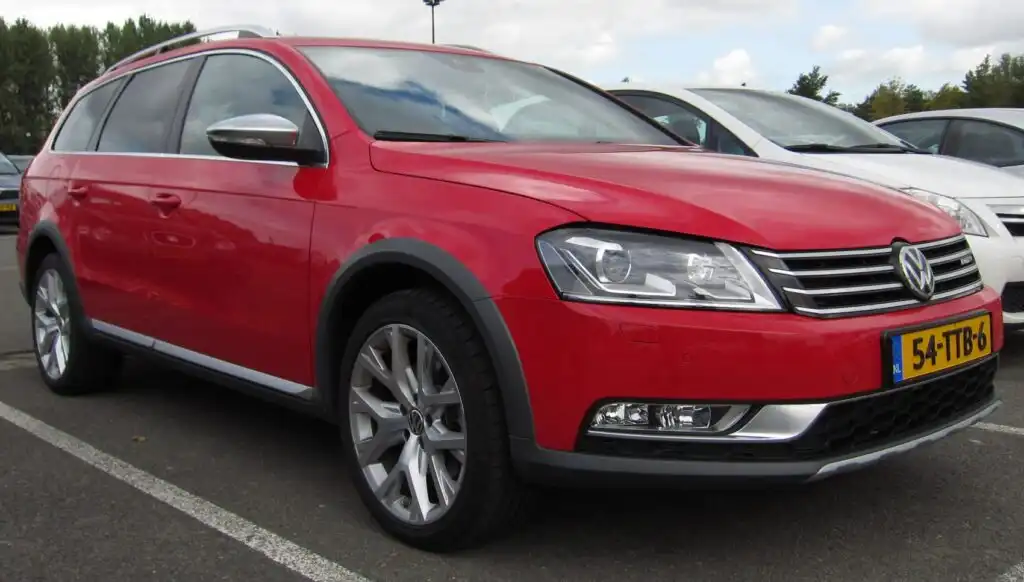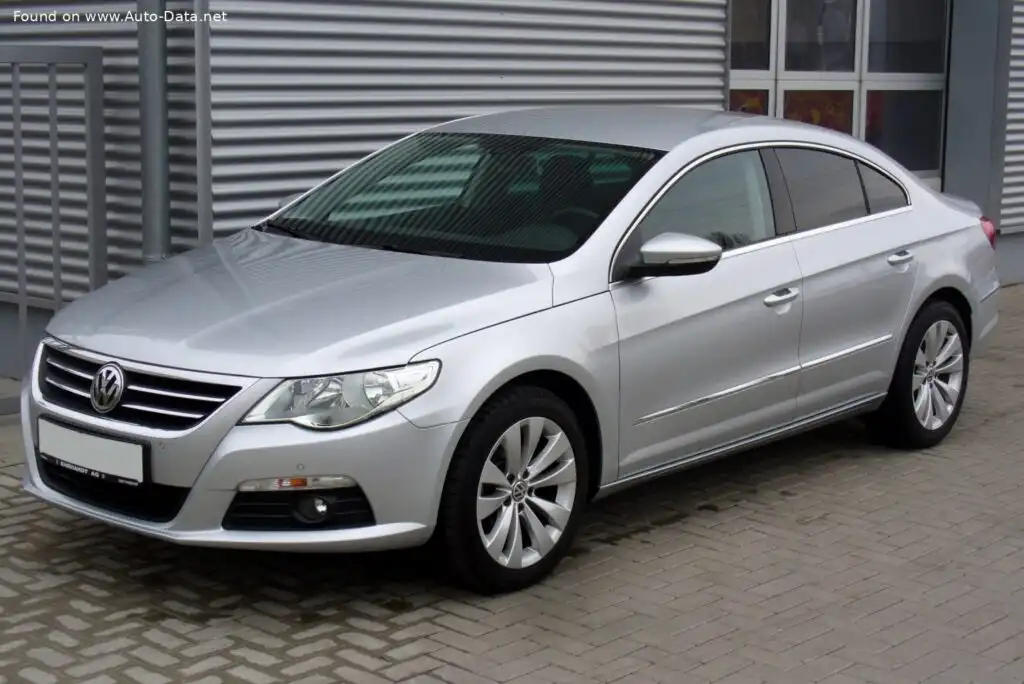
The Volkswagen Passat CC I 2.0 TDI BMT (140 hp) was a coupe-styled variant of the sixth-generation Passat, produced between October 2009 and 2012. Positioned as a more stylish and sporty alternative to the traditional Passat sedan, the CC (Comfort Coupe) aimed to attract buyers seeking a premium feel without the higher price tag of outright luxury brands. This particular 2.0 TDI BMT configuration represented a balance between fuel efficiency and reasonable performance, making it a popular choice in European markets. The “BMT” designation stands for “BlueMotion Technology,” indicating the inclusion of fuel-saving features. It sat in the mid-range of the CC lineup, offering a step up from the base petrol engines but falling short of the more powerful TDI variants.
Technical Specifications
| Brand | Volkswagen |
| Model | Passat CC |
| Generation | Passat CC I |
| Type (Engine) | 2.0 TDI BMT (140 Hp) |
| Start of production | October, 2009 |
| End of production | 2012 |
| Powertrain Architecture | Internal Combustion engine |
| Body type | Coupe |
| Seats | 4 |
| Doors | 4 |
| Fuel consumption (urban) | 5.7 l/100 km (41.3 US mpg, 49.6 UK mpg, 17.5 km/l) |
| Fuel consumption (extra urban) | 4.3 l/100 km (54.7 US mpg, 65.7 UK mpg, 23.3 km/l) |
| Fuel consumption (combined) | 4.7 l/100 km (50 US mpg, 60.1 UK mpg, 21.3 km/l) |
| CO2 emissions | 125 g/km |
| Fuel Type | Diesel |
| Acceleration 0 – 100 km/h | 9.8 sec |
| Acceleration 0 – 62 mph | 9.8 sec |
| Acceleration 0 – 60 mph | 9.3 sec |
| Maximum speed | 213 km/h (132.35 mph) |
| Emission standard | Euro 5 |
| Weight-to-power ratio | 11.1 kg/Hp, 90.3 Hp/tonne |
| Weight-to-torque ratio | 4.8 kg/Nm, 206.5 Nm/tonne |
| Power | 140 Hp @ 4200 rpm |
| Power per litre | 71.1 Hp/l |
| Torque | 320 Nm @ 1750-2500 rpm (236.02 lb.-ft. @ 1750-2500 rpm) |
| Engine layout | Front, Transverse |
| Engine Model/Code | CBAB, CFFB |
| Engine displacement | 1968 cm3 (120.09 cu. in.) |
| Number of cylinders | 4 |
| Engine configuration | Inline |
| Cylinder Bore | 81 mm (3.19 in.) |
| Piston Stroke | 95.5 mm (3.76 in.) |
| Compression ratio | 16.5:1 |
| Number of valves per cylinder | 4 |
| Fuel injection system | Diesel Commonrail |
| Engine aspiration | Turbocharger, Intercooler |
| Valvetrain | DOHC |
| Engine oil capacity | 4 l (4.23 US qt | 3.52 UK qt) |
| Kerb Weight | 1550 kg (3417.17 lbs.) |
| Max. weight | 1970 kg (4343.11 lbs.) |
| Max load | 420 kg (925.94 lbs.) |
| Trunk (boot) space – minimum | 532 l (18.79 cu. ft.) |
| Fuel tank capacity | 70 l (18.49 US gal | 15.4 UK gal) |
| Max. roof load | 100 kg (220.46 lbs.) |
| Permitted trailer load with brakes (12%) | 1800 kg (3968.32 lbs.) |
| Permitted trailer load without brakes | 750 kg (1653.47 lbs.) |
| Permitted towbar download | 90 kg (198.42 lbs.) |
| Length | 4799 mm (188.94 in.) |
| Width | 1855 mm (73.03 in.) |
| Width including mirrors | 2090 mm (82.28 in.) |
| Height | 1417 mm (55.79 in.) |
| Wheelbase | 2711 mm (106.73 in.) |
| Front track | 1552 mm (61.1 in.) |
| Rear (Back) track | 1559 mm (61.38 in.) |
| Ride height (ground clearance) | 127 mm (5 in.) |
| Minimum turning circle (turning diameter) | 11.4 m (37.4 ft.) |
| Front suspension | Independent, type McPherson with coil spring and anti-roll bar |
| Rear suspension | Independent multi-link spring suspension with stabilizer |
| Front brakes | Ventilated discs |
| Rear brakes | Disc |
| Drive wheel | Front wheel drive |
| Number of gears and type of gearbox | 6 gears, manual transmission |
Powertrain & Engine Architecture
The heart of the Passat CC I 2.0 TDI BMT was the Volkswagen Group’s 1968cc inline-four cylinder diesel engine, specifically the CBAB or CFFB engine code depending on the exact production date and market. This engine utilized a common rail direct injection system, delivering fuel at extremely high pressure for optimized combustion. A turbocharger with an intercooler was employed to boost power output, providing 140 horsepower at 4200 rpm and a substantial 320 Nm (236 lb-ft) of torque between 1750 and 2500 rpm. The engine featured a double overhead camshaft (DOHC) valvetrain with four valves per cylinder, contributing to its efficiency and power delivery. The “BlueMotion Technology” included features like a start/stop system and optimized aerodynamics to reduce fuel consumption and emissions. The engine was transversely mounted in the front of the vehicle. The 6-speed manual transmission was the standard offering, providing a balance between fuel economy and driver engagement.
Driving Characteristics
The 2.0 TDI BMT with the manual transmission offered a respectable driving experience. While not overtly sporty, the engine provided sufficient power for everyday driving and overtaking maneuvers. The 320 Nm of torque available from relatively low engine speeds meant that the car felt responsive in most situations. The six-speed gearbox was well-matched to the engine’s characteristics, allowing for comfortable cruising on the highway. Compared to the more powerful TDI variants (like the 170 hp version), this 140 hp engine felt less urgent in acceleration, but it offered significantly better fuel economy. Against petrol-powered versions, the TDI BMT provided superior torque and fuel efficiency, albeit with a slightly more noticeable diesel engine sound.
Equipment & Trim Levels
The Passat CC I 2.0 TDI BMT typically came with a good level of standard equipment. This included features like air conditioning, alloy wheels, a multi-function steering wheel, and an infotainment system with a CD player and radio. Higher trim levels added features such as leather upholstery, a sunroof, parking sensors, and more advanced infotainment options. The CC’s interior was designed to be more upscale than the standard Passat, with a focus on comfort and aesthetics. Optional extras included navigation systems, upgraded sound systems, and various driver assistance features.
Chassis & Braking
The Passat CC I utilized an independent suspension setup, with McPherson struts at the front and a multi-link system at the rear. This provided a comfortable ride quality while maintaining reasonable handling characteristics. The front brakes were ventilated discs, while the rear brakes were solid discs. Anti-lock Braking System (ABS) was standard. The suspension was tuned to prioritize comfort over outright sportiness, making it well-suited for long-distance cruising. Stabilizer bars were fitted to both the front and rear axles to reduce body roll during cornering.
Market Reception & Comparison
The Passat CC I 2.0 TDI BMT was generally well-received by automotive critics. It was praised for its stylish design, comfortable interior, and fuel-efficient engine. However, some critics noted that the handling wasn’t as sharp as some of its competitors. Compared to other trims in the Passat CC lineup, the 2.0 TDI BMT offered a compelling balance of performance, economy, and price. It was a popular choice for buyers who wanted a stylish and practical car without the higher running costs of the more powerful engines. Fuel economy was a key selling point, consistently achieving around 50 mpg on combined cycles.
Legacy
The 2.0 TDI BMT engine, in general, has proven to be a relatively reliable powertrain. However, like all diesel engines, it’s susceptible to issues related to the diesel particulate filter (DPF) if not properly maintained. Regular servicing and the use of high-quality diesel fuel are crucial for ensuring long-term reliability. In the used car market today, the Passat CC I 2.0 TDI BMT represents a good value proposition for buyers seeking a stylish and fuel-efficient coupe. Its relatively low running costs and comfortable ride make it a practical choice for everyday use. However, potential buyers should be aware of the potential for DPF-related issues and ensure that the vehicle has been properly maintained.