The Volkswagen Polo II (86C) 0.9 (39 Hp): A European Compact Pioneer
The Volkswagen Polo II, internally designated 86C, emerged in 1981 as a pivotal model in the European supermini segment. This second-generation Polo built upon the success of its predecessor, offering a more contemporary design, improved practicality, and a range of efficient powertrains. The specific variant under discussion, the Polo II (86C) 0.9 (39 Hp) hatchback, represents the entry-level offering at the dawn of this new generation, available for a concentrated period within 1981. Though never officially sold in the United States, the Polo II played a crucial role in Volkswagen’s strategy to provide economical, reliable, and compact transportation across European markets, solidifying its reputation for Germanic engineering in a smaller, more accessible package. It competed fiercely in a crowded segment, becoming a common sight on European roads and a testament to Volkswagen’s ability to cater to diverse automotive needs.
Engine & Performance: The Heart of the Volkswagen Polo II (86C)
At the core of the introductory Volkswagen Polo II (86C) was its modest yet functional 0.9-liter internal combustion engine, designated with the code HA. This naturally aspirated gasoline engine produced a humble 39 horsepower, a figure that, while seemingly low by modern standards, was entirely appropriate for a lightweight, urban-focused vehicle of its era. Engineered for economy and reliability rather than outright speed, this small powerplant was designed to navigate congested city streets and provide efficient short-to-medium distance travel. Its simplicity was a key attribute, contributing to lower manufacturing costs, easier maintenance, and robust longevity—qualities highly valued by budget-conscious consumers in the early 1980s.
The 0.9-liter unit, likely a carbureted four-cylinder, delivered its power smoothly, if not spiritedly. Its design prioritized fuel efficiency, a critical factor during a period of fluctuating oil prices and growing environmental awareness. The engine’s modest output meant that performance was adequate for its intended purpose, allowing the lightweight hatchback to keep pace with city traffic and manage gentle highway cruising. This foundational engine helped establish the Polo II’s reputation as an economical choice, making it an attractive option for first-time car buyers, small families, or as a secondary vehicle. The engineering behind the HA engine, though basic, underscored Volkswagen’s commitment to producing dependable and cost-effective powertrains for its high-volume models.
Design & Features: Practicality Redefined for the Volkswagen Polo II (86C)
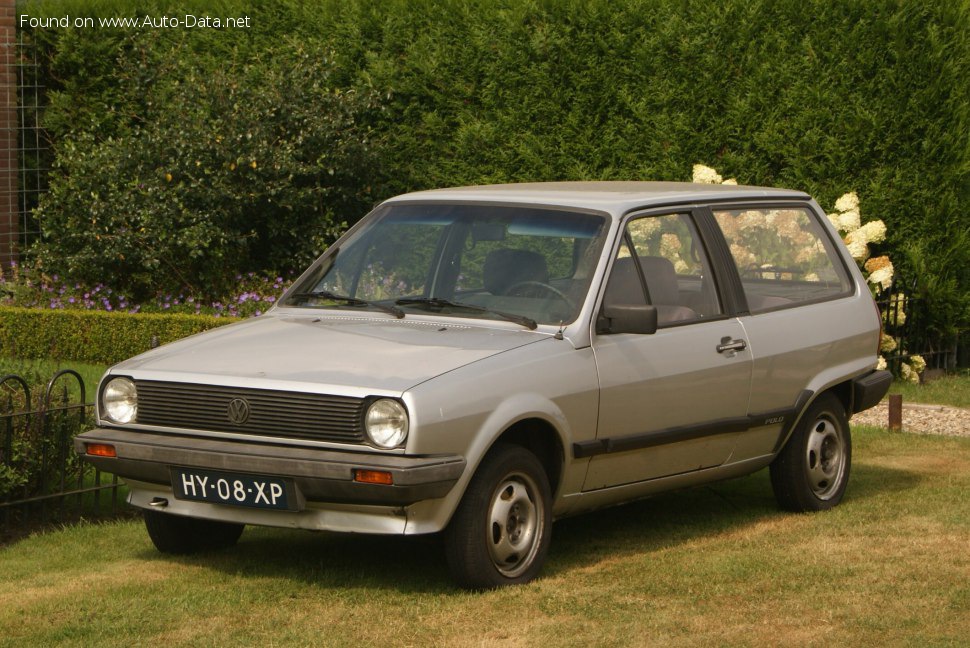
The design of the Volkswagen Polo II (86C) marked a significant departure from its first generation. While still compact, the 86C adopted a more angular, “breadvan” or “shooting-brake” like profile, particularly in its hatchback guise. This design choice wasn’t merely aesthetic; it was driven by a strong emphasis on maximizing interior space and practicality within a small footprint. The result was a surprisingly capacious cabin and cargo area for a vehicle of its class, making it highly versatile for daily use.
The hatchback body type was central to the Polo II’s appeal. It offered excellent accessibility to the rear cargo area, which could be expanded significantly by folding down the rear seats. This flexibility made the Polo II a popular choice for everything from grocery runs to transporting small furniture items, a testament to its clever packaging. Exterior styling cues included large, functional headlights, a simple grille, and a clean, unfussy silhouette that prioritized aerodynamics and manufacturing efficiency. The car’s compact dimensions—essential for navigating the narrow streets and tight parking spaces prevalent in European cities—were complemented by good all-around visibility, enhancing maneuverability.
Inside, the Polo II (86C) was characterized by its functional and durable interior. Materials were chosen for longevity and ease of cleaning, reflecting the car’s utilitarian purpose. Instrumentation was straightforward, typically featuring a speedometer, fuel gauge, and basic warning lights, providing drivers with essential information without unnecessary frills. While luxury features were minimal, the focus was on ergonomics and user-friendliness. Safety features, typical for 1981, included three-point seatbelts, a robust steel body structure, and a clear line of sight, meeting the prevailing standards for compact cars of the era. The overall design ethos of the Polo II was one of sensible, no-nonsense engineering, embodying Volkswagen’s commitment to delivering practical and well-built vehicles.
Technical Specifications: Volkswagen Polo II (86C) 0.9 (39 Hp)
| Category | Specification |
|---|---|
| Brand | Volkswagen |
| Model | Polo |
| Generation | Polo II (86C) |
| Type (Engine) | 0.9 (39 Hp) |
| Start of Production | 1981 year |
| End of Production | 1981 year |
| Powertrain Architecture | Internal Combustion engine |
| Body Type | Hatchback |
| Fuel Type | Petrol (Gasoline) |
| Power | 39 Hp |
| Engine Model/Code | HA |
| Engine Aspiration | Naturally aspirated engine |
| Engine Oil Capacity | 3 L (3.17 US qt) |
| Coolant Capacity | 4 L (4.23 US qt) |
Legacy & Market Impact: The Enduring Influence of the Volkswagen Polo II (86C)
The Volkswagen Polo II (86C), and particularly its early 0.9 (39 Hp) variant, left an indelible mark on the European automotive landscape. While this specific engine was only offered for a short period at the very beginning of the 86C’s production run, likely as an initial entry-level option before the range expanded and evolved, it set the tone for the generation’s commitment to economy and accessibility. The Polo II quickly established itself as a formidable competitor in the burgeoning supermini segment, a class characterized by compact dimensions, fuel efficiency, and affordability.
In its primary European markets, the Polo II squared off against a host of strong rivals. Key competitors included the Ford Fiesta (which was undergoing its own evolutionary changes), the highly popular Renault 5, the Fiat Uno (another masterclass in small car packaging), and later, the Opel Corsa A (Vauxhall Nova in the UK). What set the Polo II apart was its reputation for robust build quality and a perception of Germanic engineering solidity, even in this entry-level segment. Volkswagen leveraged its brand image, built on the success of the Beetle and Golf, to position the Polo as a reliable and sensible choice for a wide array of buyers.
The Polo II’s impact extended beyond just sales figures; it helped solidify Volkswagen’s “third pillar” strategy, sitting comfortably below the Golf and Passat in the lineup. It demonstrated that VW could deliver a smaller, more economical car without sacrificing the core values of durability and thoughtful design. The car’s practicality, low running costs, and straightforward mechanics contributed to its widespread adoption and long-term popularity. Many Polo IIs remained on European roads for decades, a testament to their inherent longevity and ease of maintenance.
Ultimately, the Volkswagen Polo II (86C) was more than just a car; it was a foundational model that cemented the Polo’s place as a perennial contender in the European small car market. Its legacy is one of practical innovation, economic efficiency, and enduring appeal. The early 0.9-liter model, despite its brief production window, perfectly encapsulated the initial philosophy of the Polo II: a no-frills, reliable, and highly functional vehicle designed to meet the everyday transportation needs of millions.