Volkswagen Polo II (86C) 1.3 (54 Hp): A European Supermini Icon
The Volkswagen Polo II, internally designated 86C, represents a significant chapter in the history of the European supermini segment. Launched in 1981 and produced until 1994, this generation of the Polo built upon the success of its predecessor, establishing itself as a robust, practical, and highly economical choice for a broad range of drivers across Europe. The specific variant under review, the Volkswagen Polo II (86C) 1.3 (54 Hp), produced between 1985 and 1988, epitomized the model’s core virtues: reliable performance, compact dimensions, and a no-nonsense approach to personal transportation. While never officially sold in the United States, the Polo II played a crucial role in Volkswagen’s strategy for the European market, slotting in below the larger Golf and offering an accessible entry point into the brand’s well-regarded lineup.
The Polo II (86C) was a common sight on European roads throughout the 1980s and well into the 1990s, revered for its blend of German engineering and everyday usability. It represented Volkswagen’s commitment to delivering quality and durability even in its smallest offerings, a philosophy that resonated deeply with consumers seeking dependable and cost-effective vehicles. This particular 1.3-liter variant, with its modest but capable powertrain, was a popular choice, perfectly balancing performance with exceptional fuel economy for its era.
Engine & Performance: The Heart of the Volkswagen Polo II (86C)
At the core of the 1985-1988 Volkswagen Polo II (86C) 1.3 (54 Hp) was its naturally aspirated, gasoline-powered 1.3-liter (1272 cc) internal combustion engine, identified by the engine code MH. This four-cylinder unit delivered a respectable 54 horsepower (Hp) at a time when efficiency and reliability often took precedence over raw power in the supermini class. While 54 Hp might seem modest by today’s standards, it was entirely adequate for the Polo’s intended purpose and market. The engine was designed for urban driving, light highway cruising, and general utility, providing sufficient thrust for daily commutes and family errands across Europe’s diverse road networks.
The MH engine was characterized by its simplicity and robustness, hallmarks of Volkswagen engineering from that era. Its naturally aspirated design meant predictable power delivery without the added complexity or cost of forced induction. This contributed significantly to the vehicle’s reputation for low maintenance and long-term durability. Power was delivered to the front wheels, a standard configuration for compact cars of the period, ensuring good traction and efficient packaging. The engine’s design also focused on fuel economy, a critical factor for European buyers facing higher fuel prices than their American counterparts. Its relatively low power output and lightweight construction meant it could achieve impressive mileage figures, further solidifying its appeal as an economical choice.
From a maintenance perspective, the 1.3-liter engine was straightforward. It required an engine oil capacity of 3.5 liters (3.7 US quarts) and a coolant capacity of 5.6 liters (5.92 US quarts), standard figures for a compact engine of its size. These specifications underscored its conventional and user-friendly design, making it accessible for routine servicing and upkeep. The powertrain architecture, being a pure internal combustion engine, reflected the prevalent technology of the mid-1980s, before the widespread adoption of more complex emissions control systems or hybrid technologies.
Design & Features: Practicality in a Hatchback Form
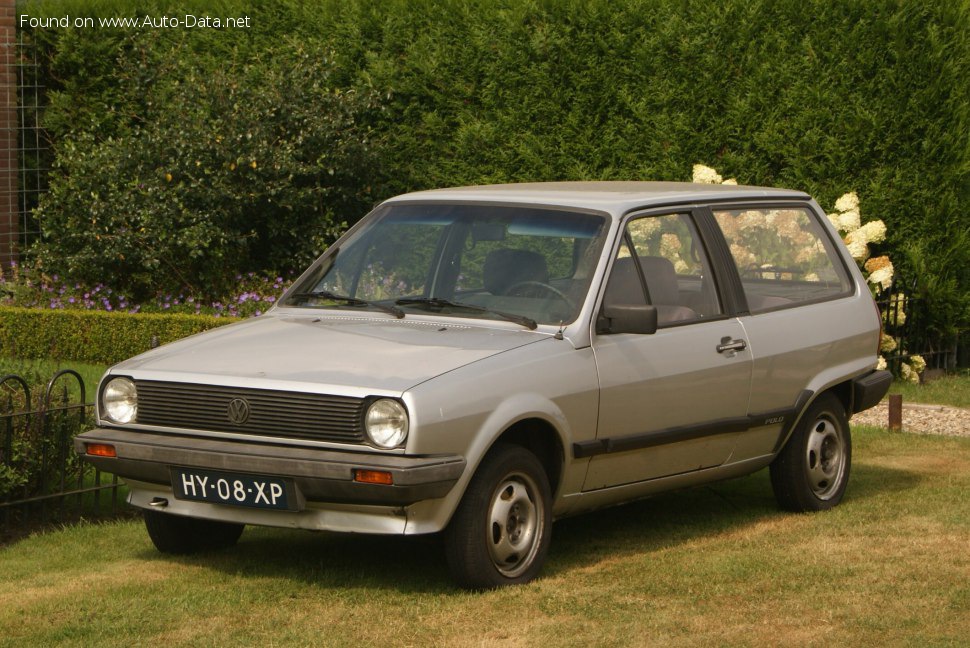
The Volkswagen Polo II (86C) was primarily offered in a hatchback body type, a design choice that emphasized practicality, versatility, and efficient space utilization. The 1985-1988 1.3 (54 Hp) variant, specifically as a hatchback, embodied these characteristics perfectly. The exterior design of the Polo II was distinctly an evolution of the first generation, featuring sharper lines and a more angular aesthetic that was characteristic of 1980s automotive design. It retained a compact footprint, making it highly maneuverable in congested city environments and easy to park, a significant advantage in European urban centers.
The hatchback configuration provided excellent cargo flexibility. With its rear seats folded down, the Polo II could accommodate a surprising amount of luggage or groceries, making it a highly functional vehicle for small families or individuals. The design prioritized utility over flamboyant styling, reflecting Volkswagen’s pragmatic approach to car manufacturing. The Polo II’s body shell was renowned for its solid construction and good build quality, contributing to its longevity on the road. While interior features were basic by modern standards, they were well-executed and durable. Expect simple cloth upholstery, manual window winders, and a straightforward dashboard layout with clear, analog instrumentation. Air conditioning was often an optional extra, and power steering, if available, was usually limited to higher trims or later models.
Safety features, typical for a vehicle of its class and era, included standard seatbelts and a robust body structure. Advanced safety systems like airbags, anti-lock brakes (ABS), or electronic stability control (ESC) were not yet standard in this segment in the mid-1980s. Instead, the Polo relied on its solid engineering and predictable handling characteristics to keep occupants safe. The design aesthetic was clean and functional, a testament to German design philosophy that valued form following function, resulting in a car that, while not flashy, aged gracefully and maintained a timeless appeal for many.
Technical Specifications
| Category | Specification |
|---|---|
| Brand | Volkswagen |
| Model | Polo |
| Generation | Polo II (86C) |
| Engine Type | 1.3 (54 Hp) |
| Production Start | 1985 year |
| Production End | 1988 year |
| Powertrain Architecture | Internal Combustion Engine |
| Body Type | Hatchback |
| Fuel Type | Petrol (Gasoline) |
| Power | 54 Hp |
| Engine Model/Code | MH |
| Engine Aspiration | Naturally Aspirated Engine |
| Engine Oil Capacity | 3.5 liters (3.7 US quarts) |
| Coolant Capacity | 5.6 liters (5.92 US quarts) |
Legacy & Market Impact: The Enduring Charm of the Polo II (86C)
The Volkswagen Polo II (86C), particularly the 1.3 (54 Hp) variant, left an indelible mark on the European automotive landscape. Its legacy is rooted in its reputation as a highly dependable, economical, and practical vehicle that served millions of drivers across the continent. It solidified Volkswagen’s position as a leader in the compact car segment, demonstrating that small cars could still offer robust build quality and a refined driving experience, albeit on a smaller scale than its Golf sibling.
In its primary market, the Polo II faced stiff competition from a range of formidable European rivals. Key competitors included the Ford Fiesta, a perennial best-seller known for its engaging driving dynamics; the Opel Corsa (Vauxhall Nova in the UK), another strong contender from Germany offering solid value; the Fiat Uno, celebrated for its innovative design and spacious interior; and the iconic Peugeot 205, particularly its more powerful variants, which garnered acclaim for both style and handling. Despite this competitive environment, the Polo II carved out its niche by appealing to buyers who prioritized longevity, low running costs, and a no-frills approach to motoring.
The historical significance of the Polo II (86C) lies in its contribution to the evolution of the supermini. It demonstrated the viability of a small, front-wheel-drive hatchback as a primary family vehicle in an era when larger sedans were still common. Its enduring presence on European roads, even decades after its production ceased, is a testament to its robust engineering and the loyalty it inspired among its owners. Many Polo IIs were passed down through generations, serving as reliable first cars or secondary vehicles, underscoring their exceptional durability.
Today, the Volkswagen Polo II (86C) is increasingly recognized as a classic car, particularly by enthusiasts who appreciate its straightforward mechanics, minimalist design, and the nostalgic charm of 1980s motoring. While it may not command the same collector prices as some of its sportier contemporaries, its value lies in its historical context as a workhorse of its era and a foundational model for Volkswagen’s continued success in the compact segment. Its influence can still be seen in subsequent generations of the Polo, which have consistently aimed to deliver a similar blend of quality, practicality, and efficiency, albeit with modern technology and refinement. The 1.3 (54 Hp) model, in particular, represents the quintessential Polo II experience – an honest, hardworking vehicle that perfectly met the needs of its time.