The Volkswagen Polo II (86C) Overview
The Volkswagen Polo II (86C) represents a significant chapter in the history of Volkswagen’s supermini, a segment critically important to the European automotive landscape. Launched in 1982, the second generation Polo, internally designated as the 86C, built upon the success of its predecessor by offering enhanced practicality, a more mature design, and a range of efficient powertrains. This particular variant, the Polo II (86C) 1.3 (75 Hp) Hatchback, was a popular choice for its balance of economical operation and spirited performance, making it a highly competitive offering in its primary European markets throughout its production run from 1982 to 1989. While never officially sold in the United States, the Polo II (86C) played a crucial role in cementing Volkswagen’s reputation for crafting reliable and practical small cars globally, influencing design and engineering principles that would eventually find their way into VW models offered stateside.
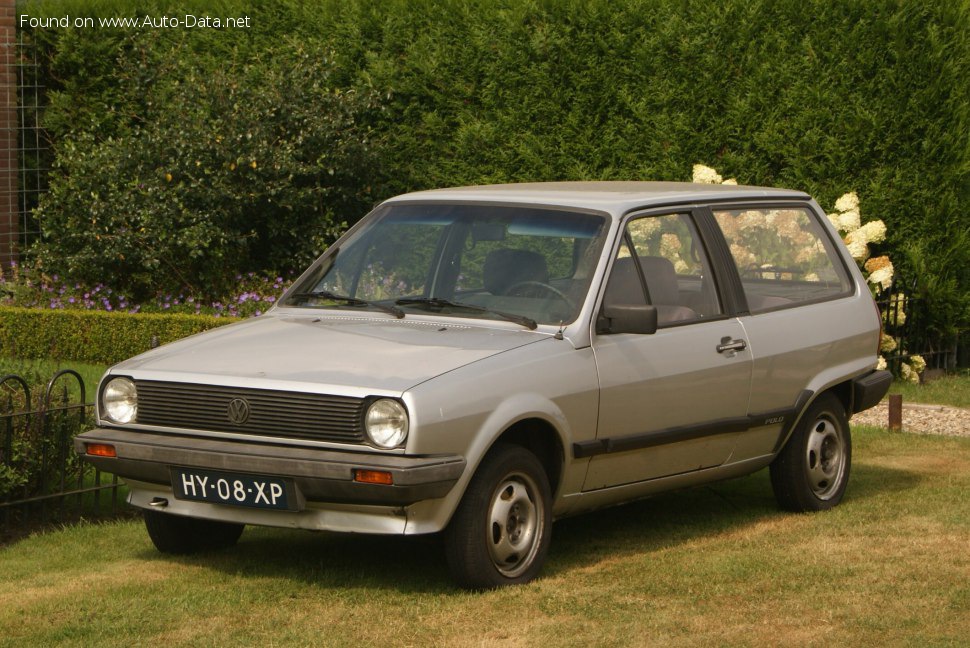
The 86C generation marked a departure from the more rounded lines of the original Polo, adopting a more angular, functional aesthetic that was characteristic of Volkswagen’s design philosophy in the 1980s. It was available in several body styles, but the 1.3 (75 Hp) engine was a particularly well-regarded option for the hatchback, offering a blend of daily usability and sufficient power for both urban commuting and longer journeys on European highways. This model’s enduring appeal lies in its straightforward engineering, robust build quality, and the sheer volume of units sold, which solidified the Polo’s position as a household name across Europe.
Engine and Performance of the Volkswagen Polo II (86C)
Under the hood, the Volkswagen Polo II (86C) 1.3 (75 Hp) featured a naturally aspirated inline-four gasoline engine, specifically identified by the engine code GK. This 1.3-liter unit was a testament to Volkswagen’s engineering prowess in developing compact, efficient powerplants. Producing a respectable 75 horsepower, it offered a lively performance for a vehicle of its size and era. In the context of early to mid-1980s superminis, 75 horsepower was considered a strong output, positioning the Polo 1.3 as a more dynamic option compared to many of its entry-level competitors. The engine’s naturally aspirated design ensured simplicity and reliability, characteristics highly valued by buyers seeking dependable transportation.
The GK engine was designed for smooth power delivery and good fuel economy, crucial factors in the European market where fuel prices were consistently higher than in the U.S. Its internal combustion architecture was conventional yet refined, utilizing a robust cylinder block and head. The engine required 3.5 liters (approximately 3.7 US quarts) of engine oil, and the cooling system held 4.5 liters (about 4.76 US quarts) of coolant, indicating standard maintenance requirements for the period. The combination of its power output and relatively lightweight body ensured that the Polo II 1.3 (75 Hp) felt agile and responsive, capable of navigating congested city streets with ease while also holding its own on open roads. It was a powertrain that perfectly encapsulated the “hot hatch” ethos on a smaller, more accessible scale, offering a taste of performance without compromising on practicality or running costs.
Design, Features, and Innovation
The design of the Volkswagen Polo II (86C) Hatchback was a clear evolution from its first generation, embracing a more angular, upright aesthetic that maximized interior space within a compact footprint. The hatchback body style was particularly popular, offering excellent versatility with its large rear opening and collapsible rear seats, making it highly practical for urban dwellers and small families alike. The exterior lines were clean and functional, devoid of excessive ornamentation, reflecting Volkswagen’s pragmatic approach to design. Large glass areas contributed to good visibility, a key safety and convenience feature for city driving.
Inside, the Polo II (86C) focused on durability and straightforward ergonomics. The dashboard layout was logical, with easily accessible controls and clear instrumentation. While luxury features were sparse, reflecting its position as an economy car, the materials used were generally hard-wearing and designed to withstand years of daily use. Seating was comfortable for four adults, though five could be accommodated for shorter trips. Safety features, by modern standards, were rudimentary, primarily consisting of seatbelts and a robust body structure for its class. However, for its time, the Polo II was considered a safe and reliable choice, benefiting from Volkswagen’s reputation for solid engineering. The emphasis was on fundamental utility and reliability, creating a vehicle that was easy to maintain and inexpensive to run, resonating strongly with European consumers who prioritized efficiency and practicality over lavish amenities.
Technical Specifications
Below is a detailed breakdown of the Volkswagen Polo II (86C) 1.3 (75 Hp) Hatchback’s specifications:
| Category | Specification |
|---|---|
| Brand | Volkswagen |
| Model | Polo |
| Generation | Polo II (86C) |
| Type (Engine) | 1.3 (75 Hp) |
| Start of Production | 1982 year |
| End of Production | 1989 year |
| Powertrain Architecture | Internal Combustion engine |
| Body Type | Hatchback |
| Fuel Type | Petrol (Gasoline) |
| Power | 75 Hp |
| Engine Model/Code | GK |
| Engine Aspiration | Naturally aspirated engine |
| Engine Oil Capacity | 3.5 l (3.7 US qt | 3.08 UK qt) |
| Coolant Capacity | 4.5 l (4.76 US qt | 3.96 UK qt) |
Legacy and Market Impact
The Volkswagen Polo II (86C) 1.3 (75 Hp) left an indelible mark on the European automotive market, solidifying the Polo’s reputation as a leader in the supermini segment. Its combination of robust engineering, practical design, and efficient yet capable powertrains made it a formidable competitor against rivals like the Ford Fiesta, Opel Corsa (Vauxhall Nova in the UK), Peugeot 205, and Fiat Uno. While these competitors each offered unique selling points, the Polo II stood out for its perceived build quality, reliability, and the solid, reassuring feel characteristic of Volkswagen products.
The Polo II’s historical significance lies in its role as a bridge between the utilitarian small cars of the past and the more sophisticated, feature-rich compacts of the future. It demonstrated that small cars could be more than just basic transportation; they could be stylish, enjoyable to drive, and remarkably durable. Its success in various European markets, from Germany to the UK and beyond, helped establish the Polo as a core model in Volkswagen’s lineup, a position it maintains to this day. The 86C generation also saw the introduction of other innovative variants, such as the “coupe” (a more sporting hatchback with a raked rear window) and a sedan version (known as the Derby or Polo Classic), further expanding its market reach and appeal.
Although the Polo II (86C) never officially crossed the Atlantic to the United States market, its influence was felt indirectly. Volkswagen’s global strategy at the time focused on larger models like the Golf (Rabbit) and Jetta for the American consumer, where market preferences leaned towards bigger vehicles. However, the engineering lessons, design philosophies, and powertrain developments from models like the Polo were often adapted and integrated into VW’s global platforms, benefiting cars sold worldwide. Today, the Polo II (86C) is recognized by enthusiasts as a classic representation of 1980s European automotive design and engineering, often cherished for its simplicity, ease of maintenance, and charming retro appeal. Its legacy is one of unwavering practicality and widespread success, defining a generation of compact cars for Volkswagen.