The Volkswagen Polo II Classic (86C) 1.0 (45 Hp): A European Compact Sedan Icon
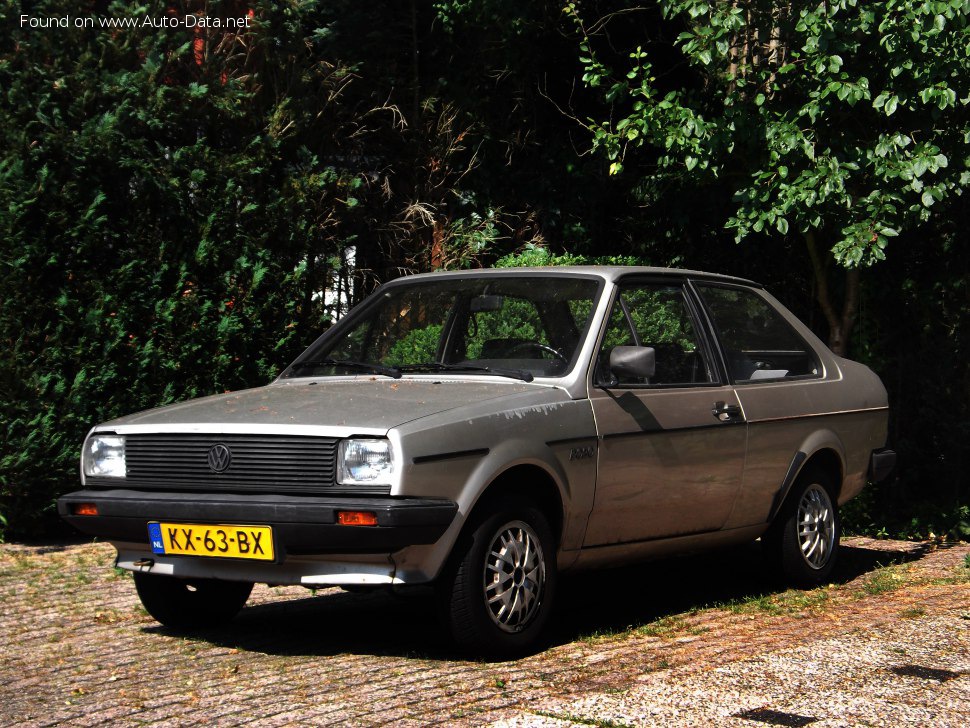
The Volkswagen Polo II Classic (86C) 1.0 (45 Hp) represents a significant chapter in the history of compact European automobiles. Produced by the German automotive giant Volkswagen from 1985 to 1990, this particular variant was a sedan version of the second-generation Polo, a model primarily known for its hatchback and coupé body styles. The “Classic” designation specifically referred to this two-door sedan, which offered a more traditional three-box design for buyers seeking greater trunk capacity and a slightly more formal appearance than its hatchback siblings. While not a common sight on American roads, the Polo II Classic played a crucial role in the European market, offering an affordable, reliable, and practical mode of transport for families and individuals alike, embodying Volkswagen’s engineering philosophy of robust simplicity and efficiency in a compact package.
Engine & Performance: The Heart of the Volkswagen Polo II Classic (86C)
Under the hood, the Volkswagen Polo II Classic (86C) 1.0 (45 Hp) featured a straightforward yet dependable powertrain designed for economy and longevity. The engine, identified by the code HZ, was a naturally aspirated 1.0-liter (1043 cm³ or 63.65 cu. in.) inline four-cylinder unit. This compact engine was transversely mounted at the front, driving the front wheels, a configuration that maximized interior space and traction for a vehicle of its size.
Outputting a modest 45 horsepower at 5600 rpm and 53.84 lb.-ft. of torque at 3600 rpm, the engine’s power delivery was characterized by its smooth, if unhurried, nature. Power per liter stood at 43.1 Hp/l, a respectable figure for a carbureted unit of its era. The fuel injection system was a carburettor, a common and cost-effective solution for entry-level vehicles in the 1980s, emphasizing reliability and ease of maintenance over cutting-edge fuel efficiency or emissions control, though it was still quite frugal for its time.
Performance figures for the 1.0 (45 Hp) variant reflected its utilitarian purpose. Acceleration from 0 to 60 mph was achieved in a leisurely 17.6 seconds, while its top speed reached 90.1 mph (145 km/h). These numbers clearly indicate that the Polo II Classic was not engineered for spirited driving but rather for efficient urban commuting and comfortable highway cruising within speed limits. The vehicle’s lightweight kerb weight of 1686.54 lbs (765 kg) contributed to a weight-to-power ratio of 17 kg/Hp, or 58.8 Hp per tonne, allowing the 45 horsepower to move the car adequately. The engine oil capacity was 3.7 US quarts, and the coolant system held 5.92 US quarts, indicating standard maintenance requirements for its class.
Power was delivered to the front wheels via a four-speed manual transmission, a choice that further underscored its focus on simplicity and cost-effectiveness. While some competitors offered five-speed options, the four-speed unit was robust and perfectly adequate for the engine’s power band and the car’s intended use, offering a direct and engaging driving experience typical of Volkswagen models.
Design & Features of the Volkswagen Polo II Classic (86C)
The design of the Volkswagen Polo II Classic (86C) was a departure from the more common hatchback format of the Polo range. As a two-door sedan, it offered a distinct profile with a separate trunk compartment, appealing to buyers who preferred the traditional “three-box” look. Its dimensions were compact, measuring 146.65 inches (3725 mm) in length, 61.81 inches (1570 mm) in width, and 53.15 inches (1350 mm) in height. The wheelbase of 91.93 inches (2335 mm) provided a stable platform, while the front and rear tracks measured 51.97 inches (1320 mm) and 52.95 inches (1345 mm), respectively.
Despite its compact exterior, the Polo II Classic was designed to comfortably accommodate four occupants. The two-door configuration, while less practical for rear-seat access than a four-door sedan, was common for economy cars of the era and contributed to its clean, uninterrupted side profile. The interior, typical of 1980s Volkswagen, was functional and durable, prioritizing ergonomics and straightforward controls over luxury appointments. Materials were robust, designed to withstand years of daily use.
One of the key advantages of the Classic sedan was its cargo capacity. The trunk offered a minimum volume of 8.48 cu. ft. (240 liters), which could be expanded to a generous 32.31 cu. ft. (915 liters) by folding down the rear seats, providing impressive versatility for its size. This made it a practical choice for small families or individuals needing to carry more luggage than a typical hatchback of the same footprint might allow.
The vehicle rode on 13-inch wheels fitted with 155/70 R13 tires, a common size for compact cars of the period, balancing ride comfort with affordability and availability. Braking was handled by disc brakes at the front and drum brakes at the rear, a standard and effective setup for a car of this weight and performance. The suspension system, while basic by modern standards, was tuned for comfort and predictable handling, ensuring a stable and manageable ride.
Technical Specifications
| General Information | |
|---|---|
| Brand | Volkswagen |
| Model | Polo |
| Generation | Polo II Classic (86C) |
| Type (Engine) | 1.0 (45 Hp) |
| Start of Production | 1985 year |
| End of Production | 1990 year |
| Powertrain Architecture | Internal Combustion engine |
| Body type | Sedan |
| Seats | 4 |
| Doors | 2 |
| Performance Specs | |
| Fuel Type | Petrol (Gasoline) |
| Acceleration 0 – 60 mph | 17.6 sec |
| Maximum speed | 90.1 mph (145 km/h) |
| Weight-to-power ratio | 17 kg/Hp, 58.8 Hp/tonne |
| Weight-to-torque ratio | 10.5 kg/Nm, 95.4 Nm/tonne |
| Engine Specs | |
| Power | 45 Hp @ 5600 rpm |
| Power per liter | 43.1 Hp/l |
| Torque | 53.84 lb.-ft. @ 3600 rpm (73 Nm) |
| Engine layout | Front, Transverse |
| Engine Model/Code | HZ |
| Engine displacement | 63.65 cu. in. (1043 cm³) |
| Number of cylinders | 4 |
| Engine configuration | Inline |
| Cylinder Bore | 2.95 in. (75 mm) |
| Piston Stroke | 2.32 in. (59 mm) |
| Compression ratio | 10:1 |
| Number of valves per cylinder | 2 |
| Fuel injection system | Carburettor |
| Engine aspiration | Naturally aspirated engine |
| Engine oil capacity | 3.7 US qt (3.5 l) |
| Coolant | 5.92 US qt (5.6 l) |
| Space, Volume and Weights | |
| Kerb Weight | 1686.54 lbs (765 kg) |
| Max. weight | 2711.69 lbs (1230 kg) |
| Max load | 1025.15 lbs (465 kg) |
| Trunk (boot) space – minimum | 8.48 cu. ft. (240 l) |
| Trunk (boot) space – maximum | 32.31 cu. ft. (915 l) |
| Fuel tank capacity | 11.1 US gal (42 l) |
| Dimensions | |
| Length | 146.65 in. (3725 mm) |
| Width | 61.81 in. (1570 mm) |
| Height | 53.15 in. (1350 mm) |
| Wheelbase | 91.93 in. (2335 mm) |
| Front track | 51.97 in. (1320 mm) |
| Rear (Back) track | 52.95 in. (1345 mm) |
| Ride height (ground clearance) | 4.13 in. (105 mm) |
| Drivetrain, Brakes and Suspension Specs | |
| Drivetrain Architecture | The Internal combustion engine (ICE) drives the front wheels of the vehicle. |
| Drive wheel | Front wheel drive |
| Number of gears and type of gearbox | 4 gears, manual transmission |
| Front brakes | Disc |
| Rear brakes | Drum |
| Tires size | 155/70 R13 |
| Wheel rims size | 13 |
Legacy & Market Impact of the Volkswagen Polo II Classic (86C)
The Volkswagen Polo II Classic (86C) 1.0 (45 Hp) carved out a niche for itself in the highly competitive European compact car market of the 1980s. While the Polo hatchback was typically Volkswagen’s volume seller, the Classic sedan offered an alternative for buyers who preferred a more traditional car body style. Its primary competitors included other European compacts such as the Ford Fiesta, Opel Corsa, Fiat Uno, and Renault 5. Against these rivals, the Polo II Classic stood out for its robust build quality, straightforward mechanics, and the strong Volkswagen brand reputation for reliability.
Its historical significance lies in its contribution to Volkswagen’s diversification strategy within the compact segment. The Polo range, including the Classic, provided an accessible entry point into the Volkswagen lineup, sitting below the larger Golf. For many European families, it was often their first new car or a reliable second vehicle. The 1.0-liter engine, while not powerful, was celebrated for its fuel efficiency and low running costs, making it an economically sensible choice during a period of fluctuating fuel prices.
The Polo II Classic (86C) helped cement the Polo nameplate’s reputation for being a durable, no-nonsense vehicle that delivered on its promise of reliable transportation. Its simple design, ease of maintenance, and widespread availability of parts ensured its longevity on European roads long after production ceased. Today, while perhaps not as iconic as its Golf stablemate, the Polo II Classic is remembered as a testament to Volkswagen’s ability to produce practical, well-engineered compact cars that served the needs of millions of drivers in its primary markets. It represents a golden age of European automotive design where practicality and affordability were paramount, influencing subsequent generations of compact cars and reinforcing Volkswagen’s position as a leader in the global automotive industry.