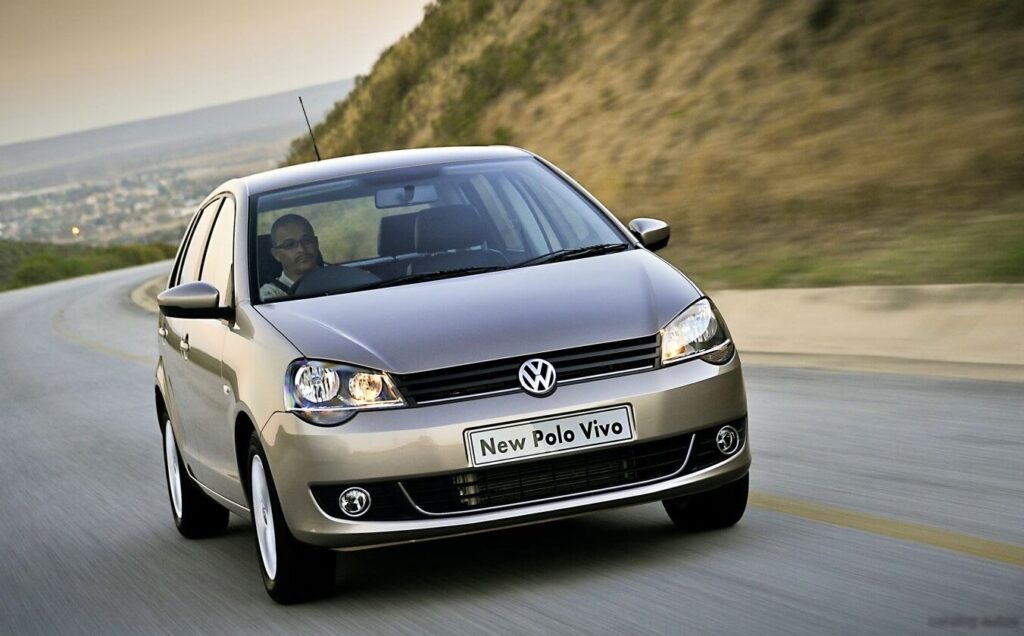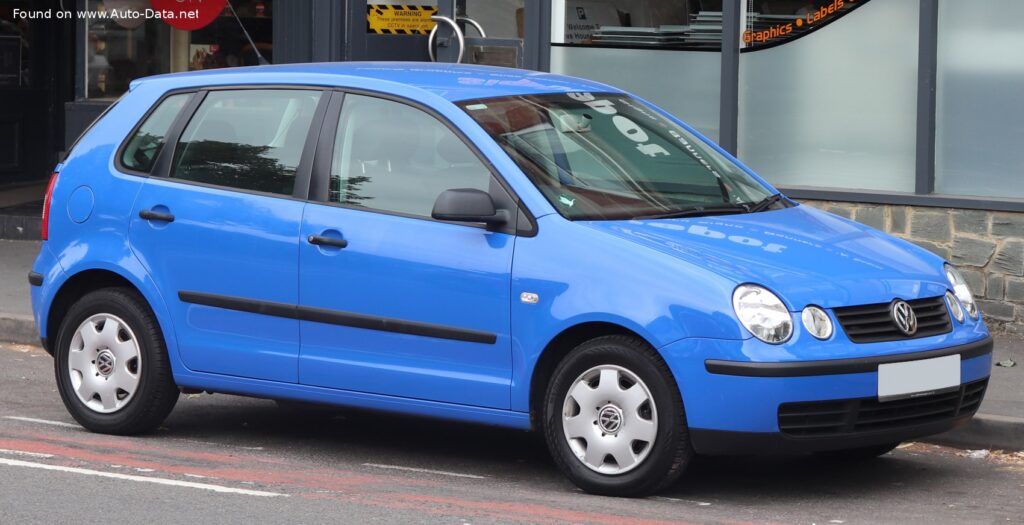
Introduction to the Volkswagen Polo IV (9N) 1.4 TDI (75 Hp)
The Volkswagen Polo, a name synonymous with compact practicality and robust engineering, has been a cornerstone of the European supermini segment for decades. The fourth generation, known internally as the 9N, represented a significant evolution for the model line, building upon its predecessors’ reputation for quality and efficiency. Introduced in 2001, the Volkswagen Polo IV (9N) 1.4 TDI (75 Hp) variant quickly emerged as a particularly popular choice in its primary markets across Europe and other international regions, thanks to its impressive fuel economy and respectable performance from its advanced diesel powertrain. While the Polo line has never been officially sold in the United States, its influence on global automotive design and engineering, particularly in the compact car segment, is undeniable. This generation of the Polo was praised for its improved interior space, sophisticated chassis, and a range of efficient engines, with the 1.4 TDI standing out as a testament to Volkswagen’s diesel technology prowess.
The Polo IV (9N) was designed to compete fiercely in a segment crowded with strong contenders like the Ford Fiesta, Opel Corsa, and Renault Clio. Volkswagen’s strategy was to offer a car that felt more substantial and refined than many of its rivals, often dubbed as a “mini Golf” due to its elevated build quality and driving dynamics. The 1.4 TDI (75 Hp) model, produced from 2001 to 2005, was a key player in this strategy, providing a compelling blend of low running costs and everyday usability, cementing its position as a go-to vehicle for urban commuters and small families across the continent.
Engine and Performance: The Efficient 1.4 TDI Powertrain in the Volkswagen Polo IV (9N)
At the heart of the Volkswagen Polo IV (9N) 1.4 TDI (75 Hp) lies a distinct and highly efficient three-cylinder diesel engine. This 1.4-liter (1422 cm³ or 86.78 cu. in.) turbocharged engine, known by its internal codes AMF and BAY, was a prime example of Volkswagen’s commitment to diesel technology, particularly their “Pump-nozzle” (Unit Injector) fuel injection system. This system allowed for very precise fuel delivery, contributing significantly to both power and fuel efficiency. The engine produced a modest but highly usable 75 horsepower at 4000 rpm, which, coupled with its robust torque output, made for a surprisingly sprightly urban performer.
Torque was a strong suit for this compact diesel, peaking at 195 Nm (143.82 lb.-ft.) at a low 2200 rpm. This low-end torque provided excellent drivability, especially in city traffic, reducing the need for frequent gear changes. Power was delivered to the front wheels via a smooth-shifting 5-speed manual transmission, a common and reliable setup for cars in this class. The inclusion of a turbocharger and intercooler ensured that despite its small displacement and cylinder count, the engine delivered consistent power across its rev range.
Performance figures for the 1.4 TDI (75 Hp) were competitive for its segment. It could accelerate from 0 to 60 mph in a respectable 12.9 seconds (0-100 km/h in 13.6 seconds) and reach a top speed of 105.63 mph (170 km/h). However, where this powertrain truly shone was in its fuel economy. With a combined fuel consumption rating of 4.5 l/100 km, translating to an impressive 52.3 US mpg, the Polo 1.4 TDI was an incredibly economical vehicle. Even in urban driving, it achieved 42.8 US mpg (5.5 l/100 km), while extra-urban cruising saw it return an outstanding 60.3 US mpg (3.9 l/100 km). These figures made it a particularly attractive option in markets where fuel prices were a significant concern. The engine’s low weight and efficient design contributed to a favorable weight-to-power ratio of 13.8 kg/Hp and a weight-to-torque ratio of 5.3 kg/Nm, enhancing its nimble feel.
Design and Features of the Polo IV (9N)
The Volkswagen Polo IV (9N) adopted a design language that was both contemporary and unmistakably Volkswagen. Its styling featured cleaner lines and a more mature aesthetic compared to its predecessor, moving away from some of the more rounded shapes of the late 1990s. The body type was a versatile 3- or 5-door hatchback, a configuration that maximized practicality and appeal in the supermini segment. With a length of 147.36 inches (3743 mm), a width of 64.25 inches (1632 mm), and a height of 55.83 inches (1418 mm), the Polo IV struck an excellent balance between compact exterior dimensions and a surprisingly spacious interior.
The interior of the Polo IV (9N) was designed with ergonomics and quality in mind. It offered seating for five occupants, although the rear seats were naturally best suited for two adults or three children on longer journeys. The trunk space was practical, offering 8.65 cu. ft. (245 liters) with the rear seats up, expanding to a generous 34.43 cu. ft. (975 liters) when the rear seats were folded down, making it suitable for grocery runs or weekend trips.
From a safety and handling perspective, the Polo IV (9N) 1.4 TDI (75 Hp) was equipped with features expected for its time. It came standard with an Anti-lock Braking System (ABS), enhancing stopping power and control. The front suspension utilized a coil spring setup, while the rear featured a wishbone design, contributing to a comfortable yet composed ride. Braking was handled by ventilated discs at the front and solid discs at the rear, providing adequate stopping performance. The hydraulic power steering, a rack and pinion system, offered good feedback and ease of maneuverability, particularly in urban environments. The car rode on 185/60 R14 tires mounted on 6J x 14 wheel rims, a common size for efficiency and comfort.
Technical Specifications: Volkswagen Polo IV (9N) 1.4 TDI (75 Hp)
| Category | Specification | Value |
|---|---|---|
| General Information | Brand | Volkswagen |
| Model | Polo | |
| Generation | Polo IV (9N) | |
| Engine Type | 1.4 TDI (75 Hp) | |
| Production Start | 2001 | |
| Production End | 2005 | |
| Powertrain Architecture | Internal Combustion Engine | |
| Body Type | Hatchback | |
| Seats | 5 | |
| Doors | 3-5 | |
| Performance Specs | Fuel Consumption (Urban) | 5.5 l/100 km (42.8 US mpg) |
| Fuel Consumption (Extra Urban) | 3.9 l/100 km (60.3 US mpg) | |
| Fuel Consumption (Combined) | 4.5 l/100 km (52.3 US mpg) | |
| Fuel Type | Diesel | |
| Acceleration 0-60 mph | 12.9 sec | |
| Acceleration 0-100 km/h | 13.6 sec | |
| Maximum Speed | 170 km/h (105.63 mph) | |
| Weight-to-Power Ratio | 13.8 kg/Hp (72.5 Hp/tonne) | |
| Weight-to-Torque Ratio | 5.3 kg/Nm (188.4 Nm/tonne) | |
| Engine Specs | Power | 75 Hp @ 4000 rpm |
| Power per liter | 52.7 Hp/l | |
| Torque | 195 Nm @ 2200 rpm (143.82 lb.-ft.) | |
| Engine Layout | Front, Transverse | |
| Engine Model/Code | AMF, BAY | |
| Engine Displacement | 1422 cm³ (86.78 cu. in.) | |
| Number of Cylinders | 3 | |
| Engine Configuration | Inline | |
| Cylinder Bore | 79.5 mm (3.13 in.) | |
| Piston Stroke | 95.5 mm (3.76 in.) | |
| Compression Ratio | 18:1 | |
| Valves per Cylinder | 2 | |
| Fuel Injection System | Pump-nozzle (Unit Injector) | |
| Engine Aspiration | Turbocharger, Intercooler | |
| Valvetrain | OHC | |
| Engine Oil Capacity | 3.2 l (3.38 US qt) | |
| Coolant Capacity | 3.9 l (4.12 US qt) | |
| Space, Volume & Weights | Kerb Weight | 1035 kg (2281.78 lbs.) |
| Max. Weight | 1550 kg (3417.17 lbs.) | |
| Max Load | 515 kg (1135.38 lbs.) | |
| Trunk (boot) Space – Minimum | 245 l (8.65 cu. ft.) | |
| Trunk (boot) Space – Maximum | 975 l (34.43 cu. ft.) | |
| Fuel Tank Capacity | 45 l (11.89 US gal) | |
| Dimensions | Length | 3743 mm (147.36 in.) |
| Width | 1632 mm (64.25 in.) | |
| Height | 1418 mm (55.83 in.) | |
| Wheelbase | 2407 mm (94.76 in.) | |
| Front Track | 1392 mm (54.8 in.) | |
| Rear Track | 1400 mm (55.12 in.) | |
| Drivetrain, Brakes & Suspension | Drivetrain Architecture | Front-wheel drive, Internal Combustion engine |
| Drive Wheel | Front-wheel drive | |
| Gearbox | 5 gears, manual transmission | |
| Front Suspension | Coil spring | |
| Rear Suspension | Wishbone | |
| Front Brakes | Ventilated discs | |
| Rear Brakes | Disc | |
| Assisting Systems | ABS (Anti-lock braking system) | |
| Steering Type | Steering rack and pinion | |
| Power Steering | Hydraulic Steering | |
| Tire Size | 185/60 R14 | |
| Wheel Rims Size | 6J x 14 |
Legacy and Market Impact of the Volkswagen Polo IV (9N)
The Volkswagen Polo IV (9N), particularly the 1.4 TDI (75 Hp) variant, left a significant mark on the European automotive landscape. Its reputation was built on Volkswagen’s core values: solid build quality, reliability, and conservative yet appealing design. In a highly competitive segment, the Polo managed to consistently rank among the best sellers, often challenging the dominance of rivals such as the Fiat Punto, Peugeot 206, and the aforementioned Ford Fiesta and Opel Corsa. What set the Polo apart was its more premium feel, often perceived as a step above its direct competitors, offering an experience closer to that of a larger, more expensive vehicle.
The 1.4 TDI engine was particularly instrumental in its success. In an era where diesel power was experiencing a boom in Europe due to favorable tax structures and rising fuel efficiency demands, this engine offered an almost unbeatable combination of low running costs and adequate performance. Its three-cylinder configuration, while sometimes criticized for its characteristic thrum, was a testament to efficient engineering, delivering excellent mileage without sacrificing too much in terms of refinement for its class. This made it a favorite among fleet buyers, urban professionals, and budget-conscious families alike.
The Polo IV (9N) also contributed to Volkswagen’s brand image as a producer of dependable and well-engineered cars. Its robust chassis and durable powertrains meant that many examples remained on the road for years after their initial purchase, contributing to strong resale values. While not a performance icon, the 1.4 TDI (75 Hp) model embodied the practical, no-nonsense approach that many European consumers sought in their daily drivers. Its legacy is one of consistent quality, remarkable efficiency, and a significant contribution to solidifying the Polo’s status as a benchmark in the supermini class, a position it continues to hold in subsequent generations, even if it remains a coveted, but unattainable, choice for the American market. The Polo IV (9N) proved that a small car could offer big car refinements and efficiency, setting a high standard for its segment for years to come.