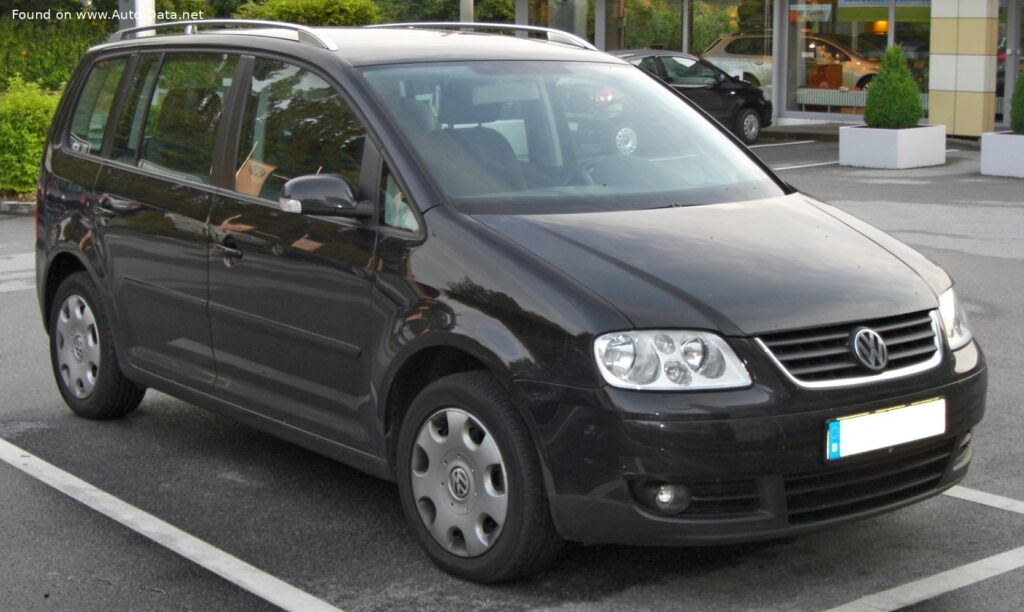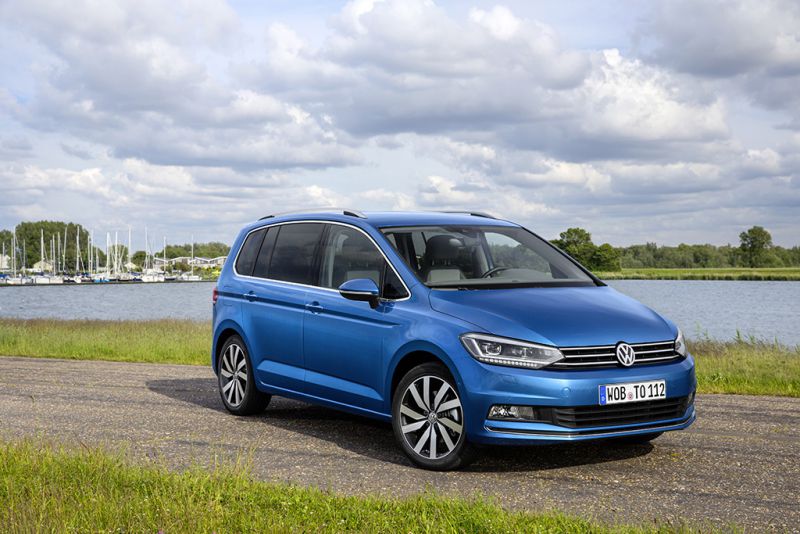
The Volkswagen Touran II 1.4 TSI (150 hp) was a front-wheel-drive, five or seven-seat minivan produced between 2015 and 2018 as part of the second-generation Touran (1KQ) model range. Positioned as a mid-range offering within the Touran II lineup, it aimed to balance fuel efficiency, practicality, and a reasonable level of performance for family transportation. This variant represented a key part of Volkswagen’s strategy to offer a versatile and modern minivan option in the European market, competing with vehicles like the Renault Scenic and Citroën C4 Picasso.
Powertrain & Engine Architecture
The heart of the Touran II 1.4 TSI was the CZDA or CHPB engine code, a 1.4-liter turbocharged, direct-injection gasoline engine. This engine belonged to the EA211 family, known for its compact design and efficiency. It featured four cylinders arranged in an inline configuration, with four valves per cylinder (16 valves total). The engine’s key technologies included direct fuel injection, which precisely meters fuel into the combustion chamber for improved efficiency and reduced emissions, and a turbocharger with an intercooler. The turbocharger boosted power output by forcing more air into the engine, while the intercooler cooled the compressed air, further enhancing performance.
The 1.4 TSI engine produced 150 horsepower at 5000-6000 rpm and 250 Nm (184.39 lb-ft) of torque between 1500-3500 rpm. This torque curve provided good low-end responsiveness, making it suitable for everyday driving. The engine’s oil capacity was 4 liters (4.23 US quarts or 3.52 UK quarts), and it required a specific oil specification as outlined by Volkswagen.
While a six-speed manual transmission was standard, a seven-speed dual-clutch gearbox (DSG) was also offered as an option. The DSG transmission provided faster and smoother gear changes compared to a traditional automatic, contributing to a more engaging driving experience and improved fuel economy. The standard transmission was a 6-speed manual.
Fuel Injection and Valvetrain
The direct fuel injection system utilized high-pressure fuel injectors to deliver fuel directly into the cylinders, optimizing combustion and reducing fuel waste. The valvetrain employed a chain-driven dual overhead camshaft (DOHC) configuration, ensuring precise valve timing and reliable operation. Variable valve timing on both the intake and exhaust sides further optimized engine performance and efficiency across a wider range of engine speeds.
Driving Characteristics
The Touran II 1.4 TSI (150 hp) offered a comfortable and practical driving experience. Acceleration from 0 to 100 km/h (0-62 mph) took approximately 8.9 seconds, and 0-60 mph was calculated at 8.5 seconds. While not a particularly sporty vehicle, the engine provided sufficient power for everyday driving situations, including highway cruising and overtaking. The turbocharger provided a noticeable boost in power when accelerating, but turbo lag was present, particularly at lower engine speeds.
Compared to the more powerful 1.8 TSI and 2.0 TDI variants, the 1.4 TSI offered a more economical driving experience. The 1.8 TSI provided significantly more power and quicker acceleration, while the 2.0 TDI offered superior fuel economy and torque. However, the 1.4 TSI struck a balance between performance and efficiency, making it a popular choice for families prioritizing fuel costs.
The six-speed manual transmission offered precise gear changes and allowed drivers to maintain optimal engine speed for efficiency or performance. The optional seven-speed DSG transmission provided even smoother and faster gear changes, enhancing the overall driving experience.
Equipment & Trim Levels
The Touran II 1.4 TSI (150 hp) typically came equipped with a range of standard features, including air conditioning, power windows, power mirrors, a multi-function steering wheel, and an infotainment system with a touchscreen display. Safety features included ABS, electronic stability control, and multiple airbags. The interior upholstery was typically cloth, but leather upholstery was available as an option.
Higher trim levels offered additional features such as automatic climate control, parking sensors, a navigation system, and upgraded audio systems. Optional extras included panoramic sunroof, adaptive cruise control, and keyless entry. The dashboard configuration was generally straightforward and functional, with a focus on ergonomics and ease of use.
Chassis & Braking
The Touran II 1.4 TSI featured an independent multi-link suspension at the front and an independent coil spring suspension at the rear. This suspension setup provided a comfortable ride quality and good handling characteristics. The front brakes were ventilated discs, while the rear brakes were discs. ABS (Anti-lock Braking System) was standard, enhancing braking performance and stability.
The vehicle’s kerb weight of 1379 kg (3040.17 lbs) influenced its handling and braking performance. The weight distribution was generally well-balanced, contributing to predictable handling. The steering system was a rack and pinion type with electric power steering, providing precise and responsive steering feel.
Market Reception & Comparison
The Touran II 1.4 TSI (150 hp) received generally positive reviews from automotive critics. It was praised for its practicality, fuel efficiency, and comfortable ride quality. However, some critics noted that the engine could feel underpowered when fully loaded or when driving uphill. Fuel economy figures ranged from 5.8-5.6 l/100 km (40.6-42 US mpg) combined, and CO2 emissions were 135-130 g/km, meeting Euro 6 emission standards.
Compared to the 1.8 TSI variant, the 1.4 TSI offered better fuel economy but less power. The 2.0 TDI variant provided even better fuel economy but had a higher purchase price. The 1.4 TSI represented a good compromise for buyers prioritizing fuel efficiency and practicality without sacrificing too much performance.
Technical Specifications
| Engine Model/Code | CZDA, CHPB |
| Engine Displacement | 1395 cm3 (85.13 cu. in.) |
| Number of Cylinders | 4 |
| Engine Configuration | Inline |
| Fuel Injection System | Direct Injection |
| Engine Aspiration | Turbocharger, Intercooler |
| Power | 150 Hp @ 5000-6000 rpm |
| Torque | 250 Nm @ 1500-3500 rpm (184.39 lb.-ft.) |
| Fuel Consumption (Urban) | 7.0-6.9 l/100 km (33.6 – 34.1 US mpg) |
| Fuel Consumption (Extra Urban) | 5.1-4.9 l/100 km (46.1 – 48 US mpg) |
| Fuel Consumption (Combined) | 5.8-5.6 l/100 km (40.6 – 42 US mpg) |
| CO2 Emissions | 135-130 g/km |
| Kerb Weight | 1379 kg (3040.17 lbs.) |
| Max. Weight | 2050 kg (4519.48 lbs.) |
| Fuel Tank Capacity | 58 l (15.32 US gal | 12.76 UK gal) |
| Acceleration 0-100 km/h | 8.9 sec |
| Maximum Speed | 209 km/h (129.87 mph) |
Legacy
The Volkswagen Touran II 1.4 TSI (150 hp) powertrain has proven to be generally reliable, although some owners have reported issues with the turbocharger and direct injection system. Regular maintenance, including oil changes and timely replacement of wear items, is crucial for ensuring long-term reliability. In the used car market, this variant remains a popular choice for families seeking a practical and fuel-efficient minivan. Its relatively affordable price and good fuel economy make it an attractive option compared to newer vehicles. The EA211 engine family, of which this 1.4 TSI is a part, has become a mainstay in Volkswagen’s lineup, demonstrating its overall robustness and efficiency.
The 1.4 TSI engine, while not without its potential issues, offered a good balance of performance and economy for the Touran II. Its direct injection and turbocharging technologies contributed to improved fuel efficiency and reduced emissions, making it a relevant powertrain option in the mid-2010s. Today, well-maintained examples of the Touran II 1.4 TSI continue to provide reliable transportation for families.