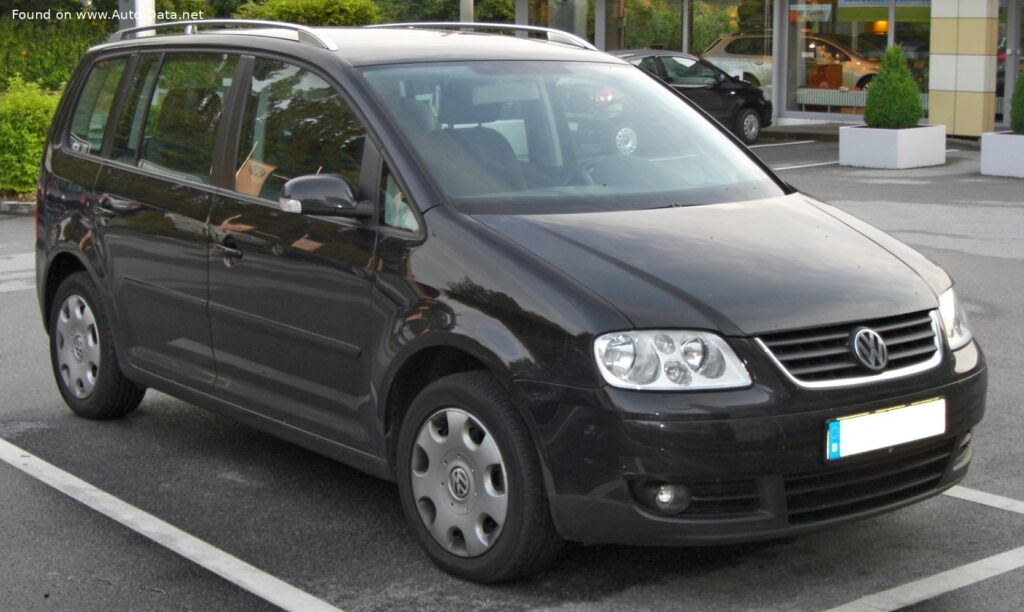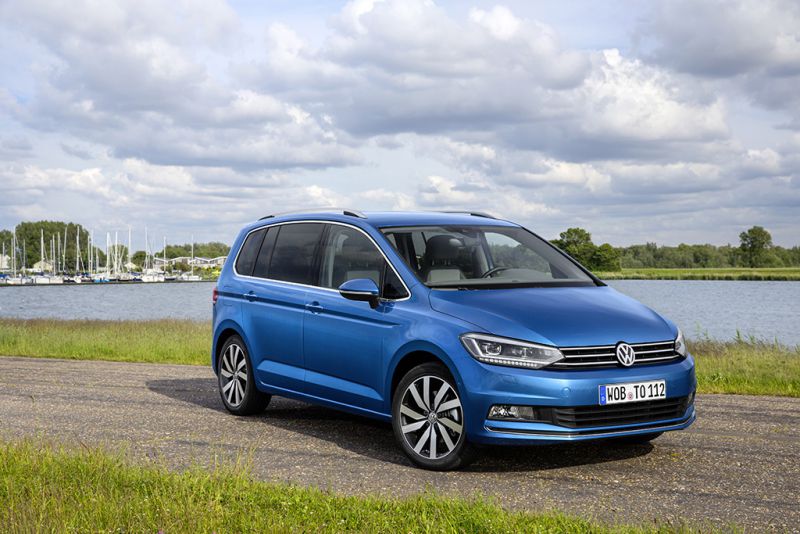
The Volkswagen Touran II 1.5 TSI ACT (150 hp) OPF is a five to seven-seat minivan produced by the German manufacturer Volkswagen from 2020 onwards. It represents a mid-cycle update to the second generation Touran (introduced in 2015), built on the Volkswagen Group’s MQB platform (specifically the A3 variant, also known as 1HX0). This particular variant, powered by the 1.5-liter turbocharged gasoline engine, occupied a central position in the Touran II lineup, offering a balance between fuel efficiency, performance, and price. It aimed to appeal to families seeking a practical and versatile vehicle for everyday use, slotting in between the lower-powered diesel options and the more expensive, higher-performance gasoline models.
Powertrain & Engine Architecture
The heart of the Touran II 1.5 TSI ACT is the DPCA engine, a 1.5-liter inline-four cylinder gasoline engine. This engine is part of Volkswagen’s EA211 family, known for its compact design and efficiency. It produces 150 horsepower (110 kW) and 250 Nm (184.39 lb-ft) of torque between 1500 and 3500 rpm. The engine utilizes direct fuel injection, delivering fuel directly into the combustion chamber for improved efficiency and power. A single turbocharger with an intercooler provides forced induction, enhancing low-end torque and overall responsiveness.
A key feature of this engine is its Active Cylinder Technology (ACT). This system allows the engine to deactivate two cylinders under light load conditions, effectively turning the engine into a two-cylinder unit. This reduces fuel consumption and emissions without a noticeable loss of performance in typical driving situations. The engine also incorporates a gasoline particulate filter (OPF) to further reduce particulate matter emissions, meeting stringent Euro 6d-ISC-FCM emission standards.
The 1.5 TSI engine is typically paired with a six-speed manual transmission in many markets. However, a seven-speed dual-clutch transmission (DSG) was also offered as an optional upgrade. The six-speed manual transmission provides precise gear changes and a more engaging driving experience, while the DSG offers smoother, faster shifts and improved fuel economy. The final drive ratio varies depending on the specific transmission and market, but generally aims for a balance between acceleration and highway cruising efficiency.
Fuel Injection and Valvetrain
The 1.5 TSI engine employs a multi-hole direct injection system, delivering fuel at high pressure directly into the cylinders. This allows for precise control of fuel delivery, optimizing combustion and reducing emissions. The engine also features a variable valve timing system on both the intake and exhaust valves, further enhancing efficiency and performance across the rev range. This system adjusts the timing of the valves based on engine speed and load, optimizing airflow and combustion.
Driving Characteristics
The Touran II 1.5 TSI ACT delivers a comfortable and refined driving experience. With 150 hp and 250 Nm of torque, it provides adequate performance for everyday driving, including highway overtaking and carrying a full load of passengers and luggage. Acceleration from 0 to 100 km/h (0-62 mph) takes approximately 8.9 seconds, and the top speed is rated at 209 km/h (129.87 mph). While not a particularly sporty vehicle, the 1.5 TSI engine offers a responsive and linear power delivery, making it easy to drive in various conditions.
Compared to the lower-powered diesel variants, the 1.5 TSI offers noticeably quicker acceleration and a more refined engine note. However, it doesn’t match the outright performance of the higher-output gasoline engines, such as the 2.0 TSI. The Active Cylinder Technology is generally seamless in operation, with minimal noticeable difference in engine behavior when cylinders are deactivated. The six-speed manual transmission provides a satisfying driving experience, while the optional DSG offers convenience and efficiency.
Equipment & Trim Levels
The Touran II 1.5 TSI ACT was available in various trim levels, typically including Trendline, Comfortline, and Highline. The Trendline served as the entry-level trim, offering a good level of standard equipment, including air conditioning, a touchscreen infotainment system, and basic safety features. The Comfortline added features such as alloy wheels, parking sensors, and upgraded interior trim. The Highline represented the top-of-the-line trim, offering premium features such as leather upholstery, a panoramic sunroof, and advanced driver-assistance systems.
Standard interior features across most trims included comfortable seating for up to seven passengers, a spacious cabin, and a versatile seating configuration. Optional extras included a navigation system, adaptive cruise control, lane-keeping assist, and a premium sound system. Interior upholstery options ranged from fabric to leather, and dashboard trim could be customized with various materials and finishes.
Chassis & Braking
The Touran II utilizes an independent suspension system on both the front and rear axles. The front suspension consists of MacPherson struts with coil springs, while the rear suspension features a multi-link setup. This configuration provides a comfortable ride and good handling characteristics. A stabilizer bar is fitted to both the front and rear axles to reduce body roll during cornering.
The braking system consists of ventilated disc brakes on the front wheels and disc brakes on the rear wheels. Anti-lock braking system (ABS) is standard, along with electronic brake-force distribution (EBD) and brake assist. The Touran II’s braking performance is adequate for its weight and intended use, providing confident stopping power in various conditions.
Market Reception & Comparison
The Volkswagen Touran II 1.5 TSI ACT was generally well-received by automotive critics. It was praised for its fuel efficiency, comfortable ride, and spacious interior. The Active Cylinder Technology was also noted as a clever innovation that helped to reduce fuel consumption and emissions. However, some critics found the engine to be slightly underpowered, particularly when fully loaded with passengers and luggage.
Compared to other trims in the Touran II lineup, the 1.5 TSI ACT offered a good balance between performance and fuel economy. It was more economical than the higher-output gasoline engines but offered more power than the lower-powered diesel options. In terms of reliability, the 1.5 TSI engine has proven to be generally reliable, although some owners have reported issues with the particulate filter and turbocharger.
Technical Specifications
| Engine Type | 1.5L Turbocharged Inline-4 |
| Engine Code | DPCA |
| Displacement | 1498 cm³ (91.41 cu in) |
| Horsepower | 150 hp (110 kW) @ 5000-6000 rpm |
| Torque | 250 Nm (184.39 lb-ft) @ 1500-3500 rpm |
| Fuel Injection | Direct Injection |
| Valves per Cylinder | 4 |
| Turbocharger | Single Turbo with Intercooler |
| Cylinder Deactivation | Active Cylinder Technology (ACT) |
| Transmission | 6-Speed Manual or 7-Speed DSG |
| Drive Wheels | Front Wheel Drive |
| Acceleration 0-100 km/h | 8.9 seconds |
| Top Speed | 209 km/h (129.87 mph) |
| Combined Fuel Consumption (WLTP) | 6.7 l/100 km (35.1 US mpg) |
| CO2 Emissions (WLTP) | 152 g/km |
| Kerb Weight | 1425 kg (3141.59 lbs) |
| Fuel Tank Capacity | 58 liters (15.32 US gal) |
Legacy
The Volkswagen Touran II 1.5 TSI ACT represents a significant step forward in terms of fuel efficiency and emissions reduction for the minivan segment. The 1.5 TSI engine has proven to be a reliable and versatile powerplant, and it continues to be used in various Volkswagen Group vehicles. In the used car market, the Touran II 1.5 TSI ACT is a popular choice for families seeking a practical and affordable vehicle. However, potential buyers should be aware of potential issues with the particulate filter and turbocharger, and it is recommended to have the vehicle thoroughly inspected before purchase. The combination of space, practicality, and reasonable running costs ensures that the Touran II 1.5 TSI ACT remains a relevant and desirable option in the used car market today.