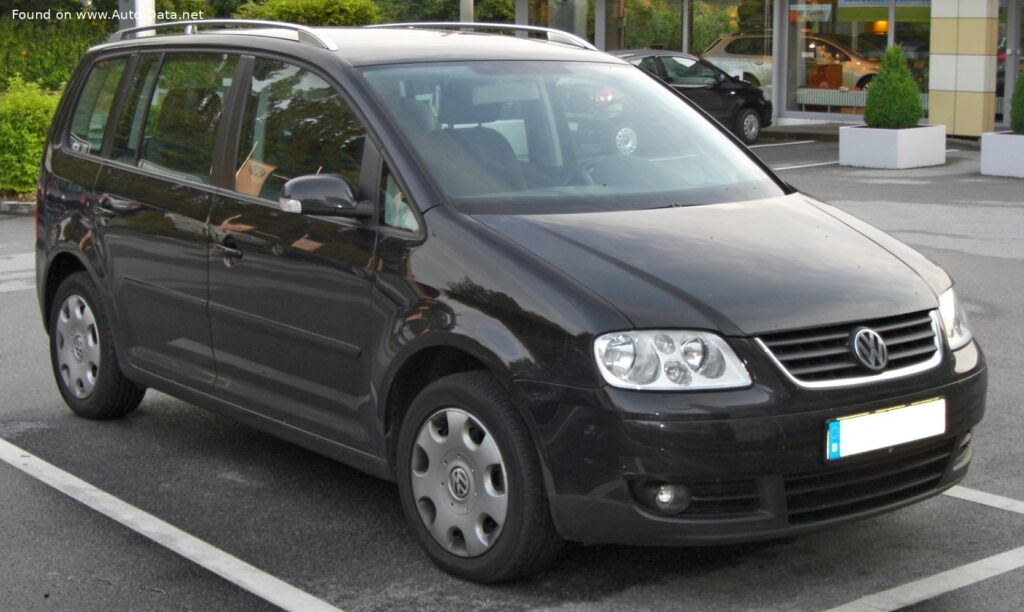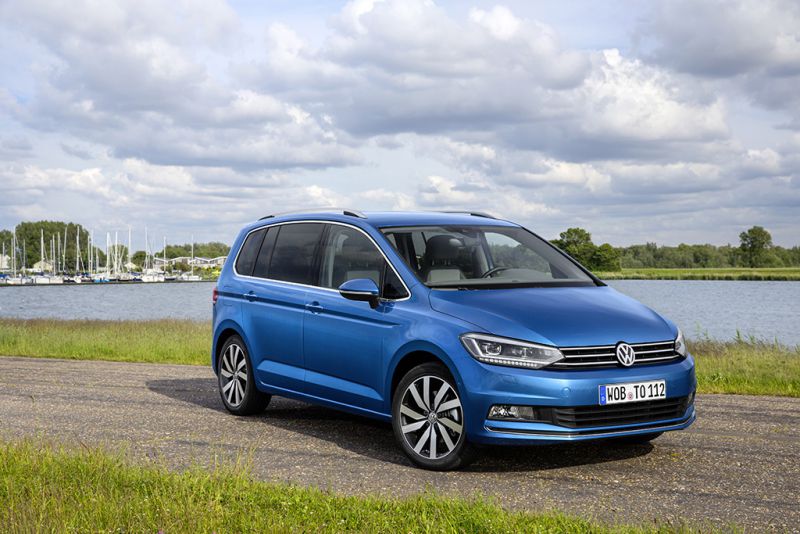
The Volkswagen Touran II 1.6 TDI (110 hp) was a front-wheel-drive, five or seven-seat minivan produced between 2015 and 2016. It represented an entry-level diesel option within the second generation Touran (2015-2023) lineup, positioned below the more powerful 2.0 TDI variants and offering a more economical alternative for families prioritizing fuel efficiency over outright performance. The Touran II, built on the Volkswagen Group’s PQ24 platform (also known as the A5 platform), aimed to provide a practical and versatile people-carrier in the compact MPV segment.
Powertrain & Engine Architecture
The heart of the Touran II 1.6 TDI was the CRKB engine, a 1.6-liter inline four-cylinder diesel engine. This engine was part of Volkswagen’s modular engine family, designed for efficiency and reduced emissions. It featured a common rail direct fuel injection system, operating at a maximum pressure of 1,600 bar, ensuring precise fuel delivery and optimized combustion. The engine utilized a turbocharger with an intercooler to boost power output and improve torque across a wider rev range. The valvetrain consisted of four valves per cylinder (DOHC), contributing to efficient gas exchange.
The 1.6 TDI engine produced 110 horsepower at 3,200-4,000 rpm and 250 Nm (184.39 lb-ft) of torque between 1,500 and 3,000 rpm. This torque curve was designed to provide good low-end responsiveness, making it suitable for everyday driving and carrying a full load of passengers. The engine also incorporated a diesel particulate filter (DPF) to reduce harmful emissions, complying with Euro 6 emission standards. While a six-speed manual transmission was standard, a seven-speed dual-clutch gearbox (DSG) was offered as an optional upgrade, though less common with this specific engine.
Engine Code Specifics
The CRKB engine code designates specific internal components and calibration settings. It’s a relatively robust engine, but like all modern diesels, it’s sensitive to fuel quality and requires regular maintenance, particularly regarding the DPF system. Issues with the DPF, such as clogging due to short trips and infrequent regeneration cycles, were a common concern for owners of this engine.
Driving Characteristics
The Touran II 1.6 TDI with 110 hp offered adequate, but not exhilarating, performance. Acceleration from 0 to 100 km/h (0-62 mph) took approximately 11.9 seconds, and top speed was limited to 187 km/h (116.2 mph). Compared to the more powerful 2.0 TDI versions, the 1.6 TDI felt noticeably slower, especially when fully loaded with passengers and luggage. However, the engine’s strong low-end torque made it perfectly usable for everyday commuting and highway cruising.
The six-speed manual transmission was well-matched to the engine’s characteristics, providing a good balance between fuel economy and drivability. The gear ratios were optimized for maximizing torque in the lower gears and maintaining reasonable engine speeds at highway speeds. The optional DSG transmission offered smoother and faster gear changes, but at the expense of some fuel efficiency. The front-wheel-drive configuration provided predictable handling, although it wasn’t particularly sporty. The suspension was tuned for comfort, prioritizing a smooth ride over sharp handling.
Equipment & Trim Levels
The Touran II 1.6 TDI typically came with a reasonable level of standard equipment, though specific features varied depending on the market and optional packages selected. Standard features generally included air conditioning, power windows, power mirrors, a basic audio system with USB connectivity, and stability control (ESC). Safety features such as ABS, airbags, and ISOFIX child seat anchors were also standard.
Higher trim levels, such as Trendline and Comfortline, added features like alloy wheels, a more advanced infotainment system with touchscreen display, automatic climate control, parking sensors, and cruise control. Optional extras included a panoramic sunroof, leather upholstery, and a navigation system. Interior upholstery was typically cloth, with higher trims offering partial leather options. The dashboard layout was functional and straightforward, with a focus on ergonomics and ease of use.
Chassis & Braking
The Touran II 1.6 TDI utilized an independent multi-link suspension at the front and an independent coil spring suspension at the rear. This suspension setup provided a comfortable ride and good handling characteristics. The front suspension featured stabilizer bars to reduce body roll during cornering. The rear suspension was designed to maximize space and minimize intrusion into the luggage compartment.
Braking duties were handled by ventilated discs at the front and solid discs at the rear. The braking system was equipped with ABS (Anti-lock Braking System) and EBD (Electronic Brakeforce Distribution) to enhance safety and stability during braking. The power steering was electric, providing light and precise steering feel. Tire sizes typically ranged from 205/60 R16 to 215/55 R17, depending on the trim level and wheel size.
Market Reception & Comparison
The Touran II 1.6 TDI was generally well-received by critics as a practical and economical family vehicle. It was praised for its spacious interior, versatile seating configuration, and good fuel economy. However, it was also criticized for its relatively modest performance, particularly when compared to the more powerful diesel variants. Fuel economy figures ranged from 4.5-4.4 l/100 km (52.3-53.5 US mpg) on the combined cycle, making it an attractive option for budget-conscious buyers.
Compared to the 2.0 TDI versions, the 1.6 TDI offered lower running costs but sacrificed performance. The 2.0 TDI models provided significantly more power and torque, resulting in quicker acceleration and better overall drivability. However, they also consumed more fuel and were more expensive to purchase. The 1.6 TDI was often seen as a good compromise for buyers who prioritized fuel efficiency and practicality over outright performance.
Technical Specifications
| Engine Model/Code | CRKB |
| Engine Displacement | 1598 cm3 (97.52 cu. in.) |
| Number of Cylinders | 4, Inline |
| Fuel Injection System | Diesel Commonrail |
| Engine Aspiration | Turbocharger, Intercooler |
| Power | 110 Hp @ 3200-4000 rpm |
| Torque | 250 Nm @ 1500-3000 rpm (184.39 lb.-ft.) |
| Fuel Type | Diesel |
| Acceleration 0-100 km/h | 11.9 sec |
| Acceleration 0-62 mph | 11.9 sec |
| Maximum Speed | 187 km/h (116.2 mph) |
| Fuel Consumption (Urban) | 5.4-5.2 l/100 km (43.6-45.2 US mpg) |
| Fuel Consumption (Extra Urban) | 4.0-3.9 l/100 km (58.8-60.3 US mpg) |
| Fuel Consumption (Combined) | 4.5-4.4 l/100 km (52.3-53.5 US mpg) |
| CO2 Emissions | 118-115 g/km |
| Kerb Weight | 1464 kg (3227.57 lbs.) |
| Fuel Tank Capacity | 58 l (15.32 US gal) |
| Transmission | 6-speed Manual |
Legacy
The 1.6 TDI CRKB engine, while generally reliable, has a reputation for potential DPF issues if not properly maintained. Regular servicing, including DPF regeneration, is crucial for long-term reliability. In the used car market, the Touran II 1.6 TDI represents an affordable entry point into the compact MPV segment. Its fuel efficiency and practicality make it a popular choice for families on a budget. However, potential buyers should be aware of the potential DPF issues and ensure that the vehicle has been well-maintained. Overall, the Touran II 1.6 TDI remains a viable option for those seeking a spacious, economical, and versatile people-carrier.