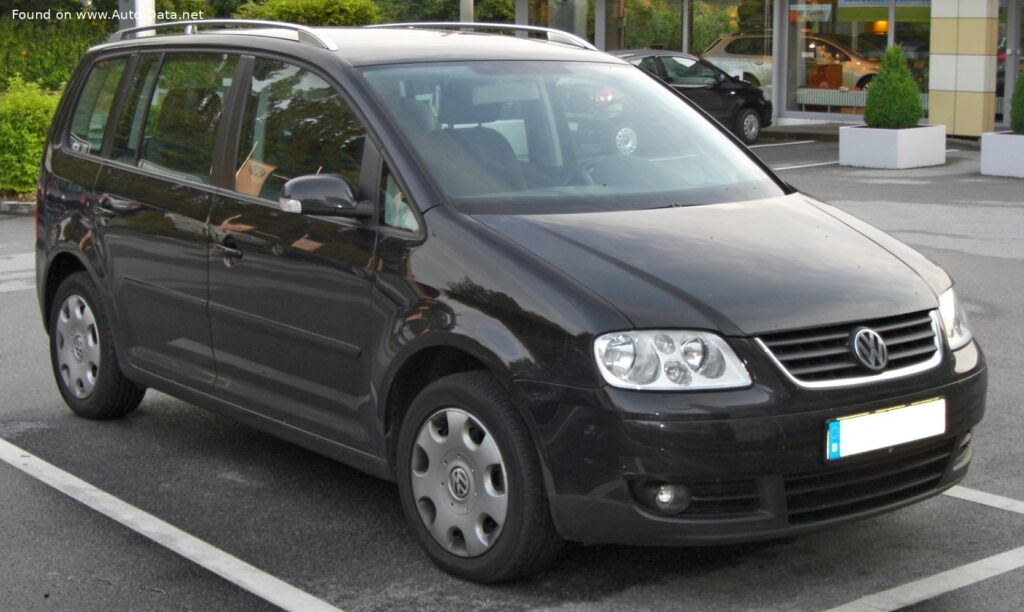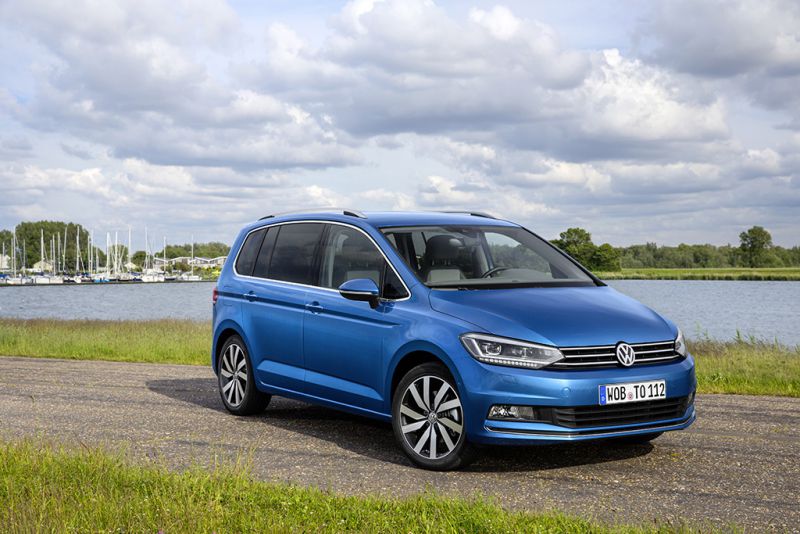
The Volkswagen Touran II 2.0 TDI (115 hp) with a Direct-Shift Gearbox (DSG) was a popular configuration of the second-generation Touran minivan, produced from 2019 to 2020. Positioned as a mid-range offering within the Touran II lineup, it aimed to balance fuel efficiency, practicality, and a reasonable level of performance for family transportation. The Touran II, built on the Volkswagen Group’s PQ35 platform (also known as the A5 platform), represented a significant evolution over its predecessor, offering increased space, improved safety features, and a more refined driving experience.
Powertrain & Engine Architecture
At the heart of the Touran II 2.0 TDI (115 hp) DSG lies the Volkswagen Group’s 2.0-liter four-cylinder diesel engine. This engine, identified by engine codes such as CYKB, DFEB, DFGB, DFZA, and CRVA, is a turbocharged common rail direct injection diesel. The 115 horsepower output was achieved through careful calibration of the engine management system, prioritizing fuel economy and smooth operation over outright performance. The engine boasts a displacement of 1968 cm³ (120.09 cubic inches) and features four valves per cylinder.
The fuel injection system utilizes common rail technology, delivering fuel at extremely high pressure for optimized combustion. A turbocharger with an intercooler is employed to increase air intake, boosting power and torque. The engine produces 320 Nm (236.02 lb-ft) of torque between 1700 and 2500 rpm, providing ample pulling power for everyday driving and hauling passengers or cargo. The engine also incorporates a diesel particulate filter (DPF) to reduce harmful emissions, meeting stringent Euro 6d-TEMP-EVAP-ISC emission standards.
The “DSG” designation refers to Volkswagen’s dual-clutch transmission. Specifically, this Touran utilized a 7-speed DSG, offering quick and seamless gear changes. The DSG operates as two separate manual gearboxes within one housing, with one clutch engaging the current gear while the other pre-selects the next. This allows for incredibly fast shifts, improving both acceleration and fuel efficiency compared to a traditional automatic transmission. The transmission is electronically controlled, adapting to driving conditions and driver input.
Driving Characteristics
The 2.0 TDI (115 hp) DSG variant of the Touran II offered a comfortable and practical driving experience. While not particularly sporty, the engine provided sufficient power for most driving situations. Acceleration from 0 to 100 km/h (0-62 mph) took approximately 11.5 seconds, and 0 to 60 mph was achieved in around 10.9 seconds. Top speed was electronically limited to 188 km/h (116.82 mph).
The DSG transmission played a crucial role in the driving experience. It provided smooth and responsive gear changes, enhancing both city driving and highway cruising. The transmission’s programming prioritized fuel efficiency, often shifting to higher gears at lower engine speeds. Compared to the more powerful 2.0 TDI variants (typically producing 150 hp or more), the 115 hp version felt less eager to accelerate, but it offered a more relaxed and economical driving experience. Manual transmission options, when available, provided a more engaging driving experience but often at the expense of fuel economy.
Equipment & Trim Levels
The Touran II 2.0 TDI (115 hp) DSG typically came equipped with a solid range of standard features. These generally included air conditioning, power windows, power mirrors, a multi-function steering wheel, and an infotainment system with a touchscreen display. Safety features such as ABS (Anti-lock Braking System), electronic stability control, and multiple airbags were standard.
Interior upholstery was typically cloth, although leather options were available as upgrades. Trim levels varied depending on the market, but common options included upgraded infotainment systems with navigation, parking sensors, automatic climate control, and panoramic sunroofs. Optional extras also included adaptive cruise control, lane assist, and keyless entry. The Touran II was designed with family use in mind, offering flexible seating configurations with options for five or seven seats. The rear seats could be folded flat or removed entirely to maximize cargo space.
Interior and Exterior Styling
The Touran II featured a more modern and refined interior compared to its predecessor. The dashboard was cleanly designed with a focus on ergonomics. Exterior styling was evolutionary, with a more sculpted front end and updated headlights. Chrome accents and body-colored bumpers added a touch of sophistication.
Chassis & Braking
The Touran II 2.0 TDI (115 hp) DSG utilized a front-wheel-drive configuration. The suspension consisted of independent MacPherson struts at the front and a multi-link rear suspension. This setup provided a comfortable ride quality while maintaining reasonable handling characteristics. Stabilizer bars were fitted to both the front and rear axles to reduce body roll during cornering.
The braking system featured ventilated discs at the front and solid discs at the rear. ABS (Anti-lock Braking System) was standard, enhancing braking performance and stability, particularly on slippery surfaces. The electric power steering provided light and precise steering feel, making it easy to maneuver in urban environments.
Market Reception & Comparison
The Touran II 2.0 TDI (115 hp) DSG was generally well-received by automotive critics. It was praised for its practicality, fuel efficiency, and comfortable ride. However, some critics noted that the 115 hp engine could feel underpowered when the vehicle was fully loaded with passengers and luggage.
Compared to other trims in the Touran II lineup, the 115 hp version offered the best fuel economy. Combined fuel consumption ranged from 4.5 to 4.7 l/100 km (52.3 to 50 US mpg), with CO2 emissions between 119 and 122 g/km. The more powerful 2.0 TDI variants offered better performance but at the expense of fuel efficiency. In terms of reliability, the 2.0 TDI engine proved to be generally robust, although owners should be aware of potential issues with the DPF and dual-mass flywheel.
Technical Specifications
| Brand | Volkswagen |
| Model | Touran |
| Generation | Touran II |
| Type (Engine) | 2.0 TDI (115 Hp) DSG |
| Start of production | 2019 |
| End of production | 2020 |
| Fuel consumption (urban) | 5.1-5.3 l/100 km (46.1 – 44.4 US mpg) |
| Fuel consumption (extra urban) | 4.2-4.3 l/100 km (56 – 54.7 US mpg) |
| Fuel consumption (combined) | 4.5-4.7 l/100 km (52.3 – 50 US mpg) |
| CO2 emissions | 119-122 g/km |
| Fuel Type | Diesel |
| Acceleration 0 – 100 km/h | 11.5 sec |
| Acceleration 0 – 62 mph | 11.5 sec |
| Acceleration 0 – 60 mph | 10.9 sec |
| Maximum speed | 188 km/h (116.82 mph) |
| Engine Model/Code | CYKB, DFEB, DFGB, DFZA, CRVA |
| Engine displacement | 1968 cm3 (120.09 cu. in.) |
| Number of cylinders | 4 |
| Fuel injection system | Diesel Commonrail |
| Engine oil capacity | 4.7 l (4.97 US qt | 4.14 UK qt) |
| Kerb Weight | 1540 kg (3395.12 lbs.) |
| Max. weight | 2210 kg (4872.22 lbs.) |
| Trunk (boot) space – minimum | 834 l (29.45 cu. ft.) |
| Trunk (boot) space – maximum | 1980 l (69.92 cu. ft.) |
| Fuel tank capacity | 58 l (15.32 US gal | 12.76 UK gal) |
| Number of gears and type of gearbox | 7 gears, automatic transmission DSG |
Legacy
The Volkswagen Touran II 2.0 TDI (115 hp) DSG remains a popular choice in the used car market, particularly for families seeking a practical and fuel-efficient minivan. The 2.0 TDI engine, while not the most powerful option, has proven to be relatively reliable when properly maintained. Regular servicing, including timely DPF regeneration and replacement of the dual-mass flywheel when necessary, is crucial for long-term reliability. The DSG transmission, while offering smooth and quick shifts, can require more frequent maintenance than a traditional automatic transmission. Overall, the Touran II 2.0 TDI (115 hp) DSG represents a well-rounded and capable minivan that continues to offer good value for money.