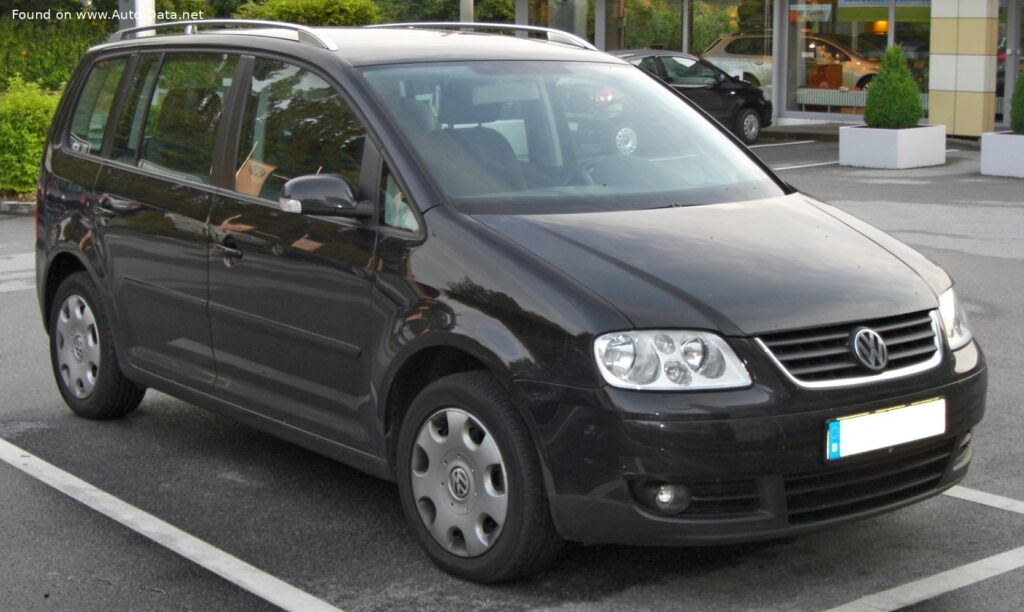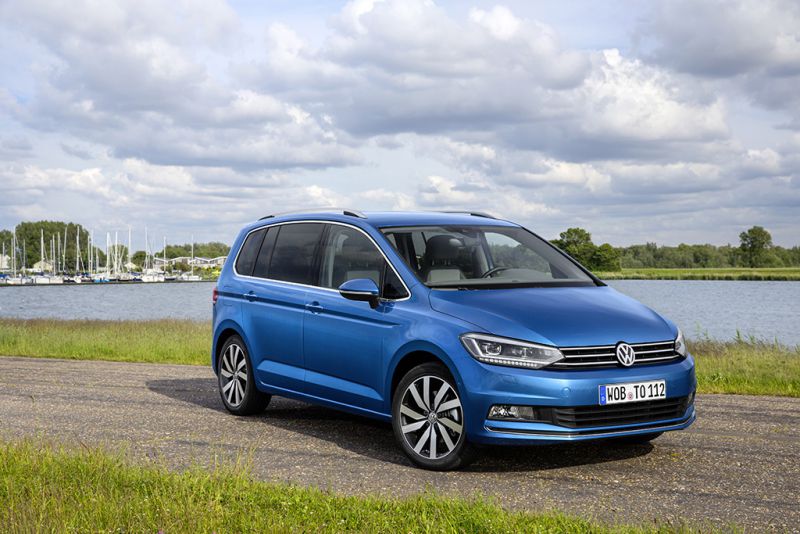
The Volkswagen Touran II 2.0 TDI (150 hp) was a popular variant of the second-generation Touran minivan, produced between 2015 and 2018. Positioned as a mid-range offering within the Touran II lineup, it aimed to balance fuel efficiency, practicality, and performance for families. The Touran II, built on the Volkswagen Group’s PQ24 platform (also known as the A5 platform), represented a significant evolution over its predecessor, offering increased space, improved technology, and a more refined driving experience. This specific 2.0 TDI model was a key component of Volkswagen’s strategy to offer a diverse range of powertrain options to cater to varying customer needs and preferences in the European market.
Powertrain & Engine Architecture
The heart of the Touran II 2.0 TDI (150 hp) is the Volkswagen Group’s common rail direct injection diesel engine. Specifically, engine codes CRMB, DFDA, DFEA, and DFGA were utilized during the production run, representing minor variations within the same engine family. This 1968 cc (120.09 cu. in.) inline-four cylinder engine features four valves per cylinder and is turbocharged with an intercooler to enhance power and efficiency. The common rail diesel injection system, operating at extremely high pressures, allows for precise fuel delivery, optimizing combustion and reducing emissions. The engine produces 150 horsepower (hp) at 3500-4000 rpm and 340 Nm (250.77 lb-ft) of torque between 1750-3000 rpm. This torque output is a key characteristic of diesel engines, providing strong pulling power at lower engine speeds.
While a six-speed manual transmission was standard, a seven-speed dual-clutch gearbox (DSG) was offered as an optional upgrade. The DSG transmission provides quicker, smoother gear changes compared to a traditional automatic, contributing to improved acceleration and fuel economy. The engine is transversely mounted at the front of the vehicle, driving the front wheels.
Fuel Injection and Emissions
The 2.0 TDI engine utilizes a sophisticated diesel particulate filter (DPF) to reduce harmful particulate matter emissions, ensuring compliance with Euro 6 emission standards. The DPF captures soot from the exhaust gases, periodically undergoing a regeneration process to burn off the accumulated particles. The engine also incorporates exhaust gas recirculation (EGR) to further reduce nitrogen oxide (NOx) emissions. Selective Catalytic Reduction (SCR) systems, utilizing AdBlue (Diesel Exhaust Fluid), were also implemented in later iterations of this engine to further minimize NOx output.
Driving Characteristics
The Touran II 2.0 TDI (150 hp) delivers a comfortable and capable driving experience. The 340 Nm of torque provides ample power for everyday driving, including overtaking maneuvers and carrying a full load of passengers and luggage. Acceleration from 0 to 100 km/h (0-62 mph) takes approximately 9.3 seconds, while top speed is rated at 208 km/h (129.25 mph). Compared to the lower-powered 1.6 TDI variants, the 2.0 TDI offers noticeably improved performance, particularly when fully loaded or traveling uphill. However, it doesn’t match the outright acceleration of the higher-performance gasoline engines available in the Touran II range.
The six-speed manual transmission provides a good balance between fuel efficiency and driver engagement. The gear ratios are well-chosen to maximize torque utilization, ensuring smooth and responsive acceleration. The optional DSG transmission offers even quicker shifts and a more refined driving experience, but some drivers may prefer the greater control offered by the manual gearbox. The Touran’s suspension is tuned for comfort, providing a smooth ride over most road surfaces. However, it’s not as sporty or engaging as some of its competitors.
Equipment & Trim Levels
The Touran II 2.0 TDI (150 hp) was typically offered in Trendline, Comfortline, and Highline trim levels. The Trendline served as the entry-level option, featuring standard equipment such as air conditioning, electric windows, and a basic audio system. The Comfortline trim added features like alloy wheels, cruise control, and a more advanced infotainment system. The Highline trim represented the top-of-the-line offering, including features such as leather upholstery, automatic climate control, and a premium sound system.
Optional extras available for the 2.0 TDI included a panoramic sunroof, parking sensors, a rear-view camera, and a navigation system. Safety features such as ABS, electronic stability control, and multiple airbags were standard across all trim levels. The Touran II also offered a range of driver assistance systems, such as adaptive cruise control and lane keeping assist, as optional extras.
Chassis & Braking
The Touran II utilizes an independent multi-link suspension system at the front and an independent coil spring suspension at the rear. This suspension setup provides a comfortable ride and good handling characteristics. The front brakes are ventilated discs, while the rear brakes are discs on most models, although some base models may have been equipped with drum brakes. The steering is a rack and pinion system with electric power assistance, providing precise and responsive steering feel.
The Touran II’s chassis is designed to accommodate the vehicle’s weight and provide a stable and secure driving experience. The vehicle’s weight-to-power ratio is 9.8 kg/hp, and the weight-to-torque ratio is 4.3 kg/Nm. Tire sizes typically ranged from 215/55 R17 to 225/45 R18, depending on the trim level and optional equipment.
Market Reception & Comparison
The Volkswagen Touran II 2.0 TDI (150 hp) was generally well-received by automotive critics. It was praised for its spacious interior, comfortable ride, and fuel-efficient engine. However, some critics noted that the interior design was somewhat conservative and that the handling wasn’t as sporty as some of its competitors. Compared to the 1.6 TDI variants, the 2.0 TDI offered a significant improvement in performance, making it a more suitable choice for drivers who frequently carry passengers or travel long distances. Fuel economy figures ranged from 4.5-4.4 l/100 km (52.3-53.5 US mpg) combined, making it an economical choice for families.
Compared to rivals like the Ford C-Max and Renault Scenic, the Touran II offered a more premium feel and a higher level of build quality. However, it was also generally more expensive than its competitors.
Technical Specifications
| Engine Type | Inline-4, Turbo Diesel |
| Engine Displacement | 1968 cc (120.09 cu. in.) |
| Engine Code | CRMB, DFDA, DFEA, DFGA |
| Maximum Power | 150 hp @ 3500-4000 rpm |
| Maximum Torque | 340 Nm (250.77 lb-ft) @ 1750-3000 rpm |
| Fuel Consumption (Urban) | 5.4-5.2 l/100 km (43.6-45.2 US mpg) |
| Fuel Consumption (Extra Urban) | 4.0-3.9 l/100 km (58.8-60.3 US mpg) |
| Fuel Consumption (Combined) | 4.5-4.4 l/100 km (52.3-53.5 US mpg) |
| CO2 Emissions | 118-115 g/km |
| Transmission | 6-speed Manual or 7-speed DSG |
| Drive Type | Front-Wheel Drive |
| Kerb Weight | 1477 kg (3256.23 lbs) |
| Maximum Weight | 2180 kg (4806.08 lbs) |
| Fuel Tank Capacity | 58 l (15.32 US gal) |
| Acceleration 0-100 km/h | 9.3 sec |
| Maximum Speed | 208 km/h (129.25 mph) |
Legacy
The Volkswagen Touran II 2.0 TDI (150 hp) has proven to be a reliable and durable powertrain combination. The 2.0 TDI engine is known for its longevity and relatively low maintenance costs, provided it is properly serviced. However, like all diesel engines, it is susceptible to issues with the DPF and fuel injectors if not maintained correctly. In the used car market, the Touran II 2.0 TDI (150 hp) remains a popular choice for families seeking a practical, fuel-efficient, and spacious minivan. Its reputation for reliability and its comfortable driving experience contribute to its continued demand. While newer models offer more advanced technology and features, the Touran II 2.0 TDI (150 hp) represents a solid and dependable option for those seeking a well-rounded family vehicle.