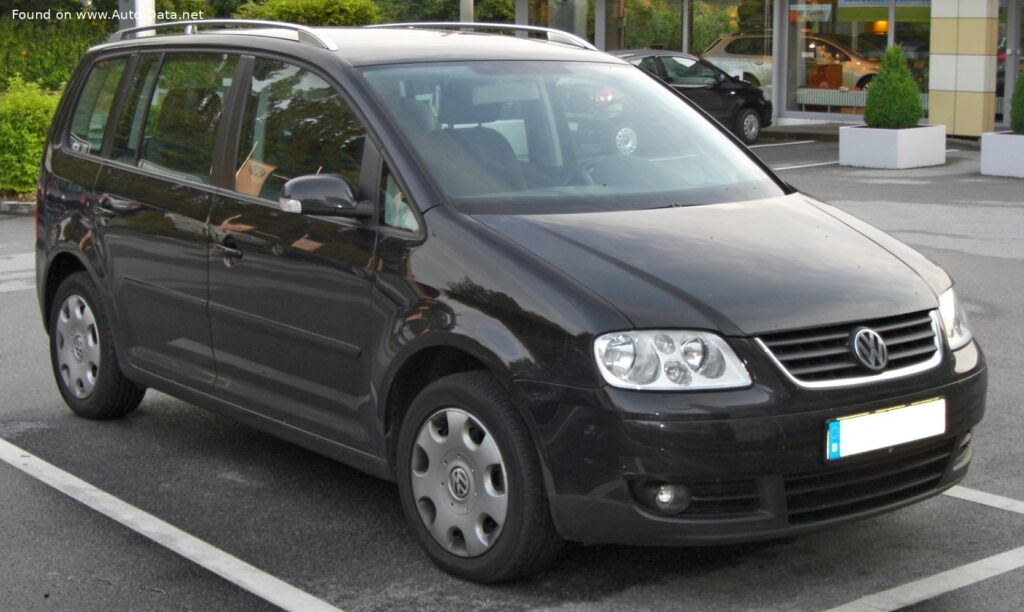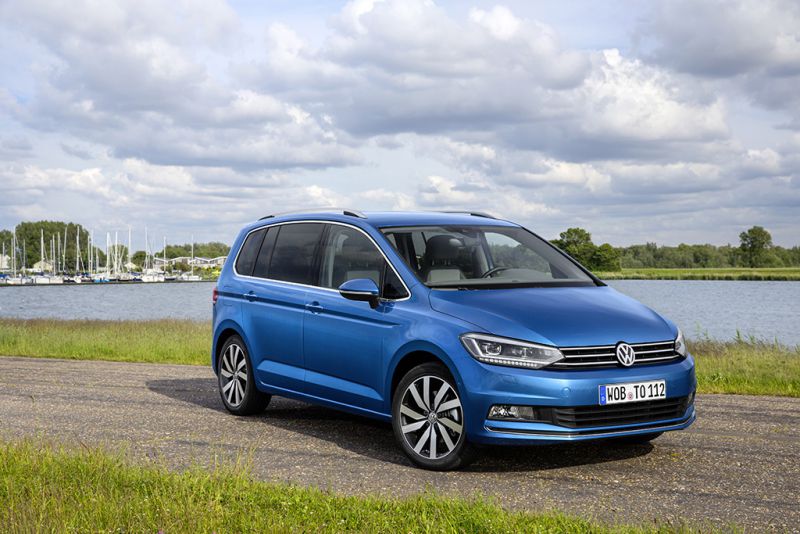
The Volkswagen Touran II 2.0 TDI (150 hp) with the Direct-Shift Gearbox (DSG) was a popular configuration of the second-generation Touran minivan, produced from 2015 to 2018. Positioned as a mid-range offering within the Touran II lineup, it balanced fuel efficiency, practicality, and performance, appealing to families and those needing a versatile vehicle. The Touran II, built on the Volkswagen Group’s PQ24 platform (also known as the A5 platform), represented a significant evolution over its predecessor, offering increased space, improved technology, and a more refined driving experience.
Powertrain & Engine Architecture
At the heart of the Touran II 2.0 TDI (150 hp) DSG lies the Volkswagen Group’s common rail diesel engine, specifically the CRMB, DFDA, DFEA, or DFGA engine code depending on the specific production year and market. This is a 1968 cc (120.09 cubic inches) inline-four cylinder engine featuring four valves per cylinder. The engine utilizes a turbocharger with an intercooler to boost power and efficiency. The common rail direct injection system, operating at extremely high pressures, ensures precise fuel delivery and optimized combustion. This particular engine variant produces 150 horsepower at 3500-4000 rpm and 340 Nm (250.77 lb-ft) of torque between 1750-3000 rpm. A key feature of this engine is its compliance with Euro 6 emissions standards, incorporating a diesel particulate filter (DPF) to reduce harmful emissions.
The “DSG” designation refers to Volkswagen’s dual-clutch transmission, a seven-speed automatic gearbox. This transmission offers quicker and smoother gear changes compared to a traditional torque-converter automatic. The DSG operates by utilizing two separate clutches – one for odd-numbered gears and one for even-numbered gears. While one gear is engaged, the next gear is pre-selected, allowing for near-instantaneous shifts. The DSG transmission contributes significantly to both the performance and fuel efficiency of the Touran II 2.0 TDI.
Engine Codes and Variations
While the core engine architecture remained consistent, slight variations existed between the CRMB, DFDA, DFEA, and DFGA engine codes. These differences primarily related to minor software calibrations, injector specifications, and emissions control system components, tailored to meet specific regional regulations. All versions, however, shared the fundamental 2.0-liter TDI configuration and 150 hp output.
Driving Characteristics
The Touran II 2.0 TDI (150 hp) DSG offered a comfortable and capable driving experience. The 340 Nm of torque available from 1750 rpm provided ample pulling power for everyday driving and overtaking maneuvers. While not a sports car, the combination of the turbo-diesel engine and the quick-shifting DSG transmission resulted in brisk acceleration, with a 0-100 km/h (0-62 mph) time of around 9.3 seconds. Compared to the lower-powered 1.6 TDI variants, the 2.0 TDI offered a noticeable improvement in performance, particularly when fully loaded with passengers and luggage. It also felt more relaxed on the highway, with sufficient power for sustained cruising. Compared to the higher-output 2.0 TDI (184 hp) versions, the 150 hp model prioritized fuel economy over outright performance, offering a more balanced proposition for many buyers.
The DSG transmission’s gear ratios were optimized for both fuel efficiency and responsiveness. Lower gears provided strong acceleration, while higher gears allowed for relaxed highway cruising. The transmission could be operated in both automatic and manual modes, giving the driver greater control when desired. The steering was light and precise, making the Touran II easy to maneuver in urban environments.
Equipment & Trim Levels
The Touran II 2.0 TDI (150 hp) DSG was typically offered in Trendline, Comfortline, and Highline trim levels. The Trendline served as the entry-level option, featuring standard equipment such as air conditioning, a touchscreen infotainment system, alloy wheels, and a comprehensive suite of safety features including ABS, ESP, and multiple airbags. The Comfortline trim added features like automatic climate control, parking sensors, and upgraded interior trim. The Highline trim represented the top-of-the-line offering, boasting features such as leather upholstery, a panoramic sunroof, and advanced driver-assistance systems like adaptive cruise control and lane-keeping assist.
Optional extras available for the Touran II 2.0 TDI (150 hp) DSG included navigation systems, rear-seat entertainment systems, and various customization options for the interior and exterior. Many vehicles were also equipped with optional third-row seating, increasing the passenger capacity to seven.
Chassis & Braking
The Touran II featured an independent suspension system on both the front and rear axles. The front suspension utilized a multi-link setup, providing excellent ride comfort and handling. The rear suspension employed coil springs, further enhancing ride quality. The chassis was tuned to prioritize comfort and stability, making the Touran II a pleasant vehicle to drive on a variety of road surfaces.
Braking duties were handled by ventilated discs on the front wheels and solid discs on the rear wheels. The anti-lock braking system (ABS) and electronic stability program (ESP) were standard features, providing enhanced safety and control. The steering system utilized an electric power steering rack and pinion, offering precise and responsive steering feel.
Market Reception & Comparison
The Volkswagen Touran II 2.0 TDI (150 hp) DSG was generally well-received by automotive critics. It was praised for its spacious interior, versatile seating configuration, comfortable ride, and fuel-efficient engine. The DSG transmission was also lauded for its smooth and quick gear changes. Critics noted that while the 150 hp engine wasn’t particularly powerful, it provided sufficient performance for most driving situations.
Compared to other trims in the Touran II lineup, the 2.0 TDI (150 hp) offered a good balance between performance and fuel economy. The 1.6 TDI variants were more fuel-efficient but lacked the power of the 2.0 TDI. The higher-output 2.0 TDI (184 hp) offered more performance but at the expense of fuel economy. In terms of reliability, the 2.0 TDI engine proved to be generally robust, although owners should be aware of the potential for DPF issues if the vehicle is primarily used for short trips.
Technical Specifications
| Engine Type | Inline-4, Turbo Diesel |
| Engine Displacement | 1968 cc (120.09 cu in) |
| Engine Code | CRMB, DFDA, DFEA, DFGA |
| Maximum Power | 150 hp @ 3500-4000 rpm |
| Maximum Torque | 340 Nm (250.77 lb-ft) @ 1750-3000 rpm |
| Fuel Injection | Diesel Commonrail |
| Transmission | 7-speed DSG (Dual-Clutch) |
| Drive Type | Front-Wheel Drive |
| Acceleration 0-100 km/h | 9.3 sec |
| Maximum Speed | 206 km/h (128 mph) |
| Fuel Consumption (Combined) | 4.7-4.8 l/100 km (49-50 US mpg) |
| CO2 Emissions | 124-127 g/km |
| Kerb Weight | 1496 kg (3298.12 lbs) |
| Fuel Tank Capacity | 58 l (15.32 US gal) |
Legacy
The Volkswagen Touran II 2.0 TDI (150 hp) DSG remains a popular choice in the used car market. Its combination of practicality, fuel efficiency, and reliability has made it a desirable vehicle for families and those seeking a versatile minivan. While older examples may require maintenance on components such as the DPF and DSG transmission, the 2.0 TDI engine is generally considered to be a durable and long-lasting unit. The Touran II’s spacious interior and flexible seating configuration continue to appeal to buyers, and its relatively modern features make it a competitive option in the used car segment. The DSG transmission, while offering performance benefits, requires regular servicing to ensure longevity.