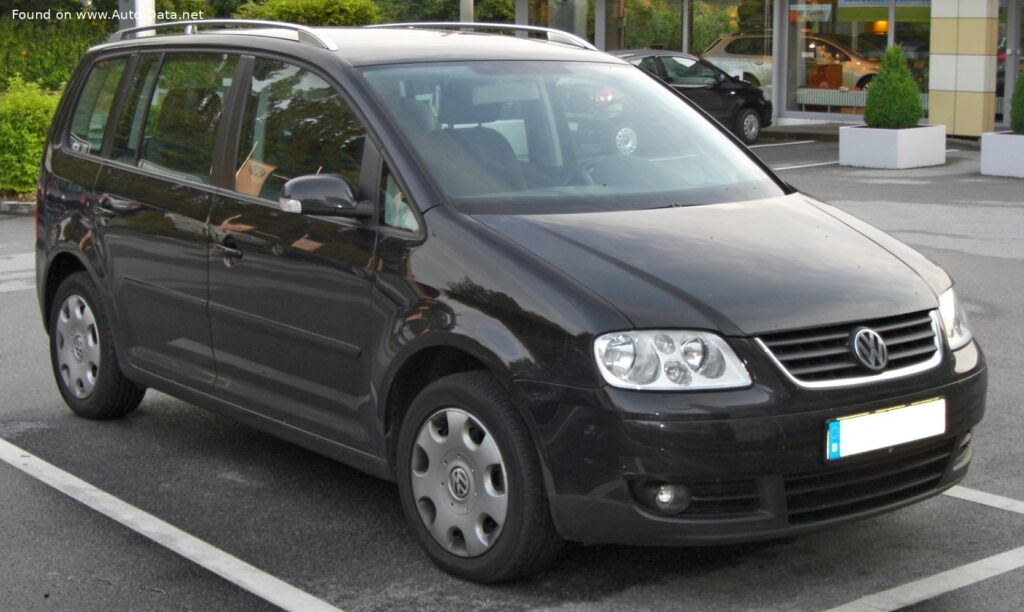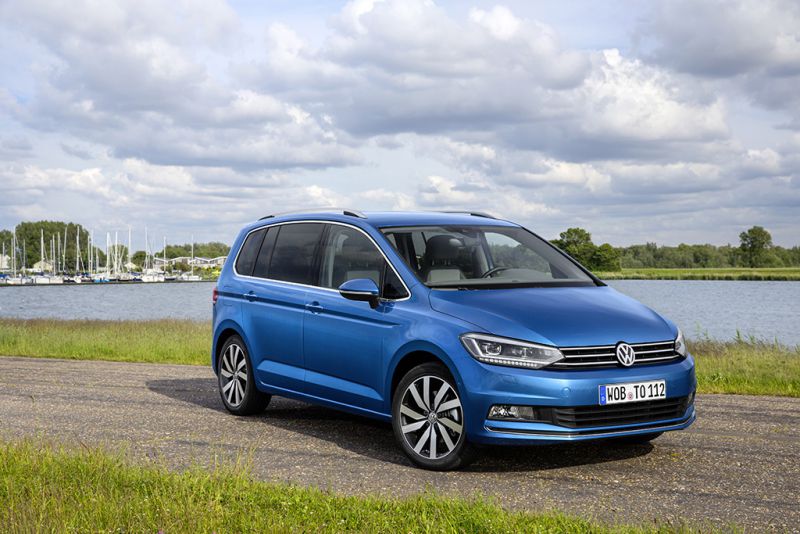
The Volkswagen Touran II 2.0 TDI (190 hp) DSG was a popular configuration of the second-generation Touran minivan, produced between 2016 and 2018. Positioned as a mid-to-upper trim level within the Touran II range, it offered a balance of performance, fuel efficiency, and practicality for families. The Touran II, built on the Volkswagen Group’s PQ24 platform (also known as the A5 platform), aimed to provide a versatile and spacious people-carrier, competing with models like the Ford C-Max and Renault Scenic.
Powertrain & Engine Architecture
The heart of the Touran II 2.0 TDI (190 hp) DSG is the Volkswagen Group’s 2.0-liter four-cylinder diesel engine. Specifically, this variant utilized the DDMA or DFHA engine codes, representing variations within the common rail diesel injection system. This engine is a turbocharged, intercooled diesel, designed for both power and efficiency. The engine boasts a displacement of 1968 cm³ (120.09 cubic inches) and features four valves per cylinder, contributing to its strong performance.
The fuel injection system is a common rail direct injection system, operating at extremely high pressures to atomize the fuel for optimal combustion. This system allows for precise control over fuel delivery, enhancing both power output and fuel economy. The turbocharger, coupled with an intercooler, forces more air into the engine, increasing power density. The engine produces 190 horsepower at 3500-4000 rpm and a substantial 400 Nm (295.02 lb-ft) of torque between 1900-3300 rpm.
Paired with the engine is a 6-speed Dual Clutch Gearbox (DSG). The DSG transmission offers quick and smooth gear changes, contributing to both performance and fuel efficiency. It operates by utilizing two separate clutches, pre-selecting the next gear for seamless transitions. This transmission is a key component in delivering the Touran’s responsive driving experience.
Fuel Injection and Turbocharging
The common rail direct injection system used in the 2.0 TDI engine is a significant advancement over older diesel injection technologies. It allows for multiple injection events per combustion cycle, optimizing the burning process for reduced emissions and improved efficiency. The turbocharger is a variable geometry turbo (VGT), which adjusts the turbine vanes to optimize airflow across a wider range of engine speeds. This ensures strong torque delivery from low rpm, making the Touran II 2.0 TDI responsive in everyday driving situations.
Driving Characteristics
The Touran II 2.0 TDI (190 hp) DSG offers a noticeably more spirited driving experience compared to lower-powered versions of the Touran II. The 190 horsepower and 400 Nm of torque provide ample power for overtaking and carrying a full load of passengers and luggage. Acceleration from 0 to 100 km/h (0-62 mph) takes approximately 8.2 seconds, and 0-60 mph is achieved in around 7.8 seconds. The DSG transmission contributes to this performance by providing quick and precise gear changes.
Compared to the 1.6 TDI variants, the 2.0 TDI offers significantly more power and torque, resulting in a more relaxed driving experience, especially on highways and when climbing hills. While not a sports car, the Touran II 2.0 TDI provides sufficient power for most driving situations. The DSG transmission is programmed for both fuel efficiency and performance, adapting to the driver’s style. The gear ratios are optimized to provide strong acceleration in lower gears and comfortable cruising at higher speeds.
Equipment & Trim Levels
The 2.0 TDI (190 hp) DSG trim typically included a generous level of standard equipment. This often included features such as air conditioning, a touchscreen infotainment system with Bluetooth connectivity, alloy wheels, and parking sensors. Higher trim levels within the 2.0 TDI range offered additional features like leather upholstery, a panoramic sunroof, adaptive cruise control, and a more advanced infotainment system with navigation.
Interior upholstery was typically cloth on the base models, with leather options available as upgrades. The dashboard layout was functional and modern, with a focus on ergonomics. Optional extras included a rear-seat entertainment system, upgraded sound system, and various driver assistance features. The Touran II was available with five or seven seats, depending on the configuration chosen.
Chassis & Braking
The Touran II 2.0 TDI (190 hp) DSG features an independent suspension system on both the front and rear axles. The front suspension utilizes a multi-link setup, providing good handling and ride comfort. The rear suspension employs coil springs, contributing to a stable and controlled ride. The chassis is designed to balance comfort and handling, making the Touran II suitable for both city driving and long-distance journeys.
Braking duties are handled by ventilated discs on the front wheels and solid discs on the rear wheels. The vehicle is equipped with ABS (Anti-lock Braking System) and electronic stability control (ESC) as standard safety features. The steering system is a power-assisted rack and pinion system, providing precise and responsive steering feel. Tire sizes typically ranged from 215/55 R17 to 225/45 R18, depending on the trim level and wheel size.
Market Reception & Comparison
The Touran II 2.0 TDI (190 hp) DSG was generally well-received by automotive critics. It was praised for its spacious interior, comfortable ride, and strong performance. The DSG transmission was also a highlight, offering smooth and quick gear changes. However, some critics noted that the ride could be slightly firm on rough roads.
Compared to other trims in the Touran II lineup, the 2.0 TDI offered a significant performance advantage over the 1.6 TDI variants. Fuel economy was comparable, with the 2.0 TDI achieving around 4.8-4.6 l/100 km (49-51.1 US mpg) in combined driving. Reliability was generally good, although some owners reported issues with the DSG transmission, particularly early models. The 2.0 TDI was considered a good value for money, offering a compelling combination of performance, practicality, and features.
Technical Specifications
| Brand | Volkswagen |
| Model | Touran |
| Generation | Touran II |
| Type (Engine) | 2.0 TDI (190 Hp) DSG |
| Start of production | 2016 |
| End of production | 2018 |
| Fuel consumption (urban) | 5.5-5.3 l/100 km (42.8 – 44.4 US mpg) |
| Fuel consumption (extra urban) | 4.3-4.2 l/100 km (54.7 – 56 US mpg) |
| Fuel consumption (combined) | 4.8-4.6 l/100 km (49 – 51.1 US mpg) |
| CO2 emissions | 125-120 g/km |
| Fuel Type | Diesel |
| Acceleration 0 – 100 km/h | 8.2 sec |
| Acceleration 0 – 62 mph | 8.2 sec |
| Acceleration 0 – 60 mph | 7.8 sec |
| Maximum speed | 220 km/h (136.7 mph) |
| Emission standard | Euro 6 |
| Power | 190 Hp @ 3500-4000 rpm |
| Torque | 400 Nm @ 1900-3300 rpm (295.02 lb.-ft. @ 1900-3300 rpm) |
| Engine layout | Front, Transverse |
| Engine Model/Code | DDMA, DFHA |
| Engine displacement | 1968 cm3 (120.09 cu. in.) |
| Number of cylinders | 4 |
| Engine configuration | Inline |
| Fuel injection system | Diesel Commonrail |
| Engine oil capacity | 4.7 l (4.97 US qt | 4.14 UK qt) |
| Kerb Weight | 1540 kg (3395.12 lbs.) |
| Max. weight | 2240 kg (4938.35 lbs.) |
| Trunk (boot) space – minimum | 834 l (29.45 cu. ft.) |
| Trunk (boot) space – maximum | 1980 l (69.92 cu. ft.) |
| Fuel tank capacity | 58 l (15.32 US gal | 12.76 UK gal) |
| Number of gears and type of gearbox | 6 gears, automatic transmission DSG |
Legacy
The 2.0 TDI engine with the DSG transmission proved to be a reliable powertrain in the Touran II, although, as with any complex system, preventative maintenance is crucial. The DSG transmission, in particular, requires regular fluid changes to ensure smooth operation and longevity. Today, used examples of the Touran II 2.0 TDI (190 hp) DSG are readily available and represent a good value for families seeking a spacious and practical minivan. The engine’s fuel efficiency and strong performance continue to make it a desirable option in the used car market. While mileage and maintenance history are important considerations, the Touran II 2.0 TDI remains a capable and well-regarded vehicle.