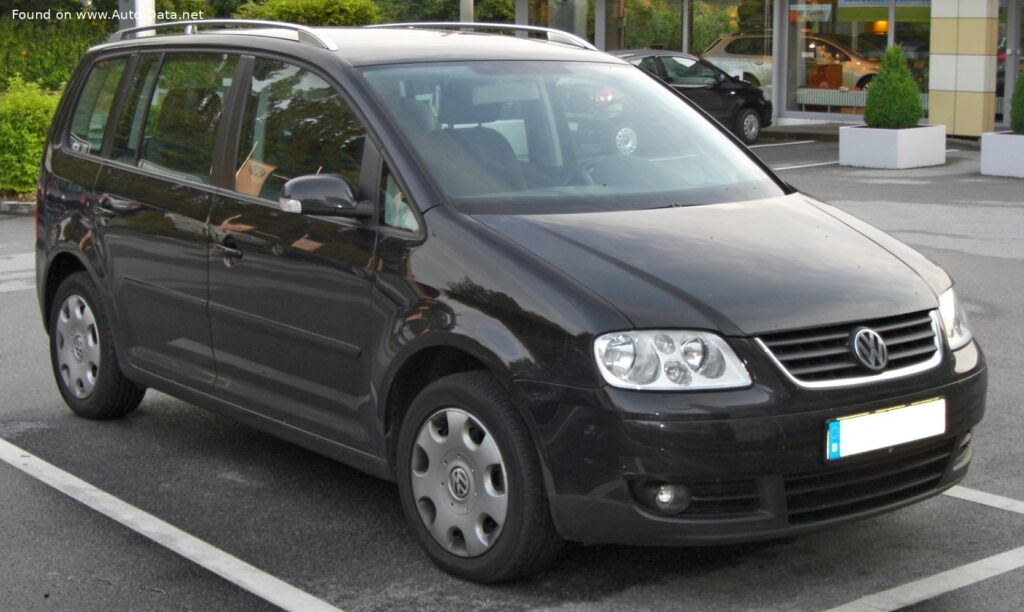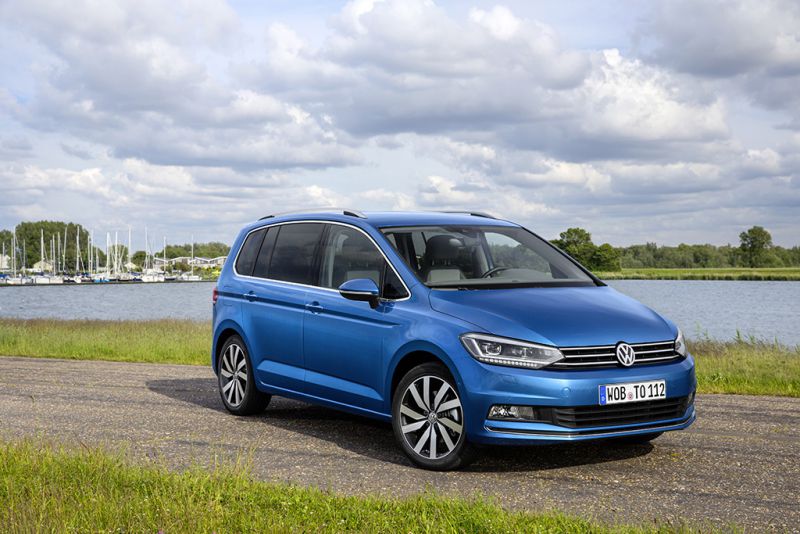
The Volkswagen Touran II 2.0 TDI SCR, producing 122 horsepower, was a significant variant within the second generation of the Touran minivan, manufactured from 2020 onwards. Positioned as a mid-range offering, it aimed to balance fuel efficiency, practicality, and reasonable performance for family transport. The Touran II, built on the Volkswagen Group’s PQ24 platform (also known as the A5 platform), represented a substantial evolution over its predecessor, offering increased space, improved safety features, and a more refined driving experience. This specific 2.0 TDI SCR model was a key component of Volkswagen’s strategy to offer a diverse range of powertrain options within the Touran lineup, catering to varying customer needs and preferences.
Powertrain & Engine Architecture
The heart of the Touran II 2.0 TDI SCR is the DTRC engine code, a 1968cc inline four-cylinder diesel engine. This engine utilizes a common rail direct injection system, delivering fuel directly into the combustion chamber at extremely high pressure. This technology, coupled with a turbocharger and intercooler, optimizes combustion efficiency and boosts power output. The “SCR” designation stands for Selective Catalytic Reduction, a system designed to reduce nitrogen oxide (NOx) emissions by injecting AdBlue (a urea solution) into the exhaust stream. This allows the engine to meet stringent Euro 6d-EVAP-ISC emission standards.
The engine features four valves per cylinder, contributing to improved breathing and overall performance. The turbocharger is a variable geometry turbo (VGT), allowing for optimized boost pressure across a wider range of engine speeds. The engine’s control unit (ECU) carefully manages fuel injection timing, turbocharger operation, and exhaust gas recirculation to maximize power, fuel economy, and minimize emissions. While a six-speed manual transmission was standard, a seven-speed dual-clutch gearbox (DSG) was often available as an optional upgrade, offering quicker shifts and a more dynamic driving experience.
Fuel Injection and Emissions Control
The diesel common rail system operates at pressures up to 2,000 bar, ensuring precise fuel atomization and efficient combustion. The SCR system, crucial for meeting Euro 6 emissions standards, relies on a catalytic converter that uses AdBlue to convert NOx into harmless nitrogen and water. The AdBlue tank, with a capacity of 11 liters, requires periodic refills, typically indicated by a warning light on the dashboard. The engine also incorporates a diesel particulate filter (DPF) to trap soot particles, further reducing harmful emissions.
Driving Characteristics
The 122 hp 2.0 TDI SCR engine in the Touran II delivers a respectable, though not particularly sporty, driving experience. Acceleration from 0 to 100 km/h (0-62 mph) takes approximately 10.8 seconds, and the top speed is rated at 195 km/h (121.17 mph). The engine’s peak torque of 320 Nm (236.02 lb-ft) is available between 1600 and 2500 rpm, providing ample pulling power for everyday driving and when carrying a full load of passengers and luggage.
Compared to higher-output TDI variants (like the 150 hp or 190 hp versions), the 122 hp model offers a more relaxed and fuel-efficient driving experience. While it may require more effort when overtaking or climbing steep hills, it excels in providing comfortable and economical transportation. The six-speed manual transmission offers precise gear changes, while the optional DSG gearbox provides seamless and rapid shifts. The front-wheel-drive configuration contributes to good stability and predictable handling.
Equipment & Trim Levels
The Touran II 2.0 TDI SCR typically came equipped with a solid base level of features. Standard equipment often included air conditioning, a touchscreen infotainment system with Bluetooth connectivity, alloy wheels, and a comprehensive suite of safety features such as ABS, electronic stability control (ESC), and multiple airbags. Higher trim levels, such as Comfortline and Highline, added features like automatic climate control, parking sensors, a larger infotainment screen with navigation, and premium interior upholstery. Optional extras included a panoramic sunroof, adaptive cruise control, and a rear-view camera.
Interior upholstery was typically cloth on the base models, with leather options available on higher trims. The dashboard layout was functional and ergonomic, with clear instrumentation and intuitive controls. The Touran II offered flexible seating configurations, with options for five or seven seats, and the rear seats could be folded flat to maximize cargo space. Trunk space ranged from 834 liters (29.45 cu. ft.) with all seats in place to 1980 liters (69.92 cu. ft.) with the rear seats folded down.
Chassis & Braking
The Touran II 2.0 TDI SCR utilizes an independent coil spring suspension at the front and an independent multi-link spring suspension with a stabilizer bar at the rear. This suspension setup provides a comfortable ride quality and good handling characteristics. The front brakes are ventilated discs, while the rear brakes are discs. The electric power steering provides precise and responsive steering feel. The vehicle’s kerb weight of 1514 kg (3337.8 lbs) is relatively moderate for its class, contributing to its balanced handling.
The tires are typically sized 205/60 R16, providing a good balance of grip and ride comfort. The vehicle’s stability control system (ESC) helps to prevent skidding and maintain control in challenging driving conditions. The turning circle is 11.5 meters (37.73 ft), making it relatively easy to maneuver in urban environments.
Market Reception & Comparison
The Volkswagen Touran II 2.0 TDI SCR was generally well-received by automotive critics. It was praised for its spacious interior, comfortable ride, and fuel efficiency. The 122 hp TDI engine was considered adequate for most drivers, although some reviewers noted that it could feel underpowered when fully loaded or driving uphill. Compared to other MPVs in its class, such as the Ford C-Max and the Renault Scenic, the Touran II offered a more premium feel and a higher level of build quality.
Fuel economy was a key strength of the 2.0 TDI SCR, with combined fuel consumption figures of around 5.0 l/100 km (47 US mpg). Reliability was generally good, although some owners reported issues with the DPF and SCR systems. The Touran II’s resale value was typically higher than that of its competitors, reflecting its strong reputation for quality and durability.
Technical Specifications
| Brand | Volkswagen |
| Model | Touran |
| Generation | Touran II |
| Engine Type | 2.0 TDI SCR |
| Horsepower | 122 Hp |
| Torque | 320 Nm @ 1600-2500 rpm (236.02 lb.-ft.) |
| Engine Displacement | 1968 cm3 (120.09 cu. in.) |
| Number of Cylinders | 4 |
| Fuel Injection | Diesel Commonrail |
| Transmission | 6-speed manual (standard), 7-speed DSG (optional) |
| Drive Type | Front-wheel drive |
| Acceleration 0-100 km/h | 10.8 sec |
| Top Speed | 195 km/h (121.17 mph) |
| Fuel Consumption (Combined) | 5.0 l/100 km (47 US mpg) |
| CO2 Emissions | 131 g/km |
| Kerb Weight | 1514 kg (3337.8 lbs) |
| Fuel Tank Capacity | 58 l (15.32 US gal) |
| AdBlue Tank Capacity | 11 l (2.91 US gal) |
Legacy
The Volkswagen Touran II 2.0 TDI SCR remains a popular choice in the used car market. Its combination of practicality, fuel efficiency, and reliability makes it an attractive option for families. While the DPF and SCR systems can require maintenance, these issues are generally well-understood and can be addressed by qualified mechanics. The engine itself is known to be durable and long-lasting, provided it is properly maintained. The Touran II’s spacious interior and flexible seating configurations continue to appeal to buyers seeking a versatile and comfortable family vehicle. As emissions regulations become increasingly stringent, the 2.0 TDI SCR’s advanced emissions control technology ensures that it remains a viable and environmentally responsible option for years to come.