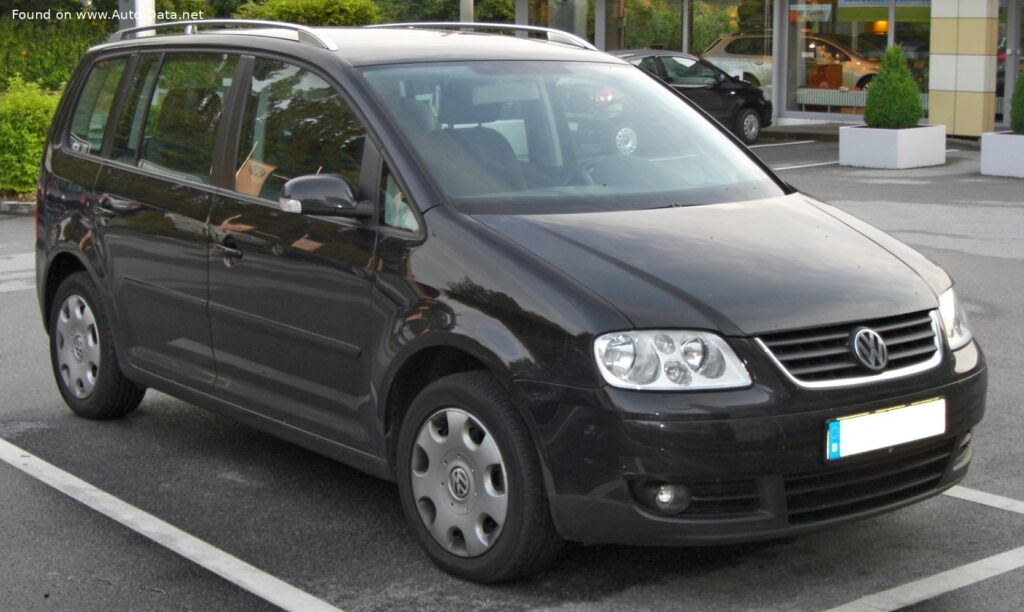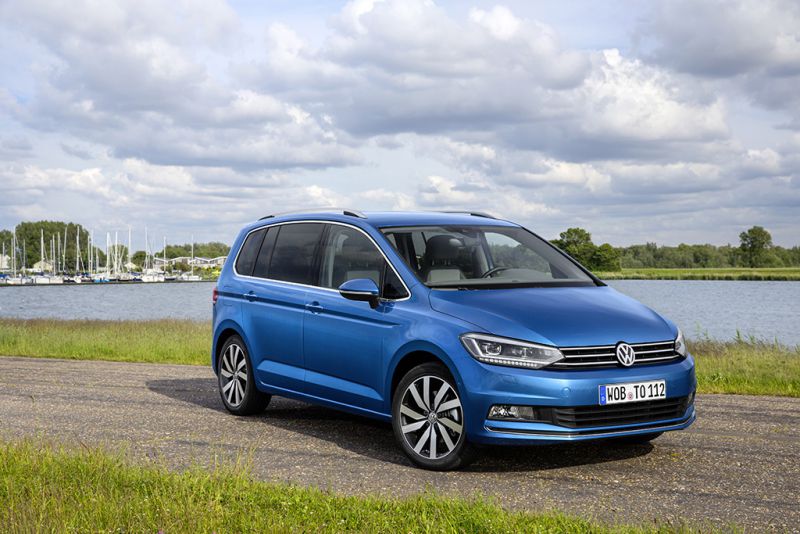
The Volkswagen Touran II 2.0 TDI SCR, producing 150 horsepower, represents a significant iteration within the second generation of the Touran minivan, manufactured from 2018 onwards. Positioned as a mid-range offering in the Touran II lineup, it aimed to balance fuel efficiency, practicality, and performance for families and those requiring a versatile people carrier. The Touran II itself is built on the Volkswagen Group’s PQ24 platform, also known as the A5 platform, shared with models like the Volkswagen Golf, Audi A3, and SEAT Leon.
Powertrain & Engine Architecture
The heart of the Touran II 2.0 TDI SCR is the CRMB, DFDA, DFEA, or DFGA engine code, a 2.0-liter inline four-cylinder diesel engine. This engine utilizes a common rail direct injection system, delivering fuel directly into the combustion chamber at extremely high pressure for optimized combustion. The engine is turbocharged and intercooled, enhancing power output and efficiency. The intercooler cools the compressed air from the turbocharger, increasing its density and allowing more oxygen to enter the cylinders. The engine features four valves per cylinder (DOHC – Dual Overhead Camshaft), contributing to improved breathing and overall performance.
The “SCR” designation in the model name stands for Selective Catalytic Reduction. This system is a key component of the engine’s emissions control, utilizing AdBlue (a urea-based solution) to reduce nitrogen oxide (NOx) emissions. The AdBlue is injected into the exhaust stream, converting NOx into harmless nitrogen and water. This engine is designed to meet stringent Euro 6d-TEMP emission standards.
While a six-speed manual transmission was standard, a seven-speed dual-clutch transmission (DSG) was also offered as an option. The DSG provides quicker, smoother gear changes compared to a traditional automatic transmission, and contributes to improved fuel economy. The front-wheel-drive configuration is standard for this variant.
Fuel Injection and Turbocharging
The 2.0 TDI SCR engine employs a Bosch common rail system, capable of delivering up to 1800 bar of fuel pressure. This high pressure ensures fine atomization of the fuel, leading to more complete combustion and reduced particulate matter. The turbocharger is typically a variable geometry turbo (VGT), allowing the turbine vanes to adjust based on engine speed and load. This optimizes boost pressure across a wider RPM range, improving both low-end torque and high-end power.
Driving Characteristics
The 150 hp 2.0 TDI SCR Touran II offers a respectable driving experience, prioritizing fuel efficiency and usability over outright performance. Acceleration from 0-62 mph (0-100 km/h) takes approximately 9.3 seconds. While not a sports car, the engine delivers a useful 340 Nm (250.77 lb-ft) of torque between 1750 and 3000 rpm, providing ample pulling power for everyday driving and when carrying a full load of passengers and luggage.
Compared to the more powerful 2.0 TDI variants (typically offering 184 or 200 hp), the 150 hp version feels less urgent in acceleration. However, it offers a more relaxed driving experience, particularly on long journeys. The optional DSG transmission enhances responsiveness and provides seamless gear changes, while the manual transmission allows for greater driver control. The Touran’s suspension is tuned for comfort, absorbing bumps and providing a stable ride, even when fully loaded. The steering is light and precise, making it easy to maneuver in urban environments.
Equipment & Trim Levels
The Touran II 2.0 TDI SCR (150 hp) was typically offered in several trim levels, varying by market. Standard equipment generally included air conditioning, a touchscreen infotainment system with Bluetooth connectivity, alloy wheels, and a comprehensive suite of safety features, including ABS, ESP (Electronic Stability Program), and multiple airbags. Higher trim levels added features such as automatic climate control, parking sensors, a navigation system, leather upholstery, and advanced driver-assistance systems like adaptive cruise control and lane-keeping assist.
Interior upholstery was typically cloth on base models, with options for leather or Alcantara on higher trims. The dashboard layout is functional and well-designed, with clear instrumentation and intuitive controls. The Touran II is renowned for its flexible interior, with adjustable rear seats and a generous amount of storage space. The rear seats can often be folded flat or even removed entirely, creating a large cargo area.
Chassis & Braking
The Touran II utilizes a MacPherson strut front suspension and a multi-link rear suspension. This configuration provides a good balance of ride comfort and handling. Stabilizer bars are fitted to both the front and rear axles to reduce body roll during cornering. The braking system consists of ventilated discs on the front wheels and solid discs on the rear wheels. ABS (Anti-lock Braking System) and ESP (Electronic Stability Program) are standard features, enhancing safety and stability. The electric power steering provides a light and responsive feel.
Market Reception & Comparison
The Touran II 2.0 TDI SCR (150 hp) was generally well-received by automotive critics. It was praised for its fuel efficiency, practicality, and comfortable ride. Fuel economy figures typically ranged from 4.6 to 4.8 l/100 km (51.1 – 49 US mpg), making it an economical choice for families and those covering long distances. Compared to the higher-output TDI variants, the 150 hp version offered a more affordable price point, making it accessible to a wider range of buyers. However, some critics noted that the engine could feel strained when fully loaded or driving uphill. Compared to petrol-powered alternatives, the 2.0 TDI SCR offered significantly better fuel economy and torque.
Technical Specifications
| Engine Type | Inline 4-cylinder, Turbocharged Diesel |
| Engine Code | CRMB, DFDA, DFEA, DFGA |
| Displacement | 1968 cm³ (120.09 cu in) |
| Power Output | 150 hp @ 4200 rpm |
| Torque | 340 Nm (250.77 lb-ft) @ 1750-3000 rpm |
| Fuel Injection | Common Rail Direct Injection |
| Turbocharger | Variable Geometry Turbo (VGT) |
| Valves per Cylinder | 4 |
| Compression Ratio | 16.5:1 |
| Fuel Consumption (Urban) | 5.6-5.7 l/100 km (42-41.3 US mpg) |
| Fuel Consumption (Extra Urban) | 4.1-4.2 l/100 km (57.4-56 US mpg) |
| Fuel Consumption (Combined) | 4.6-4.8 l/100 km (51.1-49 US mpg) |
| CO2 Emissions | 122-126 g/km |
| Emission Standard | Euro 6d-TEMP |
| Transmission | 6-speed Manual or 7-speed DSG |
| Drive Type | Front-Wheel Drive |
| Kerb Weight | 1590 kg (3505.35 lbs) |
| Maximum Weight | 2190 kg (4828.12 lbs) |
| Fuel Tank Capacity | 58 l (15.32 US gal) |
| AdBlue Tank Capacity | 11 l (2.91 US gal) |
| Acceleration 0-100 km/h | 9.3 sec |
| Maximum Speed | 208 km/h (129.25 mph) |
Legacy
The 2.0 TDI SCR engine, in its various iterations, has proven to be a reliable and durable powertrain. While diesel engines, in general, have faced increased scrutiny regarding emissions, the Touran II 2.0 TDI SCR, equipped with the SCR system, offers a relatively clean and efficient diesel option. On the used car market, these models are generally sought after for their practicality, fuel economy, and spacious interiors. Regular maintenance, including timely AdBlue refills and adherence to recommended service intervals, is crucial for ensuring long-term reliability. Common issues, if any, tend to relate to the diesel particulate filter (DPF) and the dual-mass flywheel, particularly on vehicles that have primarily been used for short journeys. Overall, the Touran II 2.0 TDI SCR (150 hp) remains a competitive and practical choice in the used minivan segment.