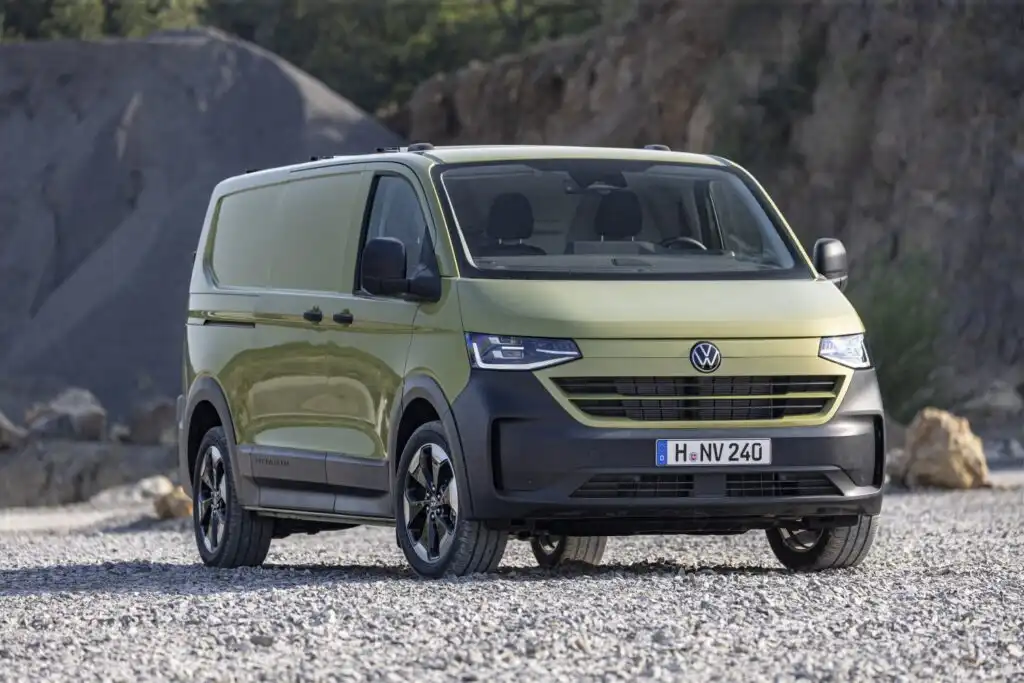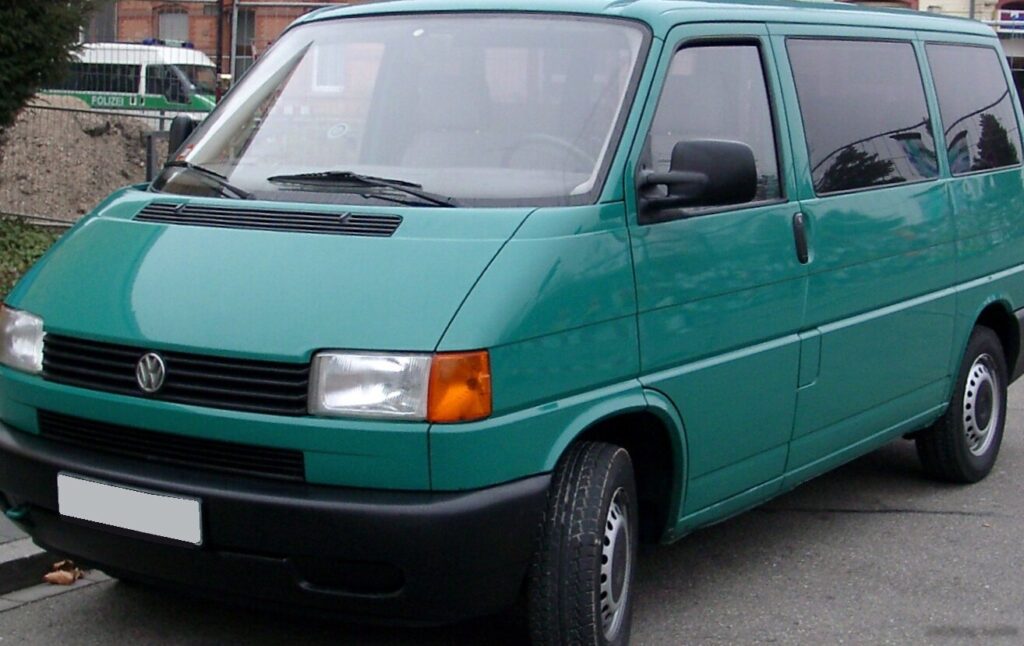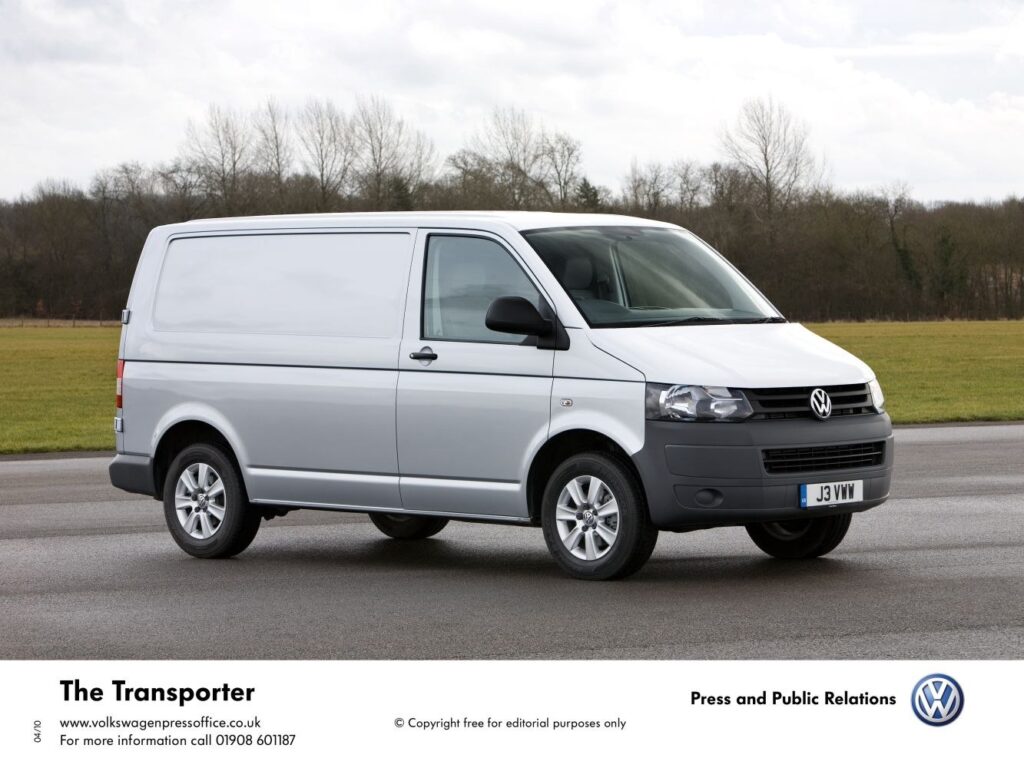
The Volkswagen Transporter (T5, facelift 2009) Panel Van: A European Workhorse
The Volkswagen Transporter, an iconic nameplate with a heritage stretching back to the 1950s, represents a cornerstone in the light commercial vehicle segment globally. The focus of this article is the fifth-generation (T5) Transporter, specifically its facelifted iteration launched in 2009, in the Panel Van configuration with the 2.0 TDI (84 Hp) L2H3 powertrain. This particular model, produced from 2009 to 2015, served as a quintessential utilitarian vehicle across Europe and other international markets, renowned for its robustness, versatility, and efficiency. While passenger variants of the T5, such as the Multivan or Caravelle, occasionally saw limited distribution in North America under the “Eurovan” moniker, the Panel Van variant, especially with its lower-output diesel engine, was not typically offered in the United States, firmly establishing its primary role in European commercial fleets.
The T5 generation itself first debuted in 2003, building upon the formidable reputation of its predecessors. The 2009 facelift brought a series of refinements, both aesthetic and mechanical, aimed at enhancing its appeal, modernizing its appearance, and improving powertrain efficiency to meet evolving emission standards. The Panel Van, as its name suggests, is designed purely for cargo transport, prioritizing load-carrying capacity and durability above passenger comfort or luxurious appointments. The L2H3 designation indicates a Long Wheelbase (L2) and a High Roof (H3) configuration, signifying a substantial increase in cargo volume, a critical factor for businesses requiring ample storage space.
Engine & Performance of the Volkswagen Transporter (T5, facelift 2009) Panel Van
Under the hood of this specific Volkswagen Transporter (T5, facelift 2009) Panel Van lies a 2.0-liter (1968 cm³ or 120.09 cu. in.) four-cylinder inline diesel engine, identified by the EA189 / CAAA code. This common rail direct injection unit is equipped with a turbocharger and intercooler, a setup characteristic of modern diesel engines designed for both power and fuel economy. It produces a modest 84 horsepower at 3500 rpm, which, while not designed for speed, is perfectly adequate for its intended purpose as a commercial delivery vehicle. The true strength of this powertrain lies in its torque output: a robust 220 Nm (162.26 lb.-ft.) available across a broad rev range, from 1250 to 2500 rpm. This low-end torque is crucial for a commercial van, enabling it to confidently pull heavy loads from a standstill and maintain momentum without constantly shifting gears, even on inclines.
Power is transmitted to the front wheels via a 5-speed manual transmission, a common and reliable choice for commercial applications. This drivetrain architecture, with its front-wheel-drive setup and transverse engine layout, optimizes interior space for cargo. In terms of performance, the Transporter 2.0 TDI (84 Hp) L2H3 is not built for speed, as evidenced by its 0-60 mph acceleration time of approximately 19.3 seconds and a top speed of 84.51 mph (136 km/h). These figures reflect its design philosophy: a pragmatic focus on utility, durability, and operational efficiency rather than outright performance.
Fuel efficiency, a paramount concern for fleet operators, is a highlight of this diesel powertrain. According to NEDC (New European Driving Cycle) figures, the combined fuel consumption ranges from 7.6-7.9 liters per 100 km, which translates to an impressive 30.9 – 29.8 US miles per gallon. Urban consumption is rated at 24.8 – 24 US mpg, while extra-urban driving yields 35.6 – 34.1 US mpg. These figures, combined with an 80-liter (21.13 US gallon) fuel tank, provide a substantial operating range, minimizing downtime for refueling. Furthermore, the engine meets Euro 5 emission standards, with CO2 emissions ranging from 199-208 g/km, reflecting Volkswagen’s commitment to environmental responsibility even in its commercial vehicle lineup. The inclusion of a particulate filter is a standard feature for modern diesels to reduce emissions.
Design & Features
The design of the Volkswagen Transporter (T5, facelift 2009) Panel Van is dictated by its primary function: a practical, spacious, and durable vehicle for commercial use. The facelift introduced subtle but effective changes to the exterior, including redesigned headlights, a revised grille, and updated bumpers, bringing its aesthetic more in line with Volkswagen’s passenger car lineup of the era. However, the core design remains resolutely functional. As a Panel Van, its rear section is devoid of windows, providing both security for cargo and a large canvas for company branding.
Measuring 208.35 inches (5292 mm) in length, 74.96 inches (1904 mm) in width (89.88 inches or 2283 mm including mirrors), and a commanding 97.48 inches (2476 mm) in height, the L2H3 configuration stands tall. This extended length and heightened roof are crucial for maximizing cargo volume, which reaches an cavernous 9300 liters (328.43 cu. ft.). The generous dimensions translate directly into an impressive maximum payload capacity, ranging from 1803.38 to 2341.31 lbs (818-1062 kg), depending on the specific configuration and gross vehicle weight. The maximum permissible trailer load with brakes is 4850.17 lbs (2200 kg), further highlighting its utility.
Inside, the cabin is designed for functionality and durability. While seating is limited to 2-3 occupants, the layout prioritizes ergonomics for the driver, with clear instrumentation and accessible controls. Given its commercial nature, the interior materials are chosen for their hard-wearing properties and ease of cleaning. Safety features, standard for its time, include an Anti-lock Braking System (ABS), which is critical for maintaining control, especially when the van is heavily loaded or braking in adverse conditions. The braking system itself comprises ventilated discs both front (308×29.5 mm) and rear (294×22 mm), providing robust stopping power. The suspension system, featuring an independent McPherson type with coil springs and an anti-roll bar at the front, and independent coil springs with a transverse stabilizer and trailing arm at the rear, is tuned to handle varied loads and road conditions, ensuring stability and a relatively comfortable ride for a commercial vehicle. Hydraulic power steering assists in maneuvering the large van, making it manageable in urban environments despite its size.
Technical Specifications
| Category | Specification | US/Imperial Conversion |
|---|---|---|
General Information |
||
| Brand | Volkswagen | |
| Model | Transporter | |
| Generation | Transporter (T5, facelift 2009) Panel Van | |
| Type (Engine) | 2.0 TDI (84 Hp) L2H3 | |
| Production Start | 2009 | |
| Production End | 2015 | |
| Powertrain Architecture | Internal Combustion Engine | |
| Body Type | Van | |
| Seats | 2-3 | |
| Doors | 4-5 | |
Performance Specifications |
||
| Fuel Consumption (Urban, NEDC) | 9.5-9.8 l/100 km | 24.8 – 24 US mpg |
| Fuel Consumption (Extra Urban, NEDC) | 6.6-6.9 l/100 km | 35.6 – 34.1 US mpg |
| Fuel Consumption (Combined, NEDC) | 7.6-7.9 l/100 km | 30.9 – 29.8 US mpg |
| CO2 Emissions (NEDC) | 199-208 g/km | |
| Fuel Type | Diesel | |
| Acceleration 0-62 mph (0-100 km/h) | 20.3 sec | |
| Acceleration 0-60 mph (Calculated) | 19.3 sec | |
| Maximum Speed | 136 km/h | 84.51 mph |
| Emission Standard | Euro 5 | |
| Weight-to-Power Ratio | 20.7 kg/Hp | 48.3 Hp/tonne |
| Weight-to-Torque Ratio | 7.9 kg/Nm | 126.6 Nm/tonne |
Engine Specifications |
||
| Power | 84 Hp @ 3500 rpm | |
| Power per liter | 42.7 Hp/l | |
| Torque | 220 Nm @ 1250-2500 rpm | 162.26 lb.-ft. @ 1250-2500 rpm |
| Engine Layout | Front, Transverse | |
| Engine Model/Code | EA189 / CAAA | |
| Engine Displacement | 1968 cm³ | 2.0 liters / 120.09 cu. in. |
| Number of Cylinders | 4 | |
| Engine Configuration | Inline | |
| Cylinder Bore | 81 mm | 3.19 in. |
| Piston Stroke | 95.5 mm | 3.76 in. |
| Compression Ratio | 16.5:1 | |
| Valves per Cylinder | 4 | |
| Fuel Injection System | Diesel Commonrail | |
| Engine Aspiration | Turbocharger, Intercooler | |
| Valvetrain | DOHC | |
| Engine Oil Capacity | 7 l | 7.4 US qt |
| Coolant Capacity | 11 l | 11.62 US qt |
| Engine Systems | Particulate filter | |
Space, Volume and Weights |
||
| Kerb Weight | 1738-2182 kg | 3831.63 – 4810.49 lbs. |
| Max. Weight (GVWR) | 2800-3000 kg | 6172.94 – 6613.87 lbs. |
| Max Load (Payload) | 818-1062 kg | 1803.38 – 2341.31 lbs. |
| Trunk (Boot) Space – Maximum | 9300 l | 328.43 cu. ft. |
| Fuel Tank Capacity | 80 l | 21.13 US gal |
| Permitted Trailer Load with Brakes (12%) | 2200 kg | 4850.17 lbs. |
| Permitted Trailer Load without Brakes | 750 kg | 1653.47 lbs. |
| Permitted Towbar Download | 100 kg | 220.46 lbs. |
Dimensions |
||
| Length | 5292 mm | 208.35 in. |
| Width | 1904 mm | 74.96 in. |
| Width Including Mirrors | 2283 mm | 89.88 in. |
| Height | 2476 mm | 97.48 in. |
| Wheelbase | 3400 mm | 133.86 in. |
| Front Overhang | 896 mm | 35.28 in. |
| Rear Overhang | 996 mm | 39.21 in. |
| Ride Height (Ground Clearance) | 201 mm | 7.91 in. |
| Minimum Turning Circle (Diameter) | 13.2 m | 43.31 ft. |
| Approach Angle | 21° | |
| Departure Angle | 17° | |
| Ramp-over (Breakover) Angle | 12° | |
Drivetrain, Brakes and Suspension |
||
| Drivetrain Architecture | Front-wheel drive (ICE drives front wheels) | |
| Drive Wheel | Front-wheel drive | |
| Number of Gears & Type | 5 gears, manual transmission | |
| Front Suspension | Independent, McPherson with coil spring and anti-roll bar | |
| Rear Suspension | Independent coil spring, Transverse stabilizer, Trailing arm | |
| Front Brakes | Ventilated discs, 308×29.5 mm | |
| Rear Brakes | Ventilated discs, 294×22 mm | |
| Assisting Systems | ABS (Anti-lock braking system) | |
| Steering Type | Steering rack and pinion | |
| Power Steering | Hydraulic Steering | |
| Tires Size | 215/65 R16 | |
| Wheel Rims Size | 6.5J x 16 | |
Legacy & Market Impact
The Volkswagen Transporter series, often referred to as the “VW Bus” or “Microbus” in its earlier generations, holds a storied place in automotive history. While the T5 Panel Van 2.0 TDI (84 Hp) L2H3 might lack the romantic appeal of its predecessors, its impact in the commercial vehicle sector is equally significant. In its primary markets, particularly Europe, this Transporter variant was a dominant force, widely regarded as a benchmark for reliability, build quality, and operational efficiency within the light commercial van segment. Its reputation for durability made it a favorite among small businesses, tradespeople, and large fleet operators alike.
The T5 Transporter competed fiercely with other established players in the European market, such as the Ford Transit, Mercedes-Benz Vito, Renault Trafic, and Opel Vivaro (Vauxhall Vivaro in the UK). What set the Transporter apart was its premium feel, even in its most utilitarian Panel Van guise, combined with a strong resale value. Volkswagen’s robust engineering, exemplified by the long-lasting 2.0 TDI engine, contributed significantly to its low total cost of ownership over its lifespan, a critical factor for commercial buyers.
The L2H3 configuration further cemented its market position by offering maximum cargo capacity, appealing to businesses that needed to transport bulky items or a substantial volume of goods. This versatility, coupled with Volkswagen’s extensive service network, ensured its continued popularity throughout its production run. Although this specific Panel Van variant was not a common sight in the United States, its mechanical underpinnings and design philosophy influenced other commercial vans globally, including those that eventually found their way to American shores. The T5 generation, including its facelifted versions, contributed significantly to the Transporter’s enduring legacy as a resilient, adaptable, and highly capable work vehicle, setting high standards for subsequent generations and solidifying Volkswagen’s standing as a leader in both passenger and commercial vehicle markets.