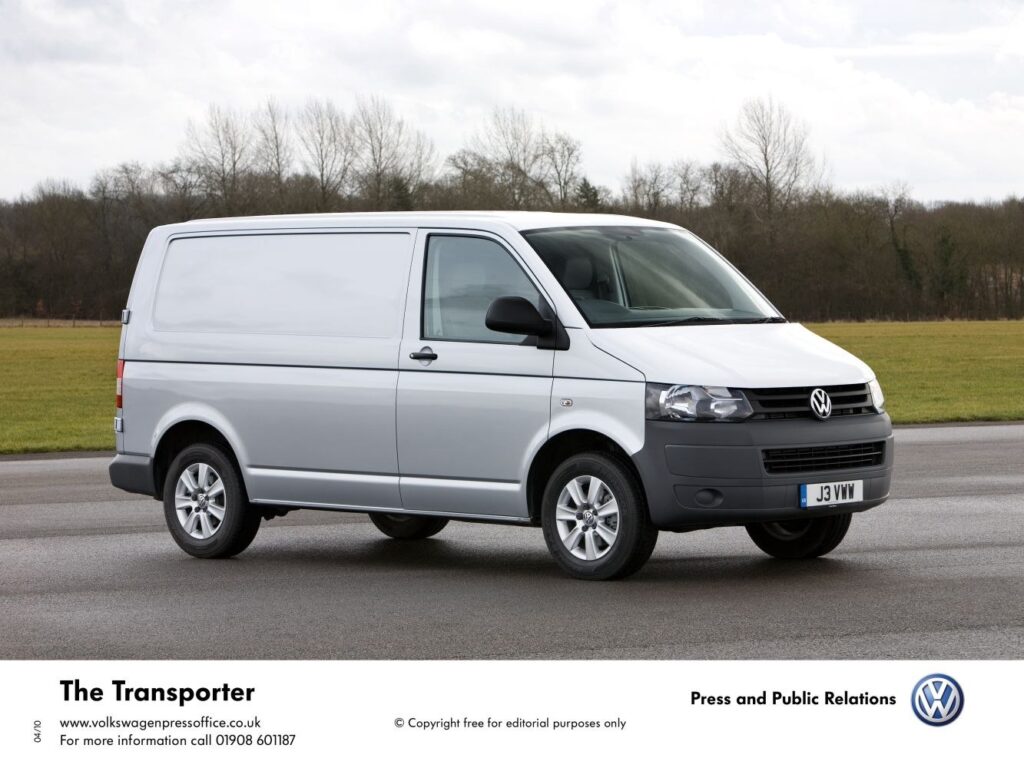
The Volkswagen Transporter (T5, facelift 2009) Panel Van 2.0 TSI (204 Hp) L2H1: A European Workhorse
The Volkswagen Transporter, a name synonymous with versatility and reliability in the light commercial vehicle segment, has been a cornerstone of Volkswagen’s global lineup for decades. The T5 generation, introduced in 2003, received a significant facelift in 2009, bringing updated styling, enhanced technology, and more efficient powertrains. Among its many configurations, the Volkswagen Transporter (T5, facelift 2009) Panel Van, specifically the 2.0 TSI (204 Hp) L2H1 variant, stood out as a powerful and capable option for businesses requiring both substantial cargo capacity and impressive performance. Produced between 2011 and 2015, this model was primarily targeted at European and other international markets, where the Transporter enjoys immense popularity as a commercial work vehicle, shuttle, and even a basis for recreational camper vans. The L2H1 designation signifies a long wheelbase (L2) combined with a standard roof height (H1), offering an optimal balance between cargo volume and maneuverability, particularly in urban environments.
Engine and Performance: Powering the Volkswagen Transporter (T5, facelift 2009) Panel Van
Under the hood of the Volkswagen Transporter (T5, facelift 2009) Panel Van 2.0 TSI (204 Hp) L2H1 lay a sophisticated 2.0-liter turbocharged, direct-injected gasoline engine, known by its internal code EA888 / CJKA. This inline four-cylinder powerplant was a marvel of modern engine technology for its time, designed to deliver a potent combination of power and efficiency. With a bore of 3.25 inches and a stroke of 3.65 inches, the engine displaced 121.07 cubic inches (1984 cm³). Its DOHC (Double Overhead Camshaft) valvetrain with four valves per cylinder and a compression ratio of 9.8:1 contributed to its robust output.
The engine produced a formidable 204 horsepower, peaking between 4200 and 6000 rpm, translating to an impressive 102.8 horsepower per liter. Even more critical for a commercial vehicle, it generated a substantial 258.15 lb-ft of torque, available across a broad rev range from a low 1500 rpm up to 4000 rpm. This wide torque band ensured excellent pulling power and flexibility, whether navigating city streets or cruising on the highway with a full load. Power was delivered to the front wheels via a precise 6-speed manual transmission, offering the driver full control over the engine’s capabilities.
Despite its size and utility focus, the 2.0 TSI Transporter was surprisingly quick. It could accelerate from 0 to 60 mph in a brisk 8 seconds, with 0-62 mph (0-100 km/h) taking 8.4 seconds. Its top speed was rated at 124.27 mph (200 km/h), making it one of the faster panel vans in its class. In terms of efficiency, the van achieved a combined fuel economy (NEDC) of 24 to 24.8 US mpg (9.5-9.8 l/100 km), with extra-urban figures reaching 29.4 to 30.5 US mpg (7.7-8 l/100 km). Urban consumption was rated at 18.1 to 18.5 US mpg (12.7-13 l/100 km). These figures, alongside its Euro 5 emission standard compliance and CO2 emissions of 222-228 g/km, highlighted Volkswagen’s commitment to balancing performance with environmental responsibility. The vehicle’s weight-to-power ratio stood at 8.8 kg/Hp, or 113.3 Hp/tonne, while its weight-to-torque ratio was 5.1 kg/Nm, or 194.4 Nm/tonne, underscoring its robust engineering.
Design and Features: Functionality Meets Practicality
The design of the Volkswagen Transporter (T5, facelift 2009) Panel Van was inherently functional, prioritizing utility and durability. As a panel van, its primary purpose was cargo transport, reflected in its unglazed rear and side panels, offering maximum security and branding opportunities. The vehicle typically featured 4-5 doors, including sliding side doors and rear barn doors or a tailgate, providing excellent access to the cargo area. Seating was configured for 2-3 occupants, usually a driver and either one or two passengers, emphasizing its role as a dedicated work vehicle.
With an overall length of 208.35 inches (5292 mm), a width of 74.96 inches (1904 mm) (89.88 inches or 2283 mm including mirrors), and a height of 78.35 inches (1990 mm), the L2H1 variant offered a substantial footprint. The long wheelbase of 133.86 inches (3400 mm) provided a stable ride and contributed significantly to its impressive cargo volume of 236.61 cubic feet (6700 liters). This cavernous space allowed businesses to transport large quantities of goods, tools, or equipment. The van could handle a maximum payload of 2167.14 to 2204.62 lbs (983-1000 kg) and had a maximum permissible roof load of 220.46 lbs (100 kg). For heavier hauling tasks, it boasted a permitted trailer load of 5511.56 lbs (2500 kg) with brakes, and 1653.47 lbs (750 kg) without brakes, further enhancing its utility.
The Transporter’s robust chassis featured an independent McPherson strut front suspension with coil springs and an anti-roll bar, paired with an independent coil spring rear suspension with a transverse stabilizer and trailing arm. This setup provided a comfortable ride for a commercial vehicle and stable handling, even when fully loaded. Braking performance was ensured by large ventilated disc brakes at both the front (13.39 x 1.28 inches / 340×32.5 mm) and rear (11.57 x 0.87 inches / 294×22 mm), complemented by an Anti-lock Braking System (ABS). Hydraulic rack and pinion steering offered precise control, while a minimum turning circle of 43.31 feet (13.2 meters) aided maneuverability in tight urban spaces. The ground clearance of 7.91 inches (201 mm) and respectable approach (21°), departure (17°), and ramp-over (12°) angles allowed it to tackle varied terrains, from city curbs to construction sites.
Technical Specifications
| Category | Specification |
|---|---|
| General Information | |
| Brand | Volkswagen |
| Model | Transporter |
| Generation | Transporter (T5, facelift 2009) Panel Van |
| Type (Engine) | 2.0 TSI (204 Hp) L2H1 |
| Production Start | 2011 |
| Production End | 2015 |
| Powertrain Architecture | Internal Combustion Engine (ICE) |
| Body type | Van |
| Seats | 2-3 |
| Doors | 4-5 |
| Performance Specs | |
| Fuel Consumption (Urban, NEDC) | 18.1 – 18.5 US mpg (12.7-13 l/100 km) |
| Fuel Consumption (Extra Urban, NEDC) | 29.4 – 30.5 US mpg (7.7-8 l/100 km) |
| Fuel Consumption (Combined, NEDC) | 24 – 24.8 US mpg (9.5-9.8 l/100 km) |
| CO2 Emissions (NEDC) | 222-228 g/km |
| Fuel Type | Petrol (Gasoline) |
| Acceleration 0-60 mph | 8 sec |
| Acceleration 0-62 mph (0-100 km/h) | 8.4 sec |
| Maximum Speed | 124.27 mph (200 km/h) |
| Emission Standard | Euro 5 |
| Weight-to-Power Ratio | 8.8 kg/Hp (113.3 Hp/tonne) |
| Weight-to-Torque Ratio | 5.1 kg/Nm (194.4 Nm/tonne) |
| Engine Specs | |
| Power | 204 Hp @ 4200-6000 rpm |
| Power per liter | 102.8 Hp/l |
| Torque | 258.15 lb-ft (350 Nm) @ 1500-4000 rpm |
| Engine Layout | Front, Transverse |
| Engine Model/Code | EA888 / CJKA |
| Engine Displacement | 121.07 cu. in. (1984 cm³) |
| Number of Cylinders | 4 |
| Engine Configuration | Inline |
| Cylinder Bore | 3.25 in. (82.5 mm) |
| Piston Stroke | 3.65 in. (92.8 mm) |
| Compression Ratio | 9.8:1 |
| Valves per Cylinder | 4 |
| Fuel Injection System | Direct injection |
| Engine Aspiration | Turbocharger, Intercooler |
| Valvetrain | DOHC |
| Engine Oil Capacity | 6.02 US qt (5.7 l) |
| Coolant Capacity | 11.62 US qt (11 l) |
| Space, Volume, and Weights | |
| Kerb Weight | 3968.32 – 4887.65 lbs (1800-2217 kg) |
| Maximum Weight (GVWR) | 6172.94 – 7054.79 lbs (2800-3200 kg) |
| Maximum Load (Payload) | 2167.14 – 2204.62 lbs (983-1000 kg) |
| Trunk (Cargo) Space – Maximum | 236.61 cu. ft. (6700 l) |
| Fuel Tank Capacity | 21.13 US gal (80 l) |
| Max. Roof Load | 220.46 lbs (100 kg) |
| Permitted Trailer Load (with brakes, 12%) | 5511.56 lbs (2500 kg) |
| Permitted Trailer Load (without brakes) | 1653.47 lbs (750 kg) |
| Permitted Towbar Download | 220.46 lbs (100 kg) |
| Dimensions | |
| Length | 208.35 in. (5292 mm) |
| Width | 74.96 in. (1904 mm) |
| Width (including mirrors) | 89.88 in. (2283 mm) |
| Height | 78.35 in. (1990 mm) |
| Wheelbase | 133.86 in. (3400 mm) |
| Front Overhang | 35.28 in. (896 mm) |
| Rear Overhang | 39.21 in. (996 mm) |
| Ride Height (Ground Clearance) | 7.91 in. (201 mm) |
| Minimum Turning Circle | 43.31 ft. (13.2 m) |
| Approach Angle | 21° |
| Departure Angle | 17° |
| Ramp-over (Brakeover) Angle | 12° |
| Drivetrain, Brakes, and Suspension | |
| Drivetrain Architecture | Front-wheel drive (ICE drives front wheels) |
| Drive Wheel | Front wheel drive |
| Number of Gears / Gearbox Type | 6 gears, manual transmission |
| Front Suspension | Independent, McPherson with coil spring and anti-roll bar |
| Rear Suspension | Independent coil spring, Transverse stabilizer, Trailing arm |
| Front Brakes | Ventilated discs, 13.39 x 1.28 in. (340×32.5 mm) |
| Rear Brakes | Ventilated discs, 11.57 x 0.87 in. (294×22 mm) |
| Assisting Systems | ABS (Anti-lock Braking System) |
| Steering Type | Steering rack and pinion |
| Power Steering | Hydraulic Steering |
| Tires Size | 215/60 R17; 235/55 R17; 255/45 R18 |
| Wheel Rims Size | 7J x 17; 8J x 18 |
Legacy and Market Impact
The Volkswagen Transporter T5, including the facelifted models from 2009-2015, cemented its position as a dominant force in the European and global light commercial vehicle markets. The 2.0 TSI (204 Hp) L2H1 Panel Van, in particular, carved out a niche for businesses that demanded not only immense practicality and cargo capacity but also a surprising level of performance and refinement. This variant stood as a testament to Volkswagen’s engineering prowess, offering a compelling alternative to the more common diesel powertrains in the commercial sector.
Its reputation for robustness, longevity, and low running costs (especially for maintenance, given VW’s extensive service network) made it a favorite among tradespeople, delivery services, and various small to medium-sized enterprises. The Transporter’s modular design also meant it was highly adaptable, serving as a base for everything from essential panel vans to bespoke conversions.
In its primary markets, the Transporter T5 facelift faced stiff competition from rivals such as the Mercedes-Benz Vito, Ford Transit Custom, Renault Trafic, and Opel Vivaro. However, the Volkswagen Transporter consistently held its own, often praised for its car-like driving dynamics, comfortable cabin (for a commercial vehicle), and the prestige associated with the Volkswagen brand. The 2.0 TSI engine variant offered a unique selling proposition: a gasoline engine with the power output typically found in higher-tier diesel options, providing smoother operation and potentially lower emissions in certain driving cycles.
The legacy of the T5, and specifically the potent 2.0 TSI L2H1 Panel Van, is one of unwavering utility combined with unexpected dynamism. It demonstrated that a commercial vehicle could be more than just a utilitarian box on wheels; it could offer a degree of driving pleasure and advanced technology while still fulfilling its core mission as a reliable workhorse. Its enduring appeal in the used vehicle market, particularly for those seeking a versatile platform for conversions or a capable daily driver for demanding tasks, speaks volumes about its quality and design. The Volkswagen Transporter continues to evolve, but the T5 facelift remains a significant chapter in its storied history, embodying the perfect blend of German engineering and commercial practicality.