The Volkswagen Transporter (T5) Panel Van 2.5 TDI (130 Hp) L1H1: A European Workhorse
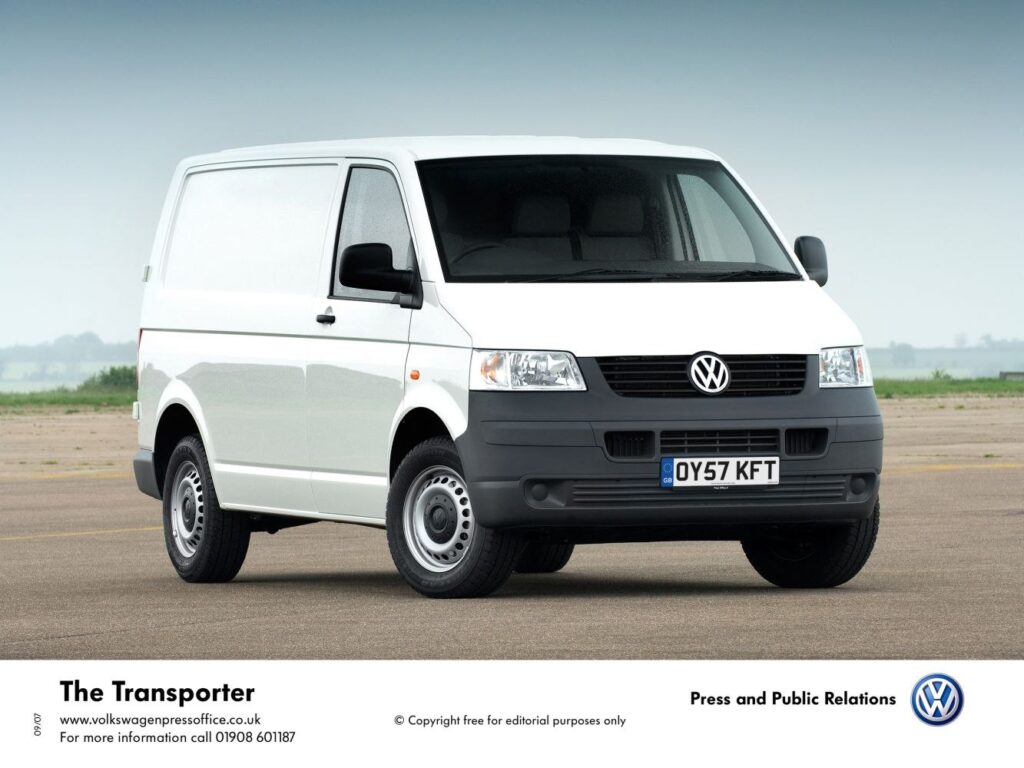
The Volkswagen Transporter, an iconic nameplate in the light commercial vehicle segment, introduced its fifth generation, the T5, in 2003. This particular variant, the Volkswagen Transporter (T5) Panel Van 2.5 TDI (130 Hp) L1H1, represented a significant evolution in Volkswagen’s commitment to utility, efficiency, and driver comfort in its commercial offerings. While the Transporter series has a storied history globally, its primary market for commercial iterations like the Panel Van remained predominantly Europe, Asia, and other international markets, with limited direct sales in the United States. In the US, Volkswagen’s commercial presence has historically been more focused on passenger vans and larger cargo solutions through different branding or partnerships. The T5 Panel Van, produced from 2003 to 2006 in this specific configuration, firmly established itself as a versatile and reliable choice for businesses requiring a robust, front-wheel-drive cargo solution.
Engine and Performance of the Volkswagen Transporter (T5) Panel Van
At the heart of the Volkswagen Transporter (T5) Panel Van 2.5 TDI (130 Hp) L1H1 lies a robust 2.5-liter (2460 cm³ or 150.12 cu. in.) inline five-cylinder TDI (Turbocharged Direct Injection) diesel engine, designated by the code EA153 / AXD. This powerplant delivered a respectable 130 horsepower at 3500 rpm, translating to a power-per-liter output of 52.8 Hp/l, a solid figure for a commercial vehicle of its era. More critically for a van designed to haul cargo, the engine produced a substantial 250.77 lb.-ft. (340 Nm) of torque, available across a practical rev range of 2000-2300 rpm. This broad torque band ensured strong pulling power, crucial for urban delivery cycles and highway cruising alike, even when fully laden.
The engine’s design featured an inline five-cylinder configuration, a signature of many Volkswagen and Audi diesel engines, known for its smooth operation and distinctive sound. It employed a SOHC (Single Overhead Camshaft) valvetrain with two valves per cylinder, a proven and reliable setup. Fuel delivery was managed by a pump-nozzle (unit injector) system, a technology that was cutting-edge for diesel engines at the time, offering precise fuel atomization and efficiency. A turbocharger coupled with an intercooler further boosted performance and efficiency, ensuring optimal air intake and power delivery.
Performance figures for this commercial vehicle were commendable for its class. The Transporter T5 2.5 TDI could accelerate from 0 to 60 mph in an estimated 14.5 seconds (0-100 km/h in 15.3 seconds), reaching a maximum speed of 104.39 mph (168 km/h). Fuel economy was a strong suit, with an extra-urban consumption figure of 6.3 liters per 100 km, which translates to an impressive 37.3 US mpg. This efficiency, combined with an 80-liter (21.13 US gallon) fuel tank, provided excellent range for long workdays. The vehicle adhered to the Euro 3 emission standard, reflecting its compliance with European environmental regulations of the early 2000s.
Power was transmitted to the front wheels via a six-speed manual transmission, offering a good balance of low-end grunt for acceleration and higher gears for fuel-efficient highway driving. The front-wheel-drive architecture, combined with an independent McPherson strut front suspension and independent coil spring rear suspension with trailing arms, provided a car-like driving experience, enhancing stability and comfort for the driver. Braking was handled by ventilated discs at both the front (308×29.5 mm) and rear (294×22 mm), complemented by an Anti-lock Braking System (ABS) for enhanced safety and control during emergency stops.
Design and Features: The Volkswagen Transporter (T5) Panel Van L1H1
The Volkswagen Transporter (T5) Panel Van, specifically the L1H1 variant, denotes a “Long 1” (short wheelbase) and “Height 1” (standard roof height) configuration. This made it the most compact and agile version of the T5 Panel Van, ideal for urban environments and tight maneuvering. Its exterior dimensions measured 192.52 inches (4890 mm) in length, 74.96 inches (1904 mm) in width (88.27 inches or 2242 mm including mirrors), and 77.13 inches (1959 mm) in height. The wheelbase was a substantial 118.11 inches (3000 mm), contributing to a stable ride.
As a Panel Van, its primary purpose was cargo transport, hence the 4-5 doors (including rear/side access) and a seating capacity for 2-3 occupants in the front cabin. The rear cargo area was fully enclosed and offered a voluminous 204.83 cu. ft. (5800 liters) of maximum trunk space, making it a highly practical choice for various trades and delivery services. The design prioritized functionality, with a low load floor and wide-opening doors for easy access. The vehicle’s robust construction allowed for a maximum payload capacity ranging from 2039.28 to 2460.36 lbs. (925-1116 kg), with a maximum gross weight of 6172.94 to 7054.79 lbs. (2800-3200 kg). It also boasted significant towing capabilities, with a permitted trailer load of 5511.56 lbs. (2500 kg) with brakes.
Inside, the cabin was designed for durability and ergonomics, acknowledging that drivers would spend long hours behind the wheel. While not luxurious, the interior was functional, with clear instrumentation and accessible controls. Power steering, specifically a hydraulic rack-and-pinion system, ensured ease of maneuverability, especially important for a commercial vehicle navigating tight city streets or loading docks. The standard tire size was 215/65 R16, mounted on 6.5J x 16 wheel rims, providing a good balance of load-bearing capacity and ride comfort.
Ground clearance of 6.5 inches (165 mm) and respectable approach (22°), departure (16°), and ramp-over (14°) angles, along with a wading depth of 11.81 inches (300 mm), gave the T5 Panel Van a degree of versatility for light off-road or construction site access, though it was primarily designed for paved roads.
Technical Specifications
General Information |
|
| Brand | Volkswagen |
| Model | Transporter |
| Generation | Transporter (T5) Panel Van |
| Type (Engine) | 2.5 TDI (130 Hp) L1H1 |
| Start of Production | 2003 year |
| End of Production | 2006 year |
| Powertrain Architecture | Internal Combustion engine |
| Body type | Van |
| Seats | 2-3 |
| Doors | 4-5 |
Performance Specifications |
|
| Fuel Consumption (extra urban) | 6.3 l/100 km (37.3 US mpg) |
| Fuel Type | Diesel |
| Acceleration 0-60 mph | 14.5 sec |
| Acceleration 0-100 km/h | 15.3 sec |
| Maximum Speed | 104.39 mph (168 km/h) |
| Emission Standard | Euro 3 |
| Weight-to-Power Ratio | 14.4 kg/Hp, 69.3 Hp/tonne |
| Weight-to-Torque Ratio | 5.5 kg/Nm, 181.3 Nm/tonne |
Engine Specifications |
|
| Power | 130 Hp @ 3500 rpm |
| Power per liter | 52.8 Hp/l |
| Torque | 250.77 lb.-ft. (340 Nm) @ 2000-2300 rpm |
| Engine Layout | Front, Transverse |
| Engine Model/Code | EA153 / AXD |
| Engine Displacement | 2460 cm³ (150.12 cu. in.) |
| Number of Cylinders | 5 |
| Engine Configuration | Inline |
| Cylinder Bore | 3.19 in. (81 mm) |
| Piston Stroke | 3.76 in. (95.5 mm) |
| Compression Ratio | 18.5:1 |
| Number of Valves per Cylinder | 2 |
| Fuel Injection System | Pump-nozzle (Unit Injector) |
| Engine Aspiration | Turbocharger, Intercooler |
| Valvetrain | SOHC |
| Engine Oil Capacity | 7.4 l (7.82 US qt) |
| Coolant Capacity | 7.1 l (7.5 US qt) |
Space, Volume and Weights |
|
| Kerb Weight | 4133.67 – 4594.43 lbs. (1875-2084 kg) |
| Max. Weight (GVWR) | 6172.94 – 7054.79 lbs. (2800-3200 kg) |
| Max Load | 2039.28 – 2460.36 lbs. (925-1116 kg) |
| Trunk (boot) Space – Maximum | 204.83 cu. ft. (5800 l) |
| Fuel Tank Capacity | 21.13 US gal (80 l) |
| Max. Roof Load | 220.46 lbs. (100 kg) |
| Permitted Trailer Load with Brakes (8%) | 5511.56 lbs. (2500 kg) |
| Permitted Trailer Load with Brakes (12%) | 5511.56 lbs. (2500 kg) |
| Permitted Trailer Load without Brakes | 1653.47 lbs. (750 kg) |
| Permitted Towbar Download | 220.46 lbs. (100 kg) |
Dimensions |
|
| Length | 192.52 in. (4890 mm) |
| Width | 74.96 in. (1904 mm) |
| Width including Mirrors | 88.27 in. (2242 mm) |
| Height | 77.13 in. (1959 mm) |
| Wheelbase | 118.11 in. (3000 mm) |
| Front Track | 64.09 in. (1628 mm) |
| Rear (Back) Track | 64.09 in. (1628 mm) |
| Front Overhang | 35.2 in. (894 mm) |
| Rear Overhang | 39.21 in. (996 mm) |
| Ride Height (Ground Clearance) | 6.5 in. (165 mm) |
| Minimum Turning Circle (Turning Diameter) | 39.04 ft. (11.9 m) |
| Approach Angle | 22° |
| Departure Angle | 16° |
| Ramp-over (Brakeover) Angle | 14° |
| Wading Depth | 11.81 in. (300 mm) |
Drivetrain, Brakes and Suspension Specifications |
|
| Drivetrain Architecture | Front-wheel drive (Internal Combustion engine drives the front wheels) |
| Drive Wheel | Front-wheel drive |
| Number of Gears and Type of Gearbox | 6 gears, manual transmission |
| Front Suspension | Independent, McPherson type with coil spring and anti-roll bar |
| Rear Suspension | Independent coil spring, Transverse stabilizer, Trailing arm |
| Front Brakes | Ventilated discs, 308×29.5 mm |
| Rear Brakes | Ventilated discs, 294×22 mm |
| Assisting Systems | ABS (Anti-lock braking system) |
| Steering Type | Steering rack and pinion |
| Power Steering | Hydraulic Steering |
| Tires Size | 215/65 R16 |
| Wheel Rims Size | 6.5J x 16 |
Legacy and Market Impact of the Volkswagen Transporter (T5) Panel Van
The Volkswagen Transporter T5 continued the illustrious lineage of the Transporter series, building upon the reputation for reliability and versatility established by its predecessors, from the original T1 “Bus” to the T4. The Volkswagen Transporter (T5) Panel Van 2.5 TDI (130 Hp) L1H1, in particular, solidified Volkswagen’s position as a dominant force in the European light commercial vehicle market during its production run. It was widely regarded as a premium offering in its segment, known for its robust build quality, comfortable ride, and relatively refined driving dynamics for a commercial van.
In its primary markets, the T5 Panel Van faced stiff competition from rivals such as the Mercedes-Benz Vito, Ford Transit, and Renault Trafic. However, the T5 distinguished itself with its strong residual values, a comprehensive range of configurations, and the appeal of the Volkswagen brand’s engineering prowess. The 2.5 TDI engine, with its five-cylinder design, was particularly well-received for its balance of power, durability, and fuel efficiency, making it a favorite among couriers, tradespeople, and small businesses across Europe. Its ability to handle diverse loads, combined with its comfortable cabin, made it a preferred choice for professionals who spent significant time on the road.
The T5 generation also introduced enhanced safety features for commercial vehicles of its time, with ABS being standard, contributing to its overall appeal. Its adaptable platform allowed for numerous conversions, from simple panel vans to specialized service vehicles, further extending its utility and market reach. The L1H1 variant, being the most compact, was especially popular in dense urban environments where maneuverability was paramount.
While not a common sight on American roads as a new commercial vehicle, the T5’s influence extended globally through its reputation and the engineering advancements it introduced. It represents a significant chapter in the evolution of the modern commercial van, combining the practicality of a work vehicle with a level of refinement and technology that set it apart from many of its contemporaries. Its legacy continues in subsequent Transporter generations, which build upon the T5’s foundations of efficiency, versatility, and driver satisfaction. The T5, including this specific 2.5 TDI Panel Van, remains a highly sought-after used vehicle in Europe, a testament to its enduring quality and functionality.