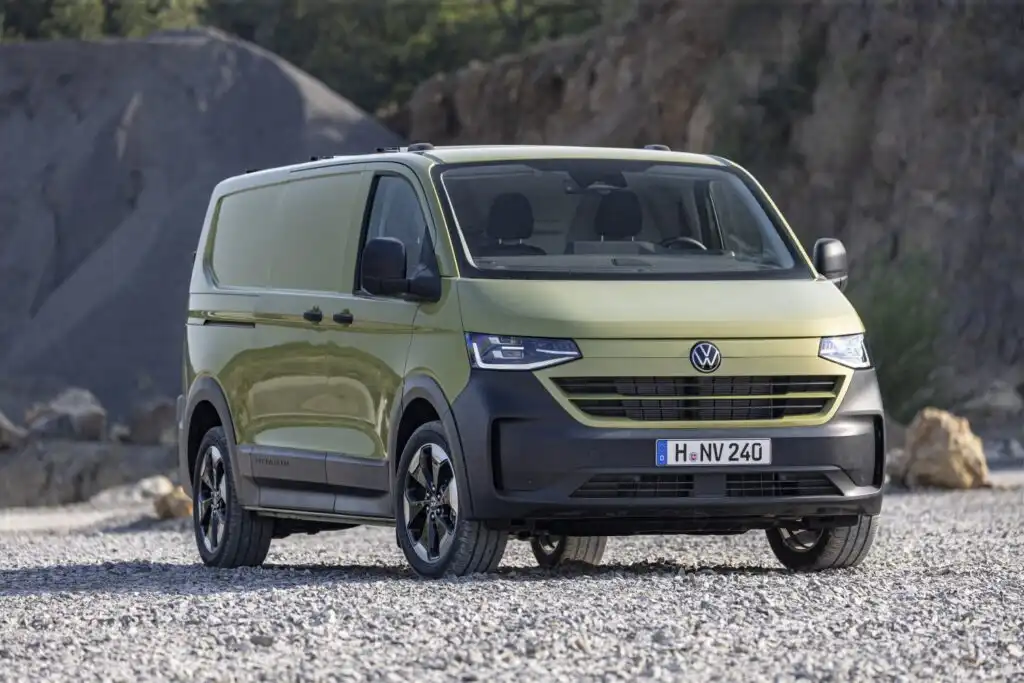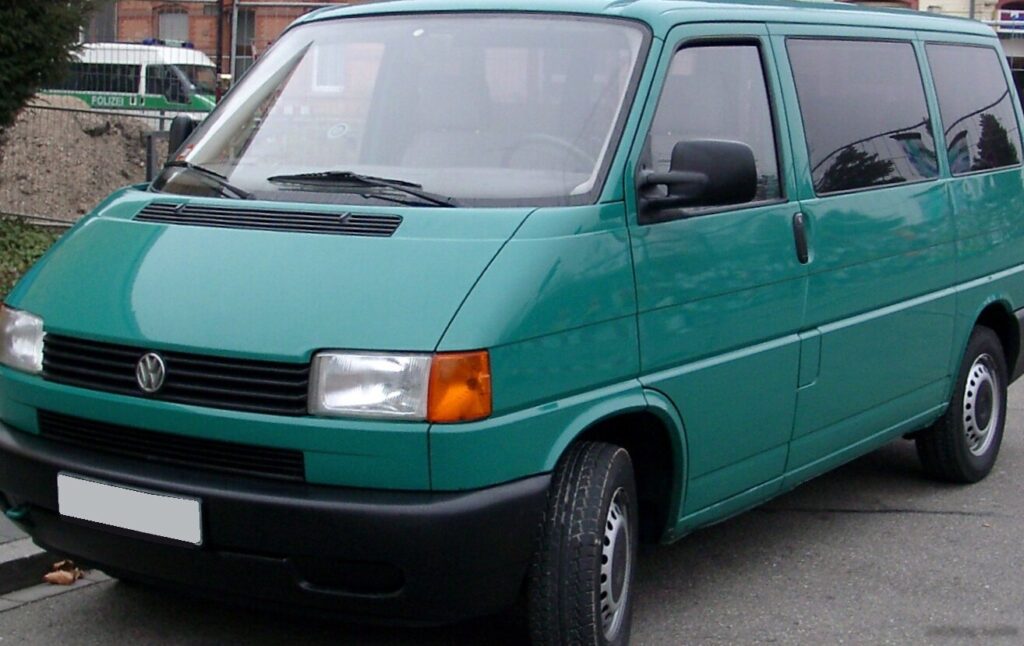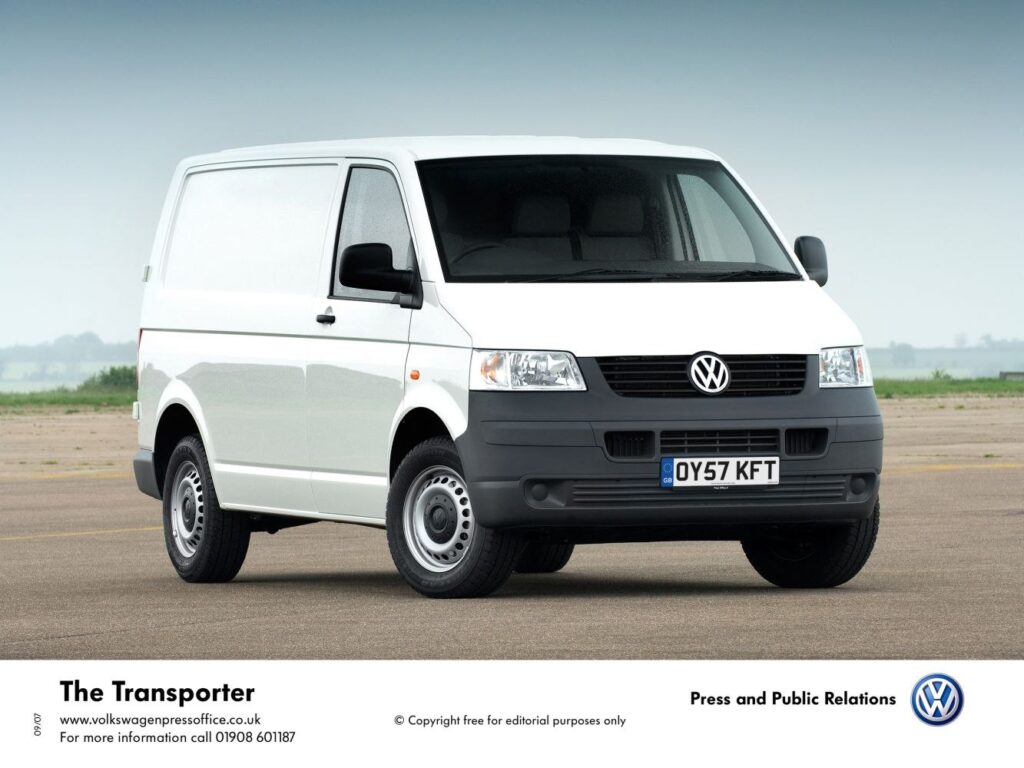
The Volkswagen Transporter (T5) Panel Van 2.5 TDI (130 Hp) L2H3: A European Workhorse
The Volkswagen Transporter, an iconic nameplate with a rich heritage spanning several decades, has consistently defined the light commercial vehicle segment in Europe and other global markets outside of North America. The Transporter (T5) generation, produced from 2003 to 2015, represented a significant evolution, building upon the robust reputation of its predecessors. This detailed analysis focuses on a specific variant, the Volkswagen Transporter (T5) Panel Van 2.5 TDI (130 Hp) L2H3, manufactured between 2003 and 2006. This particular model, with its powerful diesel engine and extended, high-roof configuration, was engineered to meet the demanding requirements of businesses needing substantial cargo capacity, fuel efficiency, and Volkswagen’s renowned build quality in its primary European market.
Unlike its passenger-oriented Multivan or California siblings, the Panel Van was conceived as a pure utility vehicle. The “L2H3” designation signifies its specific dimensions: “L2” denotes the longer wheelbase variant, while “H3” indicates the highest available roof height. This combination maximized internal volume, making it an ideal choice for tradespeople, delivery services, and various commercial applications where carrying bulky items was a daily necessity. During its production run, the T5 Transporter competed fiercely in the European van segment against rivals such as the Ford Transit, Mercedes-Benz Vito, and Renault Trafic, establishing itself as a benchmark for practicality, durability, and driver comfort within its class.
Engine and Performance: Powering the Volkswagen Transporter (T5) Panel Van 2.5 TDI (130 Hp) L2H3
At the heart of the Volkswagen Transporter (T5) Panel Van 2.5 TDI (130 Hp) L2H3 lies a robust 2.5-liter (2460 cm³ or 150.12 cu. in.) inline five-cylinder TDI (Turbocharged Direct Injection) diesel engine. This powertrain, known by the engine codes EA153 or AXD, was a hallmark of Volkswagen’s commercial and larger passenger vehicle offerings during this era, celebrated for its strong low-end torque and impressive longevity. Generating 130 horsepower at 3500 rpm, this engine delivered ample power for hauling heavy loads, a crucial attribute for any commercial van.
More significantly for a utility vehicle, the engine produced a formidable 250.77 lb.-ft. (340 Nm) of torque, available across a broad rev range of 2000-2300 rpm. This substantial torque output ensured strong pulling power, whether accelerating from a standstill with a full cargo bay or maintaining speed on inclines. The engine’s architecture featured an inline five-cylinder configuration, a design choice that provided a good balance of power delivery, smoothness, and packaging efficiency. It utilized a Single Overhead Camshaft (SOHC) valvetrain with two valves per cylinder and a sophisticated Pump-nozzle (Unit Injector) fuel injection system, which was advanced for its time, contributing to both power and fuel economy.
Further enhancing its efficiency and performance, the engine was equipped with a turbocharger and intercooler, ensuring optimal air intake density and combustion. Power was delivered to the front wheels via a six-speed manual transmission, offering precise control and allowing the driver to efficiently manage the engine’s power band for various driving conditions and load requirements. While outright speed was not its primary objective, the Transporter (T5) Panel Van could achieve a maximum speed of 98.18 mph (158 km/h) and accelerate from 0 to 60 mph in a respectable 15 seconds, which was competitive for a large panel van of its size and era. Its fuel economy was also noteworthy, with an extra-urban consumption rate of 33.6 US mpg (7 l/100 km), underscoring its efficiency as a work vehicle. The engine complied with the Euro 3 emission standard, reflecting the environmental regulations of its early 2000s production period.
Design and Features: Maximizing Utility and Practicality
The design of the Volkswagen Transporter (T5) Panel Van 2.5 TDI (130 Hp) L2H3 was fundamentally driven by its purpose: to provide maximum utility and cargo capacity in a practical, durable package. As a panel van, its exterior eschewed aesthetic frills in favor of functionality, featuring a robust, boxy silhouette optimized for load carrying. The L2H3 designation translated to significant dimensions: a length of 208.27 inches (5290 mm), a width of 74.96 inches (1904 mm, or 88.27 inches including mirrors), and a substantial height of 96.85 inches (2460 mm). This generous stature provided an impressive maximum trunk (boot) space of 328.43 cubic feet (9300 liters), making it capable of accommodating a wide array of goods, tools, or equipment.
The interior was designed for durability and driver ergonomics, typical of a commercial vehicle. It offered seating for 2-3 occupants, with a focus on comfortable and functional seating for long working hours. The 4-5 door configuration, typically comprising two front doors and either a sliding side door and rear barn doors or a tailgate, facilitated easy access to the cargo area from multiple angles. The robust construction was evident in its kerb weight, ranging from 4310.04 to 4777.42 lbs (1955-2167 kg), and its ability to handle a maximum payload of 1862.91 to 2277.38 lbs (845-1033 kg), pushing its gross maximum weight to between 6172.94 and 7054.79 lbs (2800-3200 kg).
Beyond its cargo capabilities, the T5 Panel Van incorporated practical features for its era. It was equipped with ventilated disc brakes on both the front (308×29.5 mm) and rear (294×22 mm) axles, complemented by an Anti-lock Braking System (ABS) for enhanced safety and control, especially under heavy loads or adverse conditions. The independent suspension system, featuring McPherson struts with coil springs and an anti-roll bar at the front and an independent coil spring with a transverse stabilizer and trailing arm at the rear, contributed to a stable and relatively comfortable ride, even when unladen. Hydraulic power steering, along with a steering rack and pinion setup, ensured manageable handling for a vehicle of its size, offering a minimum turning circle of 43.31 feet (13.2 meters). The 215/65 R16 tires on 6.5J x 16 wheel rims provided a balanced combination of load-bearing capacity and road grip. Its 21.13 US gallon (80 liter) fuel tank offered a substantial range, reducing downtime for refueling, which is critical for commercial operations.
Technical Specifications
| Category | Specification |
|---|---|
| General Information | |
| Brand | Volkswagen |
| Model | Transporter |
| Generation | Transporter (T5) Panel Van |
| Type (Engine) | 2.5 TDI (130 Hp) L2H3 |
| Production Start | 2003 year |
| Production End | 2006 year |
| Powertrain Architecture | Internal Combustion engine |
| Body type | Van |
| Seats | 2-3 |
| Doors | 4-5 |
| Performance Specs | |
| Fuel consumption (economy) – extra urban | 7 l/100 km (33.6 US mpg) |
| Fuel Type | Diesel |
| Acceleration 0 – 60 mph | 15 sec |
| Acceleration 0 – 62 mph (0-100 km/h) | 15.8 sec |
| Maximum speed | 98.18 mph (158 km/h) |
| Emission standard | Euro 3 |
| Weight-to-power ratio | 15 kg/Hp (66.5 Hp/tonne) |
| Weight-to-torque ratio | 5.8 kg/Nm (173.9 Nm/tonne) |
| Engine Specs | |
| Power | 130 Hp @ 3500 rpm |
| Power per liter | 52.8 Hp/l |
| Torque | 250.77 lb.-ft. (340 Nm) @ 2000-2300 rpm |
| Engine layout | Front, Transverse |
| Engine Model/Code | EA153 / AXD |
| Engine displacement | 2460 cm³ (150.12 cu. in.) |
| Number of cylinders | 5 |
| Engine configuration | Inline |
| Cylinder Bore | 3.19 in. (81 mm) |
| Piston Stroke | 3.76 in. (95.5 mm) |
| Compression ratio | 18.5:1 |
| Number of valves per cylinder | 2 |
| Fuel injection system | Pump-nozzle (Unit Injector) |
| Engine aspiration | Turbocharger, Intercooler |
| Valvetrain | SOHC |
| Engine oil capacity | 7.4 l (7.82 US qt) |
| Coolant | 7.1 l (7.5 US qt) |
| Space, Volume and Weights | |
| Kerb Weight | 4310.04 – 4777.42 lbs (1955-2167 kg) |
| Max. weight | 6172.94 – 7054.79 lbs (2800-3200 kg) |
| Max load | 1862.91 – 2277.38 lbs (845-1033 kg) |
| Trunk (boot) space – maximum | 328.43 cu. ft. (9300 l) |
| Fuel tank capacity | 21.13 US gal (80 l) |
| Permitted trailer load with brakes (8%) | 5511.56 lbs (2500 kg) |
| Permitted trailer load with brakes (12%) | 5511.56 lbs (2500 kg) |
| Permitted trailer load without brakes | 1653.47 lbs (750 kg) |
| Permitted towbar download | 220.46 lbs (100 kg) |
| Dimensions | |
| Length | 208.27 in. (5290 mm) |
| Width | 74.96 in. (1904 mm) |
| Width including mirrors | 88.27 in. (2242 mm) |
| Height | 96.85 in. (2460 mm) |
| Wheelbase | 133.86 in. (3400 mm) |
| Front track | 64.09 in. (1628 mm) |
| Rear (Back) track | 64.09 in. (1628 mm) |
| Front overhang | 35.2 in. (894 mm) |
| Rear overhang | 39.21 in. (996 mm) |
| Ride height (ground clearance) | 6.5 in. (165 mm) |
| Minimum turning circle (turning diameter) | 43.31 ft. (13.2 m) |
| Approach angle | 22° |
| Departure angle | 16° |
| Wading depth | 11.81 in. (300 mm) |
| Drivetrain, Brakes and Suspension Specs | |
| Drivetrain Architecture | Front-wheel drive, Internal Combustion engine |
| Drive wheel | Front wheel drive |
| Number of gears and type of gearbox | 6 gears, manual transmission |
| Front suspension | Independent, type McPherson with coil spring and anti-roll bar |
| Rear suspension | Independent coil spring, Transverse stabilizer, Trailing arm |
| Front brakes | Ventilated discs, 308×29.5 mm |
| Rear brakes | Ventilated discs, 294×22 mm |
| Assisting systems | ABS (Anti-lock braking system) |
| Steering type | Steering rack and pinion |
| Power steering | Hydraulic Steering |
| Tires size | 215/65 R16 |
| Wheel rims size | 6.5J x 16 |
Legacy and Market Impact of the Volkswagen Transporter (T5) Panel Van
The Volkswagen Transporter (T5) Panel Van, particularly variants like the 2.5 TDI (130 Hp) L2H3, solidified its position as a cornerstone of the European light commercial vehicle market during its production years. It inherited a legendary lineage, dating back to the original Type 2 “Bus,” and successfully adapted it for the demands of the 21st century. The T5 generation was lauded for its blend of car-like driving dynamics, robust construction, and impressive versatility, making it a favorite among businesses and private users alike. Its reputation for reliability and durability translated into strong resale values, a significant factor for commercial fleet operators.
In its primary European market, the T5 Panel Van faced stiff competition. Key rivals included the Ford Transit, known for its extensive range of configurations and strong market presence; the Mercedes-Benz Vito, which offered a premium feel and advanced technology; and the Renault Trafic (and its badge-engineered counterparts like the Opel Vivaro and Nissan Primastar), recognized for its comfortable ride and practical design. Despite this competitive landscape, the Transporter maintained a loyal following due to its Volkswagen brand appeal, perceived quality, and the widespread availability of parts and service.
The L2H3 configuration, with its extended length and highest roof option, played a crucial role in its market impact. It catered specifically to trades that required maximum internal volume, such as carpenters, plumbers, and delivery companies dealing with tall or long items. This variant’s substantial cargo capacity, combined with the powerful and efficient 2.5-liter TDI engine, made it an economically viable and highly practical choice for businesses across the continent. Its ability to tow significant loads (up to 5511.56 lbs with brakes) further enhanced its utility, allowing it to serve as a comprehensive work platform.
The T5’s legacy endures through its successor, the T6, which largely refined the T5’s successful formula. However, the T5 itself remains a highly sought-after used vehicle, a testament to its enduring quality and design. It represented a period of significant refinement for the Transporter line, bringing modern diesel technology, improved ergonomics, and enhanced safety features (like ABS) to the commercial van segment. The Volkswagen Transporter (T5) Panel Van 2.5 TDI (130 Hp) L2H3 stands as a prime example of a well-engineered, purpose-built vehicle that perfectly met the needs of its target market, cementing its place in automotive history as a true European workhorse.