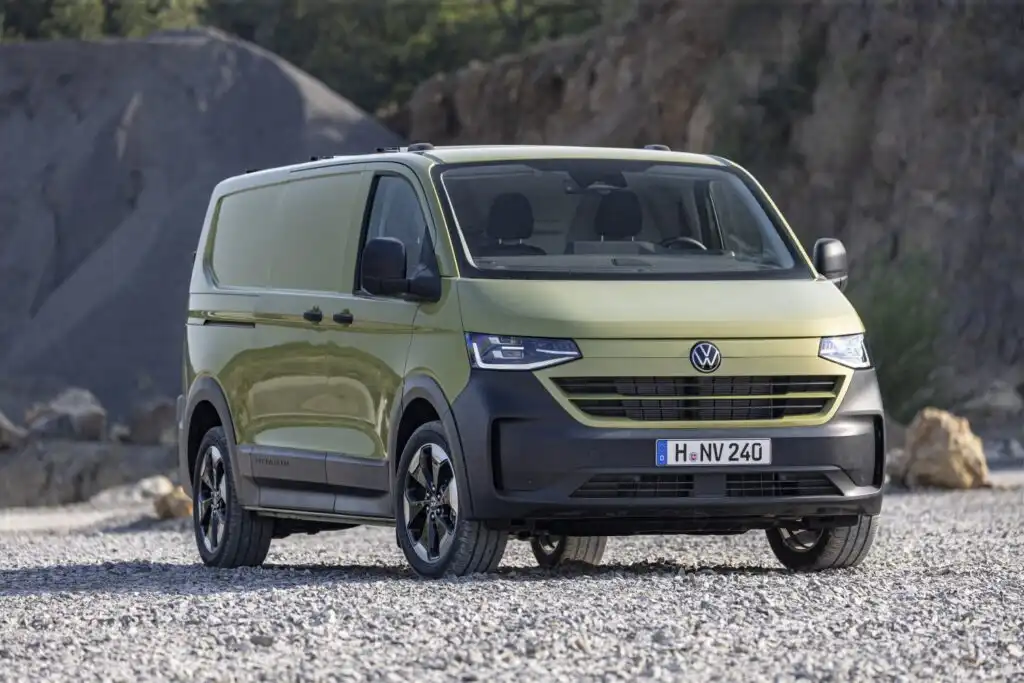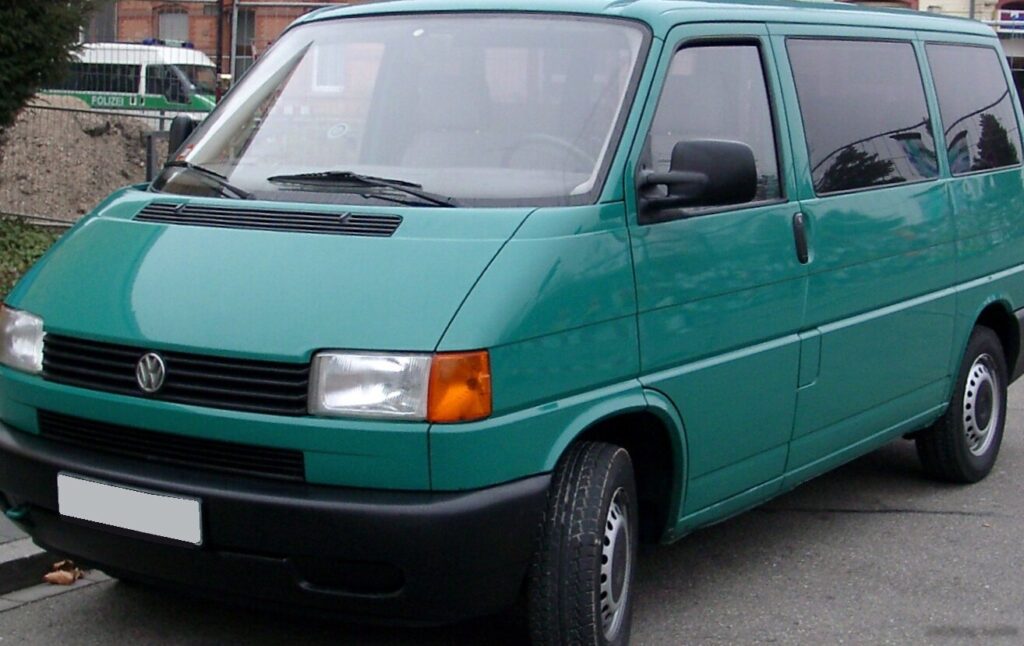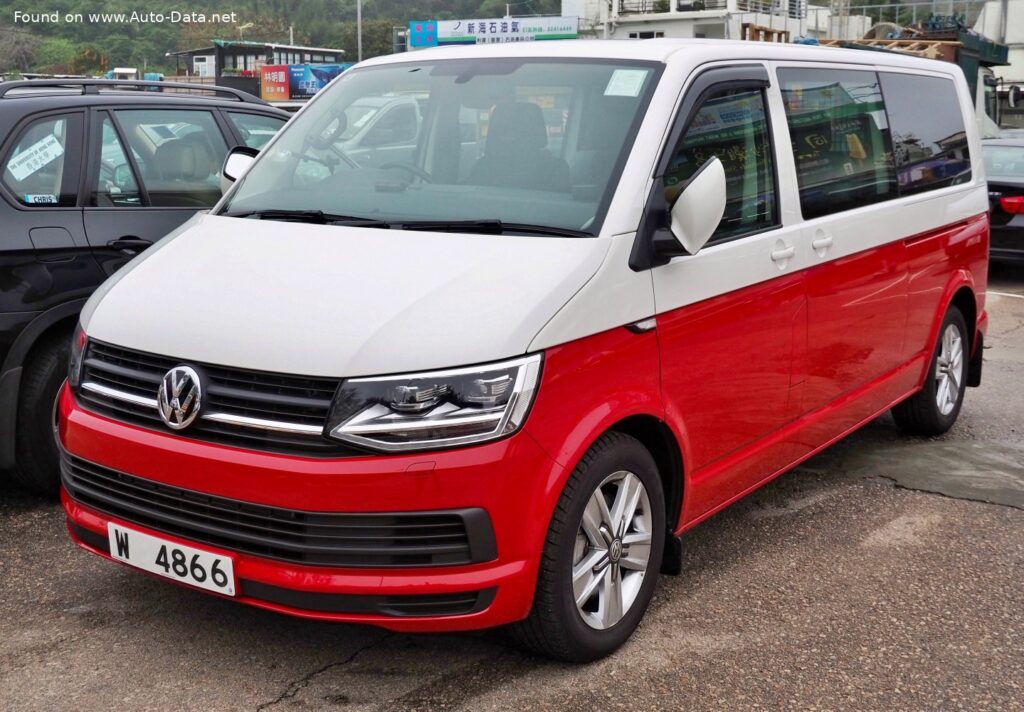
The Volkswagen Transporter (T6) Kombi 2.0 TDI (150 Hp) L2H2 represents a significant evolution in the enduring legacy of Volkswagen’s iconic light commercial vehicle range. Introduced in 2015 as the sixth generation of the Transporter family, the T6 built upon the robust foundations of its predecessors, offering enhanced refinement, efficiency, and technology. This particular variant, the Kombi, signifies its versatile nature, designed to comfortably accommodate both passengers and cargo, making it a popular choice across Europe and other international markets where it serves as a workhorse for businesses, a family hauler, and a reliable companion for adventurers. The “L2H2” designation further clarifies its configuration: a long-wheelbase (L2) model paired with a high-roof (H2), maximizing interior space for both occupants and goods, a critical feature for its diverse user base.
The Volkswagen Transporter (T6) Kombi: Evolution of a Global Workhorse
The Volkswagen Transporter series boasts a heritage stretching back to the 1950s, establishing itself as a global icon of utility and practicality. The T6 generation, produced from 2015 to 2019, continued this tradition, refining the formula rather than revolutionizing it. While not widely sold as a passenger van in the United States, its impact across Europe, Australia, and Asia is undeniable, where it competes fiercely in the commercial and multi-purpose vehicle segments. The T6 Kombi 2.0 TDI (150 Hp) L2H2, specifically, was engineered with a focus on delivering robust performance, improved fuel economy, and lower emissions, all while maintaining the legendary reliability expected of a Transporter.
Its powertrain architecture is centered around an internal combustion engine driving the front wheels, a proven and efficient layout for a vehicle of this type. The Kombi body type, with its 4-5 doors and seating for 4 to 9 occupants, underscores its adaptability. Whether configured for family transport, shuttle services, or as a versatile platform for conversions, the long-wheelbase and high-roof variant of the T6 Kombi offered exceptional interior volume and flexibility. This generation saw Volkswagen integrate more contemporary design cues and technological advancements, elevating the driving experience and operational efficiency for its diverse clientele.
Engine & Performance: Powering the Volkswagen Transporter (T6) Kombi
At the heart of the Volkswagen Transporter (T6) Kombi 2.0 TDI (150 Hp) L2H2 lies Volkswagen’s renowned EA288 / CXFA, CXHA 2.0-liter turbocharged direct injection (TDI) diesel engine. This inline four-cylinder unit, with a displacement of 1968 cubic centimeters (120.09 cubic inches), is a testament to modern diesel engineering, balancing power with impressive fuel efficiency. It delivers a healthy 150 horsepower at 3250-3750 revolutions per minute, providing ample motivation for a vehicle of its size and intended use. More critically for a commercial or multi-purpose vehicle, the engine produces a substantial 250.77 lb.-ft. of torque, available across a broad rev range from 1500 to 3000 rpm. This wide torque band ensures strong pulling power, whether fully loaded with cargo, carrying a full complement of passengers, or towing a trailer.
The engine’s layout is front, transverse, contributing to efficient packaging and maximizing interior space. Key engine technologies include a common rail fuel injection system for precise fuel delivery, a turbocharger for boosted performance, and an intercooler to manage intake air temperatures, all contributing to its efficient combustion and power output. The valvetrain features a Double Overhead Camshaft (DOHC) design, ensuring optimal valve timing and engine breathing. Furthermore, this powerplant is equipped with a Start & Stop system and a particulate filter, crucial for meeting the stringent Euro 6 emission standards prevalent in its primary markets. These features not only reduce its environmental footprint but also contribute to improved fuel economy.
Performance figures for the T6 Kombi 2.0 TDI (150 Hp) L2H2 are respectable for its class. It accelerates from 0 to 60 mph in a calculated 11.4 seconds and can reach a maximum speed of 109.36 mph. Fuel economy is a strong suit, with combined (NEDC) figures ranging from 31.4 to 39.2 US mpg, making it an economical choice for long-distance travel and daily operations. Power is channeled to the front wheels via a smooth and durable 6-speed manual transmission, offering drivers direct control and further enhancing efficiency.
Design & Features: Practicality and Versatility
The design of the Volkswagen Transporter (T6) Kombi 2.0 TDI (150 Hp) L2H2 is characterized by its functional yet modern aesthetic. As a van body type, its primary focus is on maximizing interior volume and accessibility. The L2H2 configuration means an extended length of 208.82 inches and a significant height of 85.43 inches, providing generous headroom and cargo capacity. The wheelbase measures 133.86 inches, ensuring a stable ride, particularly under load, and contributing to comfortable passenger accommodations. Despite its substantial dimensions, the T6 maintains a relatively tight minimum turning circle of 43.31 feet, aiding maneuverability in urban environments.
Inside, the Kombi variant emphasizes adaptability. With seating options ranging from 4 to 9, the interior can be reconfigured to suit various needs, from a spacious passenger shuttle to a substantial cargo carrier. The maximum trunk (boot) space is an impressive 275.45 cubic feet, highlighting its capability to transport large items or large quantities of luggage. Practical features extend to its robust load-carrying capabilities, with a maximum payload of 2052.5 to 2083.37 lbs and a permitted trailer load with brakes of 5511.56 lbs, making it suitable for a wide array of professional and personal applications.
The T6 Kombi’s chassis and suspension systems are engineered for comfort and stability. It features an independent McPherson strut front suspension with coil springs and an anti-roll bar, paired with an independent coil spring, wishbone, and transverse stabilizer rear suspension. This setup provides a compliant ride even over varied road surfaces, which is crucial for passenger comfort and cargo protection. Braking is handled by ventilated discs both front and rear (308×29.5 mm front, 294×22 mm rear), complemented by an Anti-lock Braking System (ABS) for enhanced safety. The hydraulic power steering system, with its rack and pinion setup, offers precise control and feedback to the driver. Standard tire sizes include 205/65 R16 or 215/65 R16, mounted on 6.5J x 16 wheel rims, providing a balance of grip, durability, and ride comfort.
Technical Specifications
| Category | Specification | Value |
|---|---|---|
| General Information | ||
| Brand | Volkswagen | |
| Model | Transporter | |
| Generation | Transporter (T6) Kombi | |
| Type (Engine) | 2.0 TDI (150 Hp) L2H2 | |
| Start of Production | 2015 year | |
| End of Production | 2019 year | |
| Powertrain Architecture | Internal Combustion engine | |
| Body type | Van | |
| Seats | 4-9 | |
| Doors | 4-5 | |
| Performance Specs | ||
| Fuel Consumption (Urban, NEDC) | 26.4 – 32.7 US mpg | |
| Fuel Consumption (Extra Urban, NEDC) | 35.1 – 44.4 US mpg | |
| Fuel Consumption (Combined, NEDC) | 31.4 – 39.2 US mpg | |
| CO2 Emissions (NEDC) | 157-195 g/km | |
| Fuel Type | Diesel | |
| Acceleration 0 – 60 mph | 11.4 sec | |
| Maximum Speed | 109.36 mph | |
| Emission Standard | Euro 6 | |
| Weight-to-power ratio | 12.4 kg/Hp, 80.9 Hp/tonne | |
| Weight-to-torque ratio | 5.5 kg/Nm, 183.3 Nm/tonne | |
| Engine Specs | ||
| Power | 150 Hp @ 3250-3750 rpm | |
| Power per liter | 76.2 Hp/l | |
| Torque | 250.77 lb.-ft. @ 1500-3000 rpm | |
| Engine Layout | Front, Transverse | |
| Engine Model/Code | EA288 / CXFA, CXHA | |
| Engine Displacement | 120.09 cu. in. (1968 cm3) | |
| Number of Cylinders | 4 | |
| Engine Configuration | Inline | |
| Cylinder Bore | 3.19 in. (81 mm) | |
| Piston Stroke | 3.76 in. (95.5 mm) | |
| Compression Ratio | 15.5:1 | |
| Number of Valves per Cylinder | 4 | |
| Fuel Injection System | Diesel Commonrail | |
| Engine Aspiration | Turbocharger, Intercooler | |
| Valvetrain | DOHC | |
| Engine Oil Capacity | 7.82 US qt (7.4 l) | |
| Engine Oil Specification | Not publicly available in data provided | |
| Engine Systems | Start & Stop System, Particulate filter | |
| Space, Volume and Weights | ||
| Kerb Weight | 4089.57 – 5002.29 lbs. (1855-2269 kg) | |
| Max. Weight | 6172.94 – 7054.79 lbs. (2800-3200 kg) | |
| Max Load | 2052.5 – 2083.37 lbs. (931-945 kg) | |
| Trunk (boot) space – maximum | 275.45 cu. ft. (7800 l) | |
| Fuel Tank Capacity | 18.49 US gal (70 l) | |
| AdBlue Tank | 3.43 US gal (13 l) | |
| Max. Roof Load | 220.46 lbs. (100 kg) | |
| Permitted Trailer Load with brakes (12%) | 5511.56 lbs. (2500 kg) | |
| Permitted Trailer Load without brakes | 1653.47 lbs. (750 kg) | |
| Permitted Towbar Download | 220.46 lbs. (100 kg) | |
| Dimensions | ||
| Length | 208.82 in. (5304 mm) | |
| Width | 74.96 in. (1904 mm) | |
| Width including mirrors | 90.43 in. (2297 mm) | |
| Height | 85.43 in. (2170 mm) | |
| Wheelbase | 133.86 in. (3400 mm) | |
| Front Overhang | 35.75 in. (908 mm) | |
| Rear Overhang | 39.09 in. (993 mm) | |
| Ride Height (ground clearance) | 7.95 in. (202 mm) | |
| Minimum Turning Circle (diameter) | 43.31 ft. (13.2 m) | |
| Approach Angle | 21.2° | |
| Departure Angle | 16.2° | |
| Ramp-over (brakeover) Angle | 12.2° | |
| Drivetrain, Brakes and Suspension Specs | ||
| Drivetrain Architecture | The Internal combustion engine (ICE) drives the front wheels of the vehicle. | |
| Drive Wheel | Front wheel drive | |
| Number of gears and type of gearbox | 6 gears, manual transmission | |
| Front Suspension | Independent, type McPherson with coil spring and anti-roll bar | |
| Rear Suspension | Independent coil spring, Wishbone, Transverse stabilizer | |
| Front Brakes | Ventilated discs, 308×29.5 mm | |
| Rear Brakes | Ventilated discs, 294×22 mm | |
| Assisting Systems | ABS (Anti-lock braking system) | |
| Steering Type | Steering rack and pinion | |
| Power Steering | Hydraulic Steering | |
| Tires Size | 205/65 R16; 215/65 R16 | |
| Wheel Rims Size | 6.5J x 16 | |
Legacy & Market Impact
The Volkswagen Transporter series holds an almost mythical status in automotive history, particularly in Europe, where it has been synonymous with reliability, versatility, and a certain lifestyle since the original Type 2 “Bus.” The T6 generation, including the Transporter (T6) Kombi 2.0 TDI (150 Hp) L2H2, continued this proud lineage, solidifying its position as a segment leader in its primary markets. While the Transporter has never been a direct competitor in the North American passenger van market in its current form, its influence on global commercial and multi-purpose vehicle design is undeniable.
In Europe, the T6 Kombi faced strong competition from rivals such as the Ford Transit Custom, Mercedes-Benz Vito, Renault Trafic, and Stellantis’s various offerings (e.g., Peugeot Expert, Citroën Jumpy, Opel Vivaro). However, the Transporter consistently stood out due to its perceived premium quality, robust engineering, and strong residual values. Its reputation for durability made it a favorite among tradespeople, delivery services, and public transport operators (as a shuttle or taxi). The Kombi variant, in particular, carved out a niche for families needing more space than a conventional minivan, or for individuals pursuing outdoor activities requiring significant cargo capacity.
The 2.0 TDI (150 Hp) engine variant was a popular choice, offering an excellent balance of power for highway cruising and torque for hauling, without compromising on fuel economy. Its Euro 6 compliance also ensured its longevity in markets with increasingly strict emission regulations. The T6 Kombi’s L2H2 configuration was especially impactful, catering to specific demands for maximum interior volume, whether for standing room, larger equipment, or more elaborate camper conversions, further enhancing its appeal in the recreational vehicle sector.
Ultimately, the Volkswagen Transporter (T6) Kombi 2.0 TDI (150 Hp) L2H2 is more than just a commercial vehicle; it’s a testament to Volkswagen’s commitment to producing highly adaptable, efficient, and dependable vehicles that serve a multitude of purposes across the globe. Its legacy is one of continuous evolution, adapting to modern demands while retaining the core values of practicality and robustness that have defined the Transporter name for decades.